
RSS

How to Prepare Your Winnipeg Home for Fall

Fall in Winnipeg has a way of making itself known.

One day you're enjoying a warm evening on the deck, and the next you're wondering whether it's too early to turn the furnace on. The leaves start piling up, daylight gets shorter, and suddenly winter doesn't feel quite as far away as it did a few weeks ago.

For homeowners, fall is more than just pumpkin season and digging out the sweaters.

It's also one of the best times of year to prepare your home for what Winnipeg's winter is about to throw at it.

A little maintenance now can help prevent bigger headaches later. It can also help you stay comfortable, protect your home from weather-related damage, and potentially catch small issues before they turn into expensive repairs.

You don't have to tackle everything in one weekend. Think of this as your practical checklist for getting your Winnipeg home ready for fall and, more importantly, ready for winter.

Start With Your Furnace

If your furnace has been sitting quietly all summer, fall is a good time to make sure it's ready to work.

Nobody wants the first serious cold snap of the year to become the first time they discover something isn't working properly.

Start by replacing the furnace filter if it needs one. A dirty filter can restrict airflow and make your heating system work harder.

If your furnace is older or you've noticed unusual noises, inconsistent temperatures, or other problems in previous winters, consider having it inspected or serviced by a qualified professional.

This is also a good time to check that your vents and registers aren't blocked by furniture, rugs, or other items.

Your furnace doesn't need to be the most exciting part of your home, but in Winnipeg, it is definitely one of the most important.

Check Your Smoke and Carbon Monoxide Detectors

Fall is a good reminder to check your smoke and carbon monoxide detectors.

Test each device and replace batteries where necessary. If a detector is old or no longer functioning properly, replace it according to the manufacturer's recommendations.

Carbon monoxide is particularly important to think about as the weather gets colder and homes become more closed up.

Make sure detectors are installed in appropriate locations and that everyone in the household knows what the alarms sound like and what to do if one goes off.

It's a small task that can have a very important impact.

Clean Your Gutters

Your gutters have a pretty simple job.

They collect water and direct it away from your home.

But once autumn leaves start falling, they can quickly become clogged.

Clean out leaves, twigs, and other debris before winter arrives. Make sure water can move freely through the gutters and downspouts.

While you're up there, look for signs of damage, loose sections, or areas where water may not be draining properly.

Pay attention to where your downspouts direct water.

You don't want a downspout depositing a large amount of water directly beside your foundation.

Fall is a particularly good time to address this because once temperatures drop and everything starts freezing, simple maintenance becomes much less convenient.

Inspect Your Roof

You don't necessarily need to climb onto your roof to check its condition.

From the ground, look for missing or damaged shingles, visible wear, sagging areas, or other obvious concerns.

You can also check your attic for signs of moisture or water intrusion.

If you've noticed leaks during heavy rain, stains on ceilings, or other warning signs, don't ignore them because winter is coming.

Snow and ice can make existing roof problems more complicated.

If you're concerned about your roof, have it inspected by an appropriate professional.

Catching an issue in the fall is generally preferable to discovering it during a January snowstorm.

Check Your Windows and Doors

Windows and exterior doors are important parts of your home's envelope.

As temperatures begin to fall, check for drafts around windows and doors.

Look at weatherstripping and caulking for signs of wear or gaps.

If a window doesn't close properly or you can feel cold air coming through around the frame, investigate it before winter.

You don't necessarily need to replace the window.

Sometimes the solution is as simple as repairing weatherstripping or addressing a small gap.

The goal is to keep warm air inside and cold air outside.

That sounds obvious, but your heating bill will appreciate the effort.

Get Your Outdoor Faucets Ready

Your exterior water lines need attention before freezing temperatures arrive.

Disconnect garden hoses and store them properly.

Make sure outdoor faucets are shut off and drained according to your home's plumbing setup.

If your home has exterior plumbing that requires specific winterization, follow the manufacturer's instructions or consult a qualified professional.

Frozen pipes can cause serious damage, and prevention is much easier than dealing with a burst pipe after the temperature has dropped well below freezing.

This is one of those fall jobs that takes relatively little time but can save you a major headache.

Give Your Basement a Quick Inspection

Basements deserve a little extra attention before fall turns into winter.

Walk around and look for signs of moisture, dampness, staining, or musty smells.

Check around windows, foundation walls, plumbing connections, and other areas where water could potentially enter.

If you have a sump pump, make sure it's working properly.

If your basement has experienced water issues in the past, fall is a good time to make sure any previous repairs are still doing their job.

Winnipeg homeowners know that water can find surprisingly creative ways into a house.

Don't give it an easy invitation.

Look Around Your Foundation

Walk around the exterior of your home and take a good look at the foundation.

You're looking for obvious cracks, areas where water may be pooling, damaged grading, or other changes that could become a problem.

Pay attention to how the ground slopes around the house.

Ideally, water should move away from the foundation rather than collecting against it.

Also check that soil, mulch, or landscaping hasn't shifted significantly over the summer.

You don't need to become a foundation expert during your Saturday morning walk around the house. You're simply looking for anything that seems different, damaged, or worth investigating.

Prepare Your Yard

Your yard has a lot going on during the summer.

By fall, it's time to start putting things away.

Clean and store patio furniture.

Put away garden tools.

Drain and store hoses.

Clean outdoor equipment.

Trim back appropriate vegetation.

Remove dead branches that could become a problem during storms or heavy snow.

Don't forget about your lawn.

Depending on the season and your landscaping, fall can be a good time to address lawn care, leaves, and other yard maintenance before the ground freezes.

And yes, those leaves eventually have to go somewhere.

Your future self will appreciate not leaving the entire backyard cleanup until the first snowfall.

Check Your Exterior Lighting

The days are getting shorter, which means you'll be relying more on exterior lighting.

Check your porch lights, garage lights, pathway lighting, and other exterior fixtures.

Replace burnt-out bulbs and make sure entrances and walkways are adequately lit.

This isn't just about appearance.

Good lighting makes it easier to navigate your property safely when you're coming home after work and it's already dark.

For sellers, exterior lighting can also contribute to curb appeal during fall showings.

Inspect Your Garage

Your garage may become an unofficial storage unit during the warmer months.

Before winter arrives, take a few minutes to organize it.

Make sure snow-clearing equipment is accessible.

You don't want to discover that your snow shovel is buried behind six boxes of summer decorations during the first major snowfall.

Check the garage door and opener.

Look for obvious damage or unusual noises.

Make sure the door closes properly.

If you have a detached garage, inspect the exterior and roof as well.

Fall is a good time to get everything organized before winter makes garage projects considerably less enjoyable.

Prepare Your Snow Removal Equipment

This may sound obvious, but don't wait until the first snowstorm to discover that your snowblower won't start.

If you own a snowblower, inspect it and make sure it's ready to go.

Check your shovel.

Make sure ice melt or other appropriate supplies are available if you use them.

If you hire a snow removal service, confirm your arrangements before the season gets busy.

The first significant snowfall is not the ideal time to start calling around asking, “So, are you available?”

Look at Your Home's Energy Efficiency

Fall is also a good time to think about where your home may be losing heat.

Check attic insulation if accessible and appropriate.

Look for drafts.

Check weatherstripping.

Make sure vents aren't blocked.

Consider whether programmable or smart thermostat settings could help you manage your heating more efficiently.

You don't have to complete every energy upgrade at once.

Sometimes small improvements can make a noticeable difference in comfort.

If you're considering larger upgrades, evaluate the potential cost and benefit rather than assuming every energy-efficient improvement will automatically pay for itself.

Don't Forget About Your Chimney or Fireplace

If your home has a fireplace or wood-burning stove, fall is the time to make sure it's ready before you use it.

Have the chimney inspected or cleaned as recommended for your system and usage.

Check the fireplace and surrounding area for obvious concerns.

If you use another type of heating appliance, follow its maintenance recommendations as well.

It's much better to discover a maintenance issue before you're relying on the fireplace during a cold Winnipeg evening.

Take Photos and Keep Records

Here's a simple habit that can be surprisingly useful.

Take photos of your home before winter arrives.

Document the condition of your roof, exterior, major systems, basement, landscaping, and other important areas.

Keep records of maintenance and major repairs.

This can help you track changes over time and may be useful for insurance purposes or future home maintenance.

You don't need to create a professional property inspection report.

Just create a visual record of your home while everything is in good condition.

Think About Winter Before It Gets Here

Fall maintenance isn't really about fall.

It's about buying yourself some breathing room before winter arrives.

Winnipeg winters can be hard on homes, so the more you can address while temperatures are still manageable, the better.

Make a list.

Start with safety and major systems.

Then work through the exterior, plumbing, roof, windows, yard, and seasonal equipment.

And if you find something that looks serious, don't ignore it simply because fixing it isn't convenient.

A small problem in October can become a much bigger problem in January.

Final Thoughts

Preparing your Winnipeg home for fall doesn't have to mean spending every weekend doing maintenance.

The goal is to be proactive.

Check the furnace. Clean the gutters. Inspect the roof. Prepare exterior plumbing. Look at your foundation. Check for drafts. Organize your garage. Prepare your snow removal equipment. Take care of the small repairs you've been putting off.

Most importantly, pay attention to your home.

You live there every day, which means you're often the first person to notice when something feels different.

And if you're considering selling your home in the near future, fall maintenance can be especially worthwhile. Taking care of small issues and keeping your property in good condition can make the eventual selling process easier and give you a clearer picture of what may need attention before listing.

If you're thinking about selling your home and wondering what you should take care of before putting it on the market, you don't have to figure it out on your own. The right preparation depends on your home's condition, your timeline, your goals, and what buyers are likely to notice in the current Winnipeg market.

Before you start spending money on repairs or improvements, let's talk about what could actually make a difference. Ty Mitchell can help you look at your home's condition from a seller's perspective, prioritize the work that may be worth doing, and create a practical plan for getting your property ready to sell.

Thinking about selling your home in Winnipeg? Get in touch with Ty Mitchell today and let's talk about your next move.


Read

New property listed in Winnipeg

I have listed a new property at 500 Banning Street in Winnipeg. See details here

5C//Winnipeg/S/S Now. OTP Fri. Oct 9 - Noon. No interior photos means only one thing... that's right, it's a little rough! While not perfect yet, here is your opportunity. If you are a house renovator, a flipper, or somebody looking for great value in an awesome neighborhood, this is it! 500 Banning Street sits on a great 40' x 99' lot. The home needs some repairs, however with some improvement this could be a great first home for somebody, or even a downsizer or someone who is budget conscious. Developers - are you ready for your vision to come to life? Close to transit, close to schools, close to stores. This is a great opportunity! Do your due diligence, verify any information independently. House and contents sold AS-IS. (id:2493)

Read

How to Make Your Winnipeg Home Stand Out Online

Let's be honest. Most home buyers aren't starting their search by driving around Winnipeg looking for a “For Sale” sign.

They're scrolling.

They're browsing listing websites over their morning coffee. They're saving properties during lunch. They're sending listings to their partner with messages like, “What do you think about this one?” And sometimes they're making a decision about whether a home is worth seeing in person before they've even stepped through the front door.

That means your home's online presentation matters.

A lot.

You could have a beautiful property with a great layout, a fantastic backyard, and a location buyers would love. But if the online listing doesn't communicate those advantages, buyers may scroll right past it.

The good news is that making your Winnipeg home stand out online doesn't necessarily mean spending a fortune. It means presenting the property strategically and giving buyers enough information to make them want to learn more.

Here's how to do it.

Your First Impression Happens on a Screen

Think about how quickly you scroll through social media.

A photo appears.

You pause.

Maybe you read the headline.

Maybe you swipe.

Maybe you keep scrolling.

Home shopping isn't completely different.

Buyers are often looking at multiple properties at the same time, which means your listing has to compete for attention.

The first image, the listing headline, the price, the location, and the overall quality of the presentation can all influence whether someone stops to take a closer look.

Your home doesn't need to be the flashiest property online.

It needs to be presented clearly and honestly, with the features that make it interesting and easy to see.

Start With Professional Photography

This is one of the biggest opportunities sellers have to improve their online listing.

Good photography isn't simply about making a house look pretty. It's about showing buyers what the property actually offers.

Professional photos can help capture room proportions, natural light, architectural details, outdoor spaces, and the overall flow of the home.

That matters because buyers can't feel the space through a screen.

A photograph can help them understand whether the kitchen connects to the dining area, whether the living room feels spacious, whether the backyard is usable, or whether the primary bedroom has the features they're looking for.

And yes, taking photos before the house is ready is usually a mistake.

You don't want to spend money on professional photography and then realize there are piles of laundry on the floor, toys covering the hallway, or half your kitchen counter buried under appliances.

Prepare first.

Photograph second.

Declutter Before the Camera Arrives

You don't necessarily need to stage your home like a magazine.

But you do want buyers to see the home rather than everything currently living inside it.

Clear countertops.

Reduce furniture where rooms feel crowded.

Remove unnecessary items from bathrooms.

Organize closets.

Clean up the entryway.

Put away personal items where possible.

This isn't about pretending you don't live there.

It's about creating enough visual space for buyers to imagine themselves living there.

Online photos magnify clutter because buyers are looking at still images rather than naturally moving through the room.

A crowded room can look even more crowded on a screen.

Don't Ignore the Exterior

Your home's exterior may be the first image buyers see, and it can influence the tone of the entire listing.

Make sure the front entrance is clean and inviting.

Remove unnecessary items from the porch.

Mow the lawn when appropriate.

Clear walkways.

Clean the front door.

During Winnipeg's colder months, make sure snow and ice are properly managed where practical.

Seasonal photography can also be useful. A winter photo shouldn't make a property feel forgotten. It should help buyers understand what the property looks like during that season.

The goal is simple.

Make buyers want to keep scrolling through the rest of the listing.

Write a Description That Actually Says Something

There are few things more boring than reading a listing description filled with phrases like “beautiful home,” “great opportunity,” and “must see.”

Those words aren't necessarily wrong.

They're just not very useful.

Instead, your listing description should explain what makes the property different.

Maybe the home has a renovated kitchen with an oversized island.

Maybe the backyard is unusually private.

Maybe there's a dedicated home office.

Maybe the basement has a great recreation space.

Maybe the property has a smart layout that works particularly well for a growing family.

Maybe the location puts you close to parks, schools, shopping, transit, or other amenities.

Tell buyers why those features matter.

Instead of simply saying, “Spacious backyard,” explain what makes the backyard useful.

Could it work for summer entertaining?

Does it have a large deck?

Is there room for a garden?

Is the yard fenced?

Specific details give buyers something to picture.

Lead With the Features Buyers Care About

Your listing has limited time to capture attention, so don't bury the best features at the bottom.

If the property has a renovated kitchen, mention it.

If the basement is fully finished, highlight it.

If there's a newer roof or furnace, make sure buyers know.

If the garage is oversized, say so.

If the home has an exceptional lot, explain why.

If the location is a major selling point, make that clear.

This doesn't mean turning the listing into a giant list of adjectives.

It means identifying the things that genuinely differentiate the property.

Price Is Part of Your Online Presentation

Here's something sellers sometimes forget.

Your price is one of the first things buyers see.

A beautifully photographed home with a fantastic description can still struggle to generate interest if the price doesn't align with what buyers are seeing in the market.

Buyers are comparing.

They're looking at similar properties.

They're checking what has recently sold.

They're comparing features, condition, location, lot size, and price.

Your home doesn't exist in isolation.

That's why pricing should be based on the property and the market, not simply on what you need to make from the sale.

A strong online presentation can get people to click.

A realistic price can help keep them interested once they do.

Make the Floor Plan Work for You

If a floor plan is available and appropriate for the property, consider including it in the listing.

Photos show what rooms look like.

A floor plan can help buyers understand how those rooms connect.

This can be especially useful for buyers who are trying to determine whether their furniture will fit, whether a home office could work, or whether the layout makes sense for their lifestyle.

It can also reduce uncertainty.

And when you're selling a home, reducing uncertainty is a good thing.

Use Video to Show the Flow of the Home

Photos are important, but video can add another layer to the online experience.

A short property video or walkthrough can help buyers understand how the home feels as you move through it.

Video can show details that are difficult to communicate with individual photos.

The way the kitchen connects to the living room.

The transition from the main floor to the backyard.

The size of a basement recreation area.

The view from a balcony.

The flow of a property can be difficult to understand from still images alone.

Just keep it purposeful.

A video doesn't need dramatic music, endless transitions, or five minutes of someone slowly opening every closet door.

Show the home.

Let the property do the talking.

Don't Forget the Small Details

Sometimes what makes a listing stand out isn't one enormous feature.

It's the collection of small details.

A bright mudroom.

A useful pantry.

Built-in storage.

A heated garage.

A landscaped backyard.

A large laundry room.

A finished basement.

A quiet street.

A mature tree canopy.

A practical entryway.

These features may not sound glamorous individually, but they can make a home easier and more enjoyable to live in.

When preparing your listing, think about the things you've appreciated most about living in the home.

Those details may be exactly what another buyer is looking for.

Make the Listing Easy to Understand

Buyers shouldn't have to solve a mystery to figure out what your property offers.

Make sure the basic information is clear.

How many bedrooms?

How many bathrooms?

What's the approximate square footage?

Is the basement finished?

Is there parking?

Is the yard fenced?

What type of heating does the home have?

Are there major upgrades?

What features are included?

Clear information makes the online shopping experience easier.

And when buyers can quickly understand whether a property fits their needs, they're more likely to spend time exploring the listing.

Think Beyond the Listing Website

Your home's online presence doesn't have to stop with the MLS listing.

Depending on the marketing strategy, your property may also appear across social media, email marketing, real estate websites, digital advertising, and other online channels.

Each platform gives you another opportunity to get the property in front of potential buyers.

But the content should still feel intentional.

A social media post shouldn't simply say, “New listing. Contact me.”

Give people a reason to stop.

Highlight a unique feature.

Show a beautiful room.

Share a before-and-after improvement.

Create a short video.

Point out something interesting about the neighbourhood.

Online marketing works best when the property is given a story rather than simply being announced.

Make Sure the Home Looks Consistent Everywhere

One small but important detail is consistency.

Your main listing photos, social media posts, video, property description, and other marketing materials should all communicate the same property.

If buyers see one set of information on one platform and something different somewhere else, it can create confusion.

Make sure the price, major features, availability, and other important information are accurate.

The goal is to create one clear picture of the home wherever buyers encounter it.

Don't Try to Hide the Imperfections

Making your home stand out online doesn't mean pretending it's perfect.

Every home has something.

Maybe the kitchen is older.

Maybe the basement is unfinished.

Maybe the bathroom is dated.

Maybe the backyard is smaller than average.

That's okay.

The goal is not to hide every imperfection.

It's to present the property honestly while highlighting its strengths.

Overly edited photos or descriptions that make the home sound dramatically different from reality can create disappointment when buyers arrive for a showing.

And that's the opposite of what you want.

Your online presentation should create interest that carries into an in-person visit.

The Goal Is to Get the Right Buyers to Stop Scrolling

You don't need everyone in Winnipeg to fall in love with your house.

You need the right buyer to see it and think, “This could work for us.”

That's why effective online marketing isn't just about making a property look attractive.

It's about making the property's value easy to understand.

Great photos get attention.

A strong description provides context.

Accurate information builds trust.

The video shows the flow.

A thoughtful marketing strategy expands the audience.

And realistic pricing helps connect the presentation to what buyers are actually seeing in the market.

Put all of those pieces together, and your listing has a much better chance of making an impression.

Final Thoughts

Selling a home today means selling it in person and on a screen.

Before buyers ever walk through your front door, they may have already formed an opinion based on your photos, price, description, and online presentation.

That's why preparing your home for sale should include more than cleaning the house and putting a sign in the yard.

Think about the entire online experience.

What will buyers see first?

What will make them stop?

What information will help them understand the property?

What features deserve attention?

And most importantly, does the online presentation accurately communicate why your home is worth seeing in person?

If you're thinking about selling your home and wondering how to make your listing stand out online, you don't have to figure it out on your own. The right strategy depends on your home's features, condition, location, price, and the buyers you're trying to reach.

Before you list, let's talk about what could actually make a difference. Ty Mitchell can help you identify your home's strongest selling points, prepare the property for market, and create a practical marketing strategy designed to get your listing in front of the right buyers.

Thinking about selling your home in Winnipeg? Get in touch with Ty Mitchell today and let's talk about your next move.
Read

What Sellers Should Know About Closing Day

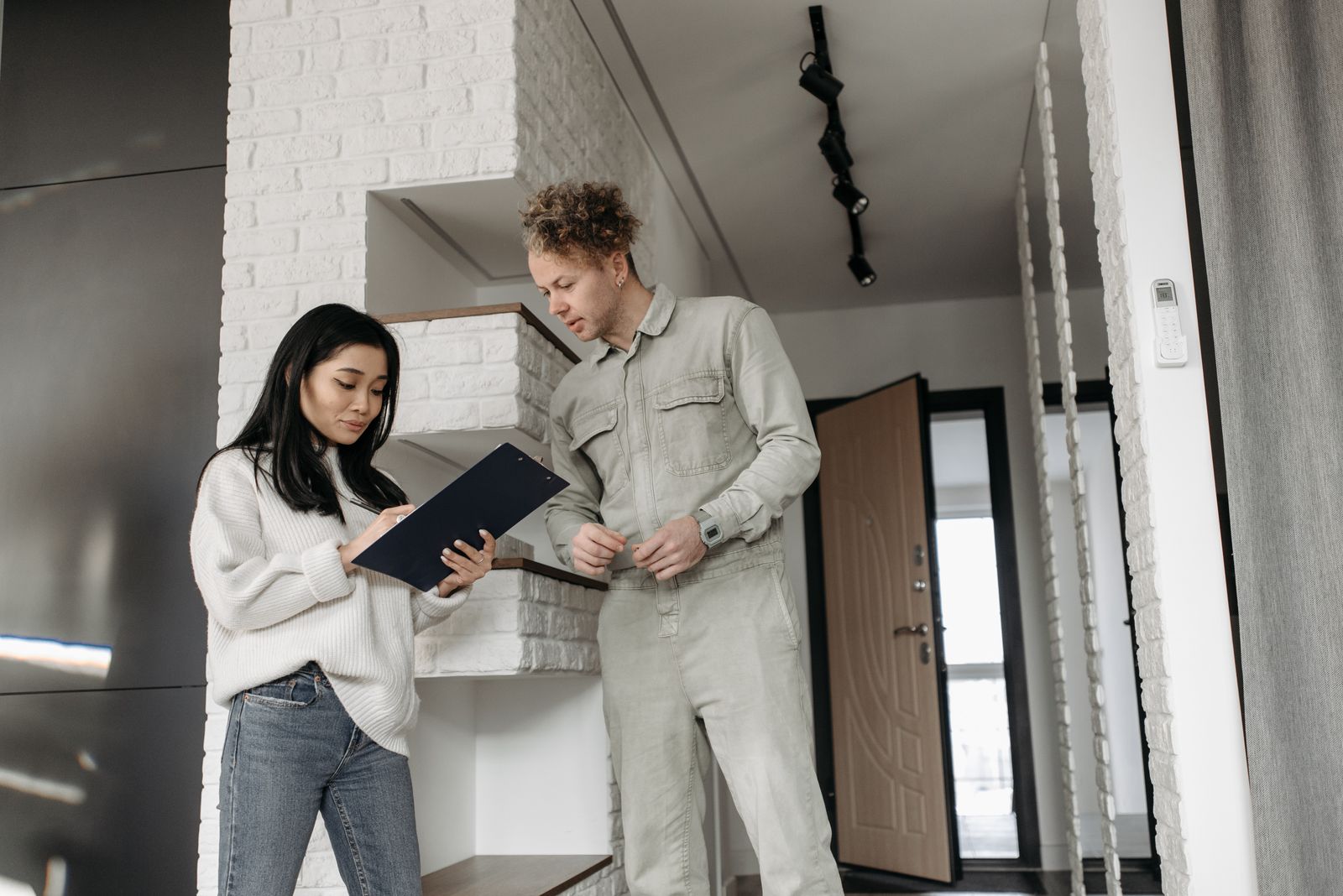
You've accepted an offer, survived the negotiations, packed approximately 47 boxes of things you forgot you owned, and made it through the final round of showings.

Now you're almost there.

Closing day is the point where everything you've been working toward as a seller comes together. The home changes hands, the transaction is completed, and eventually, you get to hand over the keys and move on to whatever comes next.

But closing day isn't simply, “Here are the keys. Have a nice life.”

There are several things sellers need to take care of before, during, and around closing day to make sure everything goes as smoothly as possible.

If you're selling a home in Winnipeg, here's what you should know before the big day arrives.

What Exactly Happens on Closing Day?

Closing day is when the legal and financial parts of the real estate transaction are completed.

Your lawyer handles the necessary legal paperwork, the buyer's lawyer handles their side of the transaction, and the funds are transferred according to the terms of the agreement.

Once everything is completed, ownership of the property is transferred to the buyer.

The exact process can vary depending on the transaction, but the important thing for sellers is that closing day is the final stage of a process that started when you decided to sell.

And while your lawyer handles a lot of the technical work, there are still plenty of things you need to do yourself.

Know Your Closing and Possession Dates

One of the first things to understand is that your closing date and possession date are not necessarily the same thing.

The agreement will outline the relevant dates and times, so don't rely on assumptions or what happened with a friend's house sale.

Your real estate agent and lawyer should help you understand exactly when the transaction is expected to close and when the buyer is entitled to take possession.

This matters because it affects everything from your moving schedule to when you need to have the property completely vacant.

You don't want to be standing in your driveway with a moving truck while the buyer is expecting possession and wondering why your couch is still in the living room.

Read the agreement, know the dates, and plan backward from there.

Your Home Needs to Be Ready for the Buyer

One of the biggest seller responsibilities is making sure the property is in the condition required by the agreement when the buyer takes possession.

That means the home should generally be clean, empty of your belongings, and ready to be handed over according to the terms of the transaction.

If you've agreed to leave certain items behind, make sure they're still there.

If something was specifically included in the sale, don't accidentally pack it into a box and send it halfway across Winnipeg.

This can include appliances, light fixtures, window coverings, garage remotes, or other items identified in the agreement.

When in doubt, check the agreement rather than guessing.

Don't Leave the House Until the Last Minute

Moving always takes longer than expected.

Always.

You might think you've got everything under control until you discover an entire basement storage room that somehow contains enough stuff to fill another apartment.

Give yourself plenty of time.

Your moving schedule should account for packing, loading, cleaning, garbage removal, and any last-minute issues.

If possession is scheduled for a particular time, work backward from that deadline.

Ideally, you don't want to be vacuuming the hallway while the buyer is pulling into the driveway.

Clean the Home Before You Leave

Your house doesn't need to look like a hotel, but leaving it reasonably clean is part of being a considerate seller.

Once your furniture and belongings are gone, give the property a final clean.

Pay attention to the kitchen, bathrooms, floors, appliances, and obvious areas that have collected dust behind furniture.

Don't forget the basement and garage.

If you've been living in the home while it was listed, there may be small things you stopped noticing because you see them every day.

A final walkthrough after the house is empty can help you catch them.

Do a Final Walkthrough Yourself

Before handing over the property, walk through every room.

Open closets.

Check cabinets.

Look in the basement.

Check the garage.

Look behind doors.

Check outdoor spaces.

Make sure nothing personal has been left behind.

This is also a good time to check for anything that could create an unnecessary problem.

Did you accidentally leave a bag of garbage in the garage?

Did you take the remote for the garage door?

Did you remove a light fixture that was supposed to stay?

Is there a set of keys sitting in a drawer that the buyer will need?

This final walkthrough can save you from a last-minute phone call.

Leave the Keys and Remotes

Think about everything the new owner will need to access the property.

House keys are the obvious one, but there may be several others.

Garage door remotes.

Mailbox keys.

Gate remotes.

Security system information, where appropriate.

Keys for sheds or exterior storage.

Building fobs if the property is part of a condo or managed community.

If you're not sure what should be handed over, ask your real estate agent.

It's much easier to organize these items before closing than to discover two weeks later that the only garage remote is sitting in a moving box in your new home.

Take a Final Meter Reading

Depending on the property and the arrangements involved, you may want to document utility meter readings around the time you leave.

Take photos of the relevant meters and keep the information for your records.

This can be especially helpful if there is any confusion later about utility usage or the timing of your move.

Your lawyer or utility providers can advise you on any specific requirements that apply to your property.

For Winnipeg homeowners, don't forget that winter conditions can create additional considerations.

If the property will be vacant before possession, make sure appropriate arrangements are in place for heating and other essential services.

You don't want a Manitoba winter making an already busy closing even more complicated.

Don't Cancel Utilities Too Early

This is an easy mistake to make.

You sell the house, call the utility companies, and think, “Well, that's one more thing off my list.”

But the timing matters.

The home may still require electricity, heat, water, or other services until the appropriate date.

Instead of automatically cancelling everything on the day you move out, confirm the correct timing with your lawyer, real estate agent, and utility providers.

This is especially important in Winnipeg during colder months.

A vacant house without proper heat is not something you want to discover after you've already driven across town with the last load of boxes.

Keep Important Documents With You

Closing day is not the time to lose important paperwork in a moving truck.

Keep your identification, legal documents, financial information, lawyer correspondence, and other important records somewhere secure and accessible.

Don't put them in a random box labelled “miscellaneous.”

You know the box.

The one that somehow contains a toaster, three phone chargers, a tax return from 2018, and absolutely nothing you actually need.

Keep important documents separate and easy to access.

Your lawyer will let you know what documents or information you need to provide for the transaction.

What About Your Mortgage?

If you have an existing mortgage on the property, your lawyer will generally coordinate the payout as part of the closing process.

However, don't assume that means you don't need to think about it.

There may be mortgage payout details, penalties, discharge requirements, or other financial considerations depending on your specific situation.

Your lawyer and mortgage professional can explain what applies to you.

If you're planning to purchase another property at the same time, there may be additional moving parts.

This is one reason it's important to communicate with your professionals early rather than waiting until closing day.

What Happens to Your Sale Proceeds?

Another common question sellers have is, “When do I actually get my money?”

The answer depends on the transaction and the process being handled by your legal and financial professionals.

The sale proceeds typically need to be accounted for against outstanding mortgage amounts, legal fees, commissions, adjustments, and other applicable costs before the remaining funds are released to you.

Your lawyer should provide a statement showing the relevant calculations.

If you're relying on your sale proceeds to fund your next purchase, make sure you understand the timing.

Don't build your entire moving plan around money arriving at a particular hour unless the professionals handling the transaction have confirmed that timing.

Don't Make Last-Minute Changes Without Asking

Once the sale is agreed upon, avoid making significant changes to the property without discussing them with your real estate agent or lawyer.

That includes removing fixtures, changing included appliances, making substantial alterations, or taking something that was part of the agreement.

Even if you believe something belongs to you, the agreement may say otherwise.

If you're unsure, ask.

A quick conversation is much easier than trying to resolve a dispute after closing.

What If Something Goes Wrong?

Even well-organized transactions can run into unexpected issues.

A document may need clarification.

Funds may take longer than expected.

A repair may not be completed exactly as planned.

The buyer may have a question.

Something may come up during the final stages of the transaction.

The worst thing you can do is panic and start making decisions without understanding what's happening.

Stay in communication with your lawyer and real estate agent.

They can help you understand what the issue is, what needs to happen next, and whether it actually affects your transaction.

Closing day can feel stressful because it represents the finish line, but you don't have to solve every problem yourself.

Don't Forget About the Emotional Side

There is also a part of closing day that doesn't show up on a checklist.

You might be excited.

You might be relieved.

You might be sad.

You might feel all three at the same time.

Selling a home is not just a financial transaction. It's often the place where you celebrated birthdays, raised kids, hosted friends, dealt with terrible DIY projects, and accumulated an impressive collection of things you probably didn't need.

So before you lock the door for the final time, take a minute.

Walk through the rooms.

Look around.

Take the last photo if you want one.

Then close the door and start the next chapter.

A Simple Closing Day Checklist for Sellers

As closing approaches, make sure you've:

Confirm your closing and possession dates.

Completed your move before the required possession time.

Removed personal belongings.

Cleaned the property.

Completed a final walkthrough.

Left all items included in the sale.

Gathered keys, remotes, and access devices for the buyer.

Documented utility meter readings where appropriate.

Arranged utilities according to the appropriate timing.

Keep important documents accessible.

Confirm any outstanding requirements with your lawyer.

Communicate with your real estate agent if anything unexpected comes up.

It sounds like a lot, but most of these tasks are simple when they're planned ahead of time.

Final Thoughts

Closing day is supposed to be the end of your home-selling journey, not the day you discover seventeen new problems.

The best way to make it easier is to plan ahead.

Know your dates. Understand your agreement. Give yourself enough time to move. Keep your documents organized. Leave the property in the condition required by the agreement. Make sure the buyer has the keys and access items they need. And stay in contact with the professionals helping you through the transaction.

If you're thinking about selling your home and wondering what you should be doing between accepting an offer and handing over the keys, you don't have to figure it out on your own. The right preparation depends on your property, your agreement, your timeline, and the details of your move.

Before closing day arrives, let's talk about what you can expect and how to prepare. Ty Mitchell can help you understand the selling process, stay organized through the final stages, and make sure you're prepared for the transition from homeowner to seller.

Thinking about selling your home in Winnipeg? Get in touch with Ty Mitchell today and let's talk about your next move.

Read

New property listed in Winnipeg

I have listed a new property at 386 Tyson Trail in Winnipeg. See details here

3K//Winnipeg/Offers As Received. No neighbours behind you! Welcome to Devonshire Park, this 2022 A&S Homes build offers 1,835 sq ft, a deep lot and a home loaded with builder upgrades: a bright open-concept main floor with a great room featuring an electric fireplace & built-in speakers, plus a kitchen with quartz counters, tiled backsplash, stainless appliances, pantry & tons of storage. A rare main floor bedroom/office + 3-pc bath makes it ideal for multi-generational living. Upstairs: a loft for play or work, 2nd-floor laundry, 2 more bedrooms & a primary retreat with tray ceiling, ensuite & walk-in closet. Downstairs: a self-contained 2-bed suite with its own bath & proven Airbnb income of up to $2,500/mo. Double attached garage. Clean, move-in ready & close to Costco, schools & amenities. (id:2493)

Read

Open House. Open House on Sunday, October 4, 2026 1:00PM - 3:00PM

Please visit our Open House at 386 Tyson Trail in Winnipeg. See details here

Open House on Sunday, October 4, 2026 1:00PM - 3:00PM

3K//Winnipeg/Offers As Received. No neighbours behind you! Welcome to Devonshire Park, this 2022 A&S Homes build offers 1,835 sq ft, a deep lot and a home loaded with builder upgrades: a bright open-concept main floor with a great room featuring an electric fireplace & built-in speakers, plus a kitchen with quartz counters, tiled backsplash, stainless appliances, pantry & tons of storage. A rare main floor bedroom/office + 3-pc bath makes it ideal for multi-generational living. Upstairs: a loft for play or work, 2nd-floor laundry, 2 more bedrooms & a primary retreat with tray ceiling, ensuite & walk-in closet. Downstairs: a self-contained 2-bed suite with its own bath & proven Airbnb income of up to $2,500/mo. Double attached garage. Clean, move-in ready & close to Costco, schools & amenities. (id:2493)

Read

How to Prepare for a Home Appraisal When Selling

Selling your home involves a lot of moving pieces. You have the listing, the photos, the showings, the offers, the negotiations, and eventually, the closing. Somewhere in that process, a home appraisal may also become part of the picture.

For many Winnipeg homeowners, the word “appraisal” can sound a little intimidating. You might start wondering whether your home will appraise for the price you expect, whether that unfinished basement will hurt the value, or whether the appraiser is going to notice every little thing you've been meaning to fix for the last five years.

The good news is that preparing for a home appraisal does not mean completely renovating your house or trying to make it look like something it isn't.

A little preparation can help make sure the appraiser has accurate information about your property and can properly assess the features, improvements, and conditions that contribute to its value.

What Is a Home Appraisal?

A home appraisal is an independent assessment of a property's value. Appraisers consider a number of factors when determining what a home may be worth, including its location, size, condition, features, improvements, and comparable properties.

If a buyer is obtaining financing, the lender may require an appraisal to confirm that the property provides sufficient value for the mortgage being requested.

This is important because the agreed-upon purchase price and the appraised value are not necessarily the same thing.

For example, you could accept an offer for $500,000, but if the property is appraised at a lower amount, the buyer's financing could potentially become more complicated.

That doesn't automatically mean the deal will fall apart. However, it is one reason sellers should understand how their property's value is being supported before accepting an offer.

Start With the Basics

Before the appraisal, take a walk through your home and look at it objectively.

You don't need to panic-clean every corner or spend thousands of dollars on improvements. Instead, make sure the property is accessible, reasonably clean, and in good working order.

Take care of obvious maintenance issues you've already been putting off.

That loose handrail? Fix it.

That dripping faucet? Take care of it.

That broken light fixture? Replace it.

That door that has been sticking for three years? This might finally be its moment.

Small repairs don't necessarily add dollar-for-dollar value to your home, but they can help demonstrate that the property has been maintained.

An appraiser is evaluating the overall property, so its condition is part of the bigger picture.

Make a List of Improvements

One of the most useful things you can prepare for a home appraisal is a simple list of improvements and upgrades you've completed.

Think about what you've done since you purchased the property.

Did you replace the roof?

Upgrade the windows?

Install a new furnace?

Renovate the kitchen?

Finish the basement?

Update the electrical system?

Add central air conditioning?

Improve the landscaping?

Replace the flooring?

Don't assume the appraiser will automatically know when everything was completed or how much you invested.

Put together a straightforward list that includes the improvement, approximate date, and cost if you have that information.

You don't need to create a giant binder filled with receipts unless specifically requested. A simple, organized summary can be helpful.

Keep invoices, permits, warranties, and other documentation available as well.

Don't Forget About Permits

This is particularly important when it comes to renovations that may have required permits.

If you've finished a basement, added a bathroom, completed structural work, or made significant electrical or plumbing changes, documentation can be useful.

If you have permits or other relevant records, keep them accessible.

This isn't about trying to convince an appraiser to give your house a higher value. It's about making sure they have accurate information when evaluating the property.

If you're unsure whether a particular renovation required a permit or whether your paperwork is complete, it's worth looking into before the appraisal rather than scrambling afterward.

Focus on Condition, Not Just Appearance

A home can look fantastic and still have underlying issues.

Likewise, a perfectly functional home doesn't need to look like it belongs in a design magazine to have value.

When preparing for a home appraisal, think beyond staging and decoration.

Are the major systems functioning properly?

Is the roof in reasonable condition?

Is the furnace maintained?

Are the windows functional?

Are there signs of water damage?

Does the basement show evidence of moisture?

Are there obvious structural or maintenance concerns?

These factors can be more meaningful to a property's overall assessment than whether your throw pillows are perfectly coordinated.

That said, basic cleaning and organization are still worthwhile. A clean, accessible home makes it easier for the appraiser to see the property clearly.

Make Every Area Accessible

An appraiser needs to inspect the property, so make sure they can access the important areas.

This includes the basement, mechanical room, garage, attic access if applicable, storage areas, and exterior spaces.

Move boxes or belongings that are blocking important areas.

If the furnace is tucked behind a pile of storage bins, move the bins.

If the electrical panel is hidden behind shelving, make sure it can be accessed.

If the garage is packed so tightly that nobody can see what is actually there, create some space.

You don't need to empty your house. You just want the appraiser to be able to properly inspect the property.

Consider Your Winnipeg Location

Location is one of the factors that contributes to a home's value, and that's something you obviously cannot change before an appraisal.

However, it is useful to understand how your location compares with similar properties.

A home in River Heights is competing with different properties than a home in Bridgwater, Transcona, Charleswood, St. Vital, or another Winnipeg community.

Even within the same neighbourhood, properties can vary significantly based on lot size, age, condition, layout, renovations, and surrounding amenities.

This is one reason comparable properties are important when discussing value.

A home's value isn't determined simply by how much the seller spent on renovations or what the neighbour sold their house for last year.

The overall market and comparable properties matter.

Give Your Realtor the Information They Need

If you're selling your Winnipeg home, your real estate agent can be an important resource when preparing for an appraisal.

Before the appraisal, make sure your agent knows about significant improvements, upgrades, features, and details that may be relevant to the property.

Your agent can also help you understand comparable sales and the factors that may have influenced your home's listing price and eventual sale price.

This is where having a realistic pricing strategy matters.

If a home is priced based on comparable properties, current market conditions, and its actual features, there is generally a stronger foundation behind the asking price.

If the price is based primarily on emotion or how much the homeowner would like to make, an appraisal can sometimes expose that gap.

And yes, that conversation can be uncomfortable.

But understanding the numbers before you list is much easier than discovering a valuation issue after you've already accepted an offer.

Don't Start Renovating Just Because You Have an Appraisal

One of the biggest mistakes sellers can make is assuming they need to spend a lot of money before an appraisal.

You probably don't need a brand-new kitchen.

You probably don't need to renovate the entire bathroom.

And you definitely shouldn't start a major renovation simply because you're worried an appraiser might not like your countertops.

Major improvements should be considered based on your overall selling strategy, not just one appraisal.

If you've already accepted an offer, spending thousands of dollars on a renovation may not make financial sense.

Instead, focus on completing reasonable maintenance, correcting obvious issues, documenting improvements, and making sure the property can be properly evaluated.

What If the Appraisal Comes in Lower Than the Sale Price?

This is the situation most sellers worry about.

If the appraisal comes in below the agreed purchase price, the next steps depend on the circumstances of the transaction and the buyer's financing.

There may be opportunities to review the appraisal, provide additional information, renegotiate terms, or explore other solutions.

The important thing is not to immediately assume the deal is dead.

Your real estate agent can help you understand the situation and communicate with the other parties involved.

This is also why preparation matters.

The goal isn't to “game” the appraisal. It's to make sure the appraiser has accurate information and can see the property as clearly as possible.

The Goal Is an Accurate Picture of Your Home

Preparing for a home appraisal isn't about trying to manipulate the value of your property.

It's about making sure the property is presented accurately and that relevant information isn't overlooked.

Take care of obvious maintenance issues.

Document meaningful improvements.

Make important areas accessible.

Keep permits and records available.

Understand your comparable properties.

And talk with your real estate agent about how your home's price was determined.

You don't need to turn your Winnipeg home into a luxury showroom before someone walks through the door.

You just want the property to tell the right story.

Because when the appraisal happens, the goal is simple. You want the appraiser to have the information and access they need to form an accurate opinion of your home's value.

Final Thoughts

A home appraisal is one more piece of the selling process, and preparation can make the experience feel much less stressful.

The best place to start is not with a giant renovation checklist. Start with information.

Know your home's condition. Know what you've improved. Know what documentation you have. Understand the comparable properties in your area. And have a conversation with your real estate agent before you make major decisions.

Every Winnipeg home is different, and what makes sense for one property may not make sense for another.

If you're thinking about selling your home and wondering how an appraisal could affect your sale, you don't have to figure it out on your own. The right preparation depends on your home's condition, your improvements, your expected sale price, and the current Winnipeg market.

Before you spend money on renovations or start worrying about what an appraiser might find, let's talk about what could actually make a difference. Ty Mitchell can help you understand your home's position in the market, review the factors that may influence its value, and create a practical plan for preparing your property for sale.

Thinking about selling your home in Winnipeg? Get in touch with Ty Mitchell today and let's talk about your next move.

Read

Open House. Open House on Saturday, October 3, 2026 12:00PM - 2:00PM

Please visit our Open House at 26 Beaupre Bay in Winnipeg. See details here

Open House on Saturday, October 3, 2026 12:00PM - 2:00PM

2J//Winnipeg/Offers As Received - Don't sleep on it! Welcome to 26 Beaupre Bay - a beautifully updated bungalow tucked into the heart of Island Lakes, where easy one-level living meets a backyard that feels like a private retreat. Inside, great updates throughout! Natural light pours through a bright, functional layout Main living area is open concept, kitchen/ dining area flow nicely. Ample cupboard space and practical penninsula island. The home offers three bedrooms, including a primary suite with the convenience of its own private powder room. The fully finished basement adds valuable extra living space, a home office, and cozy rec room. Step outside and discover your own backyard oasis: a pergola-covered deck perfect for morning coffee or evening entertaining, a pool for summer fun, and thoughtfully designed low-maintenance landscaping. A welcoming front drive approach completes the picture, adding curb appeal and everyday convenience. Whether you're downsizing without compromise or searching for the perfect family home, this one checks every box: bright, updated, move-in ready, and built for the way you actually want to live. Don't miss it! (id:2493)

Read

Open House. Open House on Sunday, October 4, 2026 12:00PM - 2:00PM

Please visit our Open House at 3 Bramblewood Court in Winnipeg. See details here

Open House on Sunday, October 4, 2026 12:00PM - 2:00PM

1R//Winnipeg/OPEN HOUSE - Sat. 9/26 2-4PM. Offers Anytime! Welcome to a home that feels like a retreat while keeping everyday life wonderfully convenient. Set in the sought-after Bridgwater Trails, this beautifully landscaped 2,130 sq. ft. two-storey is surrounded by walking and biking paths, parks and the inviting Fountains of Bridgwater with shops and daily conveniences just minutes away. Inside, soaring 18-foot ceilings create a breathtaking great room, anchored by an upgraded fireplace and entertainment wall. Sunlight fills the open dining area and stylish kitchen, complete with upgraded stainless-steel appliances, generous cabinetry and a walk-in pantry. Upstairs, the serene primary suite offers a luxurious five-piece ensuite, walk-in closet and a rare private deck with a peaceful glimpse toward the pond. The fully fenced backyard is a true showpiece, with spectacular landscaping, a deck and patio designed for effortless entertaining. Downstairs, the bright, immaculate finished basement adds a spacious recreation room, bar and bedroom. Double Attached garage adds to the package. Modern layout, thoughtfully designed and well located this is an opportunity to live the Bridgwater lifestyle. (id:2493)

Read

Open House. Open House on Sunday, October 4, 2026 2:30PM - 4:00PM

Please visit our Open House at 847 Weatherdon Avenue in Winnipeg. See details here

Open House on Sunday, October 4, 2026 2:30PM - 4:00PM

1B//Winnipeg/Great value and endless potential! Priced to sell - this lovely duplex in a prime Crescentwood location (built 2019) an ideal opportunity for investors and savvy house-hackers. The main unit is two levels with an open-concept main floor (2-piece bath, kitchen, living and dining) that flows to your back deck. Upstairs offers 3 bedrooms, 2 full baths (including ensuite), upper-level laundry (full size), and a massive primary with full walk-in closet. The lower level is selfcontained, featuring 2 beds, a full bath and a spacious living area perfect for tenants, Airbnb, extended family or owner-use; separate access from the main floor plus a side entrance. Both units showcase custom cabinetry, quartz counters, tiled baths with glass doors, separate panels, meters, utilities and in-unit laundry. Extras: AC, EV charging and parking for multiple vehicles. Located steps from bus routes, top schools, parks and shopping Grant Park Mall, Pan Am Pool, community gardens and other local amenities,. Upper unit is vacant, move in ASAP. Lower suite currently month-to-month. Live in one, rent the other exceptional cash-flow potential in a highly sought-after neighborhood. (id:2493)

Read

What Makes a Home Attractive to Multiple Types of Buyers?

One of the best things a seller can hope for is a home that appeals to more than one type of buyer.

Why?

Because the more people who can picture themselves living in your home, the more opportunities you may have to attract serious interest.

A young professional might love the location and low-maintenance layout. A growing family might see the extra bedroom and backyard as the perfect fit. A downsizer might appreciate the manageable floor plan. An investor might notice the rental potential.

They're all looking at the same house.

They're just looking at it through different lenses.

So, what makes a home attractive to multiple types of buyers?

The answer usually isn't one spectacular feature. It's a combination of location, functionality, condition, flexibility, and the little details that make a home feel easy to live in.

If you're selling a home in Winnipeg, understanding what different buyers value can help you think more strategically about how you prepare and present your property.

Start With a Home That Works

Before we get into specific features, there's one thing almost every buyer wants.

A home that works.

The layout makes sense. The rooms are functional. The major systems are in reasonable condition. There aren't obvious maintenance problems everywhere you look.

It sounds simple, but functionality is one of the biggest factors affecting how buyers experience a home.

A beautiful kitchen won't make up for a strange layout that doesn't work for everyday life.

A large backyard isn't as appealing if the rest of the property requires constant repairs.

And a finished basement isn't particularly useful if it's dark, damp, or difficult to access.

The most versatile homes tend to combine attractive features with practicality.

That's something buyers across different stages of life can appreciate.

Location Is Still a Major Factor

You can change paint.

You can replace flooring.

You can renovate a kitchen.

You can't move the house.

Location is one of the few things buyers know they can't change after purchasing, which makes it particularly important.

Different buyers may value different aspects of a Winnipeg location, but convenience tends to have broad appeal.

Easy access to major roads, schools, parks, shopping, restaurants, public transportation, recreation, and other everyday amenities can make a property more attractive to a wider audience.

A young professional may appreciate a shorter commute.

A family may care about nearby schools and parks.

A retiree may value convenient shopping and services.

An investor may consider the property's rental appeal and long-term location factors.

One location can offer something different to each buyer.

Flexible Spaces Are a Big Plus

A room that can only be used for one specific purpose may appeal to a smaller group of buyers.

A flexible room can tell a different story.

That extra bedroom could be a nursery, home office, guest room, hobby space, or workout room.

A finished basement could become a family room, media area, home office, playroom, or potential secondary living space depending on the property and local requirements.

Flexibility gives buyers room to imagine.

And that's important.

When buyers walk through a home, they're not just asking, “Do I like this?”

They're also asking, “Could this work for my life?”

The more possible answers you can give them, the broader the potential appeal.

The Kitchen Doesn't Have to Be Luxury

It's easy to assume that attracting buyers requires a high-end kitchen.

Not necessarily.

What most buyers want first is a kitchen that is functional, clean, and pleasant to use.

Good storage matters.

A practical layout matters.

Adequate counter space matters.

Natural or quality lighting matters.

Modern appliances can be appealing, but you don't necessarily need the most expensive appliances available.

If you're preparing a home for sale, focus on making the kitchen feel functional and well-maintained rather than trying to create a showroom.

A buyer who loves cooking may notice the layout.

A busy family may notice the storage.

A professional may appreciate a clean, efficient space.

Different buyers can appreciate the same kitchen for completely different reasons.

Bedrooms That Give Buyers Options

Bedrooms are another feature that can appeal to several types of buyers.

A three-bedroom home, for example, isn't only for families.

One buyer may use all three bedrooms for children.

Another may use one as a guest room and one as a home office.

Someone else may want a dedicated hobby or workout space.

This is why presentation matters.

If you're selling a home, don't necessarily stage every room in a way that tells buyers exactly how they have to use it.

Sometimes showing possibilities is more effective.

A spare bedroom can be presented as an office without making it impossible for a buyer to imagine it as a bedroom.

The idea is to communicate flexibility.

A Home Office Has Become a Valuable Feature

A dedicated workspace can appeal to a surprisingly broad range of buyers.

Remote workers may need a quiet place for meetings.

Entrepreneurs may want a home-based workspace.

Students may need somewhere to study.

Parents may appreciate having a place where paperwork and household tasks can be handled without taking over the kitchen table.

Even buyers who work outside the home may value having a separate office.

If your home has a room that works well as an office, make sure buyers can see the possibility.

You don't need an expensive built-in office.

A desk, chair, good lighting, and a clean presentation can be enough to demonstrate how the space could work.

Outdoor Space Can Attract Different Buyers for Different Reasons

A backyard doesn't have to be enormous to be appealing.

Families may see a place for kids to play.

Pet owners may appreciate outdoor space.

Entertainers may imagine summer gatherings.

Gardeners may notice the potential for landscaping.

Other buyers may simply want somewhere to enjoy a morning coffee.

Outdoor space is one of those features that can tell multiple stories.

The key is presentation.

A messy yard can make a good outdoor space feel like work.

Basic landscaping, clean patios or decks, trimmed grass, and an uncluttered exterior can make the property feel more inviting.

And in Winnipeg, seasonal presentation matters too.

You want buyers to understand the potential of the outdoor space regardless of when they're viewing the property.

Storage Is One of Those Features Buyers Notice

Storage isn't glamorous.

Nobody usually walks into a home and says, “Wow, incredible closet space!”

But give buyers too little storage and they notice very quickly.

Closets, kitchen cabinets, bathroom storage, garage space, basement storage, and practical built-ins can all make a home feel easier to live in.

This is especially important for families and buyers who have accumulated years of belongings.

If you're preparing your home for sale, don't underestimate the value of showing storage properly.

Declutter closets.

Remove unnecessary items.

Organize the garage.

Avoid stuffing every available cabinet full.

You want buyers to see the storage capacity, not wonder where they're going to put their belongings.

Low-Maintenance Features Have Broad Appeal

Not everyone wants a home that requires a long weekend every month just to keep it running.

Low-maintenance features can appeal to many different buyers.

That might mean durable flooring, easy-care landscaping, updated mechanical systems, quality windows, or a well-maintained exterior.

Families may appreciate having fewer maintenance headaches.

Professionals may value convenience.

Downsizers may prefer a property that doesn't require extensive upkeep.

Investors may consider maintenance when evaluating the property's overall appeal.

The common theme is simple.

People like homes that make life easier.

Natural Light Can Change Everything

You don't need a luxury renovation to make a home feel appealing.

Sometimes, you just need to let the light in.

Natural light can make rooms feel brighter, more open, and more inviting.

Before listing, open blinds and curtains. Clean windows. Remove furniture that blocks natural light.

Turn on lights during showings when appropriate.

A dark room can feel smaller and less inviting, even when the actual room size is perfectly good.

This is one of those relatively inexpensive presentation improvements that can benefit almost every type of buyer.

Curb Appeal Creates the First Impression

Buyers don't start their experience when they walk through the front door.

They start on the street.

The exterior is the first thing they see in listing photos, and it's often the first thing they see when arriving for a showing.

That means the front entrance, landscaping, siding, driveway, porch, and overall exterior condition all contribute to the first impression.

You don't need to spend a fortune.

Keep the entrance clean.

Trim overgrown landscaping.

Remove unnecessary clutter.

Make sure the front door looks cared for.

Keep walkways clear.

Small improvements can make a home feel more welcoming before the buyer even steps inside.

Don't Over-Personalize the Property

Your home should have personality, but when you're trying to attract multiple types of buyers, too much personalization can make it harder for people to imagine themselves living there.

Very bold paint colours, highly specific décor, oversized furniture, or rooms filled with personal belongings can distract buyers.

This doesn't mean your home needs to be boring.

It means you want to leave some room for imagination.

Think clean, comfortable, and approachable.

The buyer should be able to notice the home's features without having to mentally remove everything you've put into it.

Think About What Different Buyers Have in Common

This is perhaps the most important point.

Families, professionals, downsizers, first-time buyers, and investors may have very different priorities.

But they also have plenty in common.

They want a home that feels cared for.

They want reasonable functionality.

They want a location that works for their lifestyle.

They want to understand what they're buying.

They want to feel comfortable with the condition.

And they want the price to make sense compared with their alternatives.

You don't need to make your home appeal to absolutely everyone.

That's impossible.

Instead, focus on the features that have broad appeal while allowing buyers to imagine how the home could fit their individual needs.

Don't Renovate for Every Possible Buyer

If you're getting ready to sell, it can be tempting to start making changes based on every buyer you can imagine.

Don't.

A family might want a huge backyard.

A downsizer might prefer no stairs.

A professional might want an office.

An investor might care about rental potential.

You cannot redesign one home around every possible buyer.

Instead, make the property clean, functional, well-maintained, and easy to understand.

Then let buyers determine how it fits their needs.

This can be much more effective than spending money trying to predict everyone's preferences.

The Most Attractive Homes Make Buyers Think, “I Could Live Here”

At the end of the day, that's the goal.

Not, “This house is perfect.”

Not, “I love every single finish.”

But simply:

“I could see myself living here.”

That thought can come from different things for different people.

For one buyer, it's the backyard.

For another, it's the home office.

For someone else, it's the location.

For another, it's the finished basement or the amount of storage.

The strongest homes often give buyers enough flexibility to create their own story.

If you're selling a home in Winnipeg, focus on making that story easy to imagine.

Thinking About Selling Your Winnipeg Home?

If you're preparing to sell and wondering which features buyers are likely to value, it helps to look at your home from the market's perspective rather than simply through your own eyes.

You don't need to renovate everything or turn your property into something it isn't. The goal is to understand what makes your home appealing, where it may have an advantage over competing properties, and which improvements, if any, are worth considering before listing.

If you're thinking about selling your Winnipeg home and want to talk through your property's potential, get in touch with Ty Mitchell and let's talk about your next move.

Read

New property listed in Winnipeg

I have listed a new property at 26 Beaupre Bay in Winnipeg. See details here

2J//Winnipeg/S/S Sept 30. Offers As Received - Don't sleep on it! Welcome to 26 Beaupre Bay - a beautifully updated bungalow tucked into the heart of Island Lakes, where easy one-level living meets a backyard that feels like a private retreat. Inside, great updates throughout! Natural light pours through a bright, functional layout Main living area is open concept, kitchen/ dining area flow nicely. Ample cupboard space and practical penninsula island. The home offers three bedrooms, including a primary suite with the convenience of its own private powder room. The fully finished basement adds valuable extra living space, a home office, and cozy rec room. Step outside and discover your own backyard oasis: a pergola-covered deck perfect for morning coffee or evening entertaining, a pool for summer fun, and thoughtfully designed low-maintenance landscaping. A welcoming front drive approach completes the picture, adding curb appeal and everyday convenience. Whether you're downsizing without compromise or searching for the perfect family home, this one checks every box: bright, updated, move-in ready, and built for the way you actually want to live. Don't miss it! (id:2493)

Read
The trademarks REALTOR®, REALTORS®, and the REALTOR® logo are controlled by The Canadian Real Estate Association (CREA) and identify real estate professionals who are member’s of CREA. The trademarks MLS®, Multiple Listing Service® and the associated logos are owned by CREA and identify the quality of services provided by real estate professionals who are members of CREA. Used under license.