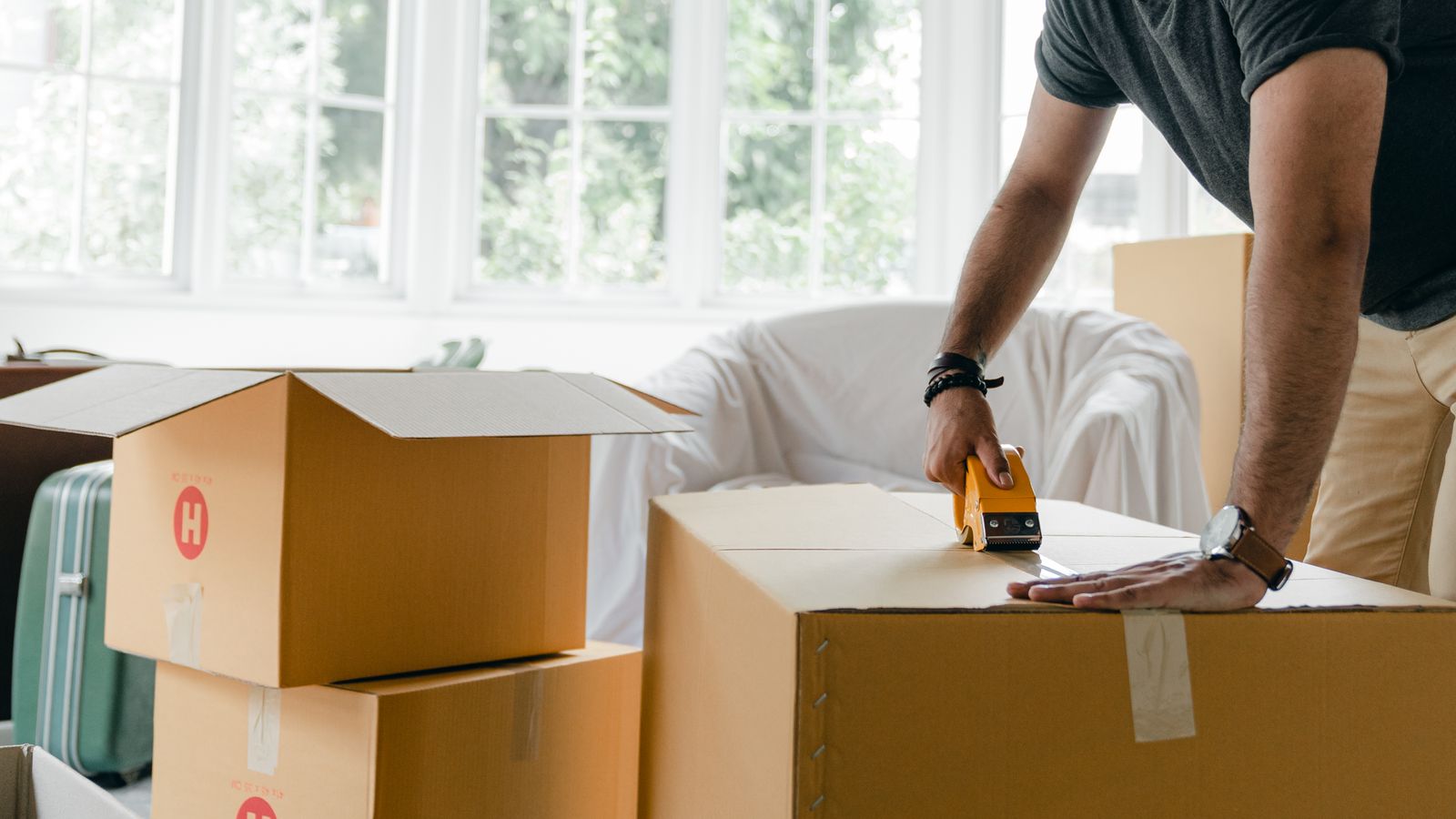
Moving into a new home is exciting. There's the anticipation of a different space, new routines, and the chance to make fresh memories. But while you're busy planning where the couch will go and deciding which boxes to unpack first, there's one important thing you shouldn't overlook: your old home.
Whether you're selling your property, keeping it as a rental, or handing it over to a new owner, what you do before leaving can make a big difference. There may be repairs to address, belongings to sort through, documents to organize, and a few final responsibilities to take care of.
If you're preparing for a move in Winnipeg, it's worth giving your old home a little attention before you close the door for the last time. A good plan can help you avoid last-minute stress, protect your investment, and make the transition to your next home much smoother.
Here's what to consider before moving on.
1. Decide What You Want to Do With Your Old Home
Before you start packing everything away, determine what will happen to your current property. Your next steps will depend on whether you're selling it, renting it out, or keeping it for another purpose.
If you're selling, your focus will likely be on preparing the property for buyers, reviewing its market value, and getting everything ready for possession. If you're planning to rent it out, you'll need to consider tenant arrangements, property maintenance, and the responsibilities that come with being a landlord.
Some homeowners may choose to keep their property while moving into another home. That decision can involve additional financial and practical considerations, especially if you'll be managing two properties at once.
Think about your long-term plans, finances, and how much time you're willing to spend maintaining the old home. If you're unsure which direction makes the most sense, speaking with a real estate professional can help you understand your options.
Getting clear on your plan early will make the rest of the moving process easier to organize.
2. Find Out What Your Home Could Be Worth
If selling is part of your plan, understanding your property's potential market value is an important starting point.
You may have a number in mind based on what you originally paid, how much you've spent on improvements, or what similar homes appear to be listed for online. However, the asking prices you see don't necessarily reflect what properties are actually selling for.
A home's value can be influenced by several factors, including its location, size, condition, layout, features, and current market conditions. Even two similar properties in the same Winnipeg neighbourhood can attract different levels of interest.
A comparative market analysis from a real estate professional can help you understand how your home compares with similar properties and what buyers may be willing to pay.
This information is useful even if you're still deciding whether to sell. It gives you a clearer picture of your potential equity and can help you plan financially for your next move.
Rather than guessing, get an informed perspective before making decisions about your asking price or moving budget.
3. Declutter Before You Start Packing
Moving is the perfect opportunity to take a closer look at everything you've accumulated over the years.
Before putting belongings into boxes, go through each room and decide what should come with you, what can be donated, what can be sold, and what needs to be discarded.
Start with the areas that tend to collect the most clutter. Basements, garages, storage rooms, closets, and spare bedrooms are often filled with items that haven't been used in years. Be realistic about what you actually need in your next home.
If you're selling your property, decluttering has another advantage. It can make rooms feel more open and help buyers understand how the space can be used. You don't need to remove every personal item, but clearing crowded surfaces and excess furniture can make a noticeable difference.
Try not to leave all the sorting until moving week. Work through one room at a time, and give yourself enough time to arrange donations, garage sales, or disposal.
The less you move unnecessarily, the easier and potentially less expensive your relocation can become.
4. Take Care of Necessary Repairs and Maintenance
Before leaving your old home, take a closer look at its overall condition.
Are there dripping faucets, damaged door handles, loose fixtures, or areas that need attention? Have you noticed a window that doesn't close properly or an appliance that isn't working as expected?
Small maintenance issues can be easy to ignore when you're busy, but they shouldn't be forgotten during a move.
If you're selling, review your sale agreement and any applicable disclosure obligations. Be clear about what has been agreed upon with the buyer and address any concerns appropriately. Avoid making assumptions about which repairs are required or whether an issue can simply be left behind.
Not every property needs a major renovation before selling. In many cases, focusing on reasonable repairs and general upkeep is more practical than spending heavily on improvements that may not provide a worthwhile return.
If you're keeping the home as a rental or for future use, consider its ongoing maintenance needs. Addressing problems before the property becomes vacant can make it easier to manage later.
For electrical, plumbing, structural, or other specialized concerns, consult qualified professionals. A little attention now can help prevent bigger problems down the road.
5. Decide Whether to Sell Any Furniture or Appliances
Moving is a good time to decide which household items are worth bringing to your next property.
Your current furniture may not fit the layout or style of your new home. That oversized sectional might have been perfect for your old living room, but it could overwhelm a smaller space. Perhaps your next home already has appliances, or you're planning to upgrade certain pieces.
Consider selling furniture, appliances, or other belongings you no longer need. Online marketplaces, local resale groups, and garage sales can be useful ways to find new owners for items that are still in good condition.
However, if you're selling your home, be careful about removing anything that is included in the sale agreement. Fixtures, appliances, and other items may be part of the negotiated terms. Confirm what is supposed to remain before taking anything out.
If you have belongings that aren't worth selling, donating or responsibly disposing of them may be the easier option.
Making these decisions early can reduce moving costs and help you avoid filling your new home with items that no longer serve a purpose.
6. Prepare Your Home for Potential Buyers
If your old home is going on the market, think about the experience buyers will have when they walk through it.
Start with the basics. Clean the floors, wipe down surfaces, remove unnecessary clutter, and make sure the kitchen and bathrooms are presentable. Pay attention to the entrance, since it's often the first area buyers see.
You may also want to rearrange furniture to improve the flow of each room. A clear walkway and thoughtfully arranged furniture can help buyers understand the property's layout.
Don't overlook lighting. Open curtains and blinds where appropriate, replace burnt-out bulbs, and make sure rooms feel comfortable and welcoming.
In Winnipeg, seasonal conditions can also affect how your property looks during showings. Keep walkways accessible, clear snow when needed, and maintain the yard as weather permits.
You don't necessarily need to spend a fortune staging your home. The goal is to present it clearly and help buyers picture themselves living there.
A real estate professional can help you identify which preparations are worth prioritizing based on your property and the market.
7. Organize Important Documents and Property Information
Before moving out, gather the documents and information associated with your old home.
These may include purchase documents, renovation receipts, warranties, appliance manuals, service records, and information about major home systems. If you're selling, some of these details may be useful during the transaction or for the new owners, depending on what has been agreed upon.
If you've completed improvements over the years, keep records of the work and any available permits or warranties. These documents can help you answer questions about the property's history and may be useful for your own records after the sale.
It's also a good idea to organize information about the furnace, hot water tank, electrical panel, and other important systems. If the property has smart home devices or security equipment, review any instructions for transferring or resetting access.
Keep important paperwork somewhere safe and accessible rather than packing it into an unmarked box. You may need certain documents even after you've moved.
A little organization now can save you from searching through dozens of boxes later.
8. Arrange Utilities, Services, and Address Changes
Moving out involves more than transferring your furniture. You'll also need to make sure your household services and accounts are handled correctly.
Contact your utility providers to arrange the appropriate account changes around your moving and possession dates. Depending on your circumstances, this may involve electricity, natural gas, water, internet, and other services.
If you're selling, coordinate the timing with your possession arrangements and follow the instructions provided by your real estate or closing professionals. Avoid cancelling services too early if they need to remain active until the agreed handover.
You'll also want to update your mailing address with banks, insurance providers, government agencies, employers, and subscription services. Mail forwarding can help catch anything you forget to update.
If you have recurring deliveries, online shopping accounts, or services connected to your old address, remember to update those as well.
For homeowners keeping their old property, the arrangements may be different. Make sure you understand which services need to remain active and how the property will be monitored or maintained while you're away.
9. Make a Plan for Cleaning and the Final Walkthrough
Once your belongings are out, your old home will probably look different. Empty rooms can reveal dust, marks, and forgotten items that were hidden behind furniture.
Plan time for a final clean before leaving. Sweep or vacuum floors, wipe down counters, clean bathroom surfaces, empty cupboards, and remove garbage. Check the refrigerator and freezer if those appliances are staying behind.
Don't forget less obvious spaces. Look inside closets, storage areas, the garage, basement, and outdoor shed. It's surprisingly easy to leave behind a box or personal item when you're focused on getting the moving truck loaded.
If you're selling, review the expectations in your agreement and coordinate the final handover with your real estate professional. The property should be left in the condition required by the terms of the transaction.
Before handing over the keys, walk through the entire home one last time. Check that agreed-upon items remain, windows and doors are secured, and personal belongings have been removed.
This final walkthrough is your opportunity to catch anything that might otherwise be forgotten.
10. If You're Keeping the Property, Prepare It for Being Vacant
Not everyone sells their old home when moving. If you're keeping the property, make sure it can be safely and appropriately managed while you're living elsewhere.
Start by deciding who will check on the home. If you won't be nearby, arrange for a trusted person or suitable property management service to monitor it.
Review your insurance arrangements and speak with your provider about any requirements related to an unoccupied property. Coverage conditions can vary, so don't assume your existing policy automatically provides the protection you need.
Think about seasonal maintenance, too. In Winnipeg, winter can bring additional responsibilities involving heating, snow removal, and protecting the property from freezing temperatures. Ask qualified professionals for guidance on the appropriate steps for your home's systems.
If you intend to rent the property, research the responsibilities involved in becoming a landlord before advertising it. Consider tenant screening, maintenance arrangements, insurance, and the applicable legal requirements.
Keeping a property can be a worthwhile option in some circumstances, but it needs a realistic plan. Make sure you understand the time, costs, and responsibilities involved before committing.
11. Leave the Home Ready for Its Next Chapter
Whether your old home is being sold, rented, or kept for future use, think about the people who may use it after you leave.
If you're handing it over to new owners, gather all agreed-upon keys, garage remotes, access cards, and relevant instructions. If the property has smart locks or connected devices, follow the appropriate process for transferring access or removing your personal accounts.
Leave behind any items that are part of the sale agreement, and make sure personal belongings have been removed. If you've agreed to provide manuals or service information, keep them organized in one accessible place.
If you're keeping the home, make sure anyone responsible for checking on it knows where important systems and shut-off points are located.
Taking care of these final details helps make the transition smoother and gives you peace of mind once you're focused on your new home.
Make Your Move Easier With a Plan
Moving doesn't have to mean leaving your old home behind in a rush. With some preparation, you can organize the property, handle important responsibilities, and make the transition much easier.
Start by deciding what you want to do with the home. Then work through decluttering, maintenance, documents, utilities, cleaning, and the final walkthrough. If you're selling, getting professional guidance early can also help you understand how to prepare the property and what to expect throughout the process.
Your old home may be part of your past, but how you handle the next steps can make a real difference to your future plans.
Getting ready to sell your Winnipeg home before moving?
Whether you're preparing to list, exploring your property's market value, or coordinating the sale with your next purchase, Ty Mitchell can help you understand your options and plan your next steps. Visit TySellsWPG.com to connect with Ty and make your next move with greater confidence.

