
RSS

How to Respond When Buyers Ask for a Price Reduction

You finally receive an offer on your Winnipeg home.

Exciting, right?

Until you look at the number and realize the buyer wants to pay less than the asking price.

Maybe they simply submitted a lower offer. Maybe they've asked for a price reduction after the inspection. Maybe they've pointed out several repairs and are asking you to adjust the price before moving forward.

Your first reaction might be, “Absolutely not.”

That's understandable.

You chose your asking price for a reason. You've spent time preparing the house, paid for repairs or improvements, and probably have a number in your head that you need to make the move work.

But when a buyer asks for a price reduction, the best response isn't always an immediate yes or no.

It's to understand why they're asking, whether the request is reasonable, and what it means for the overall deal.

If you're negotiating home prices in Winnipeg, here's how to approach the conversation without letting emotions take over.

First, Don't Take It Personally

This is easier said than done.

You've probably spent years maintaining your home. You know the improvements you've made, the memories you've created, and the work you've put into the property.

Then a buyer comes along and says, essentially, “We don't think it's worth that much.”

Ouch.

But try not to take it personally.

The buyer isn't necessarily saying your home isn't good enough. They're making a financial decision based on their budget, the current market, comparable properties, and what they believe the home is worth to them.

Their offer is information.

It may not be the information you wanted, but it's still useful.

Instead of immediately getting frustrated, ask what is behind the request.

Why Is the Buyer Asking for a Lower Price?

Not all price reduction requests are the same.

A buyer may ask for a lower price because they believe the home is overpriced compared with similar properties.

They may have found another home they prefer at a lower price.

They may have discovered unexpected issues during an inspection.

They may be concerned about an older roof, furnace, windows, plumbing, electrical work, or other major components.

Or they may simply be negotiating because they believe there is room to negotiate.

That last one happens too.

A buyer making a lower offer doesn't automatically mean your asking price is wrong.

The reason behind the request matters.

Look at the Numbers Before Responding

When a buyer wants a price reduction, emotions can make it tempting to respond immediately.

Try not to.

Start with the facts.

Look at recent comparable sales and current competing listings. Consider how long your property has been on the market. Review the original pricing strategy and the activity you've received since listing.

Have there been plenty of showings?

Have buyers consistently commented on the price?

Has there been little interest?

Did the buyer make the request after an inspection?

The answers can help put the request into context.

A buyer asking for $10,000 off a home that has received multiple competing offers is a very different situation from a buyer asking for $10,000 off a property that has been sitting for several months with little activity.

Context matters.

Is the Request Based on Something Specific?

One of the most important questions to ask is whether the buyer has identified a specific reason for the reduction.

If they're simply saying, “We want a lower price,” that's one conversation.

If they're saying, “The inspection identified a roofing issue that we estimate will cost $12,000 to address,” that's another.

Specific requests can be evaluated.

Vague requests are harder to assess.

If the buyer has provided an inspection report, contractor estimate, or other documentation, review it carefully rather than reacting to the headline number.

A buyer may ask for $15,000 because they believe a repair will cost $15,000.

That doesn't necessarily mean the repair actually costs $15,000.

You need to understand the issue before deciding how to respond.

Price Reduction After a Home Inspection

This is one of the most common situations where sellers can feel caught off guard.

You've already negotiated the purchase price. You thought the hard part was finished.

Then the inspection happens.

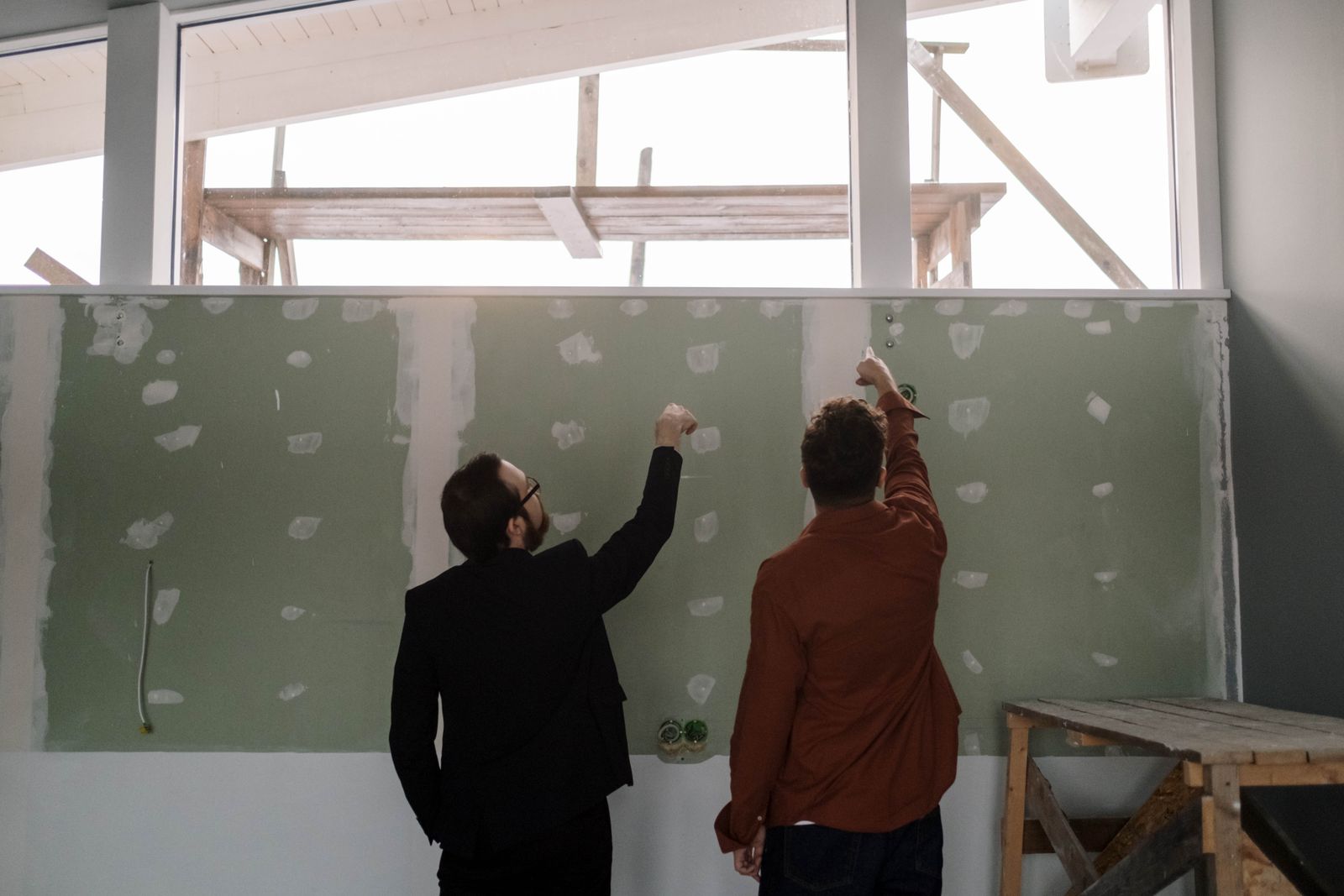
Suddenly, the buyer has a list of concerns.

This can feel frustrating, especially when you're thinking, “The house was already priced based on its condition.”

But inspections can uncover issues buyers didn't know about when they made the offer.

The key is separating normal home maintenance from significant problems.

Not every item on an inspection report deserves a price adjustment.

Homes are not perfect. Especially in Winnipeg, where properties can range from brand-new construction to older homes with decades of history, some wear and tear is expected.

The question is whether the issue is significant enough to affect the buyer's decision or the economics of the transaction.

You Don't Have to Say Yes to Everything

If a buyer asks for a price reduction, remember that it's a negotiation.

Their request is not automatically your obligation.

You may agree to the full reduction.

You may agree to part of it.

You may offer to address the repair instead.

You may maintain the current price.

Or you may negotiate another term that makes the overall deal work better for both sides.

For example, if the buyer is concerned about a specific repair, you could potentially explore whether addressing the repair directly makes more sense than reducing the purchase price.

The right approach depends on the circumstances and the terms of the agreement.

Consider the Cost of Losing the Deal

Here's where things get interesting.

Let's say you're asking $500,000.

A buyer offers $485,000.

You don't want to accept anything below $495,000.

So you reject the offer.

Fair enough.

But before walking away, it's worth considering the alternatives.

How long have you been on the market?

How much interest have you received?

What would another month of carrying costs look like?

Would you need to continue paying your mortgage, property taxes, utilities, insurance, or other expenses?

Would you need to spend more money on marketing?

Would another buyer realistically appear soon?

None of this means you should accept an offer you're uncomfortable with.

It simply means the decision should consider the entire financial picture, not just the difference between two numbers.

Don't Let Your Original Asking Price Become Your Emotional Floor

This is a common seller mindset.

You list at $550,000, so anything below $550,000 feels like you're losing money.

But your asking price isn't necessarily the same thing as your home's final market value.

The asking price is the starting point for a transaction.

The market ultimately provides feedback.

That feedback comes through showings, offers, competing properties, buyer reactions, and eventually the negotiation itself.

If multiple buyers independently indicate that the home is priced too high, that's worth paying attention to.

On the other hand, if your home is attracting strong interest and the buyer's request seems disconnected from the market, you may have more reason to hold your position.

Again, context matters.

What If the Buyer Is Asking for a Large Reduction?

Take a step back.

Don't respond emotionally.

Ask why.

If the buyer is requesting a significant reduction because of a legitimate issue, investigate the issue.

If they're basing the request on comparable properties, review those comparables.

If they're simply testing how flexible you are, you can negotiate accordingly.

A large request isn't necessarily a bad thing.

Sometimes buyers start with an aggressive position because they expect to negotiate.

That doesn't mean you have to meet them there.

Should You Make a Counteroffer?

A counteroffer may be appropriate when you don't want to accept the buyer's number but still want to keep the conversation going.

The counteroffer can communicate that you're willing to negotiate without giving away more than you're comfortable with.

However, don't counter simply for the sake of countering.

Think about your actual position before responding.

What price would make the sale worthwhile?

What terms matter to you?

How flexible are you on possession?

Would you consider addressing a repair instead of reducing the price?

Knowing your priorities before negotiations begin can make it much easier to respond calmly.

Price Isn't the Only Thing You Can Negotiate

One of the biggest mistakes sellers make is thinking the entire negotiation has to revolve around the purchase price.

It doesn't.

Depending on the transaction, other terms may also matter.

Possession dates, inclusions, repairs, conditions, deposits, and other elements can affect the overall value and convenience of the deal.

Sometimes a buyer is asking for a lower price because they have another concern that could potentially be addressed in a different way.

That's why looking at the entire offer is important.

A slightly lower price with terms that work extremely well for you may be more attractive than a higher price with conditions that create complications.

The best deal isn't always the one with the biggest number at the top.

Don't Make a Concession Without Getting Something in Return

Negotiation works both ways.

If you're willing to reduce your price, consider what you're receiving in exchange.

Maybe the buyer can offer a more flexible possession date.

Maybe they're willing to shorten a condition period.

Maybe they can provide stronger terms elsewhere in the offer.

The exact possibilities depend on the transaction and the applicable agreement, but the general principle is useful.

If you're giving something up, understand what you're getting back.

That doesn't mean every negotiation needs to become a complicated game of “I'll give you this if you give me that.”

It simply means you should understand the full value of the agreement you're considering.

What If You Can't Agree?

Sometimes negotiations simply don't work.

The buyer wants one price.

You want another.

Neither side is willing to move.

That happens.

A buyer may walk away.

You may choose to continue marketing the property.

Or you may decide that a different offer makes more sense.

It can be disappointing, but one rejected negotiation doesn't mean your home can't sell.

If the property remains on the market, use what you learned.

Was the buyer's concern something other buyers may also have?

Was the price the issue?

Was there a repair that needed attention?

Could the listing presentation be improved?

Every interaction can provide information.

The Goal Isn't to “Win” the Negotiation

This is an important mindset shift.

Real estate negotiations aren't necessarily about one person winning and the other person losing.

The goal is to reach an agreement that both sides are willing to accept.

You want to protect your financial interests and achieve your selling goals.

The buyer wants to feel comfortable with the price and condition of the property.

When both sides understand what matters most to the other, there can be more room to find a workable solution.

And if a particular request doesn't make sense for you, it's okay to say no.

How to Respond When a Buyer Wants a Price Reduction

If you're dealing with a buyer who wants a price reduction, start with these steps.

First, understand why they're asking.

Second, review the available market information.

Third, determine whether the request is connected to a legitimate concern.

Fourth, consider your own timeline, financial position, and priorities.

Fifth, look at the entire offer instead of focusing only on the purchase price.

And finally, respond based on a strategy rather than emotion.

You don't have to accept the buyer's first request.

You also don't have to reject it automatically.

The right response depends on the circumstances.

Selling Your Winnipeg Home and Facing Negotiation?

Price negotiations can be one of the more stressful parts of selling a home, especially when you've already put time and effort into preparing the property.

If a buyer asks for a reduction, you don't have to figure out the response on your own. Understanding the market, the buyer's reasoning, the condition of the property, and your own priorities can help you approach the negotiation with a clearer strategy.

If you're thinking about selling your Winnipeg home or you're already dealing with an offer and want to better understand your options, get in touch with Ty Mitchell and let's talk about your next move.

Read

New property listed in Winnipeg

I have listed a new property at 847 Weatherdon Avenue in Winnipeg. See details here

1B//Winnipeg/Great value and endless potential! Priced to sell - this lovely duplex in a prime Crescentwood location (built 2019) an ideal opportunity for investors and savvy house-hackers. The main unit is two levels with an open-concept main floor (2-piece bath, kitchen, living and dining) that flows to your back deck. Upstairs offers 3 bedrooms, 2 full baths (including ensuite), upper-level laundry (full size), and a massive primary with full walk-in closet. The lower level is selfcontained, featuring 2 beds, a full bath and a spacious living area perfect for tenants, Airbnb, extended family or owner-use; separate access from the main floor plus a side entrance. Both units showcase custom cabinetry, quartz counters, tiled baths with glass doors, separate panels, meters, utilities and in-unit laundry. Extras: AC, EV charging and parking for multiple vehicles. Located steps from bus routes, top schools, parks and shopping Grant Park Mall, Pan Am Pool, community gardens and other local amenities,. Upper unit is vacant, move in ASAP. Lower suite currently month-to-month. Live in one, rent the other exceptional cash-flow potential in a highly sought-after neighborhood. (id:2493)

Read

What Happens If Your Home Doesn't Sell?

Putting your home on the market is exciting.

At least, it is until the days start adding up.

The first week, you might be checking your phone every few minutes waiting for an offer. Then a couple of weeks pass. More showings happen, but no offers appear. Eventually, you start wondering, “Why isn't my house selling?”

Don't panic.

A home not selling doesn't automatically mean something is seriously wrong with the property. It also doesn't mean you missed your chance to sell.

Sometimes the market needs more time. Sometimes buyers aren't connecting with the home. Sometimes the price, presentation, marketing, or timing needs to be reconsidered.

If you're dealing with a home not selling in Winnipeg, the important thing is to understand what may be happening and what options you have next.

First, Don't Assume Your Home Is the Problem

When a property doesn't sell, it's easy to take it personally.

You've lived there for years. You know every good feature. You may have invested time and money into making it your home.

So when buyers aren't making offers, it can feel like they're rejecting the house.

Usually, it's not that simple.

Buyers are making decisions based on dozens of factors. Price, condition, location, layout, financing, inventory, timing, competition, and personal preferences can all play a role.

A buyer might love your house but decide the price doesn't fit their budget.

Another buyer might love the location but want a different layout.

Someone else might be interested but still be waiting to sell their current property.

No offer doesn't always mean no interest.

The key is figuring out why buyers aren't moving forward.

How Long Should a Home Take to Sell?

There isn't one magic number of days that tells you whether a listing is performing well or poorly.

Every property is different.

A highly desirable home that's priced appropriately and positioned well may attract strong interest quickly. Another property with a unique layout, higher price point, or more specific buyer pool may naturally take longer.

That's why simply looking at the number of days your home has been listed isn't enough.

You need context.

How long are comparable homes taking to sell? Are similar properties receiving offers? Are buyers viewing your home but choosing something else? Are competing listings priced lower or offering features your home doesn't have?

The answers to those questions can tell you much more than the calendar alone.

Look at the Price First

Let's address the uncomfortable question.

Could the price be the problem?

Pricing is one of the biggest factors affecting whether a home attracts serious buyers.

It's common for sellers to think, “We can always lower it later.”

Sometimes that's true.

But the first price you launch with can influence how buyers perceive the property.

If your home is priced significantly higher than comparable properties, buyers may simply skip it.

And the longer a listing sits without activity, the more likely buyers are to start wondering why.

This doesn't mean every home that hasn't sold needs a price reduction.

It means pricing should be evaluated using current market evidence rather than what you paid for the property, how much money you've invested in it, or what you personally believe it is worth.

Your home's value is ultimately influenced by what buyers are willing to pay in the current market.

Your Competition Matters

Imagine you're shopping for a new car.

You find one you like for $40,000.

Then you find another similar car for $35,000 with more features.

Which one gets your attention?

Real estate works in a similar way.

When buyers are looking at your home, they're also looking at other homes.

If there are several comparable Winnipeg properties available, buyers have choices.

Your home needs to make sense within that group.

That doesn't necessarily mean being the cheapest option. It means giving buyers a compelling reason to choose your property at its current price.

Sometimes the issue isn't that your home is overpriced on its own. It's that another listing offers better value from the buyer's perspective.

What Are Buyers Saying?

If your home has had several showings but no offers, buyer feedback can be extremely useful.

Are people consistently mentioning the price?

Are they concerned about the condition?

Is the layout creating problems?

Are buyers commenting on the basement, yard, kitchen, bathrooms, or overall presentation?

One comment doesn't necessarily mean you need to make a change.

But patterns are worth paying attention to.

If multiple buyers independently raise the same concern, that information deserves a closer look.

Feedback can help turn a frustrating situation into a useful one.

Maybe the Home Needs Better Presentation

Sometimes the price is reasonable, but buyers aren't seeing the home's potential.

This is where presentation matters.

Think about the photos buyers see online before they ever step through the front door.

If the home looks dark, cluttered, overly furnished, or poorly maintained in the listing photos, some buyers may never book a showing.

Once they arrive, the same principle applies.

Buyers need to be able to imagine themselves living there.

That doesn't mean your home needs to look like a luxury magazine.

It means the property should feel clean, comfortable, cared for, and easy to understand.

Decluttering, cleaning, improving lighting, removing unnecessary furniture, and addressing small visible repairs can sometimes make a noticeable difference.

What If the Marketing Isn't Reaching the Right Buyers?

A home can be a great property and still struggle if the marketing isn't doing its job.

Online buyers typically make quick decisions about which listings deserve their attention.

Photos matter.

The listing description matters.

The order in which information is presented matters.

Floor plans, video, virtual tours, social media promotion, and other marketing tools may also help depending on the property.

The goal isn't simply to advertise that the house is for sale.

The goal is to communicate why someone should care about it.

A three-bedroom home with a large backyard, finished basement, and great location should be marketed around those benefits, not simply listed as “three-bedroom home with finished basement.”

Features tell buyers what the house has.

Good marketing helps explain why those features matter.

Should You Make Improvements?

If you're wondering what to do if your house doesn't sell, you may immediately start thinking about renovations.

Be careful.

You don't necessarily need to remodel the kitchen or renovate the bathroom just because the property hasn't sold.

First, figure out what buyers are actually responding to.

If the feedback consistently points to cosmetic issues, smaller improvements may help.

A deep clean, fresh paint, better lighting, landscaping, or minor repairs could improve the home's presentation without requiring a major investment.

If buyers are primarily concerned about the price, however, a $20,000 renovation may not solve the real problem.

Don't spend money until you understand what you're trying to fix.

What Happens If Your Listing Expires?

Depending on the circumstances and the listing agreement, your property may eventually come off the market if it hasn't sold.

This isn't the end of the world.

It simply creates an opportunity to reassess the strategy.

You can look at what happened during the listing period, review buyer feedback, compare the property with current competition, and decide whether changes are necessary before trying again.

In some cases, the property goes back on the market with a revised price or presentation.

In other situations, the seller decides to wait.

The important thing is not to relist simply because you feel pressured to do something.

Have a reason for the next step.

Should You Take Your Home Off the Market?

Sometimes, yes.

If your circumstances have changed, you may decide that selling right now isn't the right move.

Perhaps you don't need to move anymore.

Maybe your financial situation has changed.

Maybe you want to complete some improvements first.

Or perhaps the current market conditions aren't lining up with your expectations.

Taking a property off the market isn't necessarily a failure.

Sometimes it's simply a change in strategy.

Before making that decision, consider your original reason for selling and whether that reason still exists.

Could You Try Again Later?

Absolutely.

If your home doesn't sell, you can reassess and try again.

But don't simply put the exact same listing back on the market and expect a different result.

Ask what has changed.

Has the price changed?

Has the condition improved?

Has the competition changed?

Has the presentation improved?

Has your marketing strategy changed?

Has your timeline changed?

A second attempt should ideally be informed by what you learned from the first one.

Don't Chase the Market With Your Emotions

Selling a home can become emotional very quickly.

You might start thinking, “Nobody likes my house.”

Then you might jump to, “We need to drop the price by $50,000.”

Then five minutes later you're considering repainting the entire house.

Take a breath.

The answer is usually somewhere in the data.

Look at comparable properties. Review showing activity. Consider buyer feedback. Examine your listing presentation. Understand your competition.

Then make a decision.

A thoughtful adjustment is much better than making a series of emotional changes every time you don't receive an offer.

What If You Need to Sell?

If you need to sell your home within a certain timeframe, waiting indefinitely isn't always an option.

That's when having a clear strategy becomes especially important.

You need to know what your priorities are.

Is your biggest priority getting the highest possible price?

Is it selling within a specific timeframe?

Is it avoiding major repairs?

Is it coordinating the sale with the purchase of another home?

Your priorities can influence the strategy.

There is no single definition of a successful sale.

The right outcome depends on what you need the transaction to accomplish.

A Home That Doesn't Sell Is a Problem to Solve, Not a Disaster

If your home is not selling in Winnipeg, don't assume you have to start from scratch.

Start by asking why.

Maybe the price needs to be adjusted.

Maybe the presentation needs work.

Maybe buyers are concerned about the condition.

Maybe the marketing isn't highlighting the property's strongest features.

Maybe the competition has changed.

Or maybe the timing simply isn't right.

The good news is that most of these issues can be evaluated.

Instead of guessing, look at the evidence and make a plan.

Real estate isn't always a straight line from “For Sale” to “Sold.”

Sometimes there are adjustments along the way.

That's part of the process.

Thinking About Selling Your Winnipeg Home?

If your home has been sitting on the market without an offer, you don't have to keep guessing about what's going wrong. A fresh look at your pricing, presentation, competition, marketing, and buyer feedback can help identify where the strategy may need to change.

Before making a major decision, take a step back and look at the bigger picture. The goal isn't simply to get your home sold. It's to understand what your property needs to attract the right buyer while keeping your goals and timeline in mind.

If you're thinking about selling your home in Winnipeg, or you're wondering why your current listing isn't getting the results you expected, get in touch with Ty Mitchell and let's talk about your next move.

Read

Open House. Open House on Sunday, September 27, 2026 1:00PM - 2:30PM

Please visit our Open House at 139 Landover Drive in Winnipeg. See details here

Open House on Sunday, September 27, 2026 1:00PM - 2:30PM

1R//Winnipeg/Open House Sun. Sept 27 - 1-2:30 PM. Welcome to Bridgwater Trails living at its finest! Built in 2019 and loaded with upgrades, this stunning two-storey home offers 4 bedrooms, 3.5 bathrooms, and a fully finished basement (with permits). The bright, open-concept main floor features luxury vinyl plank flooring, LED lighting, a spacious kitchen with walk-in pantry, mudroom, powder room, and beautiful views of the fenced, landscaped backyard. Upstairs, enjoy convenient laundry and a spacious primary suite with walk-in closet and ensuite. Outside, relax in your spacious back yard. A double detached garage and concrete parking pad offer plenty of room for vehicles, guests, or storage. Located near Bridgwater s upcoming K-8 School, South Winnipeg Rec Centre, public fountain, and scenic walking paths, this move-in-ready home combines comfort, style, and an unbeatable lifestyle. Come see why this one deserves a spot at the top of your tour list! (id:2493)

Read

Open House. Open House on Sunday, September 27, 2026 2:00PM - 4:00PM

Please visit our Open House at 1118 Parker Avenue in Winnipeg. See details here

Open House on Sunday, September 27, 2026 2:00PM - 4:00PM

1Jw//Winnipeg/S/S Sat Sep 26. Offers As Received. Brand new! Tucked into a quiet pocket of Fort Garry, this brand-new purpose-built duplex is smartly designed with income potential built in. No neighbours behind, rapid transit just beyond, and minutes to Pembina, downtown, the outlet mall off Sterling Lyon, and nearby schools. The main floor is bright and open-concept, anchored by an oversized waterfall quartz island, wide-plank luxury vinyl flooring, and custom cabinetry. Dining sits at the back along with a handy 2-piece bath; the front living room impresses with a custom feature wall and shelving. High-end appliances and European tilt-and-turn windows add a refined touch, and an extra-large deck extends the living space outdoors. Upstairs offers three bedrooms, including a lovely primary ensuite. Primary bath feels luxurious and a nice suprise, a private balcony retreat. The basement is a self-contained 2-bedroom suite with its own separate entrance a true duplex, ideal for investors wanting dual income or an owner looking to offset their mortgage. Nicely appointed and smartly laid out, this one checks every box. Fence along side yard done, along with landscape. Act fast, move in ASAP. (id:2493)

Read

New property listed in Winnipeg

I have listed a new property at 1118 Parker Avenue in Winnipeg. See details here

1Jw//Winnipeg/S/S Sat Sep 26. Offers As Received. Brand new! Tucked into a quiet pocket of Fort Garry, this brand-new purpose-built duplex is smartly designed with income potential built in. No neighbours behind, rapid transit just beyond, and minutes to Pembina, downtown, the outlet mall off Sterling Lyon, and nearby schools. The main floor is bright and open-concept, anchored by an oversized waterfall quartz island, wide-plank luxury vinyl flooring, and custom cabinetry. Dining sits at the back along with a handy 2-piece bath; the front living room impresses with a custom feature wall and shelving. High-end appliances and European tilt-and-turn windows add a refined touch, and an extra-large deck extends the living space outdoors. Upstairs offers three bedrooms, including a lovely primary ensuite. Primary bath feels luxurious and a nice suprise, a private balcony retreat. The basement is a self-contained 2-bedroom suite with its own separate entrance a true duplex, ideal for investors wanting dual income or an owner looking to offset their mortgage. Nicely appointed and smartly laid out, this one checks every box. Fence along side yard done, along with landscape. Act fast, move in ASAP. (id:2493)

Read

How to Choose Between Selling As-Is or Making Improvements

If you're thinking, “I want to sell my house Winnipeg,” there's probably another question sitting right behind it.

Should I fix it up first?

Maybe the kitchen is dated. The bathroom could use some attention. There are a few walls that need paint, the flooring has seen better days, and that list of little repairs you've been meaning to tackle has somehow grown over the years.

Now you're wondering if you should spend money getting the home ready for the market or simply sell it as-is and let the next owner take care of the updates.

It's a common question, and there isn't one answer that works for every Winnipeg home.

Some homes benefit from a few strategic improvements before listing. Others make more sense as an as-is sale. And sometimes the smartest option is somewhere in the middle.

Before you start booking contractors or decide to leave everything untouched, here's how to think through the decision.

What Does Selling a Home As-Is Mean?

When you sell a home as-is, you're generally offering the property in its current condition rather than completing major improvements specifically for the sale.

That doesn't mean you can ignore known problems or misrepresent the property's condition. Buyers can still evaluate the home, ask questions, and have appropriate inspections or conditions as part of the transaction.

What it does mean is that you're not taking on a large renovation project before putting the property on the market.

For some homeowners, that's exactly what makes sense.

Perhaps you're dealing with an older home that needs several updates. Maybe you've inherited a property that needs work. Perhaps you're moving on a tight timeline and don't have the time or energy to coordinate renovations.

Or maybe you simply don't want to spend a large amount of money on a house you're planning to leave.

Selling as-is can be a practical choice when the numbers and circumstances support it.

Selling As-Is Doesn't Mean Selling Unprepared

There's an important difference between selling as-is and selling without preparing the home.

Even if you don't want to renovate, you still want buyers to see the property at its best.

Clean the house thoroughly. Declutter the rooms. Remove unnecessary furniture. Improve lighting where you can. Clean the windows. Tidy the yard. Fix small things that are obviously broken.

These aren't major renovations, but they can have a meaningful impact on how a buyer experiences the home.

Think about it this way.

You may be perfectly comfortable with your home's dated finishes because you've lived with them for years. A buyer can see those same finishes and think the property has been neglected.

Your goal is to make it clear that the home may need updating without making buyers wonder what else hasn't been maintained.

When Selling As-Is Could Make Sense

There are several situations where selling as-is may be worth considering.

You Need to Sell Quickly

Renovations take time.

Even a project that seems straightforward can involve finding contractors, getting estimates, ordering materials, scheduling work, and dealing with unexpected delays.

If you're trying to sell your house in Winnipeg because of a job relocation, a major life change, or another time-sensitive situation, spending months on renovations may not fit your plans.

In that situation, preparing the home without taking on major improvements may be more practical.

The Home Needs Significant Work

A property that needs a new roof, major mechanical work, extensive cosmetic updates, or several other repairs can require a substantial investment.

Before putting money into the property, consider the potential return.

Spending $40,000 doesn't automatically mean you'll get $40,000 more when the home sells.

Sometimes the better approach is to understand the home's current market value, account for its condition, and determine whether buyers are likely to see the opportunity in the property.

You Don't Want the Renovation Stress

This is also a perfectly valid reason.

Selling a home is already a project.

You're packing, organizing paperwork, planning your next move, keeping the house clean for showings, and dealing with the general uncertainty that comes with selling.

Adding a major renovation on top of everything else may not be worth it for you.

Sometimes convenience has value too.

When Home Improvements Before Selling May Be Worth It

Of course, there are situations where improvements can help.

The key is to be strategic.

You don't necessarily need to remodel the entire house. Instead, look for projects that address obvious problems or improve the property's presentation.

For example, you might consider repairing damaged flooring, touching up walls, replacing broken light fixtures, repairing damaged doors, updating worn hardware, improving curb appeal, or addressing small maintenance issues.

A deep clean can also go a surprisingly long way.

The purpose isn't to create a brand-new home.

It's to remove distractions and help buyers appreciate what the property already offers.

Don't Renovate Just Because You Can

One of the biggest mistakes sellers can make is assuming that every outdated feature needs to be replaced before listing.

It doesn't.

If your kitchen is dated but functional, you may not need a complete renovation.

If your bathroom isn't your personal style but everything works properly, a full remodel may not be necessary.

If the flooring is older but in decent condition, replacing every room may not be the best use of your money.

Before making an improvement, ask yourself:

What problem am I solving?

How much will it cost?

Will buyers actually notice or care?

Would this money be better saved for my next home or other moving expenses?

Those questions can help separate smart preparation from expensive over-improvement.

The Kitchen Can Be a Trap

Let's talk about kitchens because this is where sellers often get carried away.

You look at your kitchen every day and see everything you don't like about it.

The cabinets are dated. The counters aren't your favourite. The backsplash feels old. The appliances don't match.

So naturally, you start imagining a completely renovated kitchen.

But remember, you're preparing a home to sell, not designing your forever kitchen.

If the kitchen is clean, functional, and in reasonable condition, smaller updates may be enough. New hardware, improved lighting, fresh paint, professional cleaning, or minor repairs can sometimes make the space feel significantly more appealing.

A buyer may be perfectly happy to live with the existing kitchen while planning their own future renovation.

You don't necessarily need to do the renovation for them.

Don't Ignore the Bathroom

Bathrooms deserve attention too, especially when there are obvious maintenance issues.

Broken fixtures, damaged caulking, dirty grout, poor lighting, and excessive clutter can make a bathroom feel worse than it actually is.

Start with the basics.

Clean it thoroughly. Repair what is broken. Replace damaged caulking. Improve the lighting if needed. Remove unnecessary items from counters and storage areas.

If the bathroom genuinely requires a major renovation, that's a different conversation.

But if it's simply dated, think carefully before spending thousands of dollars changing something that still functions properly.

Winnipeg Homes Have Practical Considerations

When you're selling a house in Winnipeg, buyers aren't only looking at countertops and paint colours.

They're also thinking about the practical condition of the property.

The roof, furnace, windows, basement, exterior, drainage, insulation, and general maintenance can all influence a buyer's perception of a home.

That doesn't mean you need to replace every older system before selling.

An older furnace isn't automatically a reason to install a new one. Older windows don't necessarily need to be replaced just because you're listing.

However, you should understand the condition of these important components and be prepared to answer reasonable buyer questions.

If you have records for previous repairs, maintenance, or major upgrades, gather them together before listing.

Being organized can make the process easier for everyone.

Consider Your Competition

Here's another question worth asking before you spend money.

What are other homes buyers are considering offering?

If similar homes in your area are selling with older kitchens and bathrooms, you may not need to completely renovate yours.

But if competing properties are clean, well-maintained, and move-in ready while yours has obvious unfinished repairs, presentation could become a bigger issue.

Your home doesn't exist in a vacuum.

Buyers are comparing.

The goal is not necessarily to have the nicest home on the block. It's to make sure your property is positioned appropriately against the other options buyers have available.

Your Timeline and Budget Matter

A renovation decision should always take your personal circumstances into account.

If you have several months before you need to sell and a healthy budget for improvements, you have more flexibility.

If you're hoping to list within a few weeks and don't want to spend much money, your strategy will look very different.

Don't create a renovation plan that doesn't fit your reality.

If you have $5,000 available, prioritize the projects that matter most. If you have no renovation budget, focus on cleaning, decluttering, basic maintenance, and presentation.

There is no prize for spending the most money before selling.

The Middle Ground May Be the Best Option

You don't always have to choose between renovating everything and selling completely as-is.

There is a middle ground.

Fix the obvious problems.

Clean thoroughly.

Declutter.

Improve the exterior.

Touch up paint where necessary.

Make sure the lights work.

Repair minor issues that buyers will immediately notice.

Then stop.

This approach can help you present a well-maintained home without taking on unnecessary renovations.

For many homeowners searching “sell my house Winnipeg,” this can be a much more practical way to think about preparing a property.

Get Advice Before You Start Spending

Before investing thousands of dollars into improvements, get an outside perspective.

Homeowners can become very attached to certain features of their property. You may think the kitchen is the biggest issue because you've wanted to renovate it for years.

A buyer may be much more interested in the home's layout, natural light, basement, backyard, parking, or location.

A pre-listing walkthrough can help you identify the difference between what you personally want changed and what may actually matter when selling.

That's an important distinction.

You're not renovating for yourself anymore.

You're preparing the property for the market.

So, Should You Sell As-Is or Make Improvements?

If you're planning to sell your house in Winnipeg, the answer depends on your specific property and situation.

Selling as-is may make sense if the home needs significant work, you have a tight timeline, or you don't want to take on a major renovation.

Making improvements may make sense when relatively affordable repairs or updates can improve the home's presentation or address concerns buyers are likely to have.

And sometimes the smartest strategy is doing a little of both.

Take care of the obvious issues, improve the presentation, and leave the major renovations to the buyer.

The goal isn't to make your home perfect.

It's to make smart decisions with the money and time you have.

Before spending thousands on renovations, take a step back and ask whether the improvement is likely to help you sell, or whether you're simply making the home nicer for someone else.

That distinction could save you a lot of money.

Thinking About Selling Your Winnipeg Home?

If you're wondering whether you should sell your home as-is or make improvements first, don't feel like you have to figure it out alone. The right approach depends on your home's condition, your goals, your timeline, and what makes sense for the current Winnipeg market.

Before you spend money on renovations, let's talk about what could actually make a difference. Ty Mitchell can help you understand your options, prioritize the improvements that may be worth considering, and create a practical plan for getting your home ready to sell.

Thinking about selling your home in Winnipeg? Get in touch with Ty Mitchell today and let's talk about your next move.
Read

Open House. Open House on Saturday, September 26, 2026 1:00PM - 2:30PM

Please visit our Open House at 657 Academy Road in Winnipeg. See details here

Open House on Saturday, September 26, 2026 1:00PM - 2:30PM

1C//Winnipeg/Open House - 1-2:30 Saturday Sep. 26th! Come see for yourself! Welcome to 657 Academy where timeless character, beautiful surroundings, and an exceptional lifestyle come together. Beautiful curb appeal, this charming home offers the opportunity to enjoy a coveted Tuxedo address. Close prximity to all amenites. This is a prime location. Straight and solid home on a wonderful (50X132) lot. Inside, original hardwood floors and accents, built-ins, and an electric fireplace create a warm, inviting atmosphere. The renovated kitchen flows easily into the main living spaces, while three comfortable bedrooms upstairs include a spacious primary suite with two walk-in closets. The finished basement adds valuable flexibility, with potential for a fourth bedroom and a three-piece bathroom. Just steps to Wellington Crescent, a quick stroll from Assiniboine Park, and the Asper Community Campus, this location puts parks, recreation, and community right at your doorstep. Enjoy peaceful neighbourhood living with some of Winnipeg s best amenities close by. Charming, versatile, and perfectly positioned this is your chance to make Old Tuxedo home. Book your showing today! (id:2493)

Read

Open House. Open House on Saturday, September 26, 2026 2:00PM - 4:00PM

Please visit our Open House at 3 Bramblewood Court in Winnipeg. See details here

Open House on Saturday, September 26, 2026 2:00PM - 4:00PM

1R//Winnipeg/OPEN HOUSE - Sat. 9/26 2-4PM. Offers Anytime! Welcome to a home that feels like a retreat while keeping everyday life wonderfully convenient. Set in the sought-after Bridgwater Trails, this beautifully landscaped 2,130 sq. ft. two-storey is surrounded by walking and biking paths, parks and the inviting Fountains of Bridgwater with shops and daily conveniences just minutes away. Inside, soaring 18-foot ceilings create a breathtaking great room, anchored by an upgraded fireplace and entertainment wall. Sunlight fills the open dining area and stylish kitchen, complete with upgraded stainless-steel appliances, generous cabinetry and a walk-in pantry. Upstairs, the serene primary suite offers a luxurious five-piece ensuite, walk-in closet and a rare private deck with a peaceful glimpse toward the pond. The fully fenced backyard is a true showpiece, with spectacular landscaping, a deck and patio designed for effortless entertaining. Downstairs, the bright, immaculate finished basement adds a spacious recreation room, bar and bedroom. Double Attached garage adds to the package. Modern layout, thoughtfully designed and well located this is an opportunity to live the Bridgwater lifestyle. (id:2493)

Read

Should You Sell Your Winnipeg Home in the Fall?

Summer is winding down.

The days are getting shorter, the evenings are getting cooler, and before you know it, Winnipeg is going to be reaching for the winter coats.

If you're thinking about selling your home, you might be wondering whether you should list now or wait until next spring.

Is fall a good time to sell a home in Winnipeg?

The short answer is that it depends.

There isn't one perfect season for every seller or every property. Your home's location, condition, price, buyer demand, competition, and your own timeline all matter.

That said, fall can offer some real opportunities for Winnipeg sellers.

There are still buyers actively looking, the summer rush has settled down, and your home can benefit from a different kind of seasonal presentation.

But fall also comes with some challenges. Weather can become unpredictable, daylight hours get shorter, and sellers who wait too long can find themselves getting dangerously close to Winnipeg's winter season.

So, should you sell your Winnipeg home in the fall?

Let's take a closer look.

Fall Doesn't Mean the Winnipeg Market Stops

One common misconception is that real estate activity comes to a halt once summer ends.

It doesn't.

People still need to buy and sell homes in September, October, and beyond.

Families may be relocating for work. Buyers may have changed their plans during the summer. Some people may have been searching for months and still haven't found the right property.

Others may simply prefer to move before winter arrives.

The buyer pool may look different compared with the peak spring and summer periods, but that doesn't mean there aren't serious buyers.

In fact, some fall buyers can be highly motivated because they're working with a specific timeline.

That can be important for sellers.

One Potential Advantage of Selling in the Fall: Less Competition

Depending on the market and the specific neighbourhood, fall can bring fewer new listings compared with the busier spring and summer months.

That can create an opportunity.

If fewer homes are competing for buyers' attention, a well-presented property may have an easier time standing out.

But there is an important distinction here.

Fewer listings don't automatically mean you can price your home however you want.

Buyers still compare properties.

They still look at value.

And they still have options.

The goal is to understand the competition that actually exists when you list, rather than assuming that less inventory automatically means a higher sale price.

Fall Buyers May Be More Serious

There's something about fall that naturally changes the real estate conversation.

In the summer, some buyers are casually exploring. They may be checking out open houses between weekend activities, travelling, or simply getting a feel for what's available.

By fall, some buyers have been searching for quite a while.

They know what they want.

They know what they've already rejected.

And they may be ready to make a decision.

That doesn't mean every fall buyer is ready to write an offer on the spot. But sellers may encounter buyers who have already done a significant amount of research and are more focused on finding the right property.

That's one reason presentation and pricing remain so important.

Your Home Can Look Great in the Fall

Fall has something going for it that summer can't quite replicate.

Colour.

If your property has mature trees, landscaping, a welcoming front porch, or a nice backyard, fall can create a beautiful setting for listing photography and showings.

A tidy yard surrounded by autumn foliage can make a home feel warm and inviting.

But this window doesn't last forever.

Once the leaves are gone and winter starts creeping in, exterior presentation becomes more challenging.

That means sellers considering a fall listing should think about timing carefully.

If you're going to take advantage of fall curb appeal, you don't necessarily want to wait until the last possible week.

The Days Are Getting Shorter

Here's one of the practical challenges of selling in the fall.

Daylight.

As the season progresses, sunset arrives earlier.

That can affect photography, showings, and how your home looks during late afternoon appointments.

A house that gets beautiful natural light at 7 p.m. in June obviously won't look the same at that time in October.

This doesn't mean you shouldn't sell.

It simply means lighting becomes more important.

Make sure light fixtures are working.

Replace burnt-out bulbs.

Open curtains and blinds during daytime showings.

Use lamps strategically.

Make sure darker areas, including basements and hallways, are properly illuminated.

Good lighting can help your home feel warm and inviting even when the sun isn't cooperating.

Don't Forget About Curb Appeal

Fall maintenance can make a noticeable difference.

Keep leaves under control.

Clear walkways.

Trim overgrown plants.

Remove dead annuals.

Keep the front entrance clean.

Store away unnecessary outdoor clutter.

Make sure exterior lights are working.

And as the weather gets colder, pay attention to slippery surfaces and changing conditions.

You don't need to maintain a summer garden in October.

You just want the property to look cared for.

The front entrance is often a buyer's first physical impression of the home, so make it count.

Winnipeg Weather Can Be Unpredictable

This is where fall sellers need to be realistic.

Winnipeg weather can change quickly.

One week you might have beautiful fall sunshine.

The next, you could be dealing with rain, wind, freezing temperatures, or an early snowfall.

That can affect showings and photography.

If your listing photos are being taken during a beautiful early-fall stretch, great.

But don't assume the weather will stay that way throughout your entire listing period.

Make sure your home can still present well when the temperature drops and the leaves disappear.

The inside matters even more once buyers aren't spending as much time enjoying the exterior.

Fall Can Be a Great Time to Highlight Comfort

As the weather cools down, buyers naturally start paying more attention to how comfortable a home feels.

This is a good opportunity to make sure your home feels warm and welcoming.

Keep the temperature comfortable.

Make sure the furnace is operating properly.

Address obvious drafts or maintenance issues.

Keep entryways clean and organized.

Turn on lamps in darker spaces.

The goal is to create a feeling that says, "You'd be comfortable here when winter arrives."

For a Winnipeg buyer, that's a pretty relevant message.

Should You Wait Until Spring?

This is the question many sellers eventually ask.

"If I don't sell this fall, should I just wait until spring?"

There are situations where waiting could make sense.

Maybe your home needs significant preparation.

Maybe you have personal timing considerations.

Maybe you're not comfortable with the current market conditions.

Maybe waiting gives you time to complete renovations or organize your finances.

But waiting isn't automatically the better choice either.

Spring will bring its own competition.

More sellers may decide to list.

More properties may come onto the market.

And the market conditions in several months may not be identical to today's conditions.

The right decision depends on your circumstances rather than simply following a seasonal rule.

Think About Your Own Timeline

Sometimes the best time to sell has less to do with the calendar and more to do with your life.

Are you moving for work?

Are you upsizing?

Downsizing?

Buying another home?

Relocating?

Dealing with a major life change?

If you need to sell, waiting six months just because someone says spring is the "best" season may not make sense.

On the other hand, if you're not in a hurry and your home needs significant preparation, you may have more flexibility.

The important thing is to make the decision based on your situation and current market information.

Pricing Matters More Than the Season

A great fall listing with the wrong price can still sit.

This is one of the biggest things sellers need to understand.

You can't rely on the season to do the selling for you.

Your asking price needs to make sense compared with the properties buyers are currently seeing.

That means looking at recent comparable sales, current competition, your home's condition, location, features, and the overall market environment.

Overpricing can create problems regardless of whether you're selling in October or May.

Buyers have access to plenty of information.

They can compare your property with other homes in the area within minutes.

Your pricing strategy needs to give them a reason to take your listing seriously.

Prepare Before You Hit "List"

If you're considering a fall sale, don't wait until the day before your listing goes live to start preparing.

Declutter the house.

Complete obvious repairs.

Clean thoroughly.

Tidy the yard.

Organize the garage.

Touch up paint where needed.

Make sure major systems are in reasonable condition.

Gather information about previous renovations and upgrades.

And think about how the home will photograph.

You don't necessarily need to spend a fortune getting everything perfect.

You just need to prioritize the changes that are most likely to improve the way buyers experience the property.

Fall Showings Require a Little Flexibility

The shorter days can make showing schedules slightly more challenging.

If you can be flexible with appointment times, that can help.

But don't make yourself miserable trying to accommodate every possible request.

Your real estate agent can help coordinate showings and create a process that works for your household.

If you're still living in the home, establish a quick cleanup routine.

Keep the kitchen tidy.

Make the beds.

Keep clutter under control.

Have a plan for pets.

Keep walkways clear.

The easier it is to prepare the home for a showing, the less stressful the process becomes.

What If Your Home Doesn't Sell Before Winter?

It happens.

Not every listing sells immediately, regardless of the season.

If your home remains on the market as winter approaches, don't panic.

Instead, review the situation.

Are buyers attending showings?

Are they giving feedback?

Is the price competitive?

Are there presentation issues?

Is there something about the listing that could be improved?

Sometimes the market is giving you useful information.

The key is being willing to listen and adjust when necessary.

So, Is Fall a Good Time to Sell Your Winnipeg Home?

Fall can absolutely be a viable time to sell a Winnipeg home.

You may have the opportunity to reach serious buyers, take advantage of seasonal curb appeal, and potentially face different levels of competition than you would during the busier spring and summer periods.

But there are also challenges.

Daylight decreases.

Weather becomes less predictable.

Outdoor presentation becomes more difficult.

And the window before winter gets shorter every week.

That's why the question shouldn't simply be, "Is fall the best time to sell?"

A better question is, "Does selling this fall make sense for my home, my goals, and the current market?"

That's a much more useful conversation.

Make the Decision With a Plan

If you're considering selling your Winnipeg home this fall, don't let the calendar make the decision for you.

Look at your home's condition.

Look at the competition.

Look at current buyer activity.

Consider your timeline.

Think about what preparation your home needs.

And make sure your pricing strategy reflects what buyers are actually seeing in the market.

The season matters, but it is only one piece of the puzzle.

If you're wondering whether this fall is the right time to sell your Winnipeg home, connect with Ty Mitchell at tysellswpg.com. A conversation about your specific property, timeline, and current market conditions can help you understand your options and build a selling plan that makes sense for you.

Because there isn't one perfect month to sell every Winnipeg home.

There is the right strategy for your home and your situation.

Read

Open House. Open House on Saturday, September 26, 2026 1:00PM - 2:30PM

Please visit our Open House at 657 Academy Road in Winnipeg. See details here

Open House on Saturday, September 26, 2026 1:00PM - 2:30PM

1C//Winnipeg/Open House - 1-2:30 Saturday Sep. 26th! Come see for yourself! Welcome to 657 Academy where timeless character, beautiful surroundings, and an exceptional lifestyle come together. Beautiful curb appeal, this charming home offers the opportunity to enjoy a coveted Tuxedo address. Close prximity to all amenites. This is a prime location. Straight and solid home on a wonderful (50X132) lot. Inside, original hardwood floors and accents, built-ins, and an electric fireplace create a warm, inviting atmosphere. The renovated kitchen flows easily into the main living spaces, while three comfortable bedrooms upstairs include a spacious primary suite with two walk-in closets. The finished basement adds valuable flexibility, with potential for a fourth bedroom and a three-piece bathroom. Just steps to Wellington Crescent, a quick stroll from Assiniboine Park, and the Asper Community Campus, this location puts parks, recreation, and community right at your doorstep. Enjoy peaceful neighbourhood living with some of Winnipeg s best amenities close by. Charming, versatile, and perfectly positioned this is your chance to make Old Tuxedo home. Book your showing today! (id:2493)

Read

How to Make Your Home Feel Bigger Before Selling

You don't necessarily need a bigger house.

Sometimes you just need your existing house to feel bigger.

That might sound like a magic trick, but there are actually plenty of simple ways to make a home feel more spacious before putting it on the Winnipeg real estate market.

And no, we're not talking about knocking down walls or adding a second storey.

In many cases, the biggest difference comes from removing visual clutter, improving the flow of each room, making better use of light, and giving buyers a clearer idea of how much usable space the home actually has.

This matters because buyers aren't only looking at square footage.

They're also asking themselves how the home feels.

Does the living room feel cramped?

Can they easily walk through the kitchen?

Are the bedrooms comfortable?

Is there enough storage?

Does the basement feel useful?

A home that feels spacious, bright, and easy to move through can make a much stronger first impression.

So, if you're thinking about selling your Winnipeg home, here are some practical ways to make the space feel bigger before buyers walk through the door.

Start With the Most Important Rule: Declutter

If you only do one thing from this list, start here.

Declutter.

Furniture, decorations, boxes, toys, small appliances, paperwork, and everyday items can slowly take over a home. When you've lived somewhere for years, you may stop noticing how much stuff has accumulated.

Buyers notice.

The more objects competing for attention, the smaller a room can feel.

Start with countertops.

Clear off the kitchen island. Put away small appliances you don't use every day. Reduce the number of decorative items on shelves and tables.

Then move to the living areas.

Do you really need three side tables?

Could that oversized chair be moved?

Are there stacks of magazines, toys, blankets, or other items that can be stored away?

You aren't trying to make the house look empty. You're trying to give the space some breathing room.

Remove Furniture Before Adding Anything

This is one of the easiest mistakes sellers make.

When a room feels small, the instinct can be to add something to make it feel more finished.

A rug.

Another lamp.

A small table.

More shelving.

Usually, the better solution is the opposite.

Take something away.

Oversized furniture can make a room feel significantly smaller than it actually is.

If your living room has a large sectional, two chairs, multiple tables, and several decorative pieces, try removing one or two items.

Give buyers clear walking paths.

The goal is to make the room feel easy to navigate.

You want someone to walk in and immediately understand how the space could function.

Create Clear Walking Paths

Speaking of walking paths, pay attention to how people move through your home.

Can someone comfortably walk from the front entrance into the living room?

Can they get around the kitchen island without squeezing past furniture?

Can bedroom doors open fully?

Can you walk into the basement without navigating an obstacle course?

Clear pathways make a home feel larger because the eye can travel through the space more easily.

Move furniture away from major walkways where possible.

Avoid blocking doorways.

Keep hallways free of unnecessary furniture and storage.

It sounds simple, but these small changes can make a surprisingly big difference.

Use Light to Your Advantage

Dark rooms often feel smaller.

Bright rooms tend to feel more open.

That doesn't mean you need to install expensive new lighting throughout the house.

Start with what you already have.

Open curtains and blinds before showings.

Clean the windows.

Replace burnt-out bulbs.

Use lamps in darker corners.

Make sure basements and hallways aren't unnecessarily dark.

If a room has limited natural light, consider using brighter, appropriately sized lighting to make the space feel more inviting.

And don't forget about the colour of your light bulbs. Consistent lighting can help the home feel more cohesive.

When buyers walk through a bright home, they can often see more of the space at a glance.

Don't Ignore Your Windows

Windows can make a room feel dramatically different.

Heavy curtains or bulky window coverings can block natural light and make the room feel enclosed.

If possible, simplify your window treatments before listing.

Clean the windows.

Open the curtains.

Remove anything that unnecessarily blocks the view or light.

If you have a great backyard, mature trees, or a nice neighbourhood view, let buyers see it.

The view outside can become part of the perceived space inside.

Use Mirrors Strategically

Mirrors aren't going to magically add square footage to your home.

But they can help create the perception of more space.

A strategically placed mirror can reflect light and make a room feel more open.

This can work particularly well in smaller entryways, hallways, dining areas, or rooms with limited natural light.

The key word is strategically.

You don't need to cover every wall with mirrors.

One well-placed mirror can be much more effective than turning the room into a funhouse.

Keep Your Colour Palette Simple

You don't necessarily need to repaint your entire house before selling.

But if your home has lots of different colours competing from room to room, it may feel more visually divided.

A relatively simple and cohesive colour palette can make rooms feel connected.

If you already have neutral walls, you're probably in good shape.

If you have one particularly bold room, consider whether the colour makes the room feel smaller or more closed in.

A fresh coat of paint can sometimes make a meaningful difference, especially if the existing walls are scuffed, dark, or dated.

But remember, paint isn't a magic solution.

It works best when combined with decluttering, better lighting, and thoughtful furniture placement.

Make Your Kitchen Feel More Spacious

Kitchens are one of the most important areas to focus on because buyers tend to pay close attention to them.

Start by clearing the countertops.

Put away appliances that aren't necessary.

Remove excess magnets and papers from the refrigerator.

Organize open shelving.

Clean the cabinet fronts.

If you have a kitchen island, keep it relatively clear.

You want buyers to see the available counter space and understand how the kitchen functions.

A crowded kitchen can feel much smaller than it actually is.

A clean, organized kitchen can make the exact same room feel significantly more spacious.

Give Your Bedrooms Some Breathing Room

Bedrooms don't need to look like hotel rooms.

But they should feel comfortable.

Start with the bed.

Is it too large for the room?

Is there enough space to walk around it?

Are nightstands overcrowded?

Is there furniture that isn't really necessary?

Remove excess items from dressers and nightstands.

Keep closets organized, too.

A buyer who opens a closet and sees clothes packed tightly from floor to ceiling may assume there isn't enough storage.

You might have plenty of storage.

They just can't see it.

Make Closets Look Bigger

This is a surprisingly important one.

You don't need to have enormous closets.

You need to make the closets you have look useful.

Start by removing clothing and belongings you don't currently use.

Pack seasonal items away.

Organize shoes.

Reduce the number of items on shelves.

Try to leave some visible empty space.

Empty space helps buyers understand the storage capacity.

If every inch of the closet is packed, the buyer may wonder whether their belongings will fit.

You may be storing half your life in there.

They don't know that.

All they see is a full closet.

Don't Forget the Basement

For many Winnipeg homes, the basement represents valuable additional space.

Whether it's finished or unfinished, make sure buyers can actually see it.

Clear away unnecessary storage.

Organize boxes.

Create defined areas.

If the basement has a finished recreation room, make it feel like a usable living area rather than a dumping ground.

If it's unfinished, keep it clean and organized so buyers can see the potential.

A basement can feel much larger when the floor is visible and the layout is easy to understand.

Make the Entryway Feel Open

The entryway is one of the first spaces buyers experience.

And in Winnipeg, this area can become a disaster zone pretty quickly.

Coats.

Boots.

Shoes.

Hats.

Gloves.

Bags.

Winter gear.

It all adds up.

During the colder months, especially, try to keep only the essentials near the entrance.

Store excess shoes and jackets elsewhere.

Keep the floor clear.

Make sure the entryway is well lit.

You want buyers to walk through the front door and immediately feel that the home has room to breathe.

Take Advantage of Outdoor Space

Your home's perceived size doesn't stop at the interior walls.

A tidy backyard, deck, patio, or balcony can make the overall property feel more spacious.

Clean up outdoor clutter.

Put away gardening tools.

Organize toys.

Clear the deck.

Trim overgrown landscaping.

If you have a patio table or outdoor seating area, arrange it so buyers can easily picture themselves using the space.

You're showing buyers that the property offers more than just four interior walls.

Store the Stuff You Don't Need Right Now

One of the biggest challenges when preparing a home for sale is that you still have to live there.

You're not moving tomorrow.

So what do you do with all your belongings?

If possible, temporarily store items that aren't necessary.

This could mean using a storage unit, asking family for help, or simply packing boxes early and neatly storing them somewhere appropriate.

Think of it as getting a head start on moving.

You're eventually going to have to pack all of that stuff anyway.

Why not let it help your home look more spacious while you're selling?

Don't Forget About the Garage

The garage is easy to overlook.

Buyers don't.

If your garage is packed so tightly that you can't park a vehicle inside, it may be difficult for buyers to understand its full potential.

Organize tools.

Clear unnecessary boxes.

Use shelving where appropriate.

Get rid of items you don't need.

If there is room to park a vehicle inside, consider doing so during showings.

It helps demonstrate the usable space.

The same principle applies to sheds and other storage areas.

Avoid Over-Staging

There's a difference between staging and decorating every available surface.

You don't want to replace your clutter with someone else's clutter.

A few carefully selected pieces of furniture and decor can help buyers understand how a room functions.

Too much can have the opposite effect.

If you're unsure whether a room needs more furniture or less, less is often worth considering.

Your goal is to show the space, not fill every square foot.

Don't Spend Thousands Without a Plan

One of the biggest mistakes sellers can make is assuming they need to spend a fortune to make their home feel bigger.

You probably don't.

Before you start a major renovation, talk with your real estate agent.

Ask what buyers are likely to notice.

Ask which improvements are likely to make the biggest difference.

Ask which projects might not be worth the investment.

Sometimes the best changes are inexpensive.

Decluttering.

Cleaning.

Rearranging furniture.

Improving lighting.

Organizing closets.

Refreshing paint.

These changes can sometimes make a bigger difference than an expensive renovation that buyers weren't asking for.

Take Photos Before You List

Here's a useful trick.

Take photos of your rooms before and after you declutter and rearrange them.

Why?

Because a room can look completely different through a camera lens.

Something that looks fine in person may look crowded in listing photos.

And since many buyers will see your home online before they ever step through the front door, photography matters.

Your home needs to look spacious not only in person but also on a screen.

The Goal Isn't to Make Your Home Look Huge

There's a difference between making a home feel bigger and trying to make it look like something it isn't.

You don't need to hide the fact that a bedroom is compact.

You don't need to use tricks to make buyers think your home has more square footage.

Instead, focus on showing the space honestly and making the most of what you have.

A smaller home can still feel comfortable, functional, bright, and inviting.

Sometimes the goal isn't to make buyers think, "Wow, this house is enormous."

It's simply to make them think, "I could see this working for me."

Ready to Make Your Winnipeg Home Feel Bigger?

Before listing your Winnipeg home, take a walk through every room with fresh eyes.

Remove what you don't need.

Rearrange what isn't working.

Open the curtains.

Clean the windows.

Clear the countertops.

Organize the closets.

Make the basement usable.

Tidy the garage.

Give each room some breathing room.

And before you spend money on a major renovation, get professional advice about whether the project is actually worth doing.

The best preparation strategy is rarely about doing the most work. It's about doing the right work.

If you're thinking about selling your Winnipeg home and want help figuring out what changes could make the biggest difference before listing, connect with Ty Mitchell at tysellswpg.com. A thoughtful pre-listing conversation can help you prioritize the improvements that make sense for your property, your budget, and the buyers you're trying to reach.

Read
The trademarks REALTOR®, REALTORS®, and the REALTOR® logo are controlled by The Canadian Real Estate Association (CREA) and identify real estate professionals who are member’s of CREA. The trademarks MLS®, Multiple Listing Service® and the associated logos are owned by CREA and identify the quality of services provided by real estate professionals who are members of CREA. Used under license.