RSS

New property listed in Winnipeg

I have listed a new property at 333 Helmsdale Avenue in Winnipeg. See details here

3D//Winnipeg/Brand new infill Duplex home with a mortgage helper or multi-generational suite or a savvy investor could turn this opportunity into a cash flowing asset. Built with quality by Hilux Homes, along with a 10-year Progressive warranty, you can rest easy knowing that your home or investment is one less thing to think about. This is a turnkey home sitting on a 25'X132' lot with almost 60' deep backyard, located in a great neighbourhood. With 6 total bedrooms, the floorplan has an abundance of well-designed space. Main unit has open concept with vinyl plank flooring. Spacious kitchen feat. quartz ct and soft close drawers. Main unit has 4 BR and 3 full bath, incl. main floor BR and full bath. Fully finished lower level w/ 9' basement height, offering 3 additional BR and large Primary. Upper unit, offering thoughtful layout giving you 2 large BR and Full bath, ideal for a rental unit or day-to-day living. Both units with laundry and separate mechanical, heat and air conditioning. East Kildonan offers proximity to all your daily needs. Activites and amenities are abundant, schools nearby cover K-12. Excellent opportunity to optimize monthly savings by House Hacking! Home is to be built. (id:2493)

Read

Open House. Open House on Sunday, July 26, 2026 12:00PM - 2:00PM

Please visit our Open House at 2 Pepin Place in Winnipeg. See details here

Open House on Sunday, July 26, 2026 12:00PM - 2:00PM

2K//Winnipeg/S/S 7/23. OTP 8/4. Sage Creek stunner, corner lot on a quiet bay over 2,000 sq ft of thoughtfully designed living on a lushly landscaped lot with a private backyard. Entering to a soaring 18-ft vaulted foyer and grand staircase that set the tone for elegant living. Formal dining flows to a cozy family room with a gas fireplace and custom built-ins. Chef s kitchen boasts lots of counter space with quartz counter tops, a large island, gas range, and walk-through pantry. Entering from the garage in your handy main-floor mudroom and laundry, which adds convenience. Upstairs: three bedrooms plus a bright loft, bonus space; primary retreat with spacious walk-in closet and ensuite bath. Finished lower level features an additional bedroom, full bath, and a large recreation room ideal for guests or entertainment. Moving to Winnipeg? Sage Creek has quickly become one of the city's top family neighbourhood. Shops, restaurants and all the trails await - let's get you through for a private tour ASAP. (id:2493)

Read

How to Create a Home Maintenance Schedule That Actually Works

Owning a home comes with a long list of responsibilities. Between work, family, hobbies, and everyday life, it's easy to let home maintenance slide to the bottom of the priority list. Unfortunately, small maintenance tasks that get ignored often turn into expensive repairs later.

The good news is that maintaining your home doesn't have to feel overwhelming. Instead of trying to remember dozens of tasks throughout the year, creating a simple home maintenance schedule helps you stay organized and tackle projects a little at a time.

For Winnipeg homeowners, having a maintenance plan is especially important. The city experiences freezing winters, spring snowmelt, hot summers, and everything in between. Each season brings unique challenges that require regular attention to keep your home in great shape.

Here's how to create a home maintenance schedule that actually works and helps protect one of your biggest investments.

Why Every Homeowner Needs a Maintenance Schedule

Your home is constantly exposed to weather, moisture, temperature changes, and everyday wear and tear.

Without regular maintenance, small issues like clogged gutters, worn caulking, dirty furnace filters, or minor roof damage can quickly become costly problems.

A maintenance schedule helps you:

  • Prevent expensive repairs.

  • Extend the life of major home systems.

  • Improve energy efficiency.

  • Maintain your home's appearance.

  • Protect your property's resale value.

  • Reduce unexpected emergencies.

Instead of reacting to problems, you'll stay ahead of them.

Start With a Master Checklist

Before creating a schedule, write down every maintenance task your home may require.

Walk through your home room by room and include both interior and exterior items.

Your checklist should cover areas like:

  • Roofing

  • Gutters

  • Plumbing

  • Heating and cooling systems

  • Windows and doors

  • Foundation

  • Landscaping

  • Appliances

  • Smoke detectors

  • Decks and fences

  • Garage

  • Basement

Having everything in one place makes it much easier to organize throughout the year.

Break Tasks Into Seasons

Trying to complete every project at once usually leads to frustration.

Instead, divide tasks by season.

Spring

Spring is ideal for recovering from winter.

Inspect your roof, clean gutters, wash windows, inspect your foundation, service outdoor faucets, and prepare your lawn and landscaping.

Summer

Take advantage of the warmer weather by pressure washing siding, staining decks, repairing fences, inspecting exterior paint, trimming trees, and servicing your air conditioning system if applicable.

Fall

Prepare your home for colder temperatures by cleaning gutters again, sealing windows, checking weather stripping, servicing your furnace, draining outdoor hoses, and inspecting insulation.

Winter

Winter maintenance focuses on monitoring your home.

Replace furnace filters, watch for ice dams, remove heavy snow when necessary, monitor indoor humidity, and inspect plumbing for freezing risks.

Breaking maintenance into seasons keeps the workload manageable.

Separate Monthly, Quarterly, and Annual Tasks

Some jobs need attention more often than others.

Monthly tasks may include:

  • Replacing or checking furnace filters.

  • Testing smoke detectors.

  • Checking under sinks for leaks.

  • Cleaning kitchen range filters.

  • Inspecting sump pumps.

Quarterly tasks may include:

  • Cleaning bathroom exhaust fans.

  • Inspecting appliance hoses.

  • Checking caulking around tubs and showers.

  • Cleaning window tracks.

Annual tasks often include:

  • Roof inspection.

  • Gutter cleaning.

  • Furnace servicing.

  • Chimney inspection if applicable.

  • Exterior power washing.

  • Deck maintenance.

  • Water heater flushing.

Grouping tasks by frequency makes planning much easier.

Use Digital Reminders

You don't need to rely on memory.

Use your smartphone calendar, reminder apps, or home management apps to schedule recurring maintenance.

Set reminders a week before each task is due so you have time to prepare.

Many homeowners also keep a digital folder containing appliance manuals, warranty information, and maintenance records for easy reference.

Technology makes staying organized much easier.

Create a Maintenance Binder

Keeping records is just as important as completing the work.

Create a folder or binder that includes:

  • Appliance manuals.

  • Warranty documents.

  • Contractor contact information.

  • Receipts.

  • Inspection reports.

  • Renovation records.

  • Maintenance dates.

Having everything organized saves time whenever repairs or upgrades become necessary.

It can also be valuable if you eventually decide to sell your home.

Prioritize Preventative Maintenance

Not every task carries the same importance.

Prioritize projects that help prevent major damage.

Focus first on:

  • Roof inspections.

  • Foundation drainage.

  • Plumbing leaks.

  • Furnace maintenance.

  • Electrical safety.

  • Water damage prevention.

Cosmetic improvements can usually wait, but preventative maintenance helps avoid emergencies.

Budget for Home Maintenance

Every homeowner should expect regular maintenance expenses.

Rather than being surprised by repair bills, set aside a small amount each month specifically for home upkeep.

Having a maintenance fund makes replacing appliances, repairing roofing, or fixing plumbing much less stressful when those situations arise.

Planning ahead protects both your home and your finances.

Don't Ignore Small Problems

One of the biggest mistakes homeowners make is postponing small repairs.

A tiny roof leak may become water damage.

Loose caulking may become mold.

A clogged gutter may eventually damage your foundation.

Fixing small issues early almost always costs less than waiting until they become major repairs.

When something catches your attention, add it to your maintenance schedule immediately.

Involve the Whole Family

Maintaining a home doesn't have to fall on one person's shoulders.

Assign simple responsibilities to family members based on age and ability.

Children can help with organizing, cleaning outdoor furniture, or picking up yard debris.

Older family members can assist with seasonal inspections or checking smoke detectors.

Working together makes maintenance faster while teaching valuable homeownership habits.

Review Your Schedule Every Year

As your home ages, your maintenance needs will change.

Review your checklist annually and adjust it based on:

  • Completed renovations.

  • New appliances.

  • Roofing age.

  • Landscaping changes.

  • Seasonal weather patterns.

  • New home systems.

Updating your schedule ensures it remains useful instead of becoming outdated.

Home Maintenance Protects Your Investment

Consistent maintenance does much more than prevent repairs.

It also protects your home's resale value.

Buyers appreciate homes that have been cared for over time. Maintenance records, updated systems, clean mechanical equipment, and well-maintained exteriors provide confidence during showings and home inspections.

A well-maintained home often sells faster and creates fewer surprises during negotiations.

Whether you plan to move next year or stay for another decade, taking care of your property continues to pay off.

Final Thoughts

Homeownership doesn't have to feel overwhelming.

Creating a realistic maintenance schedule helps spread responsibilities throughout the year, making every task more manageable.

By organizing projects seasonally, setting reminders, keeping maintenance records, and addressing small problems early, you'll reduce stress while protecting your home's comfort, safety, and long-term value.

Remember, consistency is far more important than perfection. A few simple maintenance tasks completed regularly can save thousands of dollars over the life of your home.

A well-maintained home is one of the best investments you can make, whether you're planning to stay for years or thinking about selling in the future. Regular maintenance not only helps prevent costly repairs but also keeps your property attractive to future buyers.

If you're wondering which improvements will add the most value to your Winnipeg home or you're considering buying or selling, Ty Mitchell is here to help. Visit https://tysellswpg.com/ for trusted local expertise, personalized advice, and guidance tailored to your real estate goals.

Read

New property listed in Ste Anne

I have listed a new property at 13 Nature Drive in Ste Anne. See details here

R06//Ste Anne/Welcome to Paradise Village, where every day feels like a getaway. Located in this desirable 55+ community, this inviting 3-bedroom, 2-bathroom home offers a bright, open concept layout that s perfect for both everyday living and entertaining. The spacious primary suite features an updated ensuite with heated floors, adding a touch of luxury to your daily routine. Outside, you ll appreciate the single detached garage, large storage shed, and a good sized deck with a screen room, providing plenty of room for parking, storage, and relaxing outdoors. Enjoy an exceptional lifestyle with access to an indoor pool, hot tub, recreation centre, and community hall, all while being just minutes from the amenities of Ste. Anne and an easy drive to Winnipeg. Whether you re looking to downsize, simplify, or enjoy an active, welcoming community, this home is ready to welcome you. Book your showing today! (id:2493)

Read

Spring Cleaning Tips That Help Protect Your Home's Value

Spring is one of the most satisfying times of the year for homeowners in Winnipeg. After months of snow, freezing temperatures, and being indoors, warmer weather finally gives you the chance to open the windows, freshen up your living spaces, and tackle home maintenance projects that may have been put on hold during the winter.

While spring cleaning is often associated with decluttering closets and washing windows, it's also one of the best opportunities to protect your home's value. Regular maintenance helps prevent expensive repairs, improves curb appeal, and keeps your property in excellent condition whether you're planning to stay for years or thinking about selling in the future.

The good news is that you don't need a massive renovation budget to make a difference. Many of the most valuable spring maintenance tasks simply require a little time and attention.

Here's a complete spring cleaning checklist that helps protect one of your biggest investments.

Start With the Outside of Your Home

Winter can be tough on a home's exterior.

Begin by walking around your property and looking for anything that may have been damaged by snow, ice, or freezing temperatures. Check your siding for cracks, inspect brickwork for loose mortar, and look for peeling paint or damaged trim.

Pay attention to your driveway and walkways as well. Small cracks may seem harmless now, but water can seep inside and expand when temperatures fluctuate, leading to larger repairs later.

A thorough inspection helps you catch small issues before they become costly problems.

Clean Your Gutters and Downspouts

Your gutters quietly protect your home every time it rains.

Leaves, sticks, and debris can clog gutters throughout the year, especially after winter storms. When gutters overflow, water may collect around your home's foundation, damage landscaping, or leak into your basement.

Clean gutters thoroughly and make sure downspouts direct water several feet away from your home.

This simple task is one of the easiest ways to prevent water damage and protect your property's long-term value.

Inspect Your Roof

Your roof is your home's first line of defense against the elements.

After Winnipeg's long winters, inspect your roof for missing shingles, damaged flashing, loose vents, or visible wear.

Even a minor roofing issue can allow moisture inside, leading to mold, insulation damage, or structural repairs.

If climbing onto the roof isn't safe, schedule a professional inspection. Preventative maintenance is almost always less expensive than emergency repairs.

Wash Windows Inside and Out

Clean windows do more than improve your view.

Removing dirt, salt residue, and winter grime allows more natural light into your home while helping you spot damaged seals or cracked glass.

Take a close look at the caulking around windows as well. Replacing worn sealant helps improve energy efficiency and prevents moisture from entering your walls.

Bright, clean windows instantly make your home feel fresher and better maintained.

Declutter Every Room

Spring is the perfect excuse to simplify your living space.

Go room by room and sort through clothing, kitchen items, paperwork, storage bins, and seasonal decorations.

Donate items you no longer use and organize what remains.

Decluttering not only makes your home easier to maintain, but it also creates a more spacious feeling. That's especially valuable if you're planning to list your home in the future, since buyers often respond positively to organized, open spaces.

Deep Clean Kitchens and Bathrooms

Kitchens and bathrooms receive daily use, making them some of the most important areas to maintain.

Clean behind appliances, wipe down cabinets, disinfect countertops, scrub grout, polish fixtures, and inspect plumbing for small leaks.

Pay close attention beneath sinks where hidden moisture may develop over time.

Regular cleaning helps extend the life of your finishes while preventing water damage and mold growth.

Replace Furnace Filters

Your heating system has likely worked overtime during the winter.

Replacing the furnace filter helps improve airflow, increases efficiency, and supports better indoor air quality.

A clean filter also reduces strain on your HVAC system, helping it operate more efficiently throughout the year.

It's a small task that provides noticeable benefits.

Test Safety Devices

Spring is an excellent reminder to check your home's safety equipment.

Test smoke alarms, carbon monoxide detectors, and replace batteries if needed.

Review the expiration dates on fire extinguishers and make sure everyone in your household knows where they are located.

These quick checks provide peace of mind and help keep your family safe.

Freshen Up Your Landscaping

Your yard makes the first impression.

Rake leaves, remove dead branches, edge garden beds, trim shrubs, fertilize the lawn, and clean up flower beds after winter.

Healthy landscaping doesn't just improve curb appeal. It also helps direct water away from your home's foundation and prevents overgrown vegetation from damaging siding or roofing.

A well-maintained yard signals that the entire property has been cared for.

Pressure Wash Outdoor Surfaces

Decks, patios, driveways, sidewalks, and siding collect dirt throughout the year.

Pressure washing removes built-up grime, mildew, algae, and stains while restoring the appearance of your home's exterior.

Always follow manufacturer recommendations for delicate surfaces to avoid accidental damage.

Clean outdoor spaces instantly make your property feel newer and more inviting.

Organize the Garage

The garage often becomes the catch-all space during winter.

Take time to organize tools, sports equipment, seasonal decorations, and storage bins.

Sweep the floors, dispose of hazardous materials properly, and create designated storage areas for commonly used items.

An organized garage adds functionality while making everyday life much easier.

Check Your Deck and Fence

Winter weather can leave decks and fences looking tired.

Inspect wooden surfaces for loose boards, peeling stain, exposed nails, or signs of rot.

Cleaning, sealing, or staining your deck helps protect it from moisture and extends its lifespan.

Maintaining outdoor structures keeps your property safe while preserving its appearance.

Review Your Home's Exterior Lighting

Replace burned-out bulbs, clean light fixtures, and inspect wiring around exterior lighting.

Well-lit walkways improve safety while making your home feel welcoming.

Exterior lighting also enhances curb appeal, especially if you decide to sell your property in the future.

Why Spring Maintenance Matters for Home Value

Many homeowners think increasing home value requires expensive renovations.

In reality, consistent maintenance often has a much bigger impact.

Buyers notice homes that have been well cared for. Clean windows, healthy landscaping, maintained roofs, organized interiors, and properly functioning systems all create confidence.

Preventative maintenance also helps you avoid larger repair costs that could affect your home's value later.

Every small task contributes to protecting your investment.

Final Thoughts

Spring cleaning is about much more than making your home look nice.

It's an opportunity to inspect your property, complete seasonal maintenance, prevent future repairs, and preserve the value you've worked hard to build.

By taking care of your home a little at a time each spring, you'll enjoy a cleaner, safer, and more comfortable place to live while positioning your property for long-term success.

Whether you're staying for another twenty years or considering selling in the near future, these simple habits help your home continue performing at its best.

Taking care of your home today can pay off in many ways tomorrow. Regular maintenance not only helps prevent costly repairs but also protects your home's value if you ever decide to sell.

If you're curious about which improvements will have the biggest impact on your property's value or you're thinking about buying or selling in Winnipeg, Ty Mitchell is here to help. Visit https://tysellswpg.com/ for expert advice, local market insights, and guidance you can trust every step of the way.

Read

Energy-Efficient Upgrades That Can Save Winnipeg Homeowners Money

If you've lived through even one Winnipeg winter, you already know that heating a home isn't cheap. Add in hot summer days, rising utility costs, and an older home that isn't as efficient as it could be, and monthly energy bills can quickly become one of your biggest household expenses.

The good news is that you don't have to complete a massive renovation to make a noticeable difference. Many energy-efficient upgrades are surprisingly affordable, and they can lower your monthly bills while making your home more comfortable throughout the year. Some improvements can even increase your home's resale value, making them a smart investment whether you're planning to stay for years or thinking about selling in the future.

Let's take a look at the upgrades that provide some of the best returns for Winnipeg homeowners.

Start With a Home Energy Assessment

Before spending money on upgrades, it's helpful to understand where your home is losing energy.

A professional home energy assessment evaluates your insulation, heating system, windows, doors, ventilation, and overall energy performance. The results can help prioritize improvements based on what will have the biggest impact.

Instead of guessing, you'll know exactly where your investment will provide the greatest savings.

Many homeowners discover that simple improvements deliver better results than expensive renovations.

Upgrade Your Insulation

Insulation is one of the most effective ways to improve your home's efficiency.

Many older Winnipeg homes have insufficient insulation in the attic, basement, or exterior walls. During winter, warm air escapes through poorly insulated areas, forcing your furnace to work much harder.

Adding or upgrading insulation helps keep warm air inside during winter and cool air inside during summer.

The result is lower energy consumption, improved comfort, and reduced strain on your heating and cooling systems.

Replace Old Windows

Older single-pane windows often allow significant heat loss.

Modern double or triple-pane windows with low-emissivity coatings provide much better insulation while reducing drafts and condensation.

Although replacing windows is a larger investment, homeowners often notice improved comfort immediately, especially during Winnipeg's coldest months.

New windows also enhance curb appeal and can become an attractive selling feature when it's time to list your home.

Seal Air Leaks Around Your Home

Even small gaps around doors, windows, plumbing penetrations, and electrical outlets allow heated air to escape.

Weather stripping and fresh caulking are inexpensive upgrades that can significantly improve energy efficiency.

Walk through your home during a cold day and check for drafts around exterior doors and windows.

Sealing these leaks often produces noticeable savings with very little investment.

Install a Smart Thermostat

Technology has made home heating much more efficient.

Smart thermostats automatically adjust temperatures based on your schedule, reducing unnecessary heating when you're sleeping or away from home.

Many models can even be controlled from your smartphone.

Instead of heating an empty house all day, your system works only when needed, helping lower monthly utility costs without sacrificing comfort.

Upgrade Your Furnace

Your furnace is one of the biggest energy users in your home.

If it's more than 15 to 20 years old, upgrading to a modern high-efficiency model could substantially reduce heating costs.

Newer furnaces use less energy while maintaining more consistent indoor temperatures.

Routine maintenance also plays an important role. Replacing furnace filters regularly and scheduling annual inspections helps your system operate efficiently throughout Winnipeg's long heating season.

Improve Basement Insulation

Basements often account for significant heat loss.

Insulating basement walls, sealing cracks, and improving moisture control help maintain more stable indoor temperatures.

Finished basements become more comfortable year-round, while unfinished spaces benefit from reduced drafts and lower heating costs.

Since many Winnipeg homes have basements, this upgrade often delivers excellent value.

Upgrade Exterior Doors

Your front and back doors experience constant exposure to Winnipeg's changing weather.

Older doors may no longer seal properly, allowing cold air to enter and warm air to escape.

Installing insulated exterior doors with quality weather stripping improves energy efficiency while enhancing security and curb appeal.

It's one of those improvements that homeowners appreciate every single day.

Switch to LED Lighting

Lighting might not seem like a major expense, but replacing traditional bulbs with LED lighting reduces electricity usage throughout your home.

LED bulbs last much longer, generate less heat, and require fewer replacements over time.

This is one of the easiest upgrades homeowners can complete in a single afternoon.

Upgrade Appliances When Needed

Older appliances often consume much more electricity than newer Energy Star certified models.

When it's time to replace your refrigerator, dishwasher, washing machine, or dryer, choosing energy-efficient models can reduce long-term operating costs.

The savings may seem gradual, but over several years they can become substantial.

Install Low Flow Plumbing Fixtures

Reducing water usage also reduces energy consumption.

Low-flow showerheads, faucets, and toilets use less water without sacrificing performance.

Using less hot water means your water heater works less, helping lower both water and energy bills.

These affordable upgrades provide immediate savings while conserving resources.

Don't Forget Your Water Heater

Water heating accounts for a significant portion of household energy use.

If your water heater is approaching the end of its lifespan, upgrading to a high-efficiency tank or tankless system may reduce operating costs.

Wrapping older water heaters with an insulation blanket can also improve efficiency until replacement becomes necessary.

Simple maintenance like flushing the tank annually helps extend its life.

Landscaping Can Help Too

Believe it or not, your yard can affect your home's energy efficiency.

Properly placed trees provide shade during summer while allowing sunlight to warm your home during winter after leaves fall.

Healthy landscaping also helps manage water drainage, protects your foundation, and improves curb appeal.

It's another example of how small improvements can provide multiple benefits.

Energy Efficiency Can Increase Home Value

Buyers today pay close attention to monthly operating costs.

Energy-efficient homes often stand out because they promise lower utility bills, improved comfort, and reduced maintenance.

Features like upgraded insulation, modern windows, smart thermostats, efficient furnaces, and Energy Star appliances can become valuable selling points when marketing your property.

Not every upgrade adds dollar-for-dollar resale value, but many improve buyer confidence and make a home more attractive in a competitive market.

Build Your Upgrade Plan Over Time

You don't have to complete every project at once.

Many homeowners gradually improve their homes over several years by tackling one project at a time.

Start with affordable improvements like weather stripping, LED lighting, furnace maintenance, and smart thermostats. Then move toward larger investments such as insulation, windows, or a high-efficiency furnace when your budget allows.

Each improvement builds on the previous one, creating a home that is more comfortable, efficient, and valuable.

Final Thoughts

Living in Winnipeg means your home works hard through every season. Investing in energy-efficient upgrades helps your home work smarter instead.

Whether you're sealing air leaks, improving insulation, upgrading windows, or installing a smart thermostat, every improvement contributes to lower utility bills and greater year-round comfort.

Many of these upgrades also increase your home's appeal if you decide to sell in the future.

The best approach is to start with the areas that provide the greatest impact, then continue improving your home over time. Small changes today can lead to meaningful savings for years to come.

Thinking about improving your home before selling, or wondering which upgrades will actually increase its value? Every property is different, and making the right improvements can help maximize your return while avoiding unnecessary expenses.

If you're looking for expert advice on preparing your Winnipeg home for today's market or simply want to understand what buyers are looking for, visit https://tysellswpg.com/. Ty Mitchell can help you make informed decisions that protect your investment and position your home for long-term success.

Read

How to Protect Your Home From Water Damage

Water is one of the most powerful forces your home will ever face. While it keeps your lawn green and your family hydrated, it can also become one of the most expensive threats to your property when it ends up where it doesn't belong.

In Winnipeg, homeowners deal with a unique combination of heavy snowfall, spring melt, summer storms, and freezing temperatures that can all contribute to water damage. A small leak today can quickly turn into mold, structural damage, ruined flooring, or costly repairs if left unnoticed.

The good news is that most water damage is preventable.

By performing regular inspections and taking a proactive approach to home maintenance, you can greatly reduce the chances of unexpected water issues. Whether you've lived in your home for decades or recently became a homeowner, these simple steps will help protect one of your biggest investments.

Keep Your Gutters and Downspouts Clean

Your gutters play a much bigger role than many homeowners realize.

Their job is to collect rainwater and direct it safely away from your home's foundation. When gutters become clogged with leaves, dirt, or debris, water begins overflowing instead of draining properly.

Overflowing water can damage siding, landscaping, windows, and even your home's foundation.

Clean your gutters at least twice a year, especially after the spring thaw and again in the fall. While you're cleaning, make sure your downspouts extend several feet away from your home's foundation to help prevent water from pooling around the house.

Inspect Your Roof Every Year

Your roof is your home's first defense against rain and snow.

After Winnipeg's long winters and severe storms, it's a good idea to inspect your roof annually. Look for missing shingles, cracked flashing, loose vents, or signs of wear that could allow water inside.

Even a small roofing problem can lead to significant interior damage if moisture enters your attic or walls.

If you're uncomfortable inspecting the roof yourself, hire a qualified roofing professional to perform an annual inspection.

Check Around Windows and Doors

Water doesn't always enter through the roof.

Old caulking, damaged weather stripping, and worn window seals can allow moisture to seep into your walls during heavy rain.

Walk around your home and inspect every exterior window and door. Look for cracked caulking, peeling paint, soft wood, or gaps around the frames.

Replacing old sealant is an inexpensive project that can prevent much larger repairs later.

Watch Your Foundation Closely

Your home's foundation deserves regular attention.

Inspect both the inside and outside for new cracks, moisture stains, or signs that water collects near the foundation after rainfall.

The ground around your home should slope slightly away from the house to encourage proper drainage.

If water consistently pools near the foundation, consider improving grading or extending your downspouts farther away.

Keeping water away from your foundation is one of the best ways to prevent basement leaks.

Maintain Your Sump Pump

Many Winnipeg homes rely on sump pumps to help prevent basement flooding.

Test your sump pump at least once or twice each year by pouring water into the sump pit and confirming that the pump activates properly.

Check the discharge pipe for blockages and make sure water flows away from your home.

If your sump pump is older or frequently used, consider installing a battery backup system to provide protection during power outages.

Inspect Plumbing for Small Leaks

Not every water problem comes from outside.

Small plumbing leaks often develop gradually and may go unnoticed for months.

Check under sinks, behind toilets, around washing machines, dishwashers, water heaters, and exposed pipes for signs of dripping water, rust, mold, or dampness.

Fixing a slow leak today is much easier than replacing damaged cabinets or flooring later.

Regular plumbing inspections can save thousands of dollars over time.

Know the Signs of Hidden Water Damage

Some water damage hides behind walls or under flooring before becoming obvious.

Watch for warning signs such as musty odors, bubbling paint, warped flooring, peeling wallpaper, unexplained stains on ceilings, or mold growth.

If something doesn't look or smell right, investigate sooner rather than later.

The earlier hidden moisture is discovered, the easier it is to repair.

Maintain Your Landscaping

Your landscaping affects much more than curb appeal.

Large tree roots, clogged drainage areas, and improper grading can all contribute to water problems around your home.

Keep flower beds from trapping water against the foundation and trim trees whose roots may interfere with underground drainage systems.

Healthy landscaping helps direct water where it belongs instead of toward your house.

Prepare for Winnipeg Winters

Winter creates unique water challenges.

Ice dams form when melting snow refreezes near roof edges, trapping water behind the ice. That water may eventually work its way underneath shingles and into your home.

Proper attic insulation and ventilation help reduce the risk of ice dam formation.

Removing excessive snow buildup from your roof after major storms can also help minimize potential problems.

Preparing before winter arrives is much easier than dealing with leaks during freezing temperatures.

Protect Appliances That Use Water

Household appliances are another common source of water damage.

Inspect the hoses connected to your washing machine, dishwasher, refrigerator, and ice maker at least once each year.

Replace rubber hoses every few years or upgrade to braided stainless steel hoses for added durability.

If you're leaving home for an extended vacation, consider shutting off the water supply to major appliances as an added precaution.

Review Your Home Insurance

Even with careful maintenance, unexpected water damage can still happen.

Review your home insurance policy each year to understand exactly what types of water damage are covered.

Some policies cover sudden plumbing failures but exclude overland flooding or sewer backup unless additional coverage has been purchased.

Knowing your policy ahead of time helps avoid surprises during an emergency.

Create a Seasonal Inspection Routine

The easiest way to prevent water damage is to make inspections part of your regular routine.

Each spring and fall, walk around your home and check the roof, gutters, siding, windows, foundation, plumbing fixtures, sump pump, and outdoor drainage.

Keeping a simple maintenance checklist helps ensure small problems don't slip through the cracks.

Consistent maintenance protects your home year after year.

Why Water Damage Matters When Selling

If you're thinking about selling your home in the future, preventing water damage becomes even more important.

Buyers pay close attention to signs of moisture during showings and home inspections.

Visible stains, mold, foundation cracks, or past flooding concerns can reduce buyer confidence and potentially affect offers.

A home that has been well maintained gives buyers greater peace of mind and helps preserve its market value.

Protecting your home today also protects your future investment.

Final Thoughts

Water damage is one of the most common and expensive problems homeowners face, but it's also one of the most preventable.

Simple habits like cleaning gutters, inspecting your roof, maintaining plumbing, testing your sump pump, and monitoring your foundation can make a significant difference over time.

Regular maintenance not only helps avoid unexpected repair bills but also keeps your home safer, healthier, and more valuable.

Taking a few proactive steps each year can provide peace of mind through every season Winnipeg has to offer.

Protecting your home from water damage is one of the smartest ways to preserve its long term value. Whether you're planning to stay in your current home for years or preparing to sell, regular maintenance can make a meaningful difference. If you're curious about your home's current value or wondering which improvements will have the greatest return before listing, professional guidance can help.

Ty Mitchell has helped Winnipeg homeowners confidently navigate every stage of homeownership, from buying and selling to understanding what adds value over time. If you're ready to take the next step or simply want expert advice about your property, visit https://tysellswpg.com/ and connect with Ty Mitchell today.

Read

Home Maintenance Tasks Every Winnipeg Homeowner Should Do Annually

Owning a home is exciting, but it also comes with responsibilities that go beyond mowing the lawn or decorating for the holidays. Regular home maintenance is one of the best ways to protect your investment, improve energy efficiency, and avoid expensive surprises.

In Winnipeg, annual maintenance is especially important. The city's freezing winters, humid summers, heavy snowfall, and changing temperatures can all take a toll on your home. Small issues that are ignored today can quickly become major repairs tomorrow.

The good news is that keeping your home in great shape doesn't have to feel overwhelming. By tackling a handful of maintenance tasks every year, you'll keep your property running smoothly while preserving its value for years to come.

Here's an annual home maintenance checklist every Winnipeg homeowner should follow.

Inspect Your Roof

Your roof is your home's first line of defense against the elements.

At least once a year, inspect your roof from the ground using binoculars or schedule a professional inspection. Look for missing shingles, damaged flashing, sagging areas, or signs of wear caused by Winnipeg's harsh winters.

Catching roof issues early helps prevent leaks, mold, insulation damage, and expensive structural repairs.

If your roof is over 20 years old, annual inspections become even more important.

Clean Your Gutters and Downspouts

Leaves, dirt, and debris can clog gutters and prevent rainwater from flowing away from your home.

Overflowing gutters may lead to foundation issues, basement moisture, and landscape erosion.

Clean your gutters at least twice a year, once in the spring and again in the fall. While you're at it, check that your downspouts direct water several feet away from your home's foundation.

This simple task helps prevent thousands of dollars in potential water damage.

Replace Your Furnace Filter

Your heating and cooling system works hard throughout the year.

Replacing your furnace filter regularly improves airflow, helps your HVAC system run efficiently, and extends its lifespan.

Depending on the type of filter and whether you have pets, filters should generally be replaced every one to three months.

A clean filter also contributes to healthier indoor air quality.

Test Smoke and Carbon Monoxide Detectors

Home maintenance isn't just about protecting your property. It's also about protecting your family.

Test every smoke detector and carbon monoxide alarm in your home each year. Replace batteries if needed and replace units that have reached the end of their recommended lifespan.

These small devices provide enormous peace of mind.

Taking just a few minutes to test them could save lives.

Inspect Windows and Doors

Windows and doors naturally expand and contract through Winnipeg's changing seasons.

Inspect weather stripping, caulking, and seals for cracks or gaps.

Replacing worn materials helps improve energy efficiency, reduce drafts, and lower heating and cooling costs.

Clean window tracks and inspect screens while you're at it.

Properly maintained windows last longer and perform better year round.

Check Your Foundation

Walk around your home's exterior and inspect the foundation for cracks, shifting, or signs of water damage.

Inside your basement, look for moisture, mold, musty odors, or new cracks in walls and floors.

Small foundation concerns are often much easier and less expensive to repair when caught early.

Keeping water away from your foundation remains one of the best forms of prevention.

Service Your Air Conditioner

Before the hottest part of summer arrives, have your air conditioning system inspected or serviced.

Clean debris around the outdoor unit, check that vents remain unobstructed, and replace the filter if necessary.

Routine servicing helps improve efficiency, reduce energy bills, and prevent unexpected breakdowns during hot weather.

Preventative maintenance often extends the life of your equipment.

Inspect Your Plumbing

Leaks don't always announce themselves with dripping water.

Check under sinks, around toilets, near your water heater, and around visible pipes for signs of moisture, corrosion, or mold.

Test outdoor faucets after winter to ensure freezing temperatures didn't cause hidden pipe damage.

Addressing small plumbing problems early helps avoid costly water damage.

Maintain Your Deck, Fence, and Exterior Wood

Winnipeg's weather can be tough on outdoor wood structures.

Inspect your deck for loose boards, unstable railings, popped nails, or signs of rot.

Pressure wash surfaces as needed and reseal or stain wood every few years to protect it from moisture and sun exposure.

Check fences for leaning posts or damaged panels caused by frost movement.

These simple maintenance tasks improve both safety and curb appeal.

Trim Trees and Shrubs

Healthy landscaping does more than make your property look attractive.

Trim tree branches away from your roof, siding, and power lines. Remove dead limbs that could fall during storms.

Keep shrubs from growing against your home's exterior to improve airflow and discourage insects.

Proper landscaping protects your home while enhancing its appearance.

Seal Driveway and Walkway Cracks

Small cracks in concrete or asphalt may seem harmless, but Winnipeg's freeze and thaw cycles can quickly make them worse.

Water enters small cracks, freezes during winter, expands, and creates larger damage.

Sealing cracks each year helps extend the life of your driveway and walkways while improving safety.

It's a relatively inexpensive project with long term benefits.

Organize Your Home Maintenance Records

Keep receipts, warranties, inspection reports, appliance manuals, and contractor invoices organized in one location.

These records help you plan future maintenance and demonstrate that your home has been well cared for.

If you eventually decide to sell, buyers often appreciate detailed maintenance documentation.

Well organized records can increase buyer confidence during negotiations.

Review Your Home Insurance Coverage

While it isn't a physical maintenance task, reviewing your insurance policy once a year is just as important.

Make sure your coverage reflects any renovations, additions, or major purchases you've made.

Understanding your deductible and coverage limits before you need them can save considerable stress later.

An annual review ensures your protection keeps pace with your home's value.

Why Annual Maintenance Pays Off

Many homeowners think maintenance is simply another expense.

In reality, it's one of the smartest investments you can make.

Routine maintenance extends the life of major systems, improves energy efficiency, reduces emergency repairs, maintains property value, and makes your home more attractive if you decide to sell.

Consistent care also creates a more comfortable and enjoyable place to live.

Small efforts each year often prevent major expenses later.

Final Thoughts

Your home is likely one of the biggest investments you'll ever make.

Taking the time to complete annual maintenance tasks helps protect that investment while giving you confidence that your home is ready for every season Winnipeg brings.

You don't have to complete everything in one weekend. Create a yearly schedule, tackle projects one at a time, and stay consistent.

By making home maintenance part of your routine, you'll reduce stress, save money, and keep your home looking and performing its best for years to come.

Whether you're planning to stay in your home for many years or thinking about selling in the near future, regular maintenance plays a big role in protecting your property's value. If you're curious about which home improvements will have the biggest impact or want to know how today's market affects your home's value, expert advice can help you make informed decisions.

Ty Mitchell has helped Winnipeg homeowners confidently buy, sell, and invest by providing trusted local expertise and personalized guidance. If you're considering your next move or simply want to understand your home's current market value, visit https://tysellswpg.com/ and connect with Ty Mitchell today.

Read

Signs Your Roof May Need Attention

Your roof works hard every single day.

It protects your home from heavy snow, freezing temperatures, rain, hail, high winds, and the intense summer sun. In Winnipeg, where weather conditions can change dramatically throughout the year, your roof takes on even more responsibility than it might in milder climates.

Because it's out of sight, it's also easy to forget about until something goes wrong.

Unfortunately, roof problems rarely appear overnight. Most issues start small and gradually become larger, more expensive repairs if they aren't addressed early. The good news is that your roof usually gives you warning signs before major damage occurs.

Knowing what to watch for can help you protect your home, avoid unexpected expenses, and even preserve your property's value if you're planning to sell.

Here are some of the most common signs that your roof may need attention.

Your Roof Is Getting Older

One of the first things to consider is your roof's age.

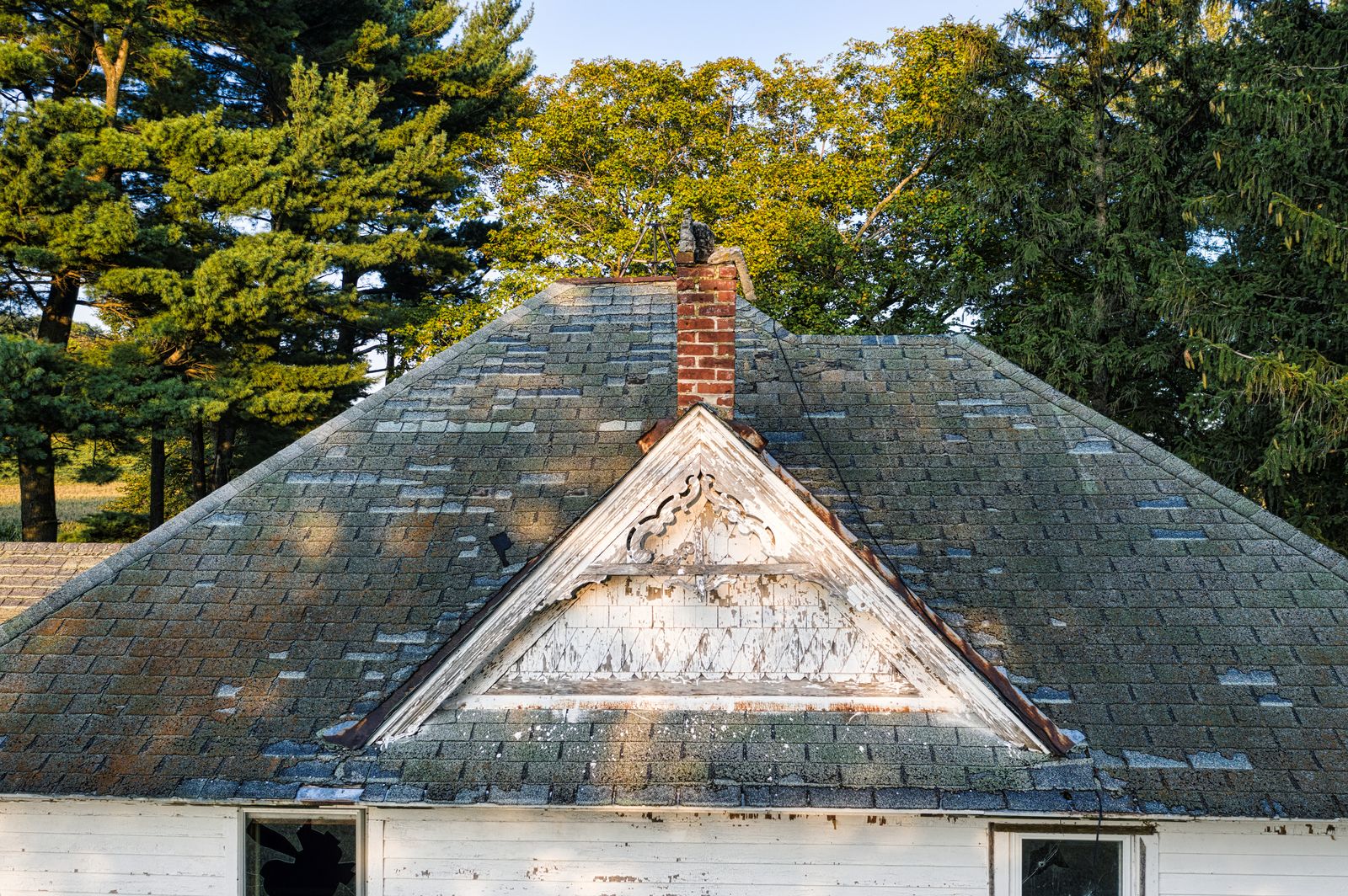
Most asphalt shingle roofs last between 20 and 30 years, depending on the quality of materials, installation, and ongoing maintenance. Winnipeg's harsh winters and freeze thaw cycles can sometimes shorten that lifespan.

Even if your roof isn't leaking, an older roof deserves regular inspections.

If you're unsure when your roof was last replaced, check your home records or ask the previous owner if possible.

An aging roof doesn't always require immediate replacement, but it should be monitored closely.

Missing or Damaged Shingles

Take a look at your roof from ground level after a major storm.

Do you notice missing shingles? Are any curled, cracked, loose, or lifting at the edges?

Damaged shingles leave the underlying roofing materials exposed to moisture.

The sooner these issues are repaired, the less likely water will find its way into your home.

Never climb onto your roof unless you have the proper safety equipment. A professional inspection is always the safest option.

Granules Collecting in Your Gutters

Asphalt shingles are coated with protective granules that help shield them from the elements.

Over time, these granules naturally wear away.

If you notice large amounts of gritty material collecting inside your gutters or at the bottom of your downspouts, it could indicate your shingles are nearing the end of their useful life.

Some granule loss is normal on newer roofs, but excessive amounts deserve further investigation.

Water Stains Inside Your Home

Sometimes the first clue isn't outside at all.

Brown stains on ceilings, bubbling paint, peeling drywall, or discoloration in the attic may all point to a roof leak.

Even small water stains should never be ignored.

Water can travel considerable distances before becoming visible inside your home, making the actual source difficult to identify without a proper inspection.

Addressing leaks early can prevent mold growth, insulation damage, and costly structural repairs.

Sagging Areas on the Roof

A roof should appear straight and even.

If you notice sections that appear to dip or sag, it may indicate a more serious structural issue.

Sagging can result from long term moisture damage, weakened roof decking, or structural deterioration.

This type of problem requires immediate professional evaluation.

Ignoring structural concerns could lead to much larger repair costs down the road.

Flashing Looks Damaged

Flashing is the metal material installed around chimneys, skylights, vents, and roof valleys to prevent water from entering your home.

Over time, flashing can loosen, crack, rust, or separate from surrounding materials.

Even if your shingles appear to be in good condition, damaged flashing can allow water to penetrate vulnerable areas of your roof.

Regular inspections help catch these problems before leaks develop.

Moss, Algae, or Mold Growth

Dark streaks, moss, or algae growing on your roof may seem like a cosmetic issue, but they can trap moisture against roofing materials.

Over time, excessive moisture may contribute to premature deterioration.

Keeping your roof clean and free of debris allows it to dry properly after rain or snow.

If moss becomes widespread, consult a roofing professional before attempting removal.

Improper cleaning methods can damage shingles.

Your Energy Bills Are Increasing

Your roof plays an important role in your home's overall energy efficiency.

Damaged roofing materials or poor attic ventilation can make it harder to maintain comfortable indoor temperatures.

If you've noticed higher heating or cooling costs without another obvious explanation, your roof could be contributing to the problem.

A roofing inspection may reveal ventilation or insulation issues that improve comfort while lowering utility bills.

Daylight Visible in the Attic

Visit your attic during daylight hours.

If sunlight is shining through the roof boards, water can likely enter through those same openings.

Also look for damp insulation, mold, musty odors, or visible moisture after rainfall.

Your attic often provides valuable clues about your roof's condition long before damage becomes obvious inside your living space.

Ice Dam Damage from Previous Winters

Winnipeg winters are known for heavy snowfall and freezing temperatures.

Ice dams can form along roof edges when melting snow refreezes.

This trapped water may back up underneath shingles and eventually leak into the home.

If your property has experienced ice dams in previous winters, it's worth having your roof inspected before cold weather returns.

Preventative maintenance now may save significant repair costs later.

Nearby Trees Could Be Causing Problems

Large tree branches hanging over your roof can create several problems.

Branches may scrape shingles during windy weather, while falling limbs can cause sudden damage during storms.

Leaves also collect moisture and clog gutters, increasing the risk of water problems.

Trimming trees regularly helps protect both your roof and your home's exterior.

Regular Roof Inspections Save Money

Many homeowners wait until they notice a leak before calling a roofing professional.

Unfortunately, by that point, damage may already extend beyond the roof itself.

Scheduling a roof inspection every few years, especially after severe storms or harsh winters, allows small issues to be addressed before they become major expenses.

Routine maintenance almost always costs less than emergency repairs.

Why Roof Maintenance Matters When Selling

If you're planning to sell your home, the condition of your roof matters more than many homeowners realize.

Buyers often ask about the roof's age, maintenance history, and overall condition.

A well maintained roof gives buyers confidence and reduces concerns during inspections.

On the other hand, visible roof problems may lead to lower offers, repair requests, or delayed negotiations.

Keeping your roof in good condition helps protect both your home's value and your selling experience.

Final Thoughts

Your roof quietly protects your home through every season, but it won't last forever.

By paying attention to common warning signs like missing shingles, water stains, sagging areas, damaged flashing, and excessive granule loss, you can address small problems before they become expensive repairs.

Regular inspections and preventative maintenance not only extend the life of your roof but also help preserve your home's value and provide peace of mind.

Whether you're planning to stay in your home for many years or preparing to sell, taking care of your roof is one of the smartest investments you can make.

A well maintained roof is one of the first things buyers notice and one of the biggest factors in protecting your home's value. If you're wondering whether your home is ready for today's market or you're curious about which improvements will make the biggest impact before selling, having trusted local guidance can make the process much easier.

Ty Mitchell has helped Winnipeg homeowners make confident real estate decisions by providing honest advice, local market expertise, and personalized strategies for buying and selling. If you're thinking about selling or simply want to understand your home's current value, visit https://tysellswpg.com/ to connect with Ty and get started.

Read

Open House. Open House on Saturday, July 18, 2026 1:00PM - 2:30PM

Please visit our Open House at 26 Vireo Lane in Winnipeg. See details here

Open House on Saturday, July 18, 2026 1:00PM - 2:30PM

2K//Winnipeg/S/S Mon. July 13 OTP Mon. July 20. Open House Sat. Jul. 18 1-2:30 + Sun. Jul. 19 12-2. Spectacular 2,505 sq ft 2-story walk-out on a premium pond-view lot! Comprehensively renovated in 2021 by Paradigm, this masterpiece blends luxury with modern function. The main floor boasts a private office with WM Dyck custom built-ins & barn door, plus a grand living area featuring a gas fireplace, ceiling speakers, and massive windows. The chef s kitchen is an absolute showstopper: a massive quartz island, gas stove, pot filler, and walk-out to a 16x14 Blue Chip deck. Convenience shines with a deluxe mudroom & oversized double garage Upstairs, the primary suite is unrivaled in size, featuring massive dual walk-in closets & a spa ensuite with heated tile & custom Robinson fixtures. The walk-out lower level offers eye-level pond views, a covered deck, a dedicated rubber-floored home gym, and robust mechanics. Beautiful landscaping plus Sprinkler system by Sunshower. From the glass stair inserts to the custom details throughout, this home offers an elite lifestyle in one of Winnipeg's premier neighborhood. (id:2493)

Read

Open House. Open House on Sunday, July 19, 2026 12:00PM - 2:00PM

Please visit our Open House at 26 Vireo Lane in Winnipeg. See details here

Open House on Sunday, July 19, 2026 12:00PM - 2:00PM

2K//Winnipeg/S/S Mon. July 13 OTP Mon. July 20. Open House Sat. Jul. 18 1-2:30 + Sun. Jul. 19 12-2. Spectacular 2,505 sq ft 2-story walk-out on a premium pond-view lot! Comprehensively renovated in 2021 by Paradigm, this masterpiece blends luxury with modern function. The main floor boasts a private office with WM Dyck custom built-ins & barn door, plus a grand living area featuring a gas fireplace, ceiling speakers, and massive windows. The chef s kitchen is an absolute showstopper: a massive quartz island, gas stove, pot filler, and walk-out to a 16x14 Blue Chip deck. Convenience shines with a deluxe mudroom & oversized double garage Upstairs, the primary suite is unrivaled in size, featuring massive dual walk-in closets & a spa ensuite with heated tile & custom Robinson fixtures. The walk-out lower level offers eye-level pond views, a covered deck, a dedicated rubber-floored home gym, and robust mechanics. Beautiful landscaping plus Sprinkler system by Sunshower. From the glass stair inserts to the custom details throughout, this home offers an elite lifestyle in one of Winnipeg's premier neighborhood. (id:2493)

Read

Summer Home Maintenance Checklist for Winnipeg Homeowners

After months of snow, freezing temperatures, and icy sidewalks, summer finally arrives in Winnipeg. It's the season homeowners look forward to. Longer days, warmer weather, backyard barbecues, and plenty of time spent outdoors.

But summer is also one of the best times to give your home the attention it deserves.

The warmer weather makes it easier to inspect your property, complete outdoor projects, and take care of maintenance tasks before small problems turn into expensive repairs. A little effort now can help protect your investment, improve your home's appearance, and even save money down the road.

Whether you've owned your home for years or recently moved into your first place, this summer home maintenance checklist will help you stay on top of the essentials.

Start with a Full Exterior Walkaround

Winter can be tough on homes in Winnipeg.

Snow, ice, freezing temperatures, and spring melt all take their toll on roofs, siding, driveways, decks, and foundations. Before diving into individual projects, take a slow walk around your property.

Look for cracked siding, peeling paint, damaged brickwork, loose trim, missing shingles, uneven walkways, or signs that water has been collecting around your foundation.

Catching these issues early often means simpler and less expensive repairs.

Think of this as your annual home health check.

Inspect Your Roof

Your roof quietly protects your home every day, but Winnipeg winters can be especially hard on roofing materials.

From the ground, check for missing shingles, curling edges, damaged flashing, or debris that may have collected during storms.

If you notice anything unusual, it's worth having a roofing professional take a closer look.

Preventative maintenance is almost always cheaper than repairing water damage later.

Clean Gutters and Downspouts

Even if you cleaned your gutters in the fall, spring storms and tree blossoms can quickly create new blockages.

Clear leaves, twigs, and debris so rainwater flows properly through the downspouts.

Also make sure downspouts direct water several feet away from your home's foundation.

Proper drainage helps prevent foundation movement, basement moisture, and landscape erosion.

Check Your Air Conditioner

Nobody wants their air conditioner to stop working during the hottest week of the summer.

Replace or clean your furnace and air conditioning filter, remove debris around the outdoor unit, and make sure vents inside your home remain unobstructed.

If your system hasn't been serviced in several years, scheduling a professional inspection can improve efficiency and extend its lifespan.

A well maintained cooling system also helps reduce energy costs.

Inspect Windows and Doors

Take a close look at your windows and exterior doors.

Check weather stripping, caulking, and seals for cracks or gaps that may have developed over the winter.

Replacing worn seals helps keep cool air inside during summer while also preparing your home for the colder months ahead.

Clean windows inside and out to let in more natural light and improve curb appeal.

Sometimes the smallest improvements make the biggest visual difference.

Refresh Your Landscaping

Summer is the perfect season to improve your yard.

Trim overgrown trees and shrubs, edge flower beds, remove weeds, add fresh mulch, and keep the lawn healthy with proper watering and mowing.

Pay special attention to tree branches hanging over your roof or close to power lines.

Healthy landscaping not only looks great, but also protects your home from potential damage during summer storms.

Inspect Your Deck and Fence

If your deck becomes the gathering place every summer, give it a thorough inspection before inviting family and friends over.

Look for loose boards, popped nails, unstable railings, or signs of wood rot.

Pressure wash the surface and consider resealing or staining it if needed.

Check fences as well for leaning posts or damaged sections caused by winter frost.

These simple projects improve both safety and appearance.

Test Outdoor Faucets and Sprinklers

Outdoor plumbing often goes unnoticed until something leaks.

Turn on exterior faucets and inspect for drips or reduced water pressure.

Check garden hoses, sprinkler systems, and irrigation lines for cracks or leaks that may have developed over winter.

Fixing small plumbing issues now helps conserve water and prevent larger repairs later.

Power Wash Exterior Surfaces

Over time, dirt, pollen, mildew, and grime accumulate on siding, driveways, patios, and walkways.

A good power washing instantly freshens your home's appearance.

Just be careful to use the appropriate pressure settings for each surface to avoid damage.

Clean exterior spaces make your property look newer, brighter, and well cared for.

Check Your Smoke and Carbon Monoxide Detectors

Safety should always be part of every maintenance routine.

Test every smoke detector and carbon monoxide alarm throughout your home.

Replace batteries if needed and confirm each unit is working properly.

If detectors are nearing the end of their recommended lifespan, replace them completely.

A few minutes spent testing these devices provides peace of mind all year long.

Look for Signs of Pests

Warmer weather brings increased insect and rodent activity.

Inspect your home's exterior for openings around pipes, vents, windows, and doors where pests could enter.

Watch for signs of ant colonies, wasp nests, termites, or rodents around your property.

Sealing entry points early can prevent much bigger pest problems later.

Review Your Home Maintenance Records

Summer is also a great time to organize your home maintenance information.

Keep receipts, warranties, appliance manuals, and records of repairs in one place.

Having organized documentation helps with future maintenance planning and can even add value if you decide to sell your home.

Buyers appreciate homes with a well documented maintenance history.

Think Ahead to Future Projects

Once you've completed routine maintenance, consider any larger improvements you've been postponing.

Maybe it's replacing aging windows, updating landscaping, repainting your exterior, finishing the basement, or renovating a bathroom.

Summer provides excellent weather for many home improvement projects.

Planning ahead also gives you time to budget and schedule contractors before their busiest seasons.

Final Thoughts

Owning a home comes with ongoing responsibilities, but regular maintenance doesn't have to feel overwhelming.

By tackling a few simple projects each summer, you can prevent costly repairs, improve energy efficiency, protect your home's value, and enjoy your property even more.

The key is consistency.

A little maintenance each season is far easier than dealing with major repairs that could have been avoided.

Whether you're planning to stay in your home for decades or considering selling in the next few years, taking care of your property is always a worthwhile investment.

Your future self, and your future buyers, will thank you.

A well maintained home is one of the best investments you can make, whether you're planning to stay for years or thinking about selling in the future. If you're wondering which improvements will add the most value to your home or you're considering making a move in the Winnipeg market, having an experienced local REALTOR® on your side makes all the difference.

Ty Mitchell helps Winnipeg homeowners make informed decisions before buying, selling, or investing. If you'd like expert advice about your home's value, preparing your property for sale, or navigating the Winnipeg real estate market, visit https://tysellswpg.com/ and connect with Ty today.

Read
The trademarks REALTOR®, REALTORS®, and the REALTOR® logo are controlled by The Canadian Real Estate Association (CREA) and identify real estate professionals who are member’s of CREA. The trademarks MLS®, Multiple Listing Service® and the associated logos are owned by CREA and identify the quality of services provided by real estate professionals who are members of CREA. Used under license.