RSS

What to Do on Possession Day in Winnipeg

Possession day is one of the most exciting parts of buying a home. After weeks or months of searching, negotiating, paperwork, inspections, and waiting, the day finally arrives when the home officially becomes yours.

But while possession day is exciting, it can also feel busy, emotional, and sometimes a little chaotic. Between picking up keys, moving boxes, checking utilities, and making sure everything is in order, there is a lot happening at once.

For Winnipeg home buyers, preparation makes a huge difference. Knowing what to expect ahead of time can help possession day feel smoother, less stressful, and much more enjoyable.

If you are preparing for possession day in Winnipeg, here is a practical guide to help you stay organized and confident throughout the process.

Understand What Possession Day Actually Means

Possession day is the date when ownership officially transfers from the seller to the buyer. This is the day you legally take possession of the property and receive access to the home.

In most cases, possession happens after all legal paperwork has been completed and funds have been transferred through lawyers involved in the transaction.

Many buyers expect keys first thing in the morning, but possession timing can vary depending on when the legal process is finalized that day.

Confirm Timing With Your Realtor and Lawyer

Before possession day arrives, confirm timelines with your realtor and lawyer so you know when to expect updates and key pickup instructions.

Understanding the process ahead of time helps reduce stress and prevents unnecessary confusion during moving day.

It is also helpful to stay flexible, because exact timing can occasionally shift depending on paperwork completion and fund transfers.

Bring Important Documents With You

Keep all important paperwork easily accessible on possession day.

This may include:

Government identification
Lawyer contact information
Purchase documents
Utility account information
Moving company details

Having everything organized in one folder or digital file can make the day feel much more manageable.

Do a Careful Walkthrough of the Home

Once you receive access to the property, take time to do a full walkthrough before fully settling in.

Check that appliances are present and working, lights function properly, plumbing is operational, and agreed upon repairs or inclusions are complete.

Although most possession days go smoothly, it is important to identify any unexpected issues early.

Check Utilities Immediately

One of the first things buyers should verify is that utilities are functioning properly.

Check:

Heat
Electricity
Water
Internet setup
Air conditioning if applicable

In Winnipeg, especially during winter, confirming the heating system is working properly is extremely important.

Change the Locks for Peace of Mind

One of the smartest things new homeowners can do is change the locks shortly after possession.

Even if you trust the previous owners, you never truly know how many spare keys may still exist.

Updating locks immediately helps provide peace of mind and gives you full control over home access moving forward.

Expect Moving Day to Feel Busy

No matter how organized you are, moving day usually feels hectic at times. Boxes pile up quickly, timelines shift, and emotions run high.

The goal is not perfection. It is progress.

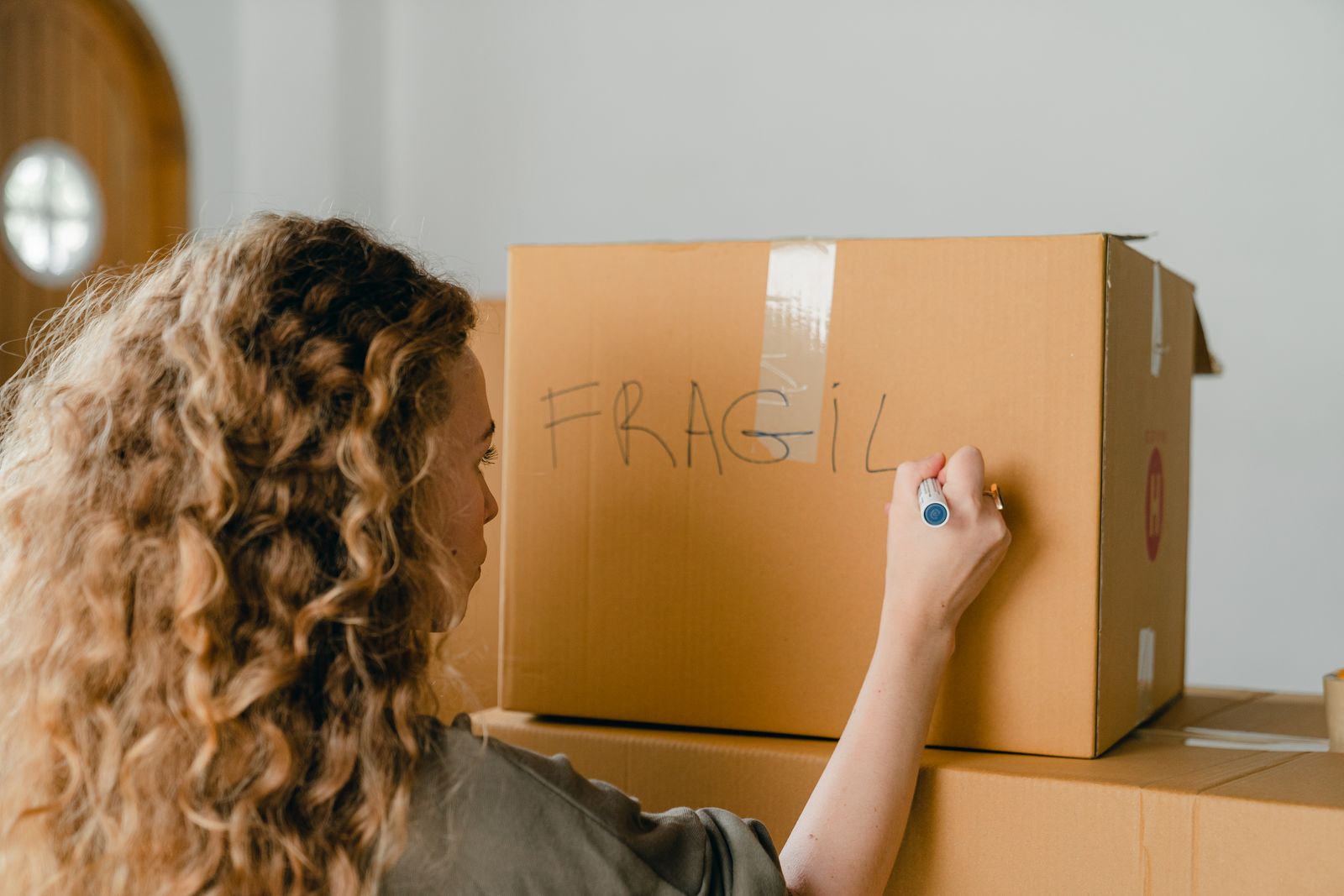
Packing essentials separately, labeling boxes clearly, and having snacks and water available can help make the process much smoother.

Prioritize Essential Areas First

You do not need to unpack the entire house immediately.

Focus first on the most important spaces:

Bedrooms
Bathrooms
Kitchen essentials
Basic cleaning supplies

Having these areas functional right away can help the home feel more comfortable during the transition.

Take Photos of the Property

Taking photos of the property on possession day is a smart idea for documentation purposes.

This creates a record of the home’s condition at the time of possession and can also be useful for insurance purposes later.

Introduce Yourself to the Neighbors

Possession day marks the beginning of becoming part of a new community.

If the opportunity comes naturally, introducing yourself to neighbors can help make the transition feel more welcoming and comfortable.

Many Winnipeg neighborhoods have strong community connections that make settling in easier over time.

Expect Some Emotional Moments

Possession day can feel emotional, especially for first time buyers.

After all the planning, stress, excitement, and waiting, finally stepping into your own home often feels surreal.

Take a moment to appreciate the milestone. Homeownership is a major achievement and an exciting new chapter.

Understand That Small Issues Can Happen

Even smooth transactions sometimes come with small surprises.

Maybe an appliance manual was left behind, a light bulb burned out, or something minor needs attention after moving in.

Most issues are manageable, and staying calm helps keep the day enjoyable and productive.

Create a Home Maintenance Plan Early

Possession day is also the beginning of maintaining your investment properly.

Learning where shut off valves are located, understanding your furnace system, and keeping track of maintenance schedules can help homeowners feel more confident long term.

Starting good habits early makes homeownership much easier.

Why Working With the Right Realtor Matters

Possession day tends to go much more smoothly when buyers have strong support throughout the process.

An experienced Winnipeg real estate professional helps guide buyers through timelines, expectations, negotiations, and closing details so fewer surprises arise along the way.

Having someone who understands the local market and process can make a major difference during such an important milestone.

Final Thoughts

Possession day in Winnipeg is exciting, memorable, and sometimes a little overwhelming all at once. But with preparation and the right mindset, it can also be one of the most rewarding days of the entire home buying journey.

The key is staying organized, flexible, and focused on the bigger picture. There may be boxes everywhere and a long to do list ahead, but at the end of the day, you are officially home.

Take your time settling in, celebrate the milestone, and remember that homeownership is a journey, not a perfectly organized moment.

If you are buying, selling, or preparing for possession in Winnipeg, having trusted guidance throughout the process can make everything feel much easier.

For personalized advice and expert support from Ty Mitchell, visit https://tysellswpg.com/

A smooth possession day starts with preparation, but it becomes even better when you have the right people helping you along the way.

Read

Downsizing in Winnipeg. Where to Start

Downsizing sounds simple in theory. Move into a smaller home, get rid of extra stuff, and simplify life. But anyone who has actually gone through the process knows it is much more emotional and complicated than it first appears.

For many Winnipeg homeowners, downsizing happens during a major life transition. Maybe the kids have moved out. Maybe maintaining a larger home no longer makes sense. Maybe retirement is approaching, or perhaps you simply want less stress and more freedom.

Whatever the reason, downsizing is not just about square footage. It is about making thoughtful decisions about your lifestyle, finances, and future.

The good news is that downsizing does not have to feel overwhelming. With the right plan and the right mindset, the process can actually feel exciting and refreshing.

If you are considering downsizing in Winnipeg and wondering where to begin, this guide will help you take the first steps with confidence.

Start With Your “Why”

Before making any decisions, take time to understand why you want to downsize in the first place.

For some homeowners, the motivation is financial. A smaller property may reduce mortgage costs, utility bills, property taxes, and maintenance expenses. Others want less responsibility and more flexibility for travel, retirement, or a simpler lifestyle.

Knowing your reasons helps guide every other decision during the process. It also makes it easier to stay focused when the emotional side of downsizing starts to feel difficult.

Understand What Downsizing Really Means

Downsizing does not always mean moving into a tiny condo or drastically changing your lifestyle. Sometimes it simply means choosing a home that fits your current needs more efficiently.

For example, many Winnipeg homeowners move from large two story homes into bungalows, condos, or smaller family homes with less maintenance.

The goal is not necessarily “less.” The goal is “better suited” for your next stage of life.

Decluttering Takes Longer Than You Think

One of the biggest mistakes people make is underestimating how long decluttering will take.

Most homeowners have years, sometimes decades, of belongings collected throughout the home. Going through everything room by room can be emotional and time consuming.

Start early and work gradually. Trying to tackle everything in one weekend usually creates unnecessary stress.

A simple strategy is creating four categories for items:

Keep
Donate
Sell
Discard

This process becomes easier when you focus on practicality instead of guilt.

Focus on Your Future Space

When deciding what to keep, think about the home you are moving into, not the home you currently have.

Furniture that fits beautifully in a larger house may overwhelm a smaller space. Storage may also look very different in your next property.

Understanding the layout and storage capacity of your future home helps you make smarter decisions about what truly needs to come with you.

Start With Low Emotion Areas First

Not every room carries the same emotional weight.

Start with easier spaces like storage rooms, linen closets, garages, or laundry areas before tackling sentimental items like photographs or family keepsakes.

Building momentum early can help make the entire process feel less overwhelming.

Digitize What You Can

Many homeowners are surprised by how much physical paper they have collected over the years.

Scanning documents, organizing digital photos, and reducing paper clutter can free up significant space while helping you stay organized.

This is especially helpful if you are moving into a home with less storage.

Consider the Financial Side of Downsizing

Downsizing often comes with important financial opportunities. Selling a larger home may free up equity, reduce monthly costs, or create more financial flexibility during retirement.

However, it is important to understand all associated costs before making the move. Closing costs, moving expenses, condo fees, renovations, and property taxes should all be part of your planning process.

Working with an experienced Winnipeg real estate professional can help you understand the numbers clearly before making decisions.

Timing Matters When Selling Your Home

Many downsizing homeowners need to coordinate both selling and buying at the same time.

This is where planning becomes incredibly important. Understanding market conditions, timing your listing properly, and preparing your current home for sale can make the transition much smoother.

Starting conversations early gives you more flexibility and less pressure later.

Emotional Attachment Is Normal

For many people, downsizing means leaving a home filled with memories. That emotional attachment is completely normal.

A house often represents years of family experiences, milestones, and routines. Letting go of a longtime home can feel bittersweet.

It helps to remember that downsizing is not about leaving memories behind. It is about creating a lifestyle that better supports your future.

Think About Lifestyle, Not Just Space

The best downsizing decisions are usually based on lifestyle goals instead of simply reducing square footage.

Ask yourself questions like:

Do you want less yard maintenance?
Do you want to travel more?
Would you prefer a walkable neighborhood?
Do stairs still work for your long term plans?
Would a condo lifestyle fit your needs better?

Your next home should support how you want to live moving forward.

Do Not Rush the Process

Downsizing works best when homeowners give themselves time.

Rushing decisions often leads to unnecessary stress, regret, or poor organization. Starting early allows you to sort through belongings thoughtfully and make confident choices.

Even completing one small task each week can create major progress over time.

Why Professional Guidance Helps

Downsizing involves much more than just moving. There are financial decisions, emotional considerations, market timing, and logistical details all happening at once.

Working with a knowledgeable Winnipeg real estate professional can help simplify the process and reduce uncertainty.

From preparing your home for sale to helping you find the right next property, having experienced guidance can make a major difference.

Final Thoughts

Downsizing is not about giving things up. It is about creating a lifestyle that feels more manageable, comfortable, and aligned with where you are in life today.

For some Winnipeg homeowners, downsizing creates financial freedom. For others, it creates less stress, less maintenance, and more flexibility. No matter the reason, starting with a clear plan makes the process far easier.

The key is taking it one step at a time. Declutter gradually, focus on your future lifestyle, and give yourself permission to make thoughtful decisions along the way.

If you are considering downsizing and want expert guidance on selling, buying, or planning your next move, working with a local Winnipeg real estate professional can help make the transition smoother and less stressful.

For personalized advice and expert support from Ty Mitchell, visit https://tysellswpg.com/

The right move is not always about finding a bigger home. Sometimes it is about finding the right fit for the next chapter of your life.

Read

Moving to Winnipeg. What You Need to Know First

Moving to a new city always comes with a mix of excitement and uncertainty. You are learning new streets, exploring different neighborhoods, adjusting to a new routine, and trying to figure out what daily life will actually feel like once the boxes are unpacked.

If Winnipeg is on your radar, there is a lot to look forward to. The city offers affordability, strong communities, growing opportunities, and a lifestyle that many people find surprisingly balanced. At the same time, moving to Winnipeg also comes with unique things you should understand before making the move.

From housing and weather to transportation and local lifestyle, this guide will walk you through what you really need to know before relocating to Winnipeg.

Why More People Are Moving to Winnipeg

Winnipeg continues to attract people from across Canada because of its affordability and quality of life. Compared to larger cities like Toronto or Vancouver, housing costs are often much more manageable.

People are also drawn to Winnipeg for career opportunities, family friendly communities, and the ability to enjoy more space without the extremely high cost of living found in other major cities.

Understanding Winnipeg’s Housing Market

One of Winnipeg’s biggest advantages is its housing affordability. Buyers often find they can get more space and value for their money compared to many other Canadian cities.

Different neighborhoods offer different lifestyles and price points. Some areas are known for family homes and quiet streets, while others appeal to professionals who want walkability and urban convenience.

Understanding the local market before moving can help you make smarter decisions about where and when to buy.

Winnipeg Winters Are Serious

Let’s be honest. Winnipeg winters are cold. Really cold at times. Temperatures can drop significantly during the winter months, and snowfall is part of everyday life for a good portion of the year.

The key is preparation. Homes, vehicles, and daily routines are built around winter conditions here. Once you adapt and learn how to prepare properly, winter becomes much more manageable.

Good winter clothing, proper tires, and understanding home heating systems are all part of adjusting to life in Winnipeg.

The Cost of Living Can Be a Major Advantage

One reason many people move to Winnipeg is because the overall cost of living tends to be lower than in larger metropolitan areas.

Housing, transportation, and even some daily expenses can feel more affordable, which allows many homeowners to enjoy more financial flexibility.

For buyers entering the market for the first time, Winnipeg often feels more accessible compared to other major Canadian cities.

Choosing the Right Neighborhood Matters

Every Winnipeg neighborhood has its own personality. Some communities are ideal for families, while others appeal more to young professionals, retirees, or buyers looking for investment opportunities.

Factors like commute times, schools, amenities, and lifestyle preferences all play a role in finding the right fit.

Taking time to explore different neighborhoods before buying can help you feel more confident about your decision.

Transportation and Getting Around the City

Winnipeg is generally considered a car friendly city, although public transportation is available throughout many areas.

Winter driving conditions are something newcomers should prepare for. Snow clearing and winter road conditions become part of daily life during colder months.

For many residents, having a reliable vehicle and winter tires is an important part of living comfortably in Winnipeg.

Home Maintenance Is Important in Winnipeg

Homes in Winnipeg experience a lot because of the changing seasons. Heating systems, insulation, windows, and roofs all play an important role in protecting your home during winter.

Understanding seasonal maintenance early can help homeowners avoid expensive repairs and keep their homes operating efficiently year round.

The Community Feel Is Strong

One thing many newcomers notice about Winnipeg is the strong sense of community. Many neighborhoods have a welcoming, local feel that makes it easier to settle in.

People often build long term connections here through schools, sports, local businesses, and community events.

There Is More to Winnipeg Than People Expect

People who have never lived in Winnipeg are sometimes surprised by how much the city offers. There are restaurants, festivals, sports, arts, outdoor activities, and entertainment throughout the year.

Summer festivals, local markets, and community events create a lively atmosphere once warmer weather arrives.

Why Timing Your Move Matters

Timing can make your move easier and less stressful. Winter moves are possible, but they require extra planning because of weather conditions.

Many people prefer spring or summer moves because of milder weather and easier transportation conditions.

Planning ahead also gives you more time to research neighborhoods, schools, and housing options.

Buying vs Renting in Winnipeg

Some newcomers start by renting before buying, while others jump directly into homeownership. The right choice depends on your financial situation, timeline, and long term goals.

Because Winnipeg housing remains relatively affordable, many buyers find homeownership more achievable here compared to other cities.

Why Working With a Local Expert Helps

Moving to a new city comes with a lot of questions, especially when it comes to housing and neighborhoods. Working with a local real estate expert can make the process much smoother.

A knowledgeable agent can help you understand the market, narrow down communities, and avoid common mistakes during relocation.

Final Thoughts

Moving to Winnipeg can be an exciting opportunity, whether you are relocating for work, family, lifestyle, or a fresh start. The city offers affordability, strong communities, and a balanced way of living that continues to attract people from across Canada.

At the same time, preparation matters. Understanding the climate, housing market, and lifestyle ahead of time can help you transition more smoothly and feel more confident about your move.

If you are planning a move and want trusted local advice about buying or living in Winnipeg, having the right support can make all the difference.

For personalized guidance and expert support from Ty Mitchell, visit https://tysellswpg.com/

The more informed you are before your move, the easier it becomes to feel at home once you arrive.

Read

Must-Know Home Maintenance Tips for New Homeowners

Buying your first home is exciting. You finally have your own space, your own responsibilities, and the freedom to make your home truly yours. But along with that excitement comes something many first time homeowners do not fully expect. Maintenance.

Owning a home means learning how to take care of it properly. The good news is that home maintenance does not have to feel overwhelming. In fact, a lot of it comes down to simple habits and small tasks that help prevent bigger and more expensive problems later.

In a city like Winnipeg, where homes experience freezing winters, warm summers, and everything in between, staying ahead of maintenance is especially important. Whether you just moved into your first home or want to feel more confident as a homeowner, these must know maintenance tips can help you protect your investment and make homeownership a lot less stressful.

Start With Understanding Your Home Systems

One of the smartest things a new homeowner can do is learn the basics of how their home works. This includes knowing where the water shut off valve is, how your furnace operates, and where your electrical panel is located.

Understanding these systems early can save you time and stress during emergencies or routine maintenance situations.

Replace Furnace Filters Regularly

In Winnipeg, your furnace works hard for a large part of the year. Replacing furnace filters regularly helps improve airflow, indoor air quality, and heating efficiency.

A dirty filter forces your furnace to work harder than necessary, which can increase utility bills and shorten the lifespan of the system.

Check for Drafts Around Windows and Doors

Small drafts can lead to big heating costs during winter. Checking windows and doors for air leaks is one of the easiest ways to improve comfort and efficiency.

Weather stripping and caulking are affordable solutions that can make a noticeable difference during colder months.

Keep Gutters and Downspouts Clean

Gutters help direct water away from your home. When they become clogged with leaves and debris, water can overflow and potentially damage your roof, siding, or foundation.

Cleaning gutters at least twice a year helps protect your home from avoidable moisture problems.

Pay Attention to Your Roof

Your roof protects everything underneath it, so regular inspections matter. Missing shingles, damaged flashing, or signs of wear should be addressed quickly before they become larger issues.

Winnipeg weather can be tough on roofs, especially during winter and storm seasons.

Test Smoke and Carbon Monoxide Detectors

Home safety should always be a priority. Test smoke detectors and carbon monoxide detectors regularly to make sure they are functioning properly.

Replacing batteries and checking devices every few months is a simple habit that can help protect your household.

Watch for Plumbing Leaks Early

Even small plumbing leaks can lead to larger water damage if ignored for too long. Check under sinks, around toilets, and near appliances regularly for signs of moisture or leaks.

Catching problems early can save homeowners from costly repairs later.

Learn Basic Seasonal Maintenance

Different seasons bring different maintenance needs. Spring is great for checking drainage and exterior damage, while fall is the time to prepare your home for winter.

Creating a simple seasonal checklist can help new homeowners stay organized and proactive throughout the year.

Do Not Ignore Small Repairs

One of the biggest mistakes new homeowners make is putting off small repairs because they seem minor at the time.

Loose caulking, dripping faucets, or cracked seals may not feel urgent, but these small issues often become more expensive if ignored.

Maintain Proper Drainage Around the Home

Water should always drain away from your home’s foundation. Poor drainage can lead to moisture issues, basement leaks, and long term structural concerns.

Check your grading and make sure downspouts extend far enough away from the house.

Understand Your Utility Usage

Many new homeowners are surprised by utility costs, especially during Winnipeg winters. Monitoring your heating, electricity, and water usage can help you identify ways to improve efficiency.

Simple habits like adjusting thermostat settings and using energy efficient lighting can make a difference over time.

Keep a Home Maintenance Budget

Homeownership comes with ongoing expenses, so it helps to set aside money for maintenance and unexpected repairs.

Having a maintenance budget can reduce financial stress and help you handle issues more confidently when they arise.

Build Relationships With Trusted Professionals

Not every maintenance task needs to be handled alone. Building relationships with trusted contractors, plumbers, electricians, and HVAC professionals can save time and prevent future headaches.

Knowing who to call when something happens makes homeownership much less overwhelming.

Protect Your Home’s Long Term Value

Routine maintenance does more than keep your home comfortable. It also protects your home’s value over time.

Buyers notice when homes have been properly cared for, and staying proactive can help reduce major repair costs later on.

Why Winnipeg Homeowners Need a Proactive Approach

Winnipeg’s climate creates unique challenges for homeowners. Cold winters, snow buildup, and seasonal weather changes all impact how homes age and perform.

A proactive approach to maintenance helps homeowners stay ahead of these challenges instead of reacting once problems appear.

Final Thoughts

Homeownership comes with responsibility, but it does not have to feel intimidating. The key is staying consistent with simple maintenance habits and learning how your home works over time.

Small efforts today can prevent major problems tomorrow. From replacing furnace filters to checking for leaks and preparing for winter, every step helps protect your investment and improve your comfort.

If you are thinking about buying, selling, or maintaining a home in Winnipeg, having guidance from a local expert can make the process much easier.

For personalized advice and expert support from Ty Mitchell, visit https://tysellswpg.com/

A well maintained home is not just easier to manage. It is also a smarter investment for the future.

Read

How to Lower Your Utility Bills in Winnipeg

Living in Winnipeg comes with many great things, but low utility bills are not always one of them. Between freezing winters, hot summers, and long heating seasons, energy costs can add up quickly for homeowners.

The good news is that lowering your utility bills does not always require massive renovations or expensive upgrades. In many cases, small changes and smart habits can make a noticeable difference over time.

Whether you are a new homeowner or have lived in your property for years, understanding where energy gets wasted and how to improve efficiency can help you save money while making your home more comfortable year round.

Let’s go through practical and realistic ways Winnipeg homeowners can lower utility costs without making life complicated.

Start With Your Heating System

In Winnipeg, heating is usually the biggest contributor to utility costs. Your furnace works hard for several months every year, so keeping it running efficiently matters.

Regular furnace maintenance, replacing filters, and scheduling inspections can help improve performance and reduce unnecessary energy use. A furnace that struggles because of poor maintenance often uses more energy than necessary.

Replace Furnace Filters Regularly

A dirty furnace filter restricts airflow and forces your heating system to work harder. This increases both energy usage and wear on the system.

Checking your furnace filter monthly during winter and replacing it regularly is one of the simplest ways to improve efficiency and lower costs.

Seal Drafts Around the Home

Small drafts around windows and doors can lead to significant heat loss during Winnipeg winters. Even tiny gaps allow warm air to escape and cold air to enter.

Weather stripping, caulking, and sealing leaks can make your home feel warmer while reducing the workload on your furnace.

Upgrade Your Insulation

Insulation plays a major role in keeping heat inside your home. Poor insulation means your furnace needs to work overtime to maintain comfortable temperatures.

Attics are one of the most common places where heat escapes. Improving insulation can help stabilize indoor temperatures and lower monthly utility bills.

Use a Programmable Thermostat

A programmable thermostat helps manage heating and cooling more efficiently by adjusting temperatures automatically throughout the day.

Lowering the temperature slightly while you are sleeping or away from home can lead to noticeable savings over time without sacrificing comfort.

Improve Window Efficiency

Windows are another major source of energy loss, especially during winter. Older windows may allow cold air inside even when closed.

Adding window coverings, thermal curtains, or upgrading to energy efficient windows can help improve insulation and reduce heating costs.

Reduce Hot Water Usage

Water heating is another significant utility expense for many homeowners. Simple changes like shorter showers, fixing leaks, and using energy efficient fixtures can help reduce costs.

Lowering the temperature setting on your water heater slightly can also improve efficiency while still providing comfortable hot water.

Switch to LED Lighting

Lighting may seem like a small expense, but it adds up over time. LED bulbs use less electricity and last much longer than traditional bulbs.

Switching to energy efficient lighting throughout the home is an easy and affordable upgrade that can help lower electricity usage.

Be Smart With Appliances

Older appliances often consume more energy than newer efficient models. While replacing everything at once is not realistic for most homeowners, upgrading appliances over time can help reduce utility costs.

Using appliances wisely also matters. Running full loads in dishwashers and laundry machines can help maximize efficiency.

Manage Summer Cooling Costs

Although Winnipeg is known for cold winters, summer cooling costs can also increase utility bills. Using ceiling fans, blackout curtains, and proper ventilation can help reduce reliance on air conditioning.

Keeping blinds closed during the hottest parts of the day can also help maintain cooler indoor temperatures.

Watch Your Everyday Energy Habits

Sometimes the smallest habits create the biggest long term savings. Turning off lights, unplugging unused electronics, and reducing unnecessary energy use can all make a difference.

The goal is not perfection. It is simply becoming more aware of where energy gets wasted throughout the day.

Why Home Maintenance Helps Reduce Costs

A well maintained home operates more efficiently overall. Ignoring maintenance can lead to systems working harder than necessary, which increases utility costs.

Routine maintenance protects not only your monthly budget but also the long term condition of your property.

Energy Efficiency Can Increase Home Value

Buyers are increasingly paying attention to energy efficiency when searching for homes. Lower utility costs and efficient systems can make a property more attractive in the market.

Features like upgraded insulation, modern windows, and efficient heating systems often add long term appeal.

Why Winnipeg Homeowners Need a Seasonal Strategy

Winnipeg’s climate creates unique energy challenges throughout the year. Winter preparation, proper insulation, and seasonal maintenance all play an important role in controlling utility costs.

Having a seasonal strategy helps homeowners stay proactive instead of reacting after bills increase.

Final Thoughts

Lowering your utility bills in Winnipeg is not about making one huge change overnight. It is about combining smart habits, routine maintenance, and practical upgrades that improve efficiency over time.

From sealing drafts to maintaining your furnace and upgrading insulation, small improvements can lead to meaningful savings while making your home more comfortable year round.

If you are thinking about buying, selling, or improving a home in Winnipeg, having guidance from a knowledgeable local expert can help you make smarter long term decisions.

For personalized advice and expert support from Ty Mitchell, visit https://tysellswpg.com/

A more efficient home is not just good for your wallet. It also creates a more comfortable and valuable place to live.

Read

How Often Should You Replace Your Furnace Filter

When it comes to home maintenance, replacing your furnace filter is one of those small tasks that is easy to forget. The problem is, ignoring it for too long can affect everything from your indoor air quality to your heating bills and even the lifespan of your furnace.

In a city like Winnipeg, where furnaces work hard for a big part of the year, furnace maintenance matters more than many homeowners realize. A clean filter helps your system run efficiently, keeps your home comfortable, and can help you avoid expensive repairs later on.

So, how often should you actually replace your furnace filter. The answer depends on a few different factors, and understanding them can help you keep your home running smoothly year round.

Why Furnace Filters Matter

Your furnace filter does more than just trap dust. It helps protect your heating system from dirt, debris, and particles that can build up over time.

A clean filter improves airflow, helps maintain indoor air quality, and reduces strain on your furnace. When airflow becomes restricted, your furnace has to work harder to heat your home, which can increase energy use and wear on the system.

The General Rule for Replacing Furnace Filters

For most homes, furnace filters should be replaced every one to three months. However, there is no universal timeline that works for everyone.

Some homes may need more frequent changes depending on pets, allergies, dust levels, and how often the heating system runs. In Winnipeg, where winters can be long and harsh, filters often need closer attention during colder months.

Why Winnipeg Winters Change Everything

Winnipeg winters put a heavy demand on heating systems. Your furnace may run constantly during periods of extreme cold, which means the filter collects more dust and debris in a shorter amount of time.

Because the system works harder during winter, checking your filter monthly during peak heating season is a smart habit.

Signs Your Furnace Filter Needs Replacing

Sometimes your furnace filter tells you it needs attention before the recommended replacement timeline arrives.

Common signs include reduced airflow, more dust around the home, inconsistent temperatures, and higher energy bills. You may also notice the filter itself looks dark or clogged with dirt.

If your furnace seems to be working harder than usual, the filter is one of the first things worth checking.

How Pets Affect Furnace Filters

If you have pets, your furnace filter will likely need to be replaced more often. Pet hair and dander can build up quickly and reduce airflow through the system.

Homes with multiple pets may benefit from changing filters every month, especially during winter when the furnace runs frequently.

Allergies and Indoor Air Quality

For homeowners with allergies or respiratory concerns, a clean furnace filter becomes even more important. Filters help reduce airborne particles like dust, pollen, and pet dander.

Replacing filters regularly can improve indoor air quality and help create a more comfortable living environment.

Different Types of Furnace Filters

Not all furnace filters are the same. Some are basic disposable filters, while others are high efficiency models designed to capture smaller particles.

Higher quality filters often provide better filtration, but they may also need to be changed regularly to maintain proper airflow. Choosing the right filter depends on your home’s needs and your furnace system.

What Happens If You Forget to Replace It

Ignoring your furnace filter for too long can lead to bigger problems. Restricted airflow can cause your furnace to overwork, which increases wear and tear on important components.

Over time, this can reduce efficiency, increase utility costs, and even lead to system breakdowns. Replacing a filter is far less expensive than repairing a damaged furnace.

How to Check Your Furnace Filter

Checking your furnace filter is simple and only takes a few minutes. Remove the filter and hold it up to the light. If you can barely see light passing through, it is probably time for a replacement.

Making this part of your monthly routine can help you stay ahead of potential issues.

The Connection Between Furnace Filters and Energy Bills

A dirty furnace filter forces your heating system to use more energy. This can increase monthly utility bills without you even realizing it.

A clean filter helps your system run efficiently, which supports more consistent heating and lower energy use over time.

Why Furnace Maintenance Protects Home Value

Buyers pay attention to how well a home has been maintained. A properly maintained furnace system reflects positively on the overall condition of the property.

Regular maintenance, including filter replacement, helps protect your investment and can prevent issues during home inspections.

Simple Maintenance Habits That Make a Difference

Small habits can make homeownership much easier. Setting reminders on your phone or calendar for filter checks is an easy way to stay consistent.

Routine maintenance tasks like this may seem minor, but they can save homeowners a lot of money and stress over time.

Why Local Climate Knowledge Matters

Living in Winnipeg means dealing with one of the coldest climates in Canada. Homeowners here rely heavily on their heating systems for comfort and safety during winter.

Understanding how the local climate affects your furnace helps you stay proactive and avoid unnecessary problems during the coldest months of the year.

Final Thoughts

Replacing your furnace filter may not seem like a major task, but it plays a huge role in keeping your home comfortable, efficient, and healthy.

For most Winnipeg homeowners, checking the filter monthly and replacing it every one to three months is a good rule of thumb. Staying proactive can improve air quality, reduce energy costs, and extend the life of your furnace.

If you are thinking about buying or selling a home and want expert advice on maintaining property value in Winnipeg, working with a knowledgeable local professional can make all the difference.

For personalized guidance and expert support from Ty Mitchell, visit https://tysellswpg.com/

A well maintained home starts with small habits that protect your comfort and your investment year round.

Read

Seasonal Home Maintenance Checklist for Winnipeg

Owning a home in Winnipeg comes with a unique set of responsibilities. Between freezing winters, wet springs, hot summers, and unpredictable weather changes, your home goes through a lot during the year. That is why seasonal home maintenance is not just a good idea. It is essential.

The good news is that staying on top of maintenance does not have to feel overwhelming. Small, consistent tasks throughout the year can help you avoid expensive repairs, protect your home’s value, and make everyday living more comfortable.

Whether you are a first time homeowner or have lived in your property for years, this seasonal home maintenance checklist will help you stay organized and prepared for Winnipeg’s changing seasons.

Why Seasonal Home Maintenance Matters

Your home is one of the biggest investments you will ever make. Just like a vehicle needs regular servicing, your home needs ongoing care to stay in good shape.

Seasonal maintenance helps catch small issues before they turn into expensive problems. It can also improve energy efficiency, increase comfort, and help preserve your home’s long term value.

Spring Maintenance Checklist

After a long Winnipeg winter, spring is the perfect time to inspect your home for damage caused by snow, ice, and freezing temperatures.

Start by checking your roof for missing shingles or signs of wear. Clean out gutters and downspouts so melting snow and spring rain can drain properly. Inspect your foundation for cracks and make sure water is draining away from the home.

Spring is also a great time to service your air conditioning system, wash windows, and inspect outdoor faucets for winter damage.

Check Landscaping and Drainage

As snow melts, drainage becomes especially important. Poor drainage can lead to water pooling around your foundation, which may cause long term damage.

Clear debris from yard drains, trim overgrown bushes, and make sure your grading directs water away from the home. Taking care of your landscaping early can help prevent problems later.

Summer Maintenance Checklist

Summer is one of the best times to tackle outdoor projects and general upkeep. Start by inspecting your deck, fence, and siding for signs of wear or damage.

This is also a good time to repaint exterior surfaces if needed, seal wood features, and pressure wash patios or walkways. Inside the home, replace air filters regularly and check that your cooling system is running efficiently.

Focus on Energy Efficiency During Summer

Hot summers can increase energy bills quickly. Inspect windows and doors for air leaks and consider adding weather stripping if needed.

Ceiling fans, blackout curtains, and proper insulation can also help keep your home cool and comfortable without overworking your air conditioning system.

Fall Maintenance Checklist

Fall is one of the most important seasons for home maintenance in Winnipeg because it prepares your home for winter.

Clean your gutters again after leaves fall, inspect your furnace, and test smoke and carbon monoxide detectors. Drain and store garden hoses, shut off exterior water lines, and inspect windows and doors for drafts.

Taking care of these tasks before temperatures drop can save you a lot of stress later.

Inspect Your Heating System

Winnipeg winters are no joke, so your heating system needs to be ready. Schedule a professional furnace inspection and replace filters before winter arrives.

A well maintained heating system runs more efficiently and helps reduce the risk of breakdowns during extreme cold.

Winter Maintenance Checklist

Winter maintenance is all about protecting your home from freezing temperatures and snow buildup.

Keep walkways clear of snow and ice to prevent accidents. Monitor ice buildup on the roof and check for condensation around windows. It is also important to watch for signs of frozen pipes during extremely cold days.

Inside the home, maintaining consistent indoor temperatures can help prevent plumbing issues and improve comfort.

Prevent Ice Dams and Snow Damage

Ice dams can cause major roof damage if left unchecked. Proper attic insulation and ventilation help reduce the risk.

Removing excess snow from the roof safely can also help protect your home during heavy winter storms.

Do Not Ignore Small Repairs

One of the biggest mistakes homeowners make is putting off small repairs. Minor leaks, loose shingles, or cracked caulking may not seem urgent at first, but they can lead to larger problems over time.

Staying proactive helps keep repair costs manageable and protects your home from unnecessary damage.

Create a Year Round Maintenance Schedule

Creating a seasonal schedule makes maintenance much easier to manage. Instead of trying to do everything at once, break tasks into smaller seasonal checklists.

This approach helps you stay consistent and reduces the chances of missing important maintenance items.

How Maintenance Protects Home Value

A well maintained home does more than improve comfort. It also protects resale value. Buyers notice when a home has been cared for properly.

Regular maintenance can make your home more attractive when it is time to sell and may even help prevent issues during inspections.

Why Local Knowledge Matters

Every climate comes with different maintenance priorities. Winnipeg homeowners face unique challenges because of extreme seasonal changes.

Understanding how weather affects your home helps you stay ahead of potential problems and make smarter maintenance decisions.

Final Thoughts

Seasonal home maintenance may not be the most exciting part of homeownership, but it is one of the most important. A little attention throughout the year can save you time, money, and stress down the road.

By staying proactive and following a seasonal checklist, you can keep your home comfortable, efficient, and protected through every Winnipeg season.

If you are thinking about buying, selling, or simply want advice on maintaining your property value, working with a knowledgeable local expert can make a huge difference.

For personalized guidance and expert support from Ty Mitchell, visit https://tysellswpg.com/

A well cared for home is not just easier to live in. It is also a smarter long term investment.

Read

What Buyers Actually Look for in Winnipeg Homes

If you are planning to sell your home in Winnipeg, one of the smartest things you can do is think like a buyer. What catches their attention. What makes them hesitate? What ultimately makes them decide to put in an offer.

The truth is, buyers are not just looking for a house. They are looking for a space that feels right, fits their lifestyle, and gives them confidence in their purchase. Understanding what buyers actually look for can help you position your home in a way that stands out and attracts serious interest.

Let’s break down the key things Winnipeg buyers are paying attention to right now, so you can prepare your home with intention and strategy.

Location Still Leads Everything

Location continues to be one of the biggest factors for buyers. Proximity to schools, work, shopping, and amenities all play a role in decision making.

Even if you cannot change your location, you can highlight its advantages. Walkability, nearby parks, and community features can all add value in the eyes of a buyer.

A Clean and Move In Ready Feel

Buyers love homes that feel ready to live in. A clean, well maintained space gives them confidence and makes the transition easier.

Simple things like fresh paint, deep cleaning, and decluttering can go a long way. When buyers feel like they can move in without extra work, your home becomes more appealing.

Functional Layout That Makes Sense

Layout matters more than many sellers realize. Buyers are looking for spaces that flow well and make everyday living comfortable.

Open concept layouts, practical room sizes, and logical flow between spaces are all highly valued. Even small adjustments in how you stage your home can help highlight its functionality.

Updated Kitchens and Bathrooms

Kitchens and bathrooms are often the most important rooms for buyers. Updated finishes, modern fixtures, and clean design can make a big impact.

You do not always need a full renovation. Small upgrades like new hardware, lighting, or countertops can help these spaces feel more current.

Natural Light and Bright Spaces

Homes that feel bright and airy tend to attract more attention. Natural light creates a welcoming atmosphere and makes spaces feel larger.

Opening curtains, cleaning windows, and using proper lighting can enhance this effect and make your home more inviting.

Storage and Practical Features

Storage is something buyers consistently look for. Closets, cabinets, and organized spaces all add to the overall appeal.

Practical features like mudrooms, laundry areas, and garage space also stand out. These everyday conveniences can influence a buyer’s decision.

Energy Efficiency and Comfort

In a city like Winnipeg, energy efficiency matters. Buyers pay attention to heating systems, insulation, and windows.

Homes that are comfortable and cost effective to maintain are more attractive. Highlighting these features can give your home an edge.

Outdoor Space That Feels Usable

Outdoor space is another feature buyers appreciate. Even in a colder climate, a well maintained yard can add value.

Simple improvements like cleaning up the yard, adding seating areas, or maintaining landscaping can make a strong impression.

Overall Condition and Maintenance

Buyers want to feel confident that a home has been well cared for. Signs of neglect can raise concerns and lead to hesitation.

Keeping up with maintenance and addressing small issues before listing can help build trust and reduce objections.

Emotional Connection and Feel

Beyond features and upgrades, buyers are also looking for a feeling. They want to walk into a home and picture themselves living there.

Staging, decor, and overall atmosphere all contribute to this emotional connection. Creating a space that feels welcoming can make a big difference.

Price That Matches Value

Even the most beautiful home needs to be priced correctly. Buyers compare options and look for value within their budget.

A well priced home attracts more interest and can lead to stronger offers. Pricing strategy plays a key role in buyer perception.

Why Understanding Buyers Gives You an Advantage

When you understand what buyers are looking for, you can position your home more effectively. This does not mean changing everything. It means highlighting what matters most.

Small adjustments can have a big impact when they align with buyer expectations.

Why Working With a Local Expert Matters

A local real estate expert understands current buyer trends and preferences. They can guide you on what to focus on and how to present your home.

Their insight helps you make decisions that attract the right buyers and maximize your results.

Final Thoughts

Selling your home is not just about listing it. It is about presenting it in a way that connects with buyers and meets their expectations.

By focusing on what buyers actually look for, you can create a stronger first impression, attract more interest, and move closer to a successful sale.

If you are thinking about selling and want to position your home the right way, having expert guidance can make all the difference.

For personalized advice and expert support from Ty Mitchell, visit https://tysellswpg.com/

The more you understand your buyer, the better your results will be.

Read

What Impacts Your Home Value in Winnipeg

If you have ever wondered what your home is really worth, you are not alone. Home value is one of the most talked about topics in real estate, but it is also one of the most misunderstood. Many homeowners assume value is based only on size or upgrades, but there are several factors that come into play.

In a market like Winnipeg, where neighborhoods, seasons, and buyer demand can shift, understanding what impacts your home value is key. Whether you are thinking about selling soon or simply want to build equity over time, knowing these factors helps you make smarter decisions.

Let’s break down what really influences your home’s value and how you can use that knowledge to your advantage.

Location Still Matters Most

You have probably heard it before, and it is still true. Location plays one of the biggest roles in determining home value. Proximity to schools, parks, shopping, and transportation all contribute to how desirable a property is.

In Winnipeg, certain neighborhoods consistently attract strong demand. Buyers are often willing to pay more for convenience, safety, and community feel. Even within the same area, small differences in location can impact value.

Market Conditions and Timing

The real estate market is always changing. Supply and demand, interest rates, and economic conditions all influence home values.

In a seller’s market, limited inventory can drive prices higher. In a buyer’s market, increased competition among sellers can lower prices. Timing your sale or purchase can make a noticeable difference in value.

Size and Usable Space

Size matters, but it is not just about square footage. Buyers look at how usable the space is. A well designed layout can feel larger and more functional than a bigger home with an awkward design.

Finished basements, additional bedrooms, and flexible spaces can all add value. It is about how the space works, not just how big it is.

Condition and Maintenance

A well maintained home often commands a higher price. Buyers notice when a property has been cared for, from clean interiors to updated systems.

On the other hand, visible wear and tear can lower perceived value. Even small issues can create doubt for buyers. Regular maintenance protects your investment and keeps your home competitive.

Upgrades and Renovations

Not all upgrades are created equal. Kitchens and bathrooms tend to offer the highest return, while cosmetic updates like paint and flooring can also make a strong impact.

It is important to balance investment with potential return. Over improving for your neighborhood may not always result in higher value. Strategic upgrades are key.

Curb Appeal and First Impressions

First impressions matter. The exterior of your home is the first thing buyers see, and it sets the tone for the entire showing.

Simple improvements like landscaping, fresh paint, and a clean entrance can make a big difference. A welcoming exterior can increase interest and perceived value.

Comparable Sales in Your Area

Your home’s value is often influenced by recent sales of similar properties in your area. These are known as comparables or comps.

Buyers and appraisers use this data to determine fair market value. Understanding what similar homes are selling for helps you price your property accurately.

Supply and Demand in Your Neighborhood

The number of homes available compared to the number of buyers can impact value. High demand with low inventory often leads to higher prices.

If there are many similar homes for sale, buyers have more options, which can affect your pricing strategy. Local trends matter just as much as overall market conditions.

Energy Efficiency and Modern Features

Buyers today are paying more attention to energy efficiency and modern features. Updated windows, insulation, and energy efficient systems can add value.

Smart home technology and newer appliances also appeal to buyers looking for convenience and lower utility costs.

Unique Features and Differentiators

Every home has something that makes it unique. This could be a large backyard, a great view, or a custom design element.

These features can increase value if they align with what buyers are looking for. Highlighting what makes your home stand out helps attract attention.

The Impact of Staging and Presentation

How your home is presented can influence how buyers perceive its value. Clean, well staged homes tend to show better and attract more interest.

Presentation helps buyers visualize themselves in the space, which can lead to stronger offers.

Why Professional Pricing Matters

Pricing your home correctly is one of the most important factors in maximizing value. Overpricing can lead to fewer showings, while underpricing may leave money on the table.

A professional evaluation considers all the factors discussed here and positions your home competitively in the market.

Why Working With a Local Expert Matters

A Winnipeg real estate agent understands the nuances of the Winnipeg market. They know what buyers are looking for, how neighborhoods are performing, and how to position your home effectively.

Their insight helps you make informed decisions that align with current market conditions.

Final Thoughts

Home value is influenced by a combination of factors, from location and market conditions to presentation and upgrades. Understanding these elements gives you a clearer picture of what your home is worth and how to improve its value.

Whether you are planning to sell soon or simply want to build equity, being informed puts you in a strong position. Small changes can make a big difference when it comes to value.

If you are curious about your home’s current value or want advice on how to increase it, working with a trusted local expert can provide clarity and direction.

For personalized guidance and a professional home evaluation from Ty Mitchell, visit https://tysellswpg.com/

Knowing what impacts your home value is the first step toward making smarter real estate decisions.

Read

The Most Common Home Selling Mistakes to Avoid

Selling your home is a big move, and like any major decision, it comes with a learning curve. The difference between a smooth, successful sale and a stressful experience often comes down to avoiding a few key mistakes.

In the Winnipeg market, where conditions can shift and buyers have specific expectations, small missteps can have a noticeable impact. The good news is that most home selling mistakes are completely avoidable when you know what to look out for.

If you are planning to sell, this guide will walk you through the most common mistakes sellers make and how to avoid them so you can get the best possible outcome.

Overpricing Your Home From the Start

One of the biggest mistakes sellers make is pricing their home too high. It is natural to want the highest possible price, but overpricing can actually work against you.

When a home sits on the market for too long, buyers may start to question its value. This can lead to fewer showings and lower offers over time. Pricing your home correctly from the start helps attract attention and build momentum.

Neglecting First Impressions

First impressions matter more than you might think. Buyers often form an opinion within seconds of seeing your home, whether online or in person.

A messy yard, peeling paint, or cluttered entryway can turn buyers off before they even step inside. Taking time to improve curb appeal creates a stronger and more inviting first impression.

Skipping Proper Preparation

Some sellers rush to list their home without proper preparation. This can include skipping cleaning, decluttering, or minor repairs.

A well prepared home shows better, photographs better, and attracts more serious buyers. Investing time upfront can lead to better results later.

Using Low Quality Listing Photos

Most buyers start their search online, which means your photos are often the first impression they get. Low quality or poorly lit photos can make even a great home look unappealing.

Professional photos highlight your home’s best features and draw buyers in. This small investment can have a big impact on interest.

Being Too Emotionally Attached

Selling a home can be emotional, especially if you have lived there for years. However, emotional attachment can make it harder to make objective decisions.

This might show up in pricing too high, rejecting reasonable offers, or taking feedback personally. Staying focused on your goals helps you move forward with clarity.

Ignoring Market Conditions

The market plays a huge role in how your home sells. Ignoring current conditions can lead to unrealistic expectations.

Understanding whether you are in a buyer’s market or seller’s market helps you adjust your strategy. This includes pricing, timing, and negotiation approach.

Limiting Showing Availability

The more accessible your home is, the more buyers can see it. Limiting showings or making it difficult to schedule visits can reduce your chances of receiving offers.

While it can be inconvenient, flexibility during this stage can make a big difference in attracting buyers.

Failing to Address Repairs

Ignoring necessary repairs can raise red flags for buyers. Even small issues can create doubt about the overall condition of the home.

Addressing repairs ahead of time helps build trust and can prevent negotiations from falling apart later.

Not Understanding the Offer Details

Some sellers focus only on the price when reviewing offers. However, terms like conditions, financing, and closing dates are just as important.

A slightly lower offer with stronger terms may be a better choice. Understanding the full picture helps you make the right decision.

Poor Negotiation Strategy

Negotiation is a key part of the selling process. Being too aggressive or too passive can both lead to missed opportunities.

A balanced approach helps you protect your interests while keeping buyers engaged. Strong negotiation can make a noticeable difference in your final outcome.

Choosing the Wrong Timing

Timing can influence how quickly your home sells and at what price. Listing at the wrong time without a clear strategy can limit your results.

While there is no perfect moment, understanding seasonal trends and market activity helps you make a more informed decision.

Trying to Handle Everything Alone

Some sellers try to manage the entire process on their own. This can lead to missed details, pricing mistakes, and weaker negotiations.

Working with an experienced real estate professional provides guidance, support, and expertise throughout the process.

Why Strategy Matters More Than Ever

Selling a home is not just about listing it and waiting for offers. It requires a clear strategy that combines pricing, presentation, marketing, and negotiation.

When all of these elements work together, you create the best possible environment for a successful sale.

Final Thoughts

Avoiding common home selling mistakes can make the difference between a smooth experience and a stressful one. The more prepared and informed you are, the better your results will be.

Selling your home in Winnipeg does not have to feel overwhelming. With the right approach and the right support, you can navigate the process with confidence and achieve your goals.

If you are thinking about selling and want a strategy that avoids these common pitfalls, working with a trusted local expert can help you get there.

For personalized guidance and expert support from Ty Mitchell, visit https://tysellswpg.com/

A successful sale is not about luck. It is about making smart decisions at every step.

Read

How to Handle Multiple Offers Like a Pro

Getting multiple offers on your home is an exciting position to be in. It usually means your pricing, marketing, and timing all worked together to attract strong buyer interest. But once those offers start coming in, things can quickly feel overwhelming.

More offers do not automatically mean an easy decision. Each one can come with different prices, conditions, timelines, and risks. Knowing how to handle multiple offers properly can make a big difference in your final outcome.

If you want to maximize your results and avoid common mistakes, this guide will walk you through how to handle multiple offers like a pro in the Winnipeg market.

Why Multiple Offers Happen

Multiple offers usually happen when demand is high and inventory is limited. When your home is priced right and presented well, it naturally attracts more buyers.

In Winnipeg, this often occurs during active market periods, especially when homes are listed competitively. Understanding why multiple offers happen helps you approach the situation with the right mindset.

Not All Offers Are Created Equal

It is easy to assume the highest offer is always the best one, but that is not always the case. Offers can vary in terms of conditions, financing, deposit size, and closing dates.

A slightly lower offer with fewer conditions and stronger terms may be more reliable. Looking at the full picture helps you make a smarter decision.

Look Closely at Conditions

Conditions are one of the most important parts of an offer. Common conditions include financing approval, home inspection, or the sale of the buyer’s current home.

Fewer conditions often mean less risk for you as a seller. However, it is important to understand what each condition involves before making a decision.

Consider the Buyer’s Financial Strength

A strong offer is not just about price. It is also about the buyer’s ability to follow through. Pre-approved buyers with solid financial backing are less likely to run into issues.

Understanding the buyer’s financial position can give you confidence in your choice.

Pay Attention to Closing Dates

The closing date can have a big impact on your decision. Some buyers may offer a date that aligns perfectly with your plans, while others may need more time.

Flexibility in timing can make an offer more attractive, even if the price is similar to others.

Use Counter Offers Strategically

In a multiple offer situation, you have the option to counter one or more offers. This allows you to improve terms or clarify details.

A strategic counter offer can help you get closer to your ideal outcome without losing interested buyers.

Create a Sense of Urgency

Setting an offer deadline can help create urgency and encourage buyers to put forward their best offers. This is a common strategy in competitive markets.

When buyers know they are competing, they are more likely to act quickly and submit strong offers.

Stay Objective and Focused

It is easy to get caught up in the excitement of multiple offers. Staying objective helps you evaluate each offer clearly.

Focus on your goals and what matters most to you, whether that is price, timing, or certainty.

Avoid Common Seller Mistakes

Some sellers make the mistake of waiting too long or trying to push buyers too far. This can cause strong buyers to walk away.

Another common mistake is focusing only on price without considering risk. Balancing all factors leads to better decisions.

Communication Is Key

Clear communication with buyers and their agents is essential. It helps prevent misunderstandings and keeps the process moving smoothly.

Strong communication can also build trust, which is valuable during negotiations.

The Role of Strategy in Winning Outcomes

Handling multiple offers successfully requires a clear strategy. From pricing your home correctly to managing negotiations, every step plays a role.

A thoughtful approach helps you maximize value while minimizing risk.

Why Working With a Local Expert Matters

A local real estate expert brings experience and insight to the process. They know how to evaluate offers, negotiate effectively, and guide you through each step.

Their expertise helps you make confident decisions and achieve the best possible outcome.

Final Thoughts

Receiving multiple offers is a great opportunity, but it also requires careful handling. The goal is not just to choose an offer, but to choose the right one.

By looking beyond price, understanding conditions, and using a strategic approach, you can navigate the process like a pro.

If you are planning to sell and want to position your home for multiple offers, having the right guidance can make all the difference.

For personalized strategy and expert support from Ty Mitchell, visit https://tysellswpg.com/-

The right approach turns multiple offers into a successful and rewarding sale.

Read

Open House vs Private Showings. What Works Better.

When it comes to selling your home in Winnipeg, one question comes up a lot. Should you host an open house, rely on private showings, or do both. The answer is not always straightforward, because each approach serves a different purpose.

Some sellers assume open houses are the key to getting offers, while others prefer the control and privacy of scheduled showings. The truth is that both strategies can work. The real advantage comes from understanding how and when to use each one.

Let’s break down open houses and private showings so you can decide what works best for your home and your situation.

What Is an Open House

An open house is a scheduled window of time where multiple buyers can walk through your home without needing a private appointment. It usually takes place over a few hours on a weekend.

This approach creates accessibility and allows buyers to explore the home in a more casual setting. It can also generate buzz, especially when your home is newly listed.

What Are Private Showings

Private showings are one on one appointments where buyers view your home with their agent. These are scheduled at specific times and tend to be more focused.

Buyers who book private showings are often more serious. They have already seen your listing and are interested enough to take the next step.

The Advantages of Open Houses

Open houses are great for exposure. They allow multiple buyers to view your home in a short period of time, which can create a sense of activity and interest.

They also attract buyers who may not have scheduled a private showing. Sometimes these buyers are early in their search but end up becoming serious contenders.

The Limitations of Open Houses

While open houses bring traffic, not every visitor is a serious buyer. Some people attend out of curiosity or to get a feel for the market.

This can mean more foot traffic without necessarily leading to strong offers. Open houses are helpful for visibility, but they are not always the main driver of sales.

The Strength of Private Showings

Private showings tend to attract more qualified buyers. These are people who have taken the time to book an appointment and are actively considering your home.

This focused attention allows buyers to spend more time in the space and ask detailed questions. It often leads to stronger interest and better offers.

The Challenges of Private Showings

Private showings require coordination and flexibility. You need to keep your home ready and be prepared for last minute requests.

While they bring serious buyers, they may not generate the same level of immediate exposure as an open house.

Which One Brings Better Results

The reality is that most offers come from private showings, not open houses. Buyers who are ready to make a move usually prefer a more personal viewing experience.

That said, open houses can still play an important role in creating awareness and attracting additional interest.

When Open Houses Make the Most Sense

Open houses work best when your home is newly listed or when you want to create buzz. They are also helpful in busy markets where buyer activity is high.

Hosting an open house early in your listing can help generate momentum and bring more eyes to your property.

When Private Showings Are More Effective

Private showings are most effective when you want to focus on qualified buyers. They allow for deeper engagement and more meaningful conversations about the home.

If your goal is to convert interest into offers, private showings often deliver stronger results.

Why Using Both Can Be the Best Strategy

In many cases, the best approach is to use both strategies together. Open houses can create awareness, while private showings handle serious interest.

This combination allows you to reach a wider audience while still focusing on buyers who are ready to act.

How Presentation Impacts Both

Whether it is an open house or a private showing, presentation matters. A clean, well staged home creates a strong impression and helps buyers connect with the space.

The better your home looks, the more effective both strategies will be.

The Role of Marketing in Driving Traffic

Marketing plays a huge role in both open houses and private showings. Online exposure, professional photos, and strong listing descriptions all help bring buyers through the door.

Without effective marketing, even the best open house or showing strategy may fall short.

Why Working With a Local Expert Matters

A local real estate expert understands how buyers behave in the Winnipeg market. They can recommend the right mix of open houses and private showings based on your home and current conditions.

Their experience helps you create a strategy that maximizes exposure and results.

Final Thoughts

Open houses and private showings each have their place in the home selling process. One is not necessarily better than the other. It depends on your goals, your market, and your strategy.

Open houses bring visibility and energy, while private showings bring serious buyers and stronger offers. When used together, they create a balanced approach that covers both reach and results.

If you are planning to sell and want to build a strategy that works for your home, having the right guidance makes all the difference.

For personalized advice and expert support from Ty Mitchell, visit https://tysellswpg.com/

The best results come from using the right tools at the right time, and knowing how to bring them together effectively.

Read
The trademarks REALTOR®, REALTORS®, and the REALTOR® logo are controlled by The Canadian Real Estate Association (CREA) and identify real estate professionals who are member’s of CREA. The trademarks MLS®, Multiple Listing Service® and the associated logos are owned by CREA and identify the quality of services provided by real estate professionals who are members of CREA. Used under license.