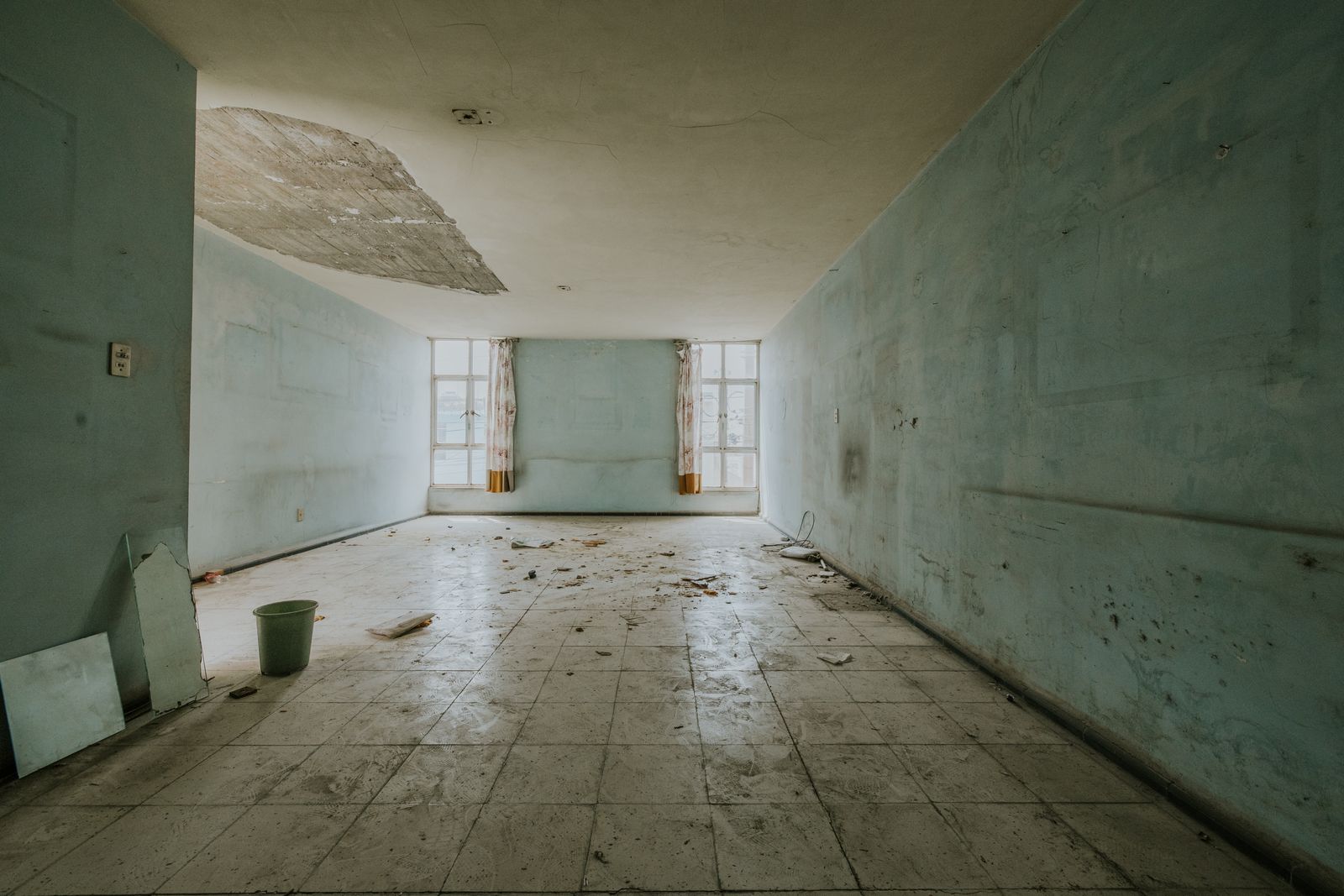
Water is one of the most powerful forces your home will ever face. While it keeps your lawn green and your family hydrated, it can also become one of the most expensive threats to your property when it ends up where it doesn't belong.
In Winnipeg, homeowners deal with a unique combination of heavy snowfall, spring melt, summer storms, and freezing temperatures that can all contribute to water damage. A small leak today can quickly turn into mold, structural damage, ruined flooring, or costly repairs if left unnoticed.
The good news is that most water damage is preventable.
By performing regular inspections and taking a proactive approach to home maintenance, you can greatly reduce the chances of unexpected water issues. Whether you've lived in your home for decades or recently became a homeowner, these simple steps will help protect one of your biggest investments.
Keep Your Gutters and Downspouts Clean
Your gutters play a much bigger role than many homeowners realize.
Their job is to collect rainwater and direct it safely away from your home's foundation. When gutters become clogged with leaves, dirt, or debris, water begins overflowing instead of draining properly.
Overflowing water can damage siding, landscaping, windows, and even your home's foundation.
Clean your gutters at least twice a year, especially after the spring thaw and again in the fall. While you're cleaning, make sure your downspouts extend several feet away from your home's foundation to help prevent water from pooling around the house.
Inspect Your Roof Every Year
Your roof is your home's first defense against rain and snow.
After Winnipeg's long winters and severe storms, it's a good idea to inspect your roof annually. Look for missing shingles, cracked flashing, loose vents, or signs of wear that could allow water inside.
Even a small roofing problem can lead to significant interior damage if moisture enters your attic or walls.
If you're uncomfortable inspecting the roof yourself, hire a qualified roofing professional to perform an annual inspection.
Check Around Windows and Doors
Water doesn't always enter through the roof.
Old caulking, damaged weather stripping, and worn window seals can allow moisture to seep into your walls during heavy rain.
Walk around your home and inspect every exterior window and door. Look for cracked caulking, peeling paint, soft wood, or gaps around the frames.
Replacing old sealant is an inexpensive project that can prevent much larger repairs later.
Watch Your Foundation Closely
Your home's foundation deserves regular attention.
Inspect both the inside and outside for new cracks, moisture stains, or signs that water collects near the foundation after rainfall.
The ground around your home should slope slightly away from the house to encourage proper drainage.
If water consistently pools near the foundation, consider improving grading or extending your downspouts farther away.
Keeping water away from your foundation is one of the best ways to prevent basement leaks.
Maintain Your Sump Pump
Many Winnipeg homes rely on sump pumps to help prevent basement flooding.
Test your sump pump at least once or twice each year by pouring water into the sump pit and confirming that the pump activates properly.
Check the discharge pipe for blockages and make sure water flows away from your home.
If your sump pump is older or frequently used, consider installing a battery backup system to provide protection during power outages.
Inspect Plumbing for Small Leaks
Not every water problem comes from outside.
Small plumbing leaks often develop gradually and may go unnoticed for months.
Check under sinks, behind toilets, around washing machines, dishwashers, water heaters, and exposed pipes for signs of dripping water, rust, mold, or dampness.
Fixing a slow leak today is much easier than replacing damaged cabinets or flooring later.
Regular plumbing inspections can save thousands of dollars over time.
Know the Signs of Hidden Water Damage
Some water damage hides behind walls or under flooring before becoming obvious.
Watch for warning signs such as musty odors, bubbling paint, warped flooring, peeling wallpaper, unexplained stains on ceilings, or mold growth.
If something doesn't look or smell right, investigate sooner rather than later.
The earlier hidden moisture is discovered, the easier it is to repair.
Maintain Your Landscaping
Your landscaping affects much more than curb appeal.
Large tree roots, clogged drainage areas, and improper grading can all contribute to water problems around your home.
Keep flower beds from trapping water against the foundation and trim trees whose roots may interfere with underground drainage systems.
Healthy landscaping helps direct water where it belongs instead of toward your house.
Prepare for Winnipeg Winters
Winter creates unique water challenges.
Ice dams form when melting snow refreezes near roof edges, trapping water behind the ice. That water may eventually work its way underneath shingles and into your home.
Proper attic insulation and ventilation help reduce the risk of ice dam formation.
Removing excessive snow buildup from your roof after major storms can also help minimize potential problems.
Preparing before winter arrives is much easier than dealing with leaks during freezing temperatures.
Protect Appliances That Use Water
Household appliances are another common source of water damage.
Inspect the hoses connected to your washing machine, dishwasher, refrigerator, and ice maker at least once each year.
Replace rubber hoses every few years or upgrade to braided stainless steel hoses for added durability.
If you're leaving home for an extended vacation, consider shutting off the water supply to major appliances as an added precaution.
Review Your Home Insurance
Even with careful maintenance, unexpected water damage can still happen.
Review your home insurance policy each year to understand exactly what types of water damage are covered.
Some policies cover sudden plumbing failures but exclude overland flooding or sewer backup unless additional coverage has been purchased.
Knowing your policy ahead of time helps avoid surprises during an emergency.
Create a Seasonal Inspection Routine
The easiest way to prevent water damage is to make inspections part of your regular routine.
Each spring and fall, walk around your home and check the roof, gutters, siding, windows, foundation, plumbing fixtures, sump pump, and outdoor drainage.
Keeping a simple maintenance checklist helps ensure small problems don't slip through the cracks.
Consistent maintenance protects your home year after year.
Why Water Damage Matters When Selling
If you're thinking about selling your home in the future, preventing water damage becomes even more important.
Buyers pay close attention to signs of moisture during showings and home inspections.
Visible stains, mold, foundation cracks, or past flooding concerns can reduce buyer confidence and potentially affect offers.
A home that has been well maintained gives buyers greater peace of mind and helps preserve its market value.
Protecting your home today also protects your future investment.
Final Thoughts
Water damage is one of the most common and expensive problems homeowners face, but it's also one of the most preventable.
Simple habits like cleaning gutters, inspecting your roof, maintaining plumbing, testing your sump pump, and monitoring your foundation can make a significant difference over time.
Regular maintenance not only helps avoid unexpected repair bills but also keeps your home safer, healthier, and more valuable.
Taking a few proactive steps each year can provide peace of mind through every season Winnipeg has to offer.
Protecting your home from water damage is one of the smartest ways to preserve its long term value. Whether you're planning to stay in your current home for years or preparing to sell, regular maintenance can make a meaningful difference. If you're curious about your home's current value or wondering which improvements will have the greatest return before listing, professional guidance can help.
Ty Mitchell has helped Winnipeg homeowners confidently navigate every stage of homeownership, from buying and selling to understanding what adds value over time. If you're ready to take the next step or simply want expert advice about your property, visit https://tysellswpg.com/ and connect with Ty Mitchell today.

