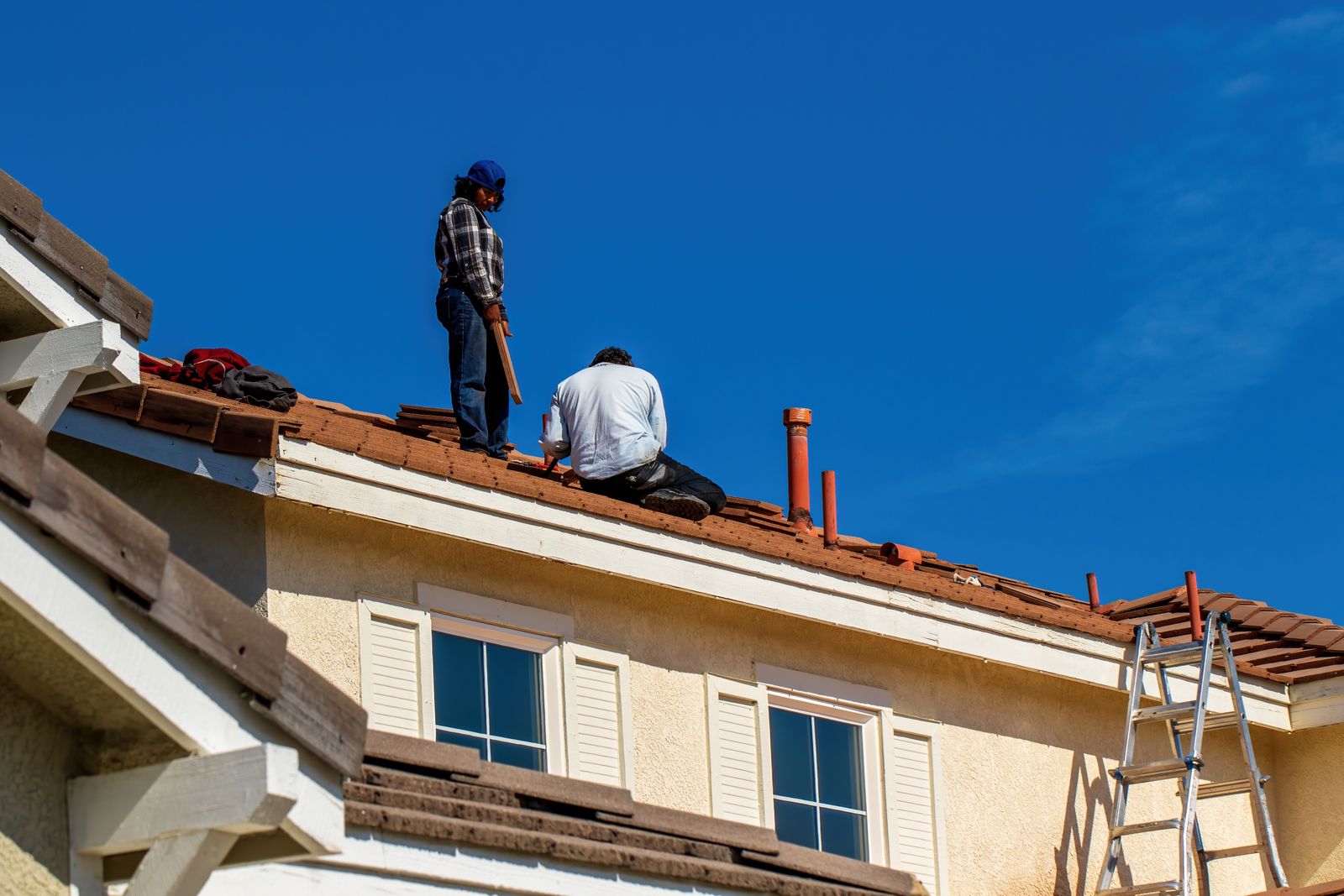
Your roof works hard every single day.
It protects your home from heavy snow, freezing temperatures, rain, hail, high winds, and the intense summer sun. In Winnipeg, where weather conditions can change dramatically throughout the year, your roof takes on even more responsibility than it might in milder climates.
Because it's out of sight, it's also easy to forget about until something goes wrong.
Unfortunately, roof problems rarely appear overnight. Most issues start small and gradually become larger, more expensive repairs if they aren't addressed early. The good news is that your roof usually gives you warning signs before major damage occurs.
Knowing what to watch for can help you protect your home, avoid unexpected expenses, and even preserve your property's value if you're planning to sell.
Here are some of the most common signs that your roof may need attention.
Your Roof Is Getting Older
One of the first things to consider is your roof's age.
Most asphalt shingle roofs last between 20 and 30 years, depending on the quality of materials, installation, and ongoing maintenance. Winnipeg's harsh winters and freeze thaw cycles can sometimes shorten that lifespan.
Even if your roof isn't leaking, an older roof deserves regular inspections.
If you're unsure when your roof was last replaced, check your home records or ask the previous owner if possible.
An aging roof doesn't always require immediate replacement, but it should be monitored closely.
Missing or Damaged Shingles
Take a look at your roof from ground level after a major storm.
Do you notice missing shingles? Are any curled, cracked, loose, or lifting at the edges?
Damaged shingles leave the underlying roofing materials exposed to moisture.
The sooner these issues are repaired, the less likely water will find its way into your home.
Never climb onto your roof unless you have the proper safety equipment. A professional inspection is always the safest option.
Granules Collecting in Your Gutters
Asphalt shingles are coated with protective granules that help shield them from the elements.
Over time, these granules naturally wear away.
If you notice large amounts of gritty material collecting inside your gutters or at the bottom of your downspouts, it could indicate your shingles are nearing the end of their useful life.
Some granule loss is normal on newer roofs, but excessive amounts deserve further investigation.
Water Stains Inside Your Home
Sometimes the first clue isn't outside at all.
Brown stains on ceilings, bubbling paint, peeling drywall, or discoloration in the attic may all point to a roof leak.
Even small water stains should never be ignored.
Water can travel considerable distances before becoming visible inside your home, making the actual source difficult to identify without a proper inspection.
Addressing leaks early can prevent mold growth, insulation damage, and costly structural repairs.
Sagging Areas on the Roof
A roof should appear straight and even.
If you notice sections that appear to dip or sag, it may indicate a more serious structural issue.
Sagging can result from long term moisture damage, weakened roof decking, or structural deterioration.
This type of problem requires immediate professional evaluation.
Ignoring structural concerns could lead to much larger repair costs down the road.
Flashing Looks Damaged
Flashing is the metal material installed around chimneys, skylights, vents, and roof valleys to prevent water from entering your home.
Over time, flashing can loosen, crack, rust, or separate from surrounding materials.
Even if your shingles appear to be in good condition, damaged flashing can allow water to penetrate vulnerable areas of your roof.
Regular inspections help catch these problems before leaks develop.
Moss, Algae, or Mold Growth
Dark streaks, moss, or algae growing on your roof may seem like a cosmetic issue, but they can trap moisture against roofing materials.
Over time, excessive moisture may contribute to premature deterioration.
Keeping your roof clean and free of debris allows it to dry properly after rain or snow.
If moss becomes widespread, consult a roofing professional before attempting removal.
Improper cleaning methods can damage shingles.
Your Energy Bills Are Increasing
Your roof plays an important role in your home's overall energy efficiency.
Damaged roofing materials or poor attic ventilation can make it harder to maintain comfortable indoor temperatures.
If you've noticed higher heating or cooling costs without another obvious explanation, your roof could be contributing to the problem.
A roofing inspection may reveal ventilation or insulation issues that improve comfort while lowering utility bills.
Daylight Visible in the Attic
Visit your attic during daylight hours.
If sunlight is shining through the roof boards, water can likely enter through those same openings.
Also look for damp insulation, mold, musty odors, or visible moisture after rainfall.
Your attic often provides valuable clues about your roof's condition long before damage becomes obvious inside your living space.
Ice Dam Damage from Previous Winters
Winnipeg winters are known for heavy snowfall and freezing temperatures.
Ice dams can form along roof edges when melting snow refreezes.
This trapped water may back up underneath shingles and eventually leak into the home.
If your property has experienced ice dams in previous winters, it's worth having your roof inspected before cold weather returns.
Preventative maintenance now may save significant repair costs later.
Nearby Trees Could Be Causing Problems
Large tree branches hanging over your roof can create several problems.
Branches may scrape shingles during windy weather, while falling limbs can cause sudden damage during storms.
Leaves also collect moisture and clog gutters, increasing the risk of water problems.
Trimming trees regularly helps protect both your roof and your home's exterior.
Regular Roof Inspections Save Money
Many homeowners wait until they notice a leak before calling a roofing professional.
Unfortunately, by that point, damage may already extend beyond the roof itself.
Scheduling a roof inspection every few years, especially after severe storms or harsh winters, allows small issues to be addressed before they become major expenses.
Routine maintenance almost always costs less than emergency repairs.
Why Roof Maintenance Matters When Selling
If you're planning to sell your home, the condition of your roof matters more than many homeowners realize.
Buyers often ask about the roof's age, maintenance history, and overall condition.
A well maintained roof gives buyers confidence and reduces concerns during inspections.
On the other hand, visible roof problems may lead to lower offers, repair requests, or delayed negotiations.
Keeping your roof in good condition helps protect both your home's value and your selling experience.
Final Thoughts
Your roof quietly protects your home through every season, but it won't last forever.
By paying attention to common warning signs like missing shingles, water stains, sagging areas, damaged flashing, and excessive granule loss, you can address small problems before they become expensive repairs.
Regular inspections and preventative maintenance not only extend the life of your roof but also help preserve your home's value and provide peace of mind.
Whether you're planning to stay in your home for many years or preparing to sell, taking care of your roof is one of the smartest investments you can make.
A well maintained roof is one of the first things buyers notice and one of the biggest factors in protecting your home's value. If you're wondering whether your home is ready for today's market or you're curious about which improvements will make the biggest impact before selling, having trusted local guidance can make the process much easier.
Ty Mitchell has helped Winnipeg homeowners make confident real estate decisions by providing honest advice, local market expertise, and personalized strategies for buying and selling. If you're thinking about selling or simply want to understand your home's current value, visit https://tysellswpg.com/ to connect with Ty and get started.