RSS

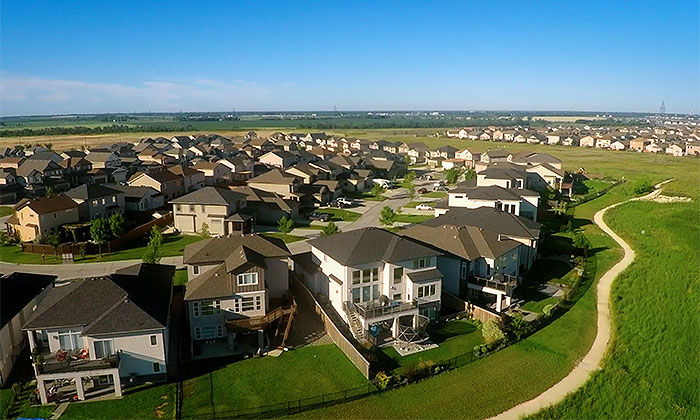
What Impacts Home Prices in Winnipeg Neighborhoods

If you have ever wondered why two similar homes in different areas sell for completely different prices, you are not alone.

Home prices are not random. They are influenced by a mix of location, market conditions, buyer demand, and neighborhood-specific factors.

If you are buying, selling, or simply keeping an eye on your home’s value in Winnipeg, understanding what actually impacts pricing gives you a huge advantage.

Let’s break down the biggest factors that shape Winnipeg home prices and why neighborhoods matter more than most people realize.

Location Still Matters. But Not in the Way You Think

You have probably heard the phrase location, location, location. It is true. But location is more nuanced than just a postal code.

In Winnipeg, location includes:

  • Proximity to schools

  • Access to public transit

  • Commute times to major employment hubs

  • Nearby amenities like parks, shops, and restaurants

  • Overall neighborhood reputation

Two homes with the same size and condition can have very different values simply based on how convenient and desirable their location is for buyers.

School Zones and Education Access

School catchment areas have a direct impact on Winnipeg neighborhood home values.

Homes located near:

  • Highly rated schools

  • French immersion programs

  • Well-established school divisions

Often attract more buyer interest. More demand usually leads to higher prices.

Even buyers without children consider school zones because they affect resale value.

Supply and Demand in Each Neighborhood

Not all Winnipeg neighborhoods behave the same way at the same time.

Some areas have:

  • Limited housing inventory

  • Strong buyer competition

  • Frequent multiple-offer situations

Others may have:

  • Higher supply

  • Longer days on market

  • More price flexibility

When demand outpaces supply, prices rise. When supply exceeds demand, prices stabilize or soften.

This is why understanding home values by neighborhood in Winnipeg is more important than relying on city-wide averages.

Home Type and Property Mix

The type of homes in a neighborhood influences pricing more than many people expect.

Neighborhoods dominated by:

  • Single-family detached homes

  • Character homes

  • Newer builds

Often see different price trends than areas with:

  • Condos

  • Duplexes

  • Rental-heavy properties

Buyer demand shifts depending on lifestyle needs, affordability, and market conditions.

Age, Condition, and Renovation Levels

Two homes on the same street can sell for very different prices.

Why. Condition.

Buyers pay more for homes that feel:

  • Updated

  • Well maintained

  • Move-in ready

Key upgrades that impact value include:

  • Kitchens and bathrooms

  • Flooring

  • Windows

  • Roof and mechanical systems

In Winnipeg, buyers also value homes that are energy-efficient and winter-ready.

Neighborhood Development and Investment

Neighborhoods evolve. And when they do, prices follow.

Factors that can push prices upward include:

  • New commercial developments

  • Infrastructure improvements

  • Transit expansions

  • Revitalization projects

Areas experiencing reinvestment often see increased buyer interest, which can raise values over time.

On the flip side, neighborhoods with limited investment may see slower appreciation.

Market Timing and Economic Conditions

Broader economic factors affect Winnipeg home prices, even at the neighborhood level.

These include:

  • Interest rates

  • Employment trends

  • Population growth

  • Buyer confidence

When borrowing becomes more affordable, buyer activity increases. When rates rise, buyers become more cautious.

Local job growth and stability also play a major role in long-term price trends.

Buyer Demographics and Lifestyle Trends

Who is buying matters.

Some neighborhoods attract:

  • First-time buyers

  • Families

  • Investors

  • Downsizers

Each group values different things. First-time buyers may prioritize affordability. Families may focus on space and schools. Investors look at rental potential.

As buyer demographics shift, so do neighborhood values.

Curb Appeal and Street Presence

First impressions matter more than sellers often realize.

Neighborhoods with:

  • Well-maintained homes

  • Mature trees

  • Clean streets

  • Consistent pride of ownership

Tend to command higher prices.

Curb appeal sets expectations before buyers even step inside.

Local Sales Data and Comparable Homes

Home prices are grounded in reality. And that reality is recent sales.

Buyers and appraisers look at:

  • Comparable homes

  • Recent sales within the neighborhood

  • Similar size, age, and condition

This is why pricing based on what your home is worth to you or what it sold for years ago rarely works.

Accurate pricing depends on current neighborhood data.

Why Neighborhood Knowledge Is Everything

City-wide statistics only tell part of the story.

The real insight comes from understanding:

  • Street-by-street trends

  • Micro-market demand

  • Buyer behavior in specific areas

That local knowledge helps buyers avoid overpaying and helps sellers price strategically to maximize returns.

Final Thoughts on Winnipeg Home Prices

Home prices are shaped by far more than square footage and finishes.

In Winnipeg, neighborhood dynamics play a massive role in value. Understanding what impacts pricing helps you make smarter decisions, whether you are buying, selling, or planning for the future.

The more you know about how your neighborhood performs, the more control you have over your outcome.

If you are curious about what impacts your home’s value or want a clearer picture of pricing trends in your specific Winnipeg neighborhood, getting local insight matters.

Visit https://tysellswpg.com/ for practical, data-driven guidance tailored to Winnipeg buyers and sellers.

Real estate decisions are easier when you understand the full picture.

Read

Common Seller Mistakes That Cost You Money

Common Seller Mistakes That Cost You Money

Selling your home should feel exciting. It is a big milestone and often one of the largest financial decisions you will ever make.

But for many homeowners, selling a house does not go as planned. Not because the market is bad. Not because buyers are impossible. But because of simple, avoidable mistakes that quietly cost sellers thousands of dollars.

If you are selling a house in Winnipeg, this matters even more. Our market can shift quickly. Pricing, presentation, and strategy all play a huge role in how much you walk away with at the end.

Let’s break down the most common seller mistakes and how to avoid them so you can sell smarter, not harder.

Mistake 1. Overpricing Your Home From the Start

This is the most expensive mistake sellers make. And it happens all the time.

Many homeowners price based on:

  • What they need to make

  • What their neighbor listed for

  • What they hope someone will pay

Unfortunately, buyers do not care about any of that.

When a home is overpriced:

  • It sits longer on the market

  • Buyers assume something is wrong

  • You lose momentum during the most important first weeks

In Winnipeg, the first 7 to 14 days matter more than most sellers realize. That is when buyer interest is highest. Overpricing can cause your listing to miss that window completely.

The result. Price reductions. Weaker offers. Less negotiating power.

Mistake 2. Ignoring the Power of First Impressions

Buyers decide how they feel about your home fast. Sometimes within seconds.

If your home looks cluttered, dark, dated, or poorly maintained, buyers start mentally deducting money before they even reach the kitchen.

Common issues that hurt first impressions:

  • Cluttered rooms

  • Personal photos everywhere

  • Worn paint or scuffed walls

  • Poor lighting

  • Untidy entryways

You do not need a full renovation. Small improvements go a long way.

Clean. Declutter. Brighten. Neutralize.

Homes that feel move-in ready consistently sell for more.

Mistake 3. Skipping Professional Photography

This mistake is more costly than most sellers think.

Today’s buyers start online. If your photos do not stop the scroll, they never book a showing.

Bad photos mean:

  • Fewer showings

  • Less competition

  • Lower offers

Professional photography highlights space, light, and flow. It helps buyers emotionally connect before they ever walk through the door.

In competitive Winnipeg neighborhoods, strong visuals are not optional. They are essential.

Mistake 4. Not Preparing for Showings Properly

Showings are not casual drop-ins. They are your opportunity to sell the lifestyle.

Some sellers treat showings like an inconvenience instead of a priority. That mindset costs money.

Avoid these common showing mistakes:

  • Refusing flexible showing times

  • Leaving pets at home

  • Strong smells from food or smoke

  • Loud music or TV

  • Staying inside during showings

Every showing should feel welcoming, calm, and distraction-free.

Buyers need to imagine their life there. That is hard to do when the seller is sitting on the couch.

Mistake 5. Letting Emotions Drive Decisions

Selling a home is emotional. That is normal.

But emotional decisions often lead to financial mistakes.

Examples include:

  • Rejecting fair offers out of pride

  • Getting offended by buyer feedback

  • Refusing to negotiate

  • Taking low offers personally

Buyers are not criticizing you. They are evaluating a product. Your home is a product during the sale.

The sellers who do best are the ones who treat it like a business transaction, not a personal judgment.

Mistake 6. Underestimating Repairs and Maintenance

Buyers notice everything. Especially during inspections.

Small issues can raise red flags and lead to:

  • Renegotiations

  • Repair credits

  • Deals falling apart

Common overlooked issues:

  • Leaky faucets

  • Loose railings

  • Cracked tiles

  • Old caulking

  • Minor electrical concerns

Fixing these before listing is usually cheaper and far less stressful than dealing with them mid-negotiation.

Mistake 7. Trying to Time the Market Perfectly

Many sellers wait. And wait. And wait some more.

They are hoping for:

  • Higher prices

  • Lower interest rates

  • More buyers

  • The perfect moment

The truth. Perfect timing rarely exists.

What does exist is smart pricing, strong presentation, and solid strategy.

Trying to time the market often results in missed opportunities and unnecessary delays.

Mistake 8. Not Understanding Local Market Conditions

Every market is local. Winnipeg is no exception.

What works in one neighborhood might fail in another. Pricing, marketing, and buyer expectations vary widely.

Sellers who rely on national headlines or outdated advice often misjudge:

  • Demand levels

  • Pricing strategy

  • Days on market expectations

Understanding what buyers are doing right now in your specific area makes all the difference.

Mistake 9. Choosing the Wrong Selling Strategy

Not all homes should be sold the same way.

Some benefit from:

  • Pricing aggressively to spark competition

  • Strategic offer dates

  • Off-market exposure

  • Targeted marketing to specific buyer types

Others need a more patient, value-driven approach.

Using a one-size-fits-all strategy can leave money on the table.

Mistake 10. Focusing Only on the Sale Price

Sale price matters. But it is not the whole story.

Other factors affect how much you actually walk away with:

  • Closing costs

  • Repairs

  • Possession dates

  • Conditions

  • Financing strength

The highest offer is not always the best offer.

Smart sellers look at the full picture, not just the number at the top.

How to Avoid These Seller Mistakes

Selling well comes down to three things:

  • Preparation

  • Strategy

  • Guidance

When you prepare your home properly, price it correctly, and understand the local market, you protect your equity and your peace of mind.

The goal is not just to sell. It is to sell well.

Final Thoughts for Winnipeg Home Sellers

Most seller mistakes are not about lack of effort. They are about lack of information.

Selling a house in Winnipeg can be smooth, profitable, and even enjoyable when you avoid these common pitfalls.

The more informed you are, the more control you have over the outcome.

If you are thinking about selling and want honest advice on how to avoid costly seller mistakes, you do not have to figure it out alone.

Visit https://tysellswpg.com/ for practical guidance, local market insight, and a selling strategy built around protecting your bottom line.

Selling smart starts with the right information.

Read

Winter Home Maintenance Checklist for Winnipeg Homeowners

If you live in Winnipeg, you already know winter doesn’t mess around.

This isn’t a “light jacket” kind of winter. We’re talking deep freezes, snow that sticks around for months, and temperatures that can punish even well-built homes if they’re not prepared.

Whether you’re a longtime local or newer to the city, winter home maintenance in Winnipeg isn’t optional it’s essential. The good news? A little prep goes a long way.

This Winnipeg winter home checklist breaks things down in a realistic, homeowner-friendly way so you can protect your home, avoid surprise repairs, and actually enjoy winter instead of stressing about it.

Let’s get into it.

Why Winter Home Maintenance Matters in Winnipeg

Winnipeg winters are unique and tough.

Extreme cold, heavy snow, freeze-thaw cycles, and strong winds can all cause damage if your home isn’t ready. Small issues in fall can quickly turn into big, expensive problems by January.

Proper cold weather home maintenance helps you:

  • Prevent frozen pipes

  • Reduce heating costs

  • Avoid emergency repairs

  • Protect your home’s value

And if you’re thinking about selling in the future, well-maintained homes always show better even in winter.

Exterior Winter Home Maintenance Checklist

Let’s start outside, because what happens outdoors affects everything inside.

1. Clean Gutters and Downspouts

Clogged gutters + winter = ice dams.

Before temperatures drop:

  • Clear leaves, debris, and dirt

  • Make sure downspouts direct water away from your foundation

  • Check for sagging or loose sections

Ice dams can force water under shingles and cause interior leaks not fun in February.

2. Inspect Your Roof

You don’t need to climb up there binoculars work just fine.

Look for:

  • Missing or curling shingles

  • Cracked flashing around chimneys or vents

  • Signs of wear near roof edges

Catching issues early helps prevent snow and ice from sneaking in later.

3. Seal Cracks and Gaps

Cold air will find any opening.

Check:

  • Around windows and doors

  • Foundation cracks

  • Exterior vents and pipe openings

Use caulking or weatherproof sealant to keep heat in and cold out. This simple step can seriously improve comfort and energy efficiency.

4. Store Outdoor Items Properly

Before the snow piles up:

  • Put away patio furniture

  • Store hoses and drain outdoor faucets

  • Secure garbage bins and loose items

Freezing temps can crack hoses and damage outdoor fixtures if they’re left exposed.

Interior Winter Home Maintenance Checklist

Once the outside is handled, it’s time to move indoors.

5. Service Your Furnace

This one’s non-negotiable in Winnipeg.

Before winter hits:

  • Schedule a professional furnace inspection

  • Replace your furnace filter

  • Make sure vents are clear and unobstructed

A well-maintained furnace runs more efficiently, saves money, and is far less likely to quit on the coldest day of the year.

6. Check Your Thermostat Settings

If you’re still using an old thermostat, winter might be a good time to upgrade.

Consider:

  • A programmable or smart thermostat

  • Lower temps while sleeping or away

  • Consistent heating to prevent pipe freezing

Comfort + efficiency = win-win.

7. Protect Your Pipes

Frozen pipes are one of the most common winter homeowner nightmares.

To prevent issues:

  • Insulate exposed pipes in basements, crawl spaces, and garages

  • Disconnect outdoor hoses

  • Keep cabinet doors open under sinks during extreme cold

If you’re heading out of town, never turn the heat off completely.

8. Test Smoke and Carbon Monoxide Detectors

With furnaces running nonstop and windows closed, safety matters.

Make sure:

  • Smoke detectors work on every level

  • Carbon monoxide detectors are functioning

  • Batteries are fresh

This is a quick task that can literally save lives.

Windows, Doors & Insulation

This is where a lot of heat and money  gets lost.

9. Inspect Windows and Doors for Drafts

If you feel cold air near windows, your home is paying for it.

Check:

  • Weather stripping

  • Door sweeps

  • Window locks (locked windows seal better)

Temporary solutions like window film kits can make a noticeable difference during extreme cold.

10. Review Attic Insulation

Heat rises — and escapes if insulation is lacking.

Proper attic insulation helps:

  • Keep your home warmer

  • Prevent ice dams

  • Reduce heating bills

If you’re unsure about your insulation level, a professional energy audit can be helpful.

Winter Safety & Everyday Living Tips

Winter home maintenance isn’t just about systems it’s also about daily habits.

11. Prepare for Snow Removal

Make winter easier by:

  • Servicing your snowblower early

  • Stocking up on ice melt

  • Keeping shovels easily accessible

Clearing snow regularly prevents ice buildup and protects walkways, driveways, and steps.

12. Create an Emergency Winter Kit

Winnipeg winters can bring power outages or storms.

Your home kit should include:

  • Flashlights and batteries

  • Extra blankets

  • Non-perishable food

  • Backup phone chargers

Better to have it and not need it than the other way around.

Bonus: Winter Maintenance Tips for Homeowners Thinking of Selling

If selling is on your radar even months away winter maintenance matters more than you think.

Buyers notice:

  • Cold rooms

  • Drafty windows

  • Ice buildup and poor drainage

A home that feels warm, cared for, and efficient stands out, even in the middle of winter.

Simple upgrades and maintenance now can:

  • Improve showings

  • Prevent inspection issues

  • Protect your resale value

Final Thoughts: Stay Ahead of Winnipeg Winter

Winnipeg winters are long but they don’t have to be stressful.

Following this winter home maintenance checklist for Winnipeg homeowners helps you:

  • Avoid surprise repairs

  • Stay warm and comfortable

  • Protect one of your biggest investments

A little preparation now means fewer headaches later and more time enjoying cozy nights inside while the snow falls outside.

If you’re a homeowner in Winnipeg and have questions about how winter maintenance affects your home’s value or you’re thinking about buying or selling during the colder months I’m always happy to help.

Visit https://tysellswpg.com/ for practical, no-pressure real estate guidance that actually makes sense for Winnipeg homeowners.

Winter’s tough. Your real estate decisions don’t have to be.

Read

Spring Home Maintenance Checklist

Spring is here, and if you’re like most Saskatoon homeowners, it’s the perfect time to give your home some love after the long winter. From inspecting the roof to tidying up your garden, a solid spring home maintenance checklist can save you headaches (and money!) later on. In this guide, we’ll walk you through the essential steps to keep your home in top shape because your home deserves a little TLC after months of cold, snow, and ice.

1. Inspect Your Roof and Gutters

Winter in Saskatoon can be tough on roofs. Ice, snow, and freezing temperatures can cause shingles to crack or gutters to clog. Start by:

  • Checking your roof for missing or damaged shingles.

  • Clearing debris from gutters and downspouts.

  • Ensuring water flows away from your foundation to prevent basement flooding.

Pro tip: If you’re uncomfortable climbing a ladder, hire a local professional prevention now saves big repairs later.

2. Service Your HVAC System

After months of heaters running nonstop, your HVAC system deserves attention.

  • Replace filters in your furnace and AC system.

  • Schedule a professional inspection if it hasn’t been serviced in a while.

  • Test air conditioning before the hot summer months arrive.

A well-maintained HVAC system saves energy and keeps your family comfortable plus, it’s a checklist item that adds long-term value to your home.

3. Plumbing Checkup

Freezing temperatures can cause hidden plumbing issues. In spring, inspect your pipes to avoid leaks:

  • Look for leaks under sinks, around toilets, and behind appliances.

  • Test outdoor spigots and irrigation systems.

  • Insulate any exposed pipes before the next winter.

Even minor leaks can cause water damage over time, so addressing them early is a must.

4. Exterior and Paint Maintenance

Spring is perfect for an exterior inspection:

  • Look for cracks or peeling paint on siding and trim.

  • Check windows and doors for gaps and seal them if needed.

  • Power-wash decks, patios, and siding to remove winter grime.

These small fixes prevent bigger problems later and boost your home’s curb appeal important if you’re planning to sell in the future.

5. Lawn and Garden Prep

Spring isn’t just about indoor maintenance! Your outdoor space needs attention too:

  • Rake leaves and remove winter debris.

  • Fertilize your lawn and test soil pH.

  • Prune shrubs and trees to encourage healthy growth.

  • Check irrigation systems for leaks or clogs.

A well-kept yard isn’t just beautiful it also increases your home’s value and makes your property more inviting for family, friends, and potential buyers.

6. Safety First: Smoke and Carbon Monoxide Detectors

While not glamorous, safety checks are crucial:

  • Replace batteries in smoke and carbon monoxide detectors.

  • Test detectors to ensure they’re functioning properly.

  • Inspect fire extinguishers and make sure they’re accessible.

This simple step protects your home and everyone in it and it’s something many homeowners forget to do.

7. Interior Maintenance and Deep Cleaning

Spring cleaning isn’t just for show it’s also part of maintenance:

  • Clean windows to let more light in.

  • Inspect flooring, carpets, and rugs for wear.

  • Dust vents, ceiling fans, and baseboards.

  • Check for signs of pests or mold in damp areas like basements.

Deep cleaning indoors also allows you to notice maintenance issues early before they become expensive problems.

8. Small Projects That Make a Big Difference

If you have time and energy, consider tackling a few small projects that can improve your home’s comfort and value:

  • Touch up interior paint.

  • Organize storage areas like closets and basements.

  • Inspect doors and locks for proper function.

  • Upgrade lighting fixtures to brighten spaces.

Even small updates make your home feel fresh and new after a long winter.

Conclusion

Spring is the perfect season to hit reset on your home. With this spring home maintenance checklist, you’ll protect your property, save money on costly repairs, and enjoy a comfortable, safe, and beautiful space for you and your family. Regular maintenance isn’t just smart it’s empowering.

Ready to take your Saskatoon home to the next level? Whether you’re buying, selling, or just looking for local expert advice, I’ve got you covered. Visit Ty Sells WPG to connect and get personalized tips for your home. Let’s make your home shine this spring!

Read

How to Choose Furniture When Downsizing

Making the Most of Your New Space

Downsizing can be both liberating and intimidating. The idea of simplifying your life, reducing clutter, and moving into a smaller home feels refreshing—until you’re faced with the reality of choosing what to keep and what to let go. One of the biggest challenges people face during this process is deciding on furniture. After all, furniture carries both function and emotion. It’s not just about filling a room; it’s about creating comfort, familiarity, and style in your new home.

The good news? You don’t have to sacrifice comfort or beauty when you move into a smaller space. With the right mindset and strategy, you can curate pieces that reflect who you are today, while still making your new environment feel spacious, intentional, and inviting.

In this guide, we’ll walk through a clear, practical framework for how to choose furniture when downsizing—from assessing what you already have to designing for flexibility, storage, and timeless comfort.

Step 1: Assess What You Truly Need

Take Inventory Before You Move

Before rushing to buy new pieces, start with what’s already in your home. Take time to evaluate every piece of furniture you own. Does it serve a purpose? Does it fit your new lifestyle? Does it hold sentimental value worth keeping?

Make three simple categories: Keep, Sell/Donate, and Replace.

  • Keep: Functional, well-sized pieces that complement your smaller layout.

  • Sell/Donate: Items that no longer fit the space or your needs.

  • Replace: Pieces that could be swapped for more compact or multi-functional alternatives.

This step is not just about making space; it’s about clarity. Downsizing is a great opportunity to redefine what “home” means to you. You’re not losing space—you’re gaining simplicity, ease, and control over your environment.

Think About Function, Not Just Sentiment

We all have emotional ties to certain furniture pieces—a dining table where family gathered, a chair you’ve owned for years, or a cabinet that’s been in the family. While it’s important to honor those connections, it’s equally vital to ask: Does this still serve my life today?

If you love a piece but it doesn’t physically fit or function well in your new space, consider reimagining it. Could you repurpose it in a different way? Sometimes a cherished dresser becomes a beautiful hallway console, or a side table becomes a nightstand.

The key is to prioritize function first and sentiment second.

Step 2: Measure and Plan Before You Purchase

Know Your New Dimensions

Before purchasing anything, get exact measurements of your new home. Knowing the square footage, room dimensions, and layout will help you visualize how furniture will fit. Many people make the mistake of assuming their favorite sofa or dining set will “just work.” In reality, scale can make or break how comfortable and open your space feels.

Use painter’s tape to outline potential furniture placements on the floor or walls. This gives you a visual understanding of proportion and flow. A well-measured plan prevents regret later—and helps you make confident choices when shopping.

Visual Balance Is Everything

When working with smaller rooms, balance and proportion matter more than ever. Opt for pieces that feel light on the eye—furniture with exposed legs, slender silhouettes, and minimal bulk creates an open, airy feel. Avoid oversized sectionals or chunky armoires that consume visual and physical space.

If you love statement pieces, limit them to one per room. For example, a beautiful accent chair or textured rug can add personality without crowding the area.

Your goal is to design a layout that breathes. When in doubt, less is often more.

Step 3: Invest in Multi-Functional Furniture

Form Meets Function

In a smaller home, every piece must earn its place. Furniture that serves multiple purposes is your best friend. Think storage ottomans, extendable dining tables, sofa beds, or nesting side tables.

These smart investments help you save space without sacrificing usability. For instance:

  • A lift-top coffee table can double as a workspace or dining surface.

  • A daybed can function as seating by day and a guest bed by night.

  • A bench with built-in storage provides seating and a discreet place for blankets or shoes.

Multi-functional furniture makes your home flexible and efficient—key elements of successful downsizing.

Modular and Convertible Designs

Modular pieces are ideal for small spaces because they can adapt over time. Modular sofas, for example, allow you to rearrange or expand sections as needed. Foldable furniture is another excellent choice. Fold-down desks, collapsible dining tables, and Murphy beds can easily transform a room’s purpose within minutes.

These adaptable designs give you freedom to evolve your space as your needs change—something traditional furniture often can’t offer.

Step 4: Prioritize Comfort Over Quantity

Quality Is Better Than More

When moving into a smaller space, resist the temptation to fill every corner. Instead, focus on quality. A well-made sofa, a supportive mattress, or a sturdy dining chair set can bring more satisfaction than a room full of average furniture.

Your smaller home should still feel comfortable, warm, and lived-in. That comes from investing in pieces that feel good to use daily. Think of comfort as part of your long-term well-being.

Choose Textures and Materials That Bring Calm

Smaller spaces often benefit from softer textures and lighter tones. Linen, cotton, and wood accents create a soothing atmosphere and prevent the room from feeling heavy. Neutral color palettes help furniture blend naturally, while small pops of color can express personality.

If your goal is to create an environment that feels calm and uncluttered, simplicity is your best design principle.

Step 5: Design with Flexibility in Mind

Think Long-Term

Downsizing isn’t just a move; it’s a mindset shift. You’re transitioning to a lifestyle that values comfort, intention, and simplicity. As your needs evolve, so should your furniture. Choose adaptable pieces that can grow with you.

Consider adjustable shelving, lightweight chairs that can move easily, and tables that expand when you entertain. The right mix of practicality and aesthetics allows your home to stay timeless while remaining easy to maintain.

Create Flow Between Rooms

Smaller homes often benefit from open layouts, so your furniture should support flow. Choose consistent materials or colors that create visual unity throughout. For example, using the same wood tone across rooms can make spaces feel connected, even if they’re compact.

Avoid blocking natural light or pathways with bulky furniture. The more light and movement your space allows, the more spacious it will feel.

Step 6: Let Go of the “Bigger Is Better” Mentality

Embrace a New Definition of Home

Downsizing challenges the idea that success equals square footage. A smaller home can actually feel richer—emotionally and financially—because it aligns with your current season of life. Choosing furniture that fits your space means choosing what fits your lifestyle.

Less space means fewer things to maintain, more freedom to travel, and more time to focus on what truly matters. It’s not about giving up luxury; it’s about redefining it.

Find Joy in Simplicity

One of the hidden gifts of downsizing is the mental clarity that comes from owning less. When your furniture and décor are intentional, your home becomes a reflection of peace, not clutter. You’ll notice how much lighter your days feel when your environment is in harmony with your life.

Every item in your home should have a purpose—and a story. When you choose furniture carefully, you create a home that feels complete, not crowded.

Step 7: Seek Professional Guidance When You Need It

You Don’t Have to Do It Alone

Choosing furniture for a smaller home can be overwhelming. That’s why working with a real estate professional who understands lifestyle transitions can make the process smoother. An experienced agent can help you visualize how your new space will function before you even move in—saving you time, money, and stress.

In addition, many agents have trusted connections with home stagers, interior designers, and downsizing specialists who can help bring your vision to life.

If you’re starting to plan your move, consider reaching out early. Guidance before you purchase or sell can make a world of difference.

Final Thoughts: Designing a Space That Reflects You

Downsizing doesn’t mean scaling down your personality or comfort. It’s an opportunity to redefine your relationship with space—to create a home that feels calm, purposeful, and aligned with the life you’re building.

The furniture you choose plays a big role in that transformation. From multi-functional designs to meaningful pieces that tell your story, every decision adds up to a living space that feels right for you.

Remember: The goal isn’t to fit everything in—it’s to fit your life in comfortably.

Ready to Start Your Downsizing Journey?

If you’re thinking about making a move, choosing the right home and creating the right environment go hand in hand. I’ve helped many clients in Manitoba find spaces that support their next chapter—whether that’s downsizing, investing, or simplifying life for the better.

Take the first step toward your next home by visiting tysellswpg.com.
You can also contact me directly at 431-996-2077 or email tysellswpg@gmail.com for personalized guidance and advice.

Let’s make your transition smooth, simple, and perfectly suited to the life you’re creating.

Read

The Surprising Benefits of Smaller Spaces (That No One Talks About- Journey for downsizing)

Rethinking What “Home” Really Means

For many homeowners, the idea of moving into a smaller space can feel like a step backward. We grow up believing that success is measured by how much we can own — the number of rooms in our house, the size of our backyard, or the square footage of our property.

But there’s a quiet truth that more and more people are starting to discover: bigger doesn’t always mean better.

In fact, when it comes to comfort, lifestyle, and peace of mind, smaller spaces often offer benefits that larger homes simply can’t match.

Whether you’re an empty nester ready for a new chapter, an investor looking to simplify, or someone who’s just tired of managing too much space, there’s something deeply rewarding about choosing less — and gaining more.

Let’s explore the surprising advantages of downsizing to a smaller home — the ones that often go unnoticed but make the biggest difference in your daily life.


1. Comfort That Feels More Like Home

When you live in a smaller space, something subtle but powerful happens — your home starts feeling cozier, more intentional, and more connected.

Large homes often come with unused rooms, empty hallways, or formal areas that rarely serve a purpose. They can feel impressive, yes, but not necessarily warm.

In a smaller space, every corner has meaning. You start to notice the details again — the light that hits your kitchen table in the morning, the way your living room naturally draws people together, or how quickly your home warms up in the winter.

There’s an undeniable comfort in proximity — being closer to the things and people you care about, instead of spread across rooms you barely use.

A smaller home creates that sense of togetherness that can be lost in larger spaces. It’s not about having less; it’s about appreciating what you already have, more deeply.


2. Less Maintenance, More Living

Every homeowner knows that maintaining a home takes time, energy, and money. The bigger the space, the more there is to clean, repair, heat, and cool.

One of the greatest — yet most overlooked — benefits of a smaller home is freedom from endless upkeep.

Fewer rooms mean fewer floors to mop, walls to paint, and light bulbs to replace. Yard work becomes manageable instead of overwhelming. And your weekends? They slowly shift from chore lists to actual rest or quality time.

Financially, the difference can be significant. Smaller homes typically come with lower utility bills, property taxes, and maintenance costs. Over time, those savings can add up to something far more valuable: peace of mind.

You’ll spend less time maintaining your home and more time enjoying your life — whether that means traveling, pursuing hobbies, or simply slowing down.

In short, a smaller space doesn’t limit your lifestyle — it gives it back to you.


3. Mental Clarity Through Simplicity

There’s something deeply calming about living in a space that isn’t overflowing with things.

Smaller homes naturally encourage simplicity. You start to evaluate what truly adds value to your life — and what just fills space.

Decluttering becomes less of a chore and more of a mindset. Each item you keep has a reason for being there. The visual and mental noise that often comes with excess slowly fades away.

Research even supports this connection: people who live in more organized and minimal spaces report higher levels of focus and emotional well-being.

When your environment is calm, your mind follows.

A smaller home helps you create a rhythm of living that’s lighter, more intentional, and far less chaotic. You no longer carry the silent stress of managing “too much.” Instead, you gain a clear sense of what truly matters — and room to breathe.


4. Smarter Design and Efficiency

Smaller spaces push you to be creative. They invite you to make thoughtful design choices that serve both beauty and function.

Modern architecture and interior design have embraced this idea. Open layouts, multipurpose furniture, and clever storage solutions make smaller homes feel larger and more efficient than ever before.

When space is limited, every detail counts. You start optimizing — not compromising.

Your kitchen becomes a place of smart storage and seamless movement. Your living room transforms into a cozy retreat that adapts to your lifestyle. Even your décor choices become more intentional, reflecting who you are instead of just filling space.

And here’s something few people realize: smaller spaces tend to feel more luxurious because they allow you to focus your resources. You can invest in higher-quality finishes, materials, or furnishings because you’re working with less area.

The result? A home that feels refined, comfortable, and thoughtfully crafted — without excess.


5. Financial Flexibility and Freedom

One of the most tangible benefits of moving into a smaller home is financial flexibility.

Selling a larger home often frees up equity that can be redirected toward investments, travel, savings, or simply creating a stronger safety net for the future.

Monthly costs also tend to drop — mortgage payments, insurance, heating, and maintenance all decrease when your home’s footprint does.

This isn’t just about saving money. It’s about gaining freedom.

Freedom to make choices that align with your life today — not the version of it that needed five bedrooms and three bathrooms.

Many of my clients describe this as “finally being able to exhale.” The stress of large financial responsibilities fades, replaced by confidence and control.

You begin to live within your means, not because you have to, but because it gives you peace.


6. Stronger Relationships and Connection

It’s something few people expect — but smaller homes often bring people closer together, both physically and emotionally.

When you share a smaller space, communication naturally improves. You interact more. You cook together. You spend time in shared areas instead of scattering across separate rooms.

Families often find that their relationships strengthen when they downsize. The smaller space encourages togetherness and conversation, not isolation.

Even for individuals or couples, the effect is the same. You begin to prioritize connection — inviting friends over for dinner, gathering around a smaller table that feels intimate, or sharing simple daily moments that used to get lost in the sprawl of a larger home.

A smaller space makes every interaction feel more meaningful. It transforms your house from a structure into a home filled with life and presence.


7. A Lifestyle That Aligns With Your Values

Choosing to live smaller is often an intentional decision — one that reflects a shift in values.

It’s about stepping away from the constant pursuit of “more” and focusing instead on what’s enough.

Downsizing invites you to live in alignment with your current priorities — whether that’s sustainability, financial security, or simplicity. It’s about recognizing that your space should serve you, not the other way around.

Many who make this shift find that they begin spending more time outdoors, engaging with their community, or focusing on experiences rather than possessions.

Your home becomes a reflection of your life today — practical, meaningful, and free of unnecessary weight.

There’s something incredibly empowering about living in a space that truly fits. It feels lighter, more balanced, and more intentional.


8. Environmental Impact: Living Responsibly

Another benefit that often goes unmentioned is the environmental one. Smaller homes naturally consume fewer resources — less energy, fewer materials, and lower emissions overall.

By choosing a smaller space, you reduce your carbon footprint while also lowering your energy bills. It’s a win-win scenario that aligns financial responsibility with environmental consciousness.

In an era where sustainability is becoming more important, this shift toward smaller living isn’t just a personal choice — it’s a contribution to something greater.

Living smaller is, in many ways, living smarter — both for yourself and for the planet.


9. Rediscovering Peace and Purpose

At the heart of it all, the biggest benefit of smaller spaces is something no number or square footage can measure: peace.

There’s a quiet joy in walking into a home that feels just right. Everything has its place. Every room has purpose. Every corner tells a story.

You no longer feel weighed down by excess or trapped by endless upkeep. You feel free — grounded, content, and focused on what truly adds value to your life.

The simplicity of a smaller space doesn’t strip your life of richness; it reveals it.

When you remove the clutter, distractions, and stress of managing more than you need, you make space for clarity, connection, and calm.

And that — more than anything — is what home should give you.


Final Thoughts: Living Well in Less Space

Downsizing isn’t about giving something up. It’s about choosing intentionally. It’s about finding joy in simplicity and freedom in less.

Smaller homes offer comfort, clarity, and connection in ways that larger spaces often can’t. They remind us that fulfillment doesn’t come from square footage — it comes from how we live within it.

If you’ve been thinking about downsizing but aren’t sure where to begin, start by asking yourself what truly matters most right now. What kind of lifestyle do you want to build moving forward?

The answer to those questions often points you exactly where you need to go.


Ready to Explore the Next Step?

If this message resonates with you, and you’re curious about what downsizing could look like for your lifestyle, I’d love to help you explore your options.

You can visit https://tysellswpg.com/ for resources, listings, and guides that make the process easier to understand and plan.

Or, if you prefer a more personal conversation, feel free to reach out directly at 431-996-2077 or tysellswpg@gmail.com.

Downsizing isn’t just a move — it’s a mindset.
And when done with intention, it’s one of the most rewarding decisions you’ll ever make.

Read

Where Do You Even Start When Downsizing? Here’s My Simple 3-Step Framework

The Overwhelming Reality of Downsizing

You’ve made the decision — or maybe you’re just beginning to think about it. The house feels a little too big now. The maintenance takes more out of you than it used to. The rooms that were once full of noise, laughter, and movement now sit mostly quiet.

For many homeowners, the thought of downsizing brings a mix of emotions. There’s relief in the idea of simplifying life, but also anxiety in not knowing where to begin. How do you decide what stays and what goes? How do you even start the process without feeling completely overwhelmed?

If this sounds familiar, you’re not alone. I’ve worked with dozens of clients across Manitoba who have walked this same path — and every single one of them said the same thing at the beginning: “I don’t even know where to start.”

That’s exactly why I created a simple 3-step framework to make downsizing more manageable, intentional, and less emotionally draining. It’s a process that helps you move forward with clarity and confidence — not chaos.

Step 1: Start With Your Why

Before you touch a single box, before you list your home, before you even look at new places to live — you need to understand why you’re downsizing.

For some, it’s financial freedom.
For others, it’s about reducing upkeep.
And for many, it’s simply about creating a lifestyle that’s easier, lighter, and more aligned with the next chapter of life.

When I sit down with clients, I always ask them a few questions:

  • What are you hoping to gain by moving into a smaller space?

  • What do you want your daily life to look like after this transition?

  • What’s most important for you to keep — in terms of both physical belongings and personal comfort?

These questions help anchor your decisions. Because downsizing isn’t just about cutting space — it’s about creating room for what truly matters.

Once your why is clear, every decision you make becomes simpler. You’ll find it easier to part with things that no longer serve your future and keep the ones that do. It transforms what could feel like a loss into something that feels intentional and freeing.

Your why is your compass. Without it, you’ll get stuck in hesitation and guilt. With it, you’ll move forward with purpose.

Step 2: Create a Plan, Not a Panic

The biggest mistake most people make when downsizing is diving straight into the physical process — sorting, decluttering, packing — without a plan. That’s a guaranteed path to burnout.

Instead, step back and take time to create a clear, structured roadmap. Think of this as your downsizing blueprint.

Here’s how to do it effectively:

1. Assess Your Timeline

When do you realistically want to move?
Work backward from that date and assign weekly or biweekly goals. For example:

  • Week 1: Sort through the garage.

  • Week 2: Go through closets.

  • Week 3: Meet with a real estate agent to discuss timing.

A timeline keeps you focused and prevents the process from becoming an all-consuming rush at the end.

2. Identify Key Areas of the Home

Start with the easiest areas first. These are the places with the least emotional attachment — storage rooms, garages, or guest bedrooms. The early momentum will help you handle the more sentimental spaces later, like your living room or primary bedroom.

3. Use the “Four-Box Rule”

When sorting through each area, label four boxes: Keep, Donate, Sell, and Unsure.

  • The Keep box is for items that are essential or meaningful for your next space.

  • The Donate box is for things you no longer need but someone else could use.

  • The Sell box helps offset moving costs or contribute to your savings.

  • The Unsure box is your safety net. It gives you time to step away and decide later with a clearer head.

This system prevents decision fatigue. You’re breaking down what feels impossible into a process that’s doable.

4. Measure Your Future Space

If you already have an idea of where you’re moving, get measurements. Knowing the exact size of each room helps you visualize what furniture fits — and what doesn’t. You might realize your oversized sectional or large dining table doesn’t serve your new lifestyle, and that’s okay.

Downsizing successfully requires practicality. The more you plan now, the smoother the emotional and logistical process becomes later.

Step 3: Transition With Intention

The final step in this framework isn’t about packing boxes or signing paperwork — it’s about shifting your mindset.

For many people, downsizing isn’t just a physical move; it’s a deeply emotional transition. It can bring up memories, nostalgia, and even guilt. You might find yourself questioning whether you’re giving up too much or leaving something behind that defined a chapter of your life.

That’s why the third step — Transition with Intention — is so important.

1. Redefine What Home Means to You

Home isn’t just four walls; it’s the feeling you create inside them.
You’re not losing your home — you’re redefining it to fit the life you’re living now.

If your children are grown, if you’re ready to travel more, if you want more freedom and less maintenance — then downsizing is an act of empowerment, not loss. It’s choosing peace, simplicity, and alignment.

2. Keep What Tells Your Story

When you’re deciding what to bring, focus on keeping items that tell your story — not every item that reminds you of it.

For example, you don’t need to keep every book you’ve ever owned to preserve your love for reading. You might just bring the few that truly hold meaning.

This shift from “keeping everything” to “curating what matters” makes your new home feel rich with purpose, not cluttered with obligation.

3. Find Support Through the Process

You don’t have to do this alone. Whether it’s family, friends, or professionals who specialize in downsizing, having someone by your side can make an enormous difference.

In my experience, having an agent who understands both the market and the emotional side of this process can help you move at a pace that feels right — without losing sight of your goals.

4. Focus on the Freedom Ahead

Once the process is in motion, remind yourself what’s on the other side:
Less cleaning.
Less maintenance.
More financial flexibility.
More time for what matters most.

Downsizing isn’t the end of something — it’s the beginning of a lighter, more intentional chapter. When you focus on what you’re gaining, not what you’re giving up, the transition becomes much more rewarding.

Bonus: What Happens After You Downsize

Many of my clients tell me that once they move, something unexpected happens: they feel peace.

There’s a sense of relief that comes with owning less, maintaining less, and having more control over their day-to-day life. They find joy in knowing every inch of their new space serves a purpose.

Financially, many also discover a new layer of freedom — whether it’s using the equity from their sale to invest, travel, or simply build a stronger safety net for the future.

Emotionally, they often describe it as “finally being able to breathe.” The decision that once felt heavy starts to feel like the best move they could have made.

That’s the real power of downsizing — it’s not just about the house. It’s about reclaiming your time, your energy, and your peace.

The 3-Step Framework Recap

To bring it all together, here’s a quick recap of the framework:

  1. Start With Your Why
    Clarify your motivation so your decisions stay grounded and intentional.

  2. Create a Plan, Not a Panic
    Break the process down into manageable steps with structure and clarity.

  3. Transition With Intention
    Focus on mindset, meaning, and what truly adds value to your life.

When you follow these three steps, the process of downsizing transforms from overwhelming to empowering. It stops being a chore and starts feeling like progress.

Final Thoughts: Moving Forward With Confidence

If you’re standing at the edge of this decision and wondering, “Where do I even start?” — start here.

Start with clarity, start with purpose, and start with support. The process doesn’t have to feel like a mountain. With the right approach, it becomes a journey toward a simpler, more fulfilling way of living.

You don’t have to rush. You just have to begin — one step at a time.

And when you’re ready to take that first step, I’m here to help guide you through it. Whether you’re exploring your options, curious about your home’s current value, or simply want to understand what downsizing could look like for your lifestyle, my team and I are happy to help you plan it with confidence.

Ready to Begin Your Next Chapter?

Visit https://tysellswpg.com/ to explore resources, listings, and insights that can help you make informed decisions about your next move.

Or reach out directly — I’d love to hear your story and walk you through the process together.

Call or email us at 431-996-2077 | tysellswpg@gmail.com

Because downsizing doesn’t have to be complicated.
It just has to start with the right plan — and the right guide by your side.

Read

The Hidden Cost of Waiting to Buy

Why “Waiting for the Right Time” Might Be Costing You More Than You Think

Every day, I meet people who tell me they’re waiting for the perfect time to buy. Maybe they’re hoping interest rates will drop, or prices will cool down, or they just want to feel “more ready.”

And honestly, I get it. Buying a home — especially in today’s market — is a big decision. You want to make the smartest move possible.

But here’s the truth: sometimes, waiting feels safe, yet it’s quietly becoming the most expensive choice you can make.

Because while you’re on the sidelines, the market doesn’t pause — it moves forward. Prices shift. Interest rates fluctuate. And opportunities? They don’t wait around for perfect timing.

Let’s break down what this “hidden cost” actually looks like — and why acting sooner could mean securing your financial future faster than you think.

The Price of “Someday”

Let’s say there’s a $400,000 home that catches your eye. You love the location, the layout, and the neighborhood. But instead of buying today, you decide to “wait and see” what happens next year.

If home prices increase by just 5%, that same property could cost you $420,000 a year from now.

That’s an extra $20,000 — not counting the higher property taxes or insurance that come with it.

And if you’re financing your purchase, the difference isn’t just a one-time bump. It compounds through your mortgage payments over the next 20–25 years.

In other words, waiting might cost you the down payment you’ve already saved.

The Interest Rate Trap

Interest rates are one of those things you can’t control — but they can control how far your dollar stretches.

Let’s say today you can lock in a rate at 5.5%. If you wait and the rate rises to 6.5%, that 1% difference could mean hundreds of dollars more every month on your mortgage.

Over 25 years, that’s not small change — it could add up to tens of thousands of dollars in extra interest.

Even if home prices stay stable, a higher interest rate can make a property far less affordable.

So the irony is: you might wait for prices to drop by $10,000, but end up paying $30,000 more in interest.

That’s the kind of hidden cost most people don’t think about until it’s too late.

The Missed Equity Opportunity

Every month you wait to buy, you’re missing out on equity growth — one of the biggest advantages of owning property.

When you buy, your payments start building equity immediately. Over time, that equity becomes a financial cushion — something renters never get.

For example:
If your home’s value grows by 4% per year, that’s $16,000 in potential appreciation on a $400,000 home in just 12 months.

That’s money working for you while you sleep.

Waiting means you’re missing that growth every single month — and you can’t get that time back.

Renting Isn’t Always the “Safer” Option

Many people say, “I’ll just rent for now until things settle down.” But let’s look at that from a numbers standpoint.

If your rent is $2,000 a month, that’s $24,000 a year — money that’s gone forever.

When you buy, part of your monthly payment goes toward your mortgage principal, building your own equity instead of someone else’s.

And unlike rent, your mortgage payment doesn’t usually go up every year. You’re locking in stability while investing in your future.

The real cost of waiting isn’t just what you’re spending on rent — it’s what you’re not gaining through ownership.

Emotional Readiness vs. Market Readiness

Now, let’s address something that doesn’t get talked about enough: the emotional side of waiting.

You might feel like you’re not ready — and that’s valid. Maybe you’re still saving up, or your career is in transition, or you’re nervous about taking on a mortgage.

But it’s important to separate feeling ready from being ready.

Sometimes, the fear of making a big move is more emotional than financial. And by the time you “feel ready,” the market might have moved far ahead of you.

If you’re already in a position to qualify for financing, have a stable income, and a clear idea of your goals — you’re more ready than you think.

Manitoba Market Reality: It’s Moving

Here in Manitoba, we’ve seen steady growth across most housing segments. Even when national markets slow down, local communities like Winnipeg, Steinbach, and surrounding areas continue to see consistent buyer demand.

That’s because Manitoba remains one of Canada’s most affordable provinces for real estate, and investors are noticing.

So, while some are hesitating, others are quietly taking advantage — locking in great properties before prices rise again.

It’s not about panic-buying. It’s about positioning yourself strategically before you’re priced out of opportunities that make sense today.

Real-Life Example: The Buyer Who Waited

A client once told me, “Ty, I want to buy — but I think prices will drop soon.”
So, they waited.

Twelve months later, that same type of home in their preferred neighborhood had gone up by 7%. And interest rates? They’d increased by 0.75%.

When they finally decided to buy, their monthly payment was nearly $400 higher — for the same kind of home they could’ve owned a year earlier.

They told me, “I thought I was playing it safe. I didn’t realize I was losing money by waiting.”

That’s the reality for many people right now — thinking they’re avoiding risk, when in truth, they’re taking on a different kind of risk: the cost of inaction.

The Real Lesson: Time > Timing

People often say, “Timing the market is everything.”

But in real estate, time in the market is what truly builds wealth.

No one can perfectly predict when rates will drop or when prices will hit bottom. But what we do know is this: real estate has consistently grown in value over the long term.

If you buy a home you can afford today — in a good location, with a stable plan — you’re setting yourself up for financial growth, stability, and peace of mind.

The longer you wait, the less control you have over what happens next.

So, Should You Buy Now?

Only you can decide that — but here’s what I tell my clients:

👉 If your finances are stable,
👉 If you’ve found a home that fits your needs,
👉 And if you’re planning to stay for at least a few years…

Then waiting probably won’t make things easier or cheaper.

Because no matter how much the market shifts, the best time to buy is when you’re personally ready — and the numbers make sense.

Final Thoughts: Don’t Let Fear Steal Your Future

Real estate isn’t just about bricks and walls — it’s about building a foundation for your life.

Every year you wait, the market keeps moving, opportunities shift, and your buying power changes.

It’s okay to take time to think — but don’t let hesitation hold you back from creating the life you want.

If you’ve been wondering whether now’s the right time to buy, or if you just want clarity about what makes sense for you…

📞 Let’s talk.

I’ll walk you through your options honestly, help you run the numbers, and show you what waiting might actually cost.

Because when it comes to your goals, you deserve a plan that moves you forward — not keeps you on pause.

🔗 Ready to Explore Your Next Move?

Check out our website: https://tysellswpg.com/
or
reach out directly at 431-996-2077 | tysellswpg@gmail.com

Let’s turn “someday” into today.

Read

A Simple Guide to Property Taxes in Winnipeg

Understanding how property taxes work so you can buy and own your home with confidence.

If you’ve ever looked at a home listing in Winnipeg and wondered what those “estimated property taxes” actually mean — you’re not alone. For many homeowners and homebuyers, property taxes can feel confusing and complicated.

The good news? Once you understand how they work, it’s much easier to budget properly, plan ahead, and make smarter real estate decisions.

In this simple guide, we’ll break down how property taxes are calculated in Winnipeg, where your money goes, and what you can do to estimate yours before you buy.

If you’re planning to buy or sell soon, or just want a clearer picture of what you’ll owe — I’ve got you covered.
👉 Get personalized property tax estimates for your next home at www.tysellswpg.com.


What Are Property Taxes?

Property taxes are annual payments you make to the City of Winnipeg (and the Province of Manitoba) for services that keep your community running — think snow clearing, garbage pickup, schools, parks, fire and police services, and road maintenance.

Essentially, it’s how we all chip in to make the city livable, clean, and safe.

Quick breakdown of where your property tax dollars go:

  • City of Winnipeg (around 55–60%) → Roads, waste collection, libraries, transit, police, fire, etc.

  • Province of Manitoba (Education Property Tax) (around 40–45%) → Helps fund local schools and education initiatives.

Did you know? The City sends out property tax bills in May, and they’re due by the end of June each year.


How Property Taxes Are Calculated in Winnipeg

Your property taxes depend on two main factors:

  1. Assessed Property Value
    Every property in Winnipeg is assessed by the City of Winnipeg’s Assessment and Taxation Department based on its market value. This assessment happens every two years.

    The “market value” is what your home would likely sell for on the open market on a set reference date (usually two years before the current year).

  2. Mill Rate
    The mill rate is the tax rate applied to your property’s assessed value. It’s expressed in mills — where 1 mill = $1 of tax per $1,000 of assessed value.

    For example:
    If your home is assessed at $400,000 and the mill rate is 25 mills, your annual tax would be roughly $10,000 ÷ 1,000 x 25 = $10,000.

    (Exact rates vary by year and neighbourhood.)


Example: How to Estimate Property Taxes

Let’s break it down step-by-step with a real-world example.

🏠 Assessed Home Value: $450,000
📈 Mill Rate (Approximate): 25.7 mills
💰 Calculation:
450,000 ÷ 1,000 × 25.7 = $11,565/year

That’s about $963 per month, though some homeowners pay through their mortgage lender (often bundled into monthly mortgage payments).

Tip: If you’re buying a home, always factor property taxes into your monthly affordability — they can change what you can comfortably afford.

Need help estimating taxes for a home you’re eyeing? I can walk you through it.
Visit www.tysellswpg.com and send me the property address — I’ll help you calculate it accurately.


What Affects Your Property’s Assessed Value

Your assessed value isn’t random — it’s based on specific features of your home and the real estate market in your area.

Here’s what’s usually taken into account:

  • Location (neighbourhood, proximity to amenities, schools, etc.)

  • Lot size and dimensions

  • Home size, layout, and features (number of bedrooms, bathrooms, renovations)

  • Age and condition of the home

  • Comparable home sales nearby

When the market shifts — for example, if home values rise sharply in your neighbourhood — your next property tax assessment could increase too.

If you believe your assessed value is too high, you can file an appeal through the City of Winnipeg’s Board of Revision.

⚖️ Pro Tip: Keep records of comparable homes in your area — they can help support your case if you ever dispute your assessment.


How to Pay Property Taxes in Winnipeg

You’ve got a few options to pay your property taxes, depending on what’s most convenient for you:

  1. Mortgage Company:
    Many lenders include property taxes in your mortgage payments (called a tax escrow account). They collect a portion monthly and pay the city on your behalf.

  2. Online / Bank Payments:
    You can pay directly through your online banking under “City of Winnipeg – Property Tax.”

  3. Pre-Authorized Payment Plan (PAP):
    The City offers a program that lets you pay monthly instead of once a year — great for budgeting!

  4. In Person or by Mail:
    Pay at City Hall or mail your payment (just make sure it arrives before the due date).


How Property Taxes Affect Homebuyers and Sellers

Whether you’re buying or selling in Winnipeg, property taxes play a bigger role than most people realize.

For Buyers:

  • Monthly Budgeting: Property taxes impact your overall housing cost — and can affect your mortgage approval.

  • Neighbourhood Comparison: Two homes with similar prices might have very different tax rates, depending on the area.

  • Due Date Awareness: If you buy mid-year, you may owe a pro-rated portion of the annual tax.

For Sellers:

  • Closing Adjustments: When you sell, the buyer reimburses you for the part of the year you’ve already paid taxes for.

  • Property Value Perception: A well-maintained home in a stable tax area often appeals more to buyers.

Thinking of buying or selling soon? Let’s chat about how property taxes fit into your move.
You can reach me anytime at www.tysellswpg.com.


Common Questions About Winnipeg Property Taxes

How can I find my property’s assessed value?

You can search your property’s assessment using the City of Winnipeg’s Assessment Search Tool online.

What if my taxes go up suddenly?

Increases are usually due to a reassessment or changes in mill rates. If you think it’s unfair, you can appeal.

When are property taxes due?

Typically, June 30 each year.

Are property taxes deductible?

If the home is your principal residence, property taxes generally aren’t tax deductible in Canada. However, if you use part of your home for business or as a rental, a portion may be deductible. (Talk to your accountant!)

Can I get an estimate before I buy?

Yes! Real estate professionals like me can help estimate property taxes based on recent sales and neighbourhood averages.

👉 Message me at www.tysellswpg.com and I’ll give you a property tax estimate for any Winnipeg neighbourhood you’re considering.


Property Tax Relief and Discounts in Manitoba

There are a few programs worth knowing if you’re a homeowner in Manitoba:

✅ Manitoba Education Property Tax Credit

If you own and live in your home, you may qualify for an annual Education Property Tax Credit (up to $350 for most homeowners).

✅ Seniors’ School Tax Rebate

Eligible seniors can receive up to $235 back each year.

✅ Farmland School Tax Rebate (for rural property owners)

Farm property owners may get partial rebates on the education portion of their taxes.

These programs can change yearly, so it’s smart to double-check the latest details through the Province of Manitoba’s official website or your accountant.


Final Thoughts

Property taxes don’t have to be intimidating. With a little understanding of how assessments and mill rates work, you can confidently plan your budget — whether you’re buying your first home or upgrading to your next one.

Knowing your property tax situation also helps you compare neighbourhoods more accurately and spot opportunities others might overlook.

👉 If you’d like a personalized breakdown of estimated property taxes for your next home in Winnipeg, visit www.tysellswpg.com.
I’ll walk you through it step-by-step and help you find the best home — and neighbourhood — for your family and budget.

Read

The Best Family-Friendly Neighbourhoods in Winnipeg

Helping you find the perfect place to call home with the kids

If you’re reading this, you and your family are likely asking: Where in Winnipeg can we find the neighbourhood that’s safe, full of green space, great schools—and doesn’t break the bank? Good news: there are several standout communities in Winnipeg that check all those boxes. As your local guide, I’m here to walk you through the top picks and what makes each one special for families.

Whether you’re relocating, upsizing, or simply exploring your next move, you’ll find the right fit when you know what to look for: solid schools, parks & trails, community feel, and good access to shopping + transit. If you’d like personalised help with listings or neighbourhood tours, feel free to head over to www.tysellswpg.com and drop me a line.

Let’s dive into the best family-friendly neighbourhoods in Winnipeg!


1. River Heights

https://www.winnipegregionalrealestatenews.com/uploads/publication/article-4458.jpg
https://wfpquantum.s3.amazonaws.com/images/homes/houses/large/qo8sa2qar8ji65x22k2s-17289639.jpg
https://media.winnipegsd.ca/media/Default/frl/0/1350_Grosvenor__side3.jpg

6

Why families love River Heights

Schools & Amenities

  • Schools: Many options, strong programs including French immersion.

  • Parks & Trails: Cordova & Joe Malone Parks, nearby green spaces.

  • Shopping: Corydon Avenue and Grant Park area provide cafés, boutiques, easy access to daily needs.

  • Commute & Access: Central location helps reduce travel time.

Why this might be the right fit

If you want a neighbourhood where your kids walk or bike to school, parks are nearby, and you enjoy character homes with established landscaping—River Heights hits the sweet spot.
👉 CTA: Ready to explore current listings in River Heights? Visit www.tysellswpg.com and let’s set up a tour.


2. Bridgwater (Lakes, Forest, Trails)

https://resources.chatterblock.com/media/cache/55/a5/55a578385ba823c15f2b797f7a714020.webp
https://www.exploringwinnipegparks.ca/fort-garry/bridgwater-forest/bridgwater-park/photos/bridgwater-park-playground.jpg
https://winnipegtrails.ca/wp-content/uploads/BridgewaterForestTrails.jpg

6

Why Bridgwater stands out

  • A newer, master-planned community, built with families in mind: modern homes, playgrounds, trails. SCITM+2Winnipeg Real Estate+2

  • Abundant outdoor amenities and nature integration make it ideal for kids who love to explore. Winnipeg Real Estate

  • Schools are strong and there’s a family-oriented layout (sidewalks, safe streets). SCITM

Schools & Amenities

  • Newer builds mean many homes have open layouts and are built with modern families in mind.

  • Trails, ponds, parks: Plenty of green space for weekend play or evening walks.

  • Shopping & convenience: While newer and slightly further out, it offers the benefits of a suburban feel with access to essentials.

Why this might be the right fit

If you’re looking for a brand-new (or newer) home where the neighbourhood was designed for kids, for space, for walking/biking, Bridgwater is a prime choice.
👉 CTA: Curious about homes in Bridgwater? Browse listings or submit your wish-list at www.tysellswpg.com and let’s find your match.


3. Sage Creek

https://sagecreek.qualicocommunities.com/wp-content/uploads/2023/10/sc-villagecenter-royal-bank.jpg
https://sterlinghomeswpg.com/wp-content/uploads/2021/08/Sage-Village-Center.jpg
https://sagecreek.qualicocommunities.com/wp-content/uploads/2023/10/about-sage-creek-urban-form.jpg

6

What makes Sage Creek great

  • A modern neighbourhood built specifically for family living: the walkways, green spaces, village centre—all reflect a family-first design. Gino Cipriano - Winnipeg Realtor+2SCITM+2

  • Schools and daycares are integrated, perfect for parents seeking convenience. SCITM

  • Safe, newer homes and community vibe give peace of mind. MovingWaldo

Schools & Amenities

  • Schools: Options for English and French immersion in newer builds.

  • Parks & Trails: Trails for biking, walking; central green spaces for weekend family adventure.

  • Village Centre: Local shops, cafés, so you’re not always driving out for errands.

Why this might be the right fit

If you’re younger, maybe a first move into a house (or upgrading from a condo), and you want something where your kids can walk to school or you’re looking for modern community infrastructure—Sage Creek is very appealing.
👉 CTA: Want to see what’s on the market in Sage Creek? Head over to www.tysellswpg.com and I’ll send you fresh listings.


4. St. Vital

https://mindtrip.ai/cdn-cgi/image/format%3Dwebp%2Cw%3D720/https%3A//iorigin.mindtrip.ai/attractions/6926/8727/c3eb/1229/b2bc/4c13/ed0b/16f3
https://globalnews.ca/wp-content/uploads/2013/12/louis-riel-changes-nickel-pkg.jpg?quality=65&strip=all&w=1200

6

Why St. Vital works for families

  • A well-established area in the south-central of Winnipeg, offering a mix of character homes and modern conveniences. Goodfellow Realty+2WPG Home Search+2

  • Schools are strong, parks and green space are plenty, and shopping/amenities are nearby—making day-to-day family life easier. WPG Home Search+1

  • Good value: it tends to be more affordable than some of the “premium” neighbourhoods, making it a smart move for families. Realtor Joy Of Ili

Schools & Amenities

  • Schools: Good options including French immersion.

  • Parks & Trails: The Seine and Red River trails, lots of family‐friendly outdoor recreation.

  • Shopping/Convenience: Major retail hubs like St. Vital Centre make errands simple.

Why this might be the right fit

If you’re looking for a balanced neighbourhood: great schools, solid homes, strong value, and good lifestyle amenities—with perhaps a slightly more affordable price point than some newer developments—St. Vital fits beautifully.
👉 CTA: Interested in St. Vital homes or want to compare it with other neighbourhoods? Visit www.tysellswpg.com and we’ll chat options.


5. Tuxedo

https://www.winnipegfreepress.com/wp-content/uploads/sites/2/2023/05/1407878_web1_Exterior---232-Lamont-Boulevard.jpg
https://luxuryresidence.ca/wp-content/uploads/2019/12/landmark-property-winnipeg-old-tuxedo.jpg
https://roadtripmanitoba.com/wp-content/uploads/2024/08/Assiniboine-Park-Feature.jpg

6

The premium family neighbourhood

  • Tuxedo is Winnipeg’s upscale, lush, “tree-lined estate home” kind of area—ideal if you’re ready for premium living. Goodfellow Realty+1

  • Access to one of Winnipeg’s best parks: Assiniboine Park—with all the family-friendly amenities (zoo, gardens, trails). Tourism Winnipeg

  • Strong schools, safe neighbourhood, exclusive feel—if budget allows, this is family-living at its finest in Winnipeg.

Schools & Amenities

  • Schools: Elite programs, strong reputation.

  • Outdoor: Assiniboine Park, nature trails, wide open spaces.

  • Housing: Larger lots, higher price point, more luxury.

  • Fit: Best for families ready for the upscale lifestyle, bigger budget, and long-term stability.

Why this might be the right fit

If you’re ready to invest in a long-term home where your kids can grow up, explore nature right in your backyard, attend strong schools, and enjoy refined community amenities—Tuxedo is hard to beat.
👉 CTA: Want to explore Tuxedo listings or want my help comparing this with more budget-friendly options? Visit www.tysellswpg.com and I’ll guide you through.


How to choose the right neighbourhood for your family

Here are a few quick tips to help you decide:

  • Schools matter: Check the local school ratings, availability of French immersion (if that’s important to you), and proximity to your home.

  • Parks & outdoor space: Will your kids have space to play? Trails, playgrounds, safe streets—these add huge lifestyle value.

  • Commute & lifestyle: How far are you willing to drive/work/errands? Do you need good transit or walkability?

  • Budget & value: Newer homes may cost more but offer modern layouts; older homes may require maintenance but have character.

  • Community feel: Visit the area at different times of day—get a sense of traffic, neighbors, noise, vibe.

  • Future growth: Some neighbourhoods (like Sage Creek or Bridgwater) are newer and may offer stronger potential upside in value.


Why now is a great time to buy in Winnipeg for families

  • Winnipeg remains relatively affordable compared to many big Canadian cities—meaning your money goes further. Jatinder Sekhon - Realator+1

  • Family-friendly neighbourhoods are in demand: good schools + parks + lifestyle = strong long-term value.

  • With interest rates at [insert current context if desired] and more inventory coming, there are great opportunities to lock in a home that ticks those lifestyle boxes.


Final Thoughts

Choosing a neighbourhood is one of the most important decisions your family will make. It affects your daily routines, your child’s upbringing, your sense of community, and long-term value. Whether you lean toward the charm of River Heights, the newer build community of Bridgwater, the modern family layout of Sage Creek, the balanced value of St. Vital, or the upscale feel of Tuxedo—you’re making a move toward a life that supports your entire family.

If you’re ready to explore homes in any of these neighbourhoods, or want help ranking them based on your specific priorities (budget, schools, commute, number of bedrooms, etc.), I’m here to help.
👉 Visit www.tysellswpg.com and let’s start your family’s Winnipeg home-journey today.

Read

Debunking Common Real Estate Myths in Manitoba, Canada

The Manitoba real estate market is full of opportunities, but it’s also full of misconceptions that can confuse buyers and sellers. Whether you’re buying your first home, upgrading to your dream property, or selling to downsize, it’s important to separate fact from fiction. Believing in myths can cause unnecessary stress—or even cost you money.

As a Winnipeg real estate agent, I’ve seen firsthand how misinformation can hold people back. So let’s clear the air by debunking some of the most common real estate myths in Manitoba, Canada.


Myth #1: You Need a 20% Down Payment to Buy a Home

One of the biggest misconceptions is that buyers need to save 20% of a home’s price before they can buy. While putting down 20% has its benefits (like avoiding mortgage default insurance), it’s not a requirement.

In Manitoba, you can purchase a home with as little as 5% down if it’s your primary residence. First-time homebuyers also have access to federal programs that make ownership more attainable.

👉 Curious about what you can afford in Winnipeg? Start your home search today.


Myth #2: It’s Always Better to Wait for the Market to Drop

Many people believe the best time to buy is when prices fall. The truth? Timing the market is nearly impossible. Interest rates, housing supply, and buyer demand are constantly changing.

Instead of waiting, focus on whether buying now makes sense for your lifestyle and long-term goals. Even in a competitive market, the right home can still be a smart investment.

👉 Want expert advice on the right time to buy? Let’s connect.


Myth #3: Selling Your Home Yourself Will Save You Money

Some sellers think they’ll save thousands by going “For Sale by Owner” (FSBO). But selling without an experienced real estate agent often leads to longer listing times, lower sale prices, and costly mistakes.

In Manitoba, a REALTOR® brings local market knowledge, negotiation skills, and marketing strategies that can help you sell faster and for more money.

👉 Thinking of selling? Discover your home’s value here.


Myth #4: The Asking Price is Always What You’ll Pay

It’s easy to assume that the list price is the final price, but that’s rarely the case. Depending on the market, homes can sell for above or below asking. Bidding wars, market trends, and negotiation strategies all play a role.

Working with an agent ensures you know when to negotiate, when to walk away, and when to make your strongest offer.

👉 Want a winning strategy for buying in Winnipeg? Check out current listings.


Myth #5: All Renovations Add Value to Your Home

Not every renovation will give you a return on your investment. While upgrades like kitchens and bathrooms can boost resale value, overly personalized changes (like luxury pools or niche design features) may not appeal to buyers.

Before renovating, it’s best to consult with a local agent to understand which improvements will actually increase your home’s marketability.

👉 Wondering which upgrades pay off in Manitoba? Let’s chat about your options.


Myth #6: Spring is the Only Good Time to Buy or Sell

While spring is traditionally a busy real estate season, Manitoba’s market is active year-round. Homes sell in winter, summer, and fall—all with their own advantages. For example, fewer listings in winter can mean less competition for sellers and more serious buyers.

Don’t wait for spring if the timing is right for you—opportunities exist in every season.

👉 Looking to make a move soon? See the latest Winnipeg listings now.


Myth #7: You Don’t Need a Home Inspection

Some buyers believe skipping a home inspection will help their offer stand out. While this might work in a competitive bidding situation, it can also lead to unpleasant surprises after closing.

A professional inspection helps you understand a property’s true condition and avoid unexpected repair costs.

👉 Ready to buy with confidence? Start your journey here.


Why Debunking These Myths Matters

Real estate is one of the biggest financial decisions you’ll ever make. Falling for myths can delay your goals, cost you money, or cause unnecessary stress. By knowing the truth, you can make smarter, more confident decisions whether you’re buying or selling in Manitoba.

As your trusted Winnipeg real estate agent, I’m here to guide you through the process, answer your questions, and make sure you feel supported every step of the way.

👉 Want to separate fact from fiction in your real estate journey? Connect with me today.


Final Thoughts

Manitoba’s real estate market has its challenges, but it’s also full of opportunities. Don’t let common myths hold you back from finding the perfect home or selling at the right price.

With the right guidance and local expertise, you can navigate the market confidently and achieve your goals.

👉 Start your Winnipeg home search today at tysellswpg.com.

Read

Winnipeg’s Top Communities for Work + Play

Winnipeg is more than just the capital of Manitoba—it’s a city filled with vibrant communities, diverse cultures, and neighborhoods that balance both professional and personal lifestyles. Whether you’re relocating for work, looking for a neighborhood with exciting amenities, or searching for a family-friendly community, Winnipeg has something for everyone.

As a Winnipeg real estate agent, I often get asked which neighborhoods offer the best mix of career opportunities, lifestyle perks, and community spirit. In this blog, we’ll dive into Winnipeg’s top communities for work + play and help you find the one that matches your lifestyle.


1. Downtown Winnipeg

If your job is at the heart of the city, downtown Winnipeg is hard to beat. With corporate offices, government buildings, and cultural landmarks like the Canadian Museum for Human Rights, downtown is the hub of the city’s business and cultural scene. Living here means your commute could be just a short walk away.

Beyond work, downtown offers vibrant nightlife, restaurants, and cultural venues such as the Centennial Concert Hall and Canada Life Centre.

👉 Ready to explore condos and lofts in downtown Winnipeg? Start your search here.


2. Osborne Village

Known as one of Winnipeg’s trendiest neighborhoods, Osborne Village is perfect for young professionals and creatives. Its central location makes commuting easy, and its character-filled streets are lined with shops, cafés, and restaurants.

When the workday is done, Osborne Village comes alive with entertainment. Whether you’re grabbing a coffee at Little Sister Coffee Maker or enjoying a night out at a local pub, this neighborhood balances work convenience with vibrant social life.

👉 Imagine living in the heart of Winnipeg’s trendiest community. Let’s find your perfect Osborne Village home.


3. Exchange District

The Exchange District blends history with modern urban living. Once home to Winnipeg’s booming grain trade, today it’s filled with historic architecture, tech companies, creative agencies, and boutique shops.

This neighborhood is ideal for professionals working in design, marketing, or tech, as many creative companies are based here. And after work, you can explore art galleries, breweries, and some of the city’s best restaurants.

👉 Interested in living where work and creativity collide? Browse Exchange District listings here.


4. St. Boniface

Winnipeg’s French Quarter, St. Boniface, offers a unique blend of culture and community. Just across the Esplanade Riel pedestrian bridge from downtown, it’s a charming area filled with history, cafés, and the iconic St. Boniface Cathedral.

For professionals working downtown, the commute is quick, while the neighborhood itself offers a quieter, community-oriented vibe. It’s also perfect for those who appreciate bilingual culture and want to be close to local gems like Café Postal.

👉 Want to experience the charm of St. Boniface? Find homes in this cultural hub today.


5. River Heights

River Heights is one of Winnipeg’s most established neighborhoods, offering a great balance of professional convenience and family-friendly living. Many professionals who work downtown or in nearby business districts choose River Heights for its beautiful tree-lined streets, character homes, and excellent schools.

For play, River Heights is close to Corydon Avenue (Winnipeg’s “Little Italy”), where you’ll find endless dining options, patios, and shops.

👉 Looking for a family-friendly neighborhood close to the action? Explore River Heights homes here.


6. Corydon Village

If you’re a foodie, Corydon Village may be your dream neighborhood. Known for its international dining scene and vibrant patios in the summer, Corydon Avenue is the heartbeat of the community. Many professionals choose to live here for its proximity to downtown and River Heights.

Work is close by, and after hours, Corydon Village provides an endless list of places to meet friends, relax, and enjoy some of Winnipeg’s best cuisine.

👉 Love the idea of living in Winnipeg’s dining hub? Check out Corydon Village homes here.


7. Fort Garry

Located in the south end of Winnipeg, Fort Garry offers a mix of professional opportunities and suburban convenience. With the University of Manitoba and a variety of businesses in the area, Fort Garry is great for students, academics, and professionals alike.

The neighborhood also boasts green spaces and family-friendly amenities, making it a well-rounded community for both work and leisure.

👉 Searching for homes near the University of Manitoba? Browse Fort Garry real estate now.


8. Tuxedo

For professionals looking for upscale living, Tuxedo is one of Winnipeg’s most prestigious neighborhoods. Known for luxury homes, proximity to Assiniboine Park, and easy access to downtown, Tuxedo is ideal for those who want elegance without sacrificing convenience.

Playtime in Tuxedo often means weekend strolls through Assiniboine Park, visiting the zoo, or enjoying the gardens.

👉 Interested in luxury living? See Tuxedo listings here.


9. St. Vital

St. Vital is a popular neighborhood for families and professionals seeking suburban living with easy city access. With great schools, parks, and St. Vital Centre for shopping, it’s perfect for those balancing work life with family fun.

The Red River provides scenic walking paths and outdoor recreation, making it an active and engaging neighborhood to call home.

👉 Ready to explore homes in St. Vital? Find available listings here.


10. Wolseley

For those who love a bohemian vibe, Wolseley is Winnipeg’s go-to community. It’s filled with character homes, local shops, and a tight-knit community feel. Many professionals who work downtown choose Wolseley for its charm and walkability.

The neighborhood thrives on community spirit, with coffee shops, small markets, and family-friendly parks that make it perfect for balancing work and play.

👉 Want to call Wolseley home? Start your Wolseley home search today.


Why These Communities Stand Out

Each of these Winnipeg communities offers something unique—whether it’s the energy of downtown, the creativity of the Exchange District, the family feel of River Heights, or the upscale elegance of Tuxedo. What they all have in common is the ability to support both your career goals and your lifestyle needs.

As your local Winnipeg real estate expert, my goal is to help you not just find a house, but a community that feels like home.

👉 Curious which neighborhood is the right fit for your lifestyle? Let’s connect today.


Final Thoughts

Work and play don’t have to exist separately—they can thrive together in the right Winnipeg community. From bustling downtown streets to family-friendly suburbs, this city has something for everyone.

If you’re thinking about relocating, upgrading, or finding your first home, consider how your neighborhood can shape your day-to-day life. Winnipeg is full of opportunities, and the perfect community is waiting for you.

👉 Start your Winnipeg home search now at tysellswpg.com.

Read
The trademarks REALTOR®, REALTORS®, and the REALTOR® logo are controlled by The Canadian Real Estate Association (CREA) and identify real estate professionals who are member’s of CREA. The trademarks MLS®, Multiple Listing Service® and the associated logos are owned by CREA and identify the quality of services provided by real estate professionals who are members of CREA. Used under license.
Powered by: REALTOR.ca