
RSS

First-Time Home Buyer Guide for Winnipeg

Buying your first home is exciting, but it can also feel overwhelming. There are a lot of steps, a lot of decisions, and a lot of opinions coming at you from every direction. If you are a first time home buyer in Winnipeg, the good news is this. The process is very manageable when you break it down into clear, simple steps.

This guide is designed to walk you through everything you need to know in a practical and realistic way. No confusing jargon, no unnecessary pressure. Just real guidance so you can move forward with confidence.

Start With Understanding Your Budget

Before looking at homes, you need to understand what you can comfortably afford. This includes your down payment, monthly mortgage payments, property taxes, insurance, and ongoing maintenance.

Many first time buyers focus only on the purchase price, but the full cost of ownership matters more. Knowing your numbers early helps you avoid stress later and keeps your search focused on realistic options.

Get Pre Approved Before You Start Shopping

A mortgage pre approval gives you a clear picture of what a lender is willing to offer. It also shows sellers that you are serious and ready to move forward.

Pre approval is not just about the maximum amount you can borrow. It also helps you understand your interest rate, monthly payments, and overall financial comfort zone.

Understand the True Costs of Buying

Buying a home involves more than just the down payment. There are closing costs, legal fees, home inspections, insurance, and potential adjustments for taxes or utilities.

Planning for these costs ahead of time prevents surprises and helps you feel more in control of your purchase.

Choose the Right Type of Property

Winnipeg offers a variety of property types, including detached homes, townhouses, and condos. Each comes with different responsibilities, costs, and lifestyles.

First time buyers should think about maintenance, location, and long term plans when choosing a property. The right choice is the one that fits your lifestyle, not just your budget.

Start Your Home Search Strategically

It is easy to get excited and start browsing listings right away. A more strategic approach saves time and frustration. Focus on your must have features first, then your nice to have items.

Working with a real estate agent helps narrow down options and gives you access to homes that match your criteria more closely.

What to Look for During Showings

During showings, look beyond the surface. Pay attention to layout, natural light, storage space, and overall condition. Try to imagine how your daily life would fit into the space.

It is also important to watch for signs of maintenance issues, even if they seem minor. Small details can give insight into how well the home has been cared for.

Make a Smart and Competitive Offer

Once you find the right home, the next step is making an offer. Your offer should reflect market conditions, property value, and your level of interest.

Your real estate agent plays a key role in guiding this step. They help you structure a strong offer while protecting your interests.

Understand Conditions and Negotiations

Most offers include conditions such as financing approval and home inspection. These protect you as a buyer and give you the chance to confirm everything is in order before fully committing.

Negotiations may happen after the offer is submitted. Staying flexible and informed helps you navigate this stage smoothly.

Complete the Home Inspection

A home inspection provides a detailed look at the property’s condition. It can uncover issues that are not visible during a showing.

This step is about understanding the home, not finding perfection. Every home has some level of wear. The goal is to know what you are buying and make informed decisions.

Prepare for Closing Day

Closing day is when ownership officially transfers to you. Your lawyer handles most of the legal work, but you will need to provide documents, identification, and final funds.

Preparation ahead of time makes closing day feel smooth and stress free.

Plan Your Move and Transition

Once your closing date is set, start planning your move on a new home. Book movers early, update your address, and arrange utilities.

Having a plan reduces last minute stress and helps you settle into your new home more comfortably.

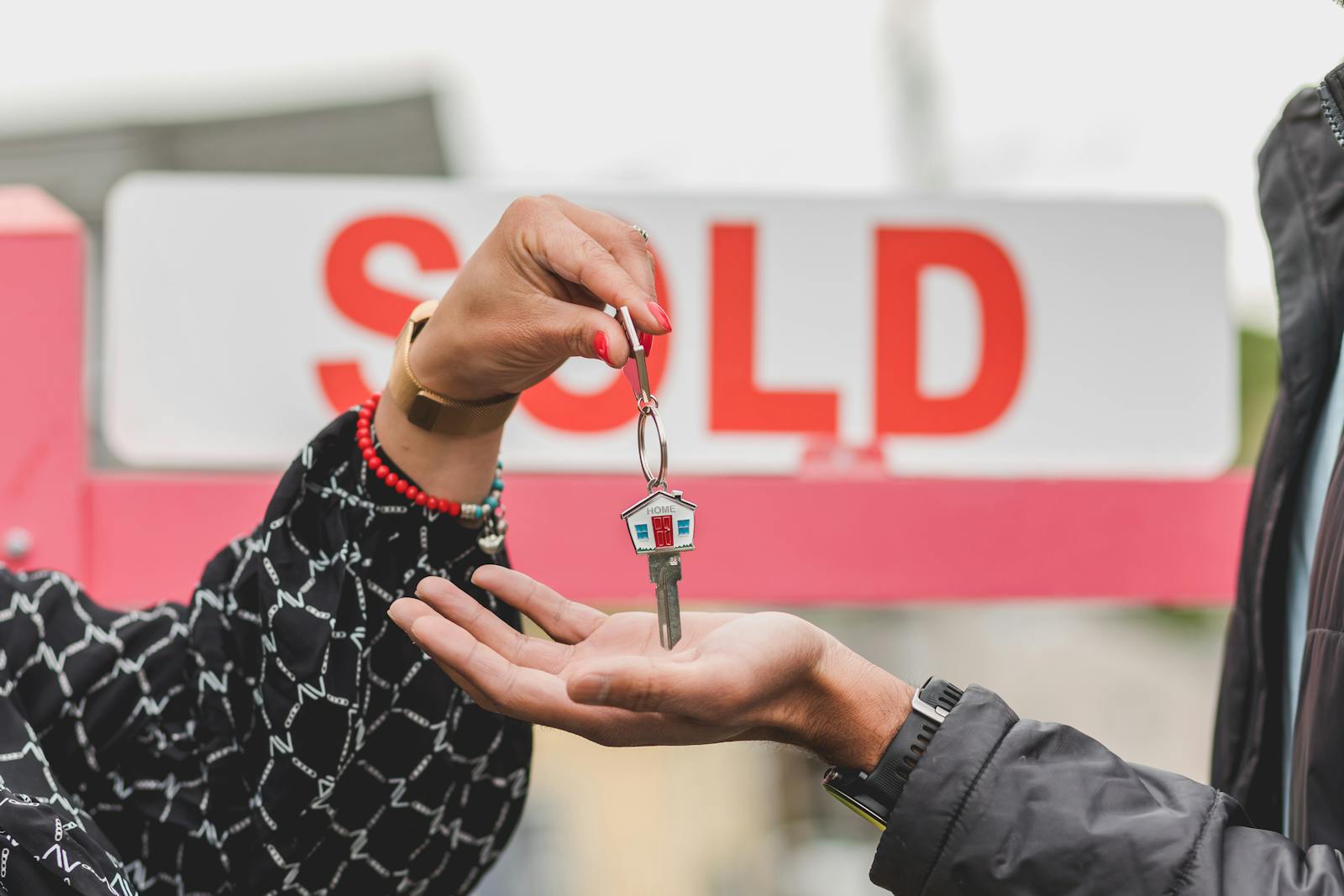
What Happens After You Get the Keys

Getting the keys is just the beginning. The first few weeks of homeownership are about getting organized, learning your home systems, and settling into your space.

Take your time, prioritize important tasks, and enjoy the process. First time homeownership is a big step, and it should feel rewarding.

Why Working With a Local Expert Matters

Buying your first home is easier when you have the right support. A local Winnipeg real estate agent understands the market, the neighborhoods, and the process from start to finish.

They help you avoid common mistakes, answer questions, and guide you through every step with confidence.

Final Thoughts

Buying your first home in Winnipeg does not have to feel overwhelming. With the right preparation and guidance, it becomes a clear and manageable process.

Every step, from budgeting to closing, is part of building a strong foundation for your future. The more informed you are, the more confident your decisions will feel.

If you are ready to take the next step or just want to understand your options, working with an experienced local professional makes all the difference.

For expert guidance and personalized support from Ty Mitchell, visit https://tysellswpg.com/

Your first home is a big milestone. Having the right strategy makes it a great experience from start to finish.

Read

Closing Day Checklist: What to Expect & What to Bring

Closing day is the finish line. It is the moment buyers finally get the keys and sellers officially hand over the home. After weeks or months of paperwork, showings, negotiations, and inspections, this day feels like a big deal because it is.

That said, closing day can also feel confusing if you are not sure what actually happens or what you are responsible for. This checklist breaks everything down in a clear and realistic way so Winnipeg buyers and sellers know exactly what to expect and what to bring when the big day arrives.

What Closing Day Really Means

So, what happens on closing day? Let’s identify what is closing day first. Closing day is the legal transfer of ownership from seller to buyer. This is the day when funds are exchanged, documents are registered, and possession is prepared. In Manitoba, lawyers handle most of the behind the scenes work, which means buyers and sellers rarely meet face to face.

Even though it feels like everything happens at once, most of the work actually occurs before closing day. The day itself is about final confirmations and making sure all legal steps are completed properly.

Who Is Involved on Closing Day

Several professionals are working together on closing day. This includes the buyer lawyer, seller lawyer, lender, and real estate agents. Each has a specific role in making sure funds move correctly and documents are registered on time.

Buyers and sellers are usually not required to attend in person unless specifically requested. Most communication happens electronically, which makes preparation even more important.

What Buyers Should Expect on Closing Day

For buyers, closing day is about confirming that ownership is officially transferred. Funds are sent to the seller lawyer, the mortgage is registered, and the title changes hands.

Once everything is completed, buyers receive confirmation that the home is legally theirs. Keys are typically released through the real estate agent once possession time arrives.

What Sellers Should Expect on Closing Day

For sellers, closing day is about receiving funds and completing the legal sale. Mortgage balances are paid off, and the remaining proceeds are transferred to the seller.

Sellers usually receive confirmation once the transaction has been registered. It is normal for funds to arrive later in the day, so patience is important.

What Buyers Need to Bring or Have Ready

SEO phrases to target
What to bring to closing day
Buyer closing documents
Closing day checklist

Buyers should have valid government issued photo identification available. Lawyers require this to verify identity. Buyers also need to ensure funds for closing costs are already delivered to their lawyer in the correct form.

Certified cheques or bank transfers are typically arranged in advance. Buyers should also have proof of home insurance ready, as lenders require coverage before releasing mortgage funds.

What Sellers Need to Bring or Have Ready

Sellers also need valid identification and should confirm that all required documents were signed ahead of time. Any warranties, manuals, or garage door openers should be left at the property.

If the home is still occupied until possession time, sellers should have a clear move out plan to avoid delays or complications.

Understanding Possession Time

Closing day and possession day are often the same, but possession time matters. Real estate possession refers to when buyers can actually access the property, not when ownership transfers.

Possession times are written into the offer and should be reviewed carefully. Keys are released based on this timing, not earlier.

Final Walk Through Before Closing

Buyers usually complete a final walk through shortly before closing. This ensures the home is in the agreed upon condition and that included items remain in place.

If issues arise, they should be reported immediately to the real estate agent so they can be addressed before closing is finalized.

How Funds Move on Closing Day

Funds move between lawyers and lenders on closing day. Buyers do not hand money directly to sellers. Everything flows through trust accounts to protect both parties.

Because multiple transactions happen at once, delays can occur. This is normal and does not usually indicate a problem.

Why Timing Matters on Closing Day

Closing day often involves many transactions across the province. Lawyers process files in order, which means some closings complete earlier than others.

It is best not to schedule movers or utility hookups too early in the day. Flexibility helps reduce stress if timelines shift slightly.

Utilities and Services to Set Up

Buyers should arrange utilities, internet, and services to start on possession day. Sellers should schedule cancellations based on possession time to avoid overlaps.

Planning ahead ensures a smooth transition without gaps in service.

Common Closing Day Mistakes to Avoid

Last minute changes, missing documents, or incomplete funds can delay closing. Buyers and sellers should follow instructions from their lawyer carefully and ask questions early.

Preparation is the best way to avoid stress on closing day.

How Real Estate Agents Help on Closing Day

A good real estate agent support stays involved right through closing. They coordinate with lawyers, manage key releases, and help resolve last minute questions.

Having an experienced local agent ensures nothing falls through the cracks.

Why Local Knowledge Matters

Real estate processes can vary by province. Winnipeg buyers and sellers benefit from working with professionals who understand Manitoba real estate specific timelines and procedures.

Local experience helps keep expectations realistic and outcomes smooth.

Final Thoughts

Closing day is exciting, emotional, and sometimes nerve wracking. Knowing what to expect and what to prepare ahead of time removes a lot of unnecessary stress.

Whether you are buying or selling in Winnipeg, having the right guidance makes the entire experience more enjoyable and predictable.

For trusted Winnipeg real estate support and step by step guidance through closing day, visit https://tysellswpg.com/

The keys may come at the end, but confidence starts with preparation.

Read

Moving Checklist for Winnipeg Homeowners (Before, During & After Move)

Moving is one of those life events that feels exciting and exhausting at the same time.
New space, new routine, new chapter.
Also boxes, timelines, logistics and a lot of small details.

For Winnipeg homeowners moving comes with extra considerations. Weather changes quickly, winter moves require planning, spring and summer moves fill up fast.

A solid moving checklist helps keep things organized and reduces stress. It also prevents costly last minute mistakes

This moving checklist for Winnipeg homeowners breaks everything down into three phases

Before the move
During the move
After the move

Simple, practical and realistic. Designed to keep you calm and in control.

Why a Moving Checklist Matters

Most moving stress comes from forgetting things. Utilities not transferred, mail not forwarded, and important documents misplaced.

A moving checklist gives you structure. It helps you focus on one task at a time. It keeps small details from becoming big problems.

Whether you are moving across Winnipeg or across the province preparation makes the difference.

Before the Move Planning and Preparation

This phase starts several weeks before moving day. The earlier you start the smoother everything feels.

Confirm Your Moving Date

Lock in your possession date, confirm when keys are available, and coordinate access times.

If you are selling and buying, ensure dates align. Your real estate agent helps manage this timeline.

Book Movers Early

Winnipeg movers book up quickly especially in summer. Winter moves require experienced crews.

Ask about the following:
Insurance coverage
Weather policies
Cancellation terms

Confirm everything in writing.

Create a Packing Plan

Pack room by room, label boxes clearly, and set aside essentials you will need immediately.

Create a moving essentials box: Toiletries, Medications, Chargers, and Important documents.

Keep this box with you.

Notify Utilities and Services

Arrange transfers or cancellations for electricity, water, gas, internet, and cable.

Schedule service at your new home before moving day.

Change Your Address

Update your address with banks, credit cards, insurance providers, subscriptions, and government agencies.

Set up mail forwarding through Canada Post.

Prepare for Winnipeg Weather

Check the forecast and plan for snow, rain or heat. Have boots or shoes ready, salt or sand in winter, and tarps for furniture.

Weather planning protects your belongings and your sanity.

During the Move Staying Organized

Moving day can feel chaotic and a little structure goes a long way.

Be Available

Stay accessible to movers, answer questions, and direct furniture placement.

Clear communication saves time and prevents damage.

Protect Floors and Doorways

Use floor runners, cover door frames, and protect stair edges.

This matters in both old and new homes.

Do a Final Walkthrough

Before leaving check closets, cabinets, basement, and garage to make sure nothing is left behind.

Secure Valuables

Keep valuables with you like jewelry, documents, and electronics.

Do not pack these on the truck.

Keep Essentials Handy

Snacks, water. phone chargers, and basic tools. Moving is tiring and small comforts help.

After the Move Settling In

Once the truck leaves you are not done, the after move phase sets the tone for your new home.

Check Utilities

Confirm all services are working like heat, water, electricity, and internet.

Address if there are issues immediately. The following are the after move checklist:

Unpack Strategically

Start with essentials such as kitchen, bathrooms, and bedrooms.

Do not rush everything at once. Progress beats perfection.

Inspect the Home

Walk through the home and check walls, floors, and appliances.

Note any issues right away. This is especially important if possession was recent.

Update Locks and Security

Consider changing locks, updating garage codes, and setting up security systems.

Peace of mind matters.

Get to Know the Area

Learn garbage and recycling schedules, find local services, and introduce yourself to neighbors/

Feeling settled goes beyond unpacking.

Special Considerations for Winnipeg Moves

Winnipeg moves come with unique challenges and below are some of Moving in Winnipeg advice.

Winter Moves

Plan extra time, protect floors from snow and salt, and keep paths clear.

Winter moves can be smooth with preparation.

Summer Moves

Book early, Plan for heat, stay hydrated.

Peak season requires flexibility.

How Moving Impacts Your Real Estate Timeline

Moving is closely tied to your real estate transaction. Possession dates, key transfers, and final walkthroughs.

A seasoned Winnipeg real estate agent helps coordinate these moving parts and this reduces overlap stress and timing issues.

Common Moving Mistakes to Avoid

Waiting too long to pack, not labeling boxes, forgetting address updates, underestimating weather impact, and overloading moving day.

Avoiding these mistakes saves time money and energy.

Final Thoughts

Moving is more than transporting boxes. It is a transition, a reset, and a new beginning.

With a clear moving checklist you stay organized and focused. You reduce stress and create a smoother experience.

If you are buying selling or moving in Winnipeg and want guidance that goes beyond the transaction working with the right professional matters

If you want thoughtful support practical advice and local expertise connect with Ty at https://tysellswpg.com/

A well planned move sets the tone for everything that comes next.

Read

The Invaluable Benefits of Hiring a Realtor in Winnipeg: 10 Reasons Why

Let’s be real for a second. Buying or selling a home is one of the biggest financial decisions you will ever make. It is exciting, emotional, and sometimes overwhelming all at once. And while it might be tempting to try doing it all yourself, especially with so much information online, the truth is that having a professional in your corner can make a massive difference.

If you are navigating the Winnipeg market, working with an experienced Realtor is not just helpful, it is a strategic advantage. Here are 10 real, practical reasons why hiring a Realtor in Winnipeg is one of the smartest moves you can make.

1. Deep Understanding of the Winnipeg Market

A seasoned Realtor understands the ins and outs of the Winnipeg housing market. They know which neighborhoods are heating up, where buyers are getting the best value, and how seasonal trends affect pricing and demand.

This kind of insight is not something you can fully grasp from a quick Google search. It comes from being actively involved in the market every day. Whether you are buying or selling, this knowledge helps you make smarter, more confident decisions.

2. Accurate Pricing Strategy

Pricing a home is both an art and a science. Price too high and your property sits on the market. Price too low and you leave money on the table.

A Realtor uses comparative market analysis, recent sales data, and local expertise to determine the right price. This ensures your home attracts serious buyers while maximizing your return.

3. Skilled Negotiation That Protects Your Interests

Negotiation is where deals are won or lost. Whether it is securing a lower purchase price, negotiating repairs, or handling multiple offers, having a skilled negotiator matters.

Realtors are trained to advocate for your best interests. They remove emotion from the equation and focus on strategy, ensuring you get the best possible outcome.

4. Access to More Listings and Opportunities

Not every home is easily found online. Realtors often have access to exclusive listings, upcoming properties, and networks that give you an edge.

For buyers, this means more options and less competition. For sellers, it means your property gets in front of the right audience faster.

5. Professional Marketing That Actually Works

Selling a home today is more than just putting up a sign. It requires high-quality photos, compelling descriptions, social media exposure, and targeted marketing.

A Realtor knows how to position your home to stand out. They understand what buyers are looking for and how to showcase your property in a way that drives interest and offers.

6. Guidance Through Complex Paperwork

Real estate transactions involve a lot of paperwork. Contracts, disclosures, conditions, and deadlines all need to be handled correctly.

One small mistake can lead to delays or legal issues. A Realtor ensures everything is accurate, complete, and submitted on time so you can move forward with confidence.

7. Strong Network of Trusted Professionals

A great Realtor does not just work alone. They come with a network of trusted professionals including home inspectors, mortgage brokers, lawyers, and contractors.

This saves you time and helps you avoid unreliable service providers. You get access to people who are proven, trusted, and experienced.

8. Time Savings and Less Stress

Let’s face it, buying or selling a home can feel like a full-time job. Scheduling showings, answering inquiries, handling negotiations, and managing paperwork takes time.

A Realtor handles these moving parts for you. This allows you to focus on your life while knowing everything is being managed professionally.

9. Objective Advice When Emotions Run High

Real estate is emotional. You might fall in love with a home or feel attached to the one you are selling.

A Realtor provides objective advice grounded in facts and experience. They help you stay focused on your goals and avoid decisions that could cost you in the long run.

10. Better Results, Financially and Strategically

At the end of the day, working with a Realtor is about results. Homes often sell faster and at better prices with professional representation. Buyers often secure better deals and avoid costly mistakes.

It is not just about convenience. It is about making a smarter investment in your future.

Final Thoughts

The Winnipeg real estate market is full of opportunities, but also challenges. Having the right guidance can be the difference between a smooth, successful experience and a stressful one filled with missed opportunities.

A Realtor is not just there to open doors or list your home. They are your strategist, negotiator, advisor, and partner throughout the entire process.

Ready to Make Your Next Move?

If you are thinking about buying or selling in Winnipeg and want guidance that is honest, strategic, and tailored to you, it might be time to have a conversation.

Visit 👉 https://tysellswpg.com/ to connect, ask questions, and explore your options. No pressure. Just real advice to help you make the right move.

Read

Building Your Home with Resale in Mind

Building your dream home is exciting. You get to choose everything, from the layout to the finishes, and create a space that fits your lifestyle perfectly. But here is something most people overlook. One day, you will probably sell it.

Even if you are planning to stay for years, life happens. Job changes, growing families, downsizing, or new opportunities can all shift your plans. That is why building your home with resale in mind is one of the smartest moves you can make from day one.

The goal is simple. Create a home you love, while making sure future buyers will love it too. Let’s break down how to do exactly that.

1. Start with the Right Location

You have probably heard this a hundred times, but it still matters more than anything else. Location is everything. Even the most beautifully designed home can struggle to sell if it is in a less desirable area. On the flip side, a well built home in a great neighborhood will always attract buyers.

When choosing where to build, think about what future buyers care about. Proximity to schools, parks, shopping, and public transportation all play a big role. Quiet streets and safe communities are always a plus.

In Winnipeg specifically, neighborhoods with strong community vibes and access to amenities tend to hold value better over time.

You cannot change location later. So make sure you get this part right.

2. Keep the Floor Plan Functional

It is tempting to design something ultra unique. But when it comes to resale, functionality wins every time. Buyers are looking for homes that feel easy to live in. That means open, practical layouts that make sense.

Open concept living areas are still very popular. They make spaces feel bigger and brighter, and they are great for entertaining. A main floor with a seamless flow between the kitchen, dining, and living area is always a safe bet. Also consider having at least three bedrooms. Even if you do not need them, future buyers might. A home office that can easily convert into a bedroom is a smart move.

Avoid overly customized layouts that only work for a specific lifestyle. The more flexible your space is, the more buyers you will attract.

3. Choose Timeless Over Trendy

Trends come and go. What looks amazing today might feel outdated in just a few years.

When building with resale in mind, aim for timeless finishes that appeal to a wide range of buyers. Think neutral color palettes, classic cabinetry, and simple, clean lines. For example, white, gray, and warm wood tones tend to age well. Bold colors or highly specific design choices might reflect your personality, but they can turn off potential buyers later.

This does not mean your home has to feel boring. You can still add personality through decor, furniture, and accents. Just keep the permanent features neutral and versatile.

4. Invest in the Kitchen and Bathrooms

If there are two areas that truly sell a home, it is the kitchen and bathrooms. Buyers pay close attention to these spaces. They want them to feel modern, clean, and functional.

In the kitchen, focus on quality cabinetry, durable countertops, and good lighting. An island is a big plus, especially for families or anyone who loves to entertain. For bathrooms, think about comfort and convenience. Double sinks in the primary bathroom, good storage, and updated fixtures can make a big difference.

You do not need to go over the top. Just make sure these spaces feel well thought out and built to last.

5. Do Not Skip Storage

Storage is one of those things buyers notice immediately.

Closets, pantry space, and smart storage solutions can make your home stand out. Walk in closets are always a bonus, especially in the primary bedroom. A functional mudroom or entryway with storage is also a huge plus, especially in Winnipeg where seasons can be intense.

Think about where people will put their everyday items. Shoes, coats, groceries, cleaning supplies. When a home has a place for everything, it just feels easier to live in.

6. Energy Efficiency Matters More Than Ever

Today’s buyers are more conscious about energy use and monthly costs.

Energy efficient features are not just good for the environment. They also make your home more attractive when it is time to sell. Consider things like high quality insulation, energy efficient windows, and modern HVAC systems. Even simple upgrades like LED lighting can add value.

In a place like Winnipeg, where winters can be harsh, efficiency is a big deal. Buyers will appreciate a home that stays warm without driving up utility bills.

7. Think About Future Flexibility

Life changes. Your home should be able to adapt. Spaces that can serve multiple purposes are incredibly valuable. A bonus room that can be a playroom, office, or guest room is a great example. Finished basements are also a strong selling point. They add usable space and can appeal to a wide range of buyers, from families to investors.

The more flexible your home is, the easier it will be for someone else to picture themselves living there.

8. Do Not Overbuild for the Area

It is easy to get carried away when building. But there is a point where adding more does not necessarily mean getting more back. If your home is significantly more expensive or more customized than others in the neighborhood, it can be harder to sell.

Take a look at surrounding homes and aim to stay within a reasonable range. You want your home to stand out in a good way, not feel out of place.

Smart upgrades are always better than excessive ones.

9. Curb Appeal Still Counts

First impressions matter. A lot. When buyers pull up to your home, you want them to feel excited before they even step inside. Simple things like landscaping, a clean exterior, and a welcoming front entrance go a long way. Choose exterior colors and materials that are attractive but not overly bold.

A well maintained exterior signals that the home has been cared for, which builds trust with buyers.

Final Thoughts

Building a home is one of the biggest investments you will ever make. It is personal, exciting, and sometimes a little overwhelming. But thinking ahead to resale does not mean sacrificing what you want. It just means making smart, intentional choices that will pay off later.

The best homes are the ones that balance personal comfort with broad appeal. When you get that right, you are not just building a home. You are building long term value. If you are thinking about building a home in Winnipeg and want to make sure you are making the right decisions from both a lifestyle and resale perspective, it helps to have someone in your corner who understands the market.

You can explore more insights, listings, and resources at:
👉 https://tysellswpg.com/

Or reach out and start a conversation. Whether you are building, buying, or planning ahead, having a clear strategy makes all the difference.

Read

The Biggest Selling Points of Your Home: What Buyers Are Really Looking For

The Biggest Selling Points of Your Home: What Buyers Are Looking For

If you are planning to sell your home, one of the most important questions to ask is this. What are buyers actually looking for right now?

Because here is the truth. Buyers are not just purchasing a property. They are buying a feeling, a lifestyle, and a vision of what their life could look like in that space. Understanding what stands out to buyers can help you position your home more effectively, attract stronger offers, and ultimately sell with more confidence.

Let’s break down the biggest selling points that matter most in today’s Winnipeg market.


First Impressions Still Matter More Than You Think

Before a buyer even steps inside, they have already started forming an opinion.Curb appeal plays a huge role in setting the tone. A clean exterior, maintained landscaping, and a welcoming entrance can instantly make your home feel more inviting.

This does not mean you need a full exterior renovation. Small updates like freshening up the front door, trimming hedges, or adding simple outdoor lighting can go a long way.

Buyers often decide how they feel about a home within the first few moments. Creating a strong first impression sets the stage for everything that follows.


A Functional and Flowing Layout

Buyers are paying close attention to how a home feels, not just how it looks.

A functional layout that flows naturally from one space to another is a major selling point. Open concept designs remain popular, especially for kitchens and living areas where people spend most of their time.

Even if your home is not fully open concept, creating a sense of space and flow can make a big difference. Rearranging furniture, removing unnecessary items, and allowing natural movement through the home can help buyers visualize themselves living there.

It is less about square footage and more about how the space is used.


The Kitchen Still Leads the Conversation

If there is one area buyers focus on the most, it is the kitchen.

The kitchen is often seen as the heart of the home, and buyers want a space that feels both functional and updated. Clean countertops, modern finishes, and good lighting can make a huge impact.

You do not need a complete renovation to make your kitchen stand out. Simple updates like new hardware, updated lighting, or a fresh coat of paint on cabinets can elevate the space.

Buyers are imagining daily life here, from morning coffee to hosting friends, so creating a space that feels inviting and usable is key.


Natural Light and Bright Spaces

Light changes everything.

Homes that feel bright and airy tend to attract more attention and create a more positive emotional response from buyers.

Maximizing natural light is one of the easiest ways to enhance your home. Open curtains, clean windows, and use lighter colors where possible. If natural light is limited, adding warm, well placed lighting can help create the same inviting feel.

A well lit home feels larger, cleaner, and more welcoming, which are all things buyers are drawn to.


Storage and Practical Living

Storage may not be the most exciting feature, but it is one of the most important.

Buyers are always thinking about where they will put their things. Closets, cabinets, and storage areas that feel organized and spacious can be a big selling point.

Before listing your home, take time to declutter and organize these spaces. Even if your storage is limited, presenting it well can make it feel more functional.

A home that feels easy to live in often stands out more than one that simply looks good.


Updated and Well Maintained Features

Buyers notice the details.

A home that feels well cared for builds confidence. Things like updated flooring, fresh paint, and maintained systems can make a strong impression.

On the flip side, visible wear and tear can raise concerns. Small issues like chipped paint, leaky faucets, or outdated fixtures can make buyers wonder what else might be wrong.

Taking the time to handle minor repairs and updates before listing can help your home feel move in ready, which is exactly what many buyers are looking for.


Energy Efficiency and Smart Features

More buyers are paying attention to efficiency and long term costs.

Energy efficient windows, updated insulation, and modern heating systems can add value and appeal. Smart home features like programmable thermostats or security systems are also becoming more desirable.

These features may not always be the main selling point, but they can influence a buyer’s decision, especially when comparing multiple properties.

They signal that the home is not only comfortable, but also practical for everyday living.


The Right Location and Neighborhood Appeal

You have probably heard it before. Location matters.

While you cannot change where your home is, you can highlight what makes your area desirable.

Proximity to schools, parks, shopping, and amenities can all be strong selling points. Walkability, community feel, and accessibility also play a role in how buyers perceive value.

When buyers connect with both the home and the neighborhood, it creates a much stronger emotional pull.


Creating an Emotional Connection

At the end of the day, decisions are often emotional.

Buyers want to walk into a home and feel something. Comfort, excitement, possibility.

This is where presentation matters. Clean spaces, neutral tones, and thoughtful staging can help buyers imagine themselves living there. It is not about removing personality completely, but about creating a space that feels open and inviting to a wide range of people.

When a buyer can see themselves in your home, everything else becomes easier.


Pricing and Positioning Tie Everything Together

Even with all the right features, pricing still plays a critical role.

A well priced home attracts attention, generates interest, and can lead to stronger offers. Overpricing can cause hesitation and reduce momentum. Positioning your home correctly in the market ensures that all the effort you put into preparing it actually pays off.

It is a combination of strategy, timing, and understanding what buyers are willing to pay.


So, What Should You Focus On First?

If you are feeling overwhelmed, start simple. Focus on presentation, functionality, and overall feel. You do not need to have a perfect home, but you do want to highlight its strengths.

Small, intentional improvements can go a long way in how your home is perceived.The goal is not just to list your home, but to position it in a way that connects with buyers and stands out in the market.


Thinking About Selling Your Home?

Selling your home is more than just putting it on the market. It is about understanding what buyers want and aligning your home with that vision.

If you are thinking about selling and want a clear strategy on how to position your home, price it right, and attract the right buyers, the next step is having a real conversation.

No pressure, no guesswork, just honest guidance based on your home and your goals.

You can start here:
https://tysellswpg.com/

Sometimes the smallest changes make the biggest difference, and having the right guidance can help you see exactly where those opportunities are.

Read

Selling a Rental Property in Winnipeg? What You Need to Know Before You List

What Do I Need to Know If I Am Selling My Rental Property in Winnipeg?

Selling a rental property is not the same as selling your primary home. There are more moving parts, more decisions to make, and more factors that can impact your final outcome.

If you are thinking about selling your rental property in Winnipeg, you are likely asking yourself a few key questions. Should I sell with tenants in place, how will taxes affect me, and when is the right time to list?

This guide will walk you through what actually matters so you can make a confident and informed decision.


Understanding Your Why Before You Sell

Before anything else, take a step back and ask yourself why you are selling. Are you cashing out to reinvest in another opportunity, reducing your portfolio, or simply tired of managing tenants?

Your reason matters because it shapes your entire strategy. If your goal is to maximize profit, your approach may look different compared to someone who wants a quick and smooth sale. For example, an investor looking to reinvest may focus on timing the market and minimizing tax impact. On the other hand, a landlord who is done with the day to day responsibilities may prioritize convenience and speed.

There is no right or wrong answer here, but getting clear on your motivation helps guide every decision moving forward.


Selling With Tenants vs Selling Vacant

One of the biggest decisions you will face is whether to sell your property with tenants in place or vacant.

Selling with tenants can be appealing to other investors. It offers immediate rental income, which can make your property more attractive in the investment market. However, it can also make showings more complicated. You need to coordinate with tenants, respect notice periods, and ensure the property presents well.

Selling vacant gives you more control. You can stage the property, schedule showings freely, and potentially attract a wider pool of buyers, including families looking for a primary residence.

But going vacant also means a gap in rental income, and depending on your timeline, that can add up.

In Winnipeg, tenant rights are protected, so you need to follow proper legal procedures when ending a lease or requesting access for showings. This is not something you want to navigate casually.


Tax Implications You Cannot Ignore

This is one of the most important parts of selling a rental property, and it is often underestimated.

When you sell a rental property in Canada, you may be subject to capital gains tax. This means a portion of your profit is taxable. The amount depends on factors like how long you have owned the property, your purchase price, improvements you have made, and your current income bracket.

There may also be depreciation recapture if you have claimed capital cost allowance over the years. This is where working with a knowledgeable accountant becomes essential. The goal is not just to sell, but to understand how much you actually keep after taxes.

Planning ahead can make a significant difference in your net outcome.


Timing the Winnipeg Market

Timing plays a bigger role than most people think.

The Winnipeg real estate market tends to have seasonal patterns. Spring and early summer often bring more buyers, which can lead to stronger competition and potentially better offers. However, timing is not just about the season. It is also about current market conditions, interest rates, and buyer demand.

If inventory is low and demand is strong, you may have an opportunity to sell quickly and at a favorable price. If the market is more balanced, strategy becomes even more important.

The key is not trying to perfectly time the market, but understanding where you are in the cycle and positioning your property accordingly.


Preparing Your Rental Property for Sale

First impressions matter, even for investment properties.

If your property is tenanted, this can be a bit more challenging, but not impossible. Clear communication with your tenants can go a long way in keeping the space presentable for showings. If the property is vacant, you have more flexibility. A deep clean, minor repairs, and simple updates can significantly improve how the property is perceived.

You do not need to over renovate, but addressing obvious issues and creating a clean, inviting space can help buyers see the potential.

In some cases, light staging can make a big difference, especially if you are targeting owner occupants.


Pricing Strategy Matters More Than You Think

Pricing your rental property is not just about looking at what you want to make.

It is about understanding the market, comparable sales, and how investors or buyers will evaluate your property. For investors, numbers matter. They will look at rental income, expenses, and potential return. For end users, it is more about lifestyle and value. A strong pricing strategy positions your property to attract the right buyers while still maximizing your return.

Overpricing can lead to longer time on market and fewer offers. Underpricing may generate interest, but needs to be handled carefully to ensure you do not leave money on the table.

This is where local expertise becomes incredibly valuable.


Marketing to the Right Buyers

Not all buyers are the same, and your marketing should reflect that. If your property is best suited for investors, the focus should be on numbers, rental potential, and long term value. If it appeals to families or first time buyers, the messaging should highlight lifestyle, neighborhood, and livability.

High quality photos, clear property details, and strategic online exposure all play a role in attracting the right audience.

The goal is not just to get attention, but to get the right kind of attention.


Common Mistakes to Avoid

Selling a rental property comes with its own set of pitfalls.

One common mistake is underestimating the impact of tenants on the selling process. Poor communication or lack of cooperation can make showings difficult and affect buyer perception. Another is ignoring tax implications until it is too late. This can lead to unexpected costs that reduce your profit.

Overpricing is also a frequent issue. It can cause your property to sit on the market longer than necessary.

Finally, trying to navigate everything alone can lead to missed opportunities. Having the right guidance can make the process smoother and more strategic.


So, Is It the Right Time to Sell?

There is no one size fits all answer.

The right time to sell depends on your financial goals, market conditions, and personal situation.For some, selling now may unlock equity and open new opportunities. For others, holding the property longer may make more sense.

The important thing is making a decision based on clear information, not guesswork.


Thinking About Selling Your Rental Property?

Selling a rental property is not just a transaction. It is a financial decision that can impact your long term goals. If you are considering selling your rental property in Winnipeg and want a clear, honest understanding of your options, the best next step is to have a conversation.

No pressure, no assumptions, just real insight based on your situation.

You can start here:
https://tysellswpg.com/

Whether you are ready to sell or just exploring your options, having the right guidance can make all the difference.

Read

Should I Move to Winnipeg? A Realistic Guide to Living, Costs, and Lifestyle

Should I Move to Winnipeg? Here’s the Honest Answer

If you’re asking yourself “Should I move to Winnipeg?” you’re not alone. More people are starting to look beyond the bigger, more expensive cities and consider places that offer more space, more affordability, and a different pace of life.

Winnipeg is one of those places that often flies under the radar, but once you start digging into it, it becomes a serious contender.

This is not one of those overly polished guides that only shows the highlights. This is a real, grounded look at what living in Winnipeg actually feels like, the good, the challenges, and everything in between.


What Is It Like Living in Winnipeg?

Living in Winnipeg is a mix of simplicity, community, and practicality.

It is a city where people still hold doors open for each other, where traffic is manageable compared to major metropolitan areas, and where you can actually own a home without feeling like you are sacrificing your entire future for it.

The lifestyle here leans more grounded than flashy. You will not find the same level of hustle and constant movement as cities like Toronto or Vancouver, but that is exactly what many people are looking for.

Winnipeg has a strong sense of community. Local events, neighborhood gatherings, and seasonal festivals are a big part of life here. People tend to know their neighbors, and there is a certain comfort in that.

That said, it is not for everyone. If you thrive on nonstop nightlife, luxury shopping, or fast-paced city energy, Winnipeg may feel a bit slower than what you are used to.


The Cost of Living in Winnipeg

One of the biggest reasons people consider moving to Winnipeg is affordability.

Compared to most major Canadian cities, the cost of living in Winnipeg is significantly lower. Housing, in particular, is where you will see the biggest difference.

You can still find detached homes at prices that feel almost unrealistic if you are coming from cities like Vancouver or Toronto. Rent is also more reasonable, which gives people more breathing room financially.

Beyond housing, everyday expenses like groceries, transportation, and utilities are generally manageable. You are not constantly feeling like you are trying to keep up with rising costs.

However, lower cost of living does not always mean higher income. Salaries in Winnipeg can be lower depending on your industry, so it is important to look at both sides.

Still, for many people, the balance works in their favor. Lower expenses often mean less financial stress and more flexibility in how you live your life.


The Winnipeg Housing Market

If homeownership is one of your goals, Winnipeg becomes even more attractive.

The Winnipeg real estate market is known for being relatively stable compared to other major cities. It does not typically experience the same extreme highs and lows, which can make it a more predictable place to buy.

There is a wide range of housing options, from character homes in established neighborhoods to newer builds in growing communities. Whether you are a first-time buyer, upgrading, or looking to invest, there are opportunities here.

One of the biggest advantages is accessibility. Many buyers who feel priced out in other cities find that they can actually enter the market in Winnipeg.

That said, like any market, it still requires strategy. The right neighborhood, timing, and guidance can make a big difference in your experience.


The Weather Reality

Let’s talk about the part everyone brings up first. The winters.

Yes, Winnipeg winters are cold. There is no way around that. Temperatures can drop significantly, and the season can feel long if you are not used to it.

But here is the part people do not always mention. Winnipeg is built for winter.

The city is well-equipped to handle snow and cold, and life does not stop when temperatures drop. People adapt, routines adjust, and winter activities become part of the lifestyle.

If you embrace it, winter can actually be enjoyable. Skating trails, cozy cafes, and community events make it more than just something to endure.

Still, if you strongly dislike cold weather, this is something you need to seriously consider. It is a real factor, not just a small inconvenience.


Job Opportunities and Economy

Winnipeg has a diverse and stable economy, with strong sectors in healthcare, education, manufacturing, and transportation.

It is not a city driven by one single industry, which helps create more stability over time.

Job opportunities are there, but it may take some research depending on your field. Certain industries are more prominent than others, so understanding where your skills fit is important.

For remote workers, Winnipeg can be especially appealing. Lower living costs combined with a steady income from elsewhere can significantly improve your quality of life.

For those relocating without a job lined up, it is worth planning ahead and exploring the market before making the move.


Is Winnipeg a Good Place to Raise a Family?

Winnipeg is often considered a great place to raise a family.

There are many family-friendly neighborhoods with parks, schools, and community spaces. Housing is more accessible, which means families can often afford larger homes with yards.

The slower pace of life can also be a big advantage. Less time commuting and more time at home or in the community can create a better balance.

Of course, like any city, some areas are more desirable than others. Choosing the right neighborhood plays a big role in your experience.

Safety, schools, and accessibility are all factors to consider, and having local insight can make that process much easier.


The Pros and Cons of Moving to Winnipeg

Let’s simplify it.

The pros:
- Affordable housing and cost of living
- Strong sense of community
- Less traffic and slower pace
- Accessible homeownership opportunities

The cons:
- Cold winters
- Smaller job market compared to major cities
- Less nightlife and big-city entertainment

It really comes down to what you value. If you are looking for space, affordability, and a more grounded lifestyle, Winnipeg can be an incredible place to live. If you are chasing constant energy, fast growth, and big-city amenities, you may feel limited here.


So, Should You Move to Winnipeg?

The honest answer is this. It depends on what kind of life you want to build. Winnipeg is not trying to compete with the biggest cities in Canada. It offers something different. It offers stability, opportunity, and a lifestyle that feels more balanced for many people. For some, that is exactly what they have been looking for. For others, it may not align with their priorities.

The key is understanding what matters most to you and seeing if Winnipeg supports that vision.


Thinking About Making the Move?

If you are seriously considering moving to Winnipeg, the next step is getting real, local insight.

Every neighborhood, price point, and situation is different. Having someone who understands the market and can guide you based on your goals makes the process smoother and more intentional.

If you want to explore what your move could actually look like, whether it is buying your first home, upgrading, or just understanding your options, you can start here:
https://tysellswpg.com/

No pressure, just real conversations and honest guidance to help you make the right decision for your next move.

Read

New Build vs Resale in 2026. What Actually Gives You Better Value

This is one of the biggest decisions buyers are facing right now.

New build or resale.

And most of the advice out there sounds the same.

New builds are shiny and modern. Resale homes have character and established neighborhoods.

That is surface-level.

If you are buying in Winnipeg or Saskatoon in 2026, the real question is not which one looks better.

It is which one gives you better value based on today’s market, interest rates, and how these properties actually perform over time.

Because the wrong choice is not always obvious upfront. It shows up later in your finances, your flexibility, and your overall experience as a homeowner.

Let’s break this down properly.

Builder Incentives vs Resale Negotiation Power

One of the biggest reasons buyers lean toward new builds is incentives.

Builders often offer things like upgraded finishes, appliance packages, landscaping credits, or even help with closing costs.

On the surface, it feels like you are getting a great deal.

And sometimes, you are.

But here is what most buyers do not realize.

Builder pricing is often less flexible than resale pricing.

Builders typically set their prices based on current construction costs and market conditions. They protect their margins closely, so while they might offer incentives, they are less likely to significantly drop the price itself.

Now compare that to resale.

In Winnipeg and Saskatoon, resale homes often come with more negotiation room, especially if the property has been sitting on the market or if the seller is motivated.

That could mean negotiating the price down, asking for repairs, or including extras like appliances or furniture.

So what actually gives you better value.

It depends.

If you value convenience and upgrades bundled into the deal, new builds can feel like a win.

If you are focused on getting the best possible purchase price and terms, resale often gives you more leverage.

The key is understanding that incentives are not always the same as savings.

GST Implications. The Cost Most Buyers Overlook

Here is a big one that catches a lot of buyers off guard.

GST.

When you buy a new build in Canada, GST usually applies. That is an additional cost on top of the purchase price, although in many cases, it is already included in advertised prices or partially rebated depending on the price of the home.

Still, it matters.

Because even with rebates, you could be paying thousands more compared to a resale home.

Resale homes, on the other hand, typically do not have GST applied. What you see is generally what you pay, at least in terms of purchase price.

This creates a real difference when comparing value.

A new build priced at 500,000 dollars might not be directly comparable to a resale home at the same price once GST is factored in.

So when you are evaluating options, make sure you are comparing apples to apples.

The real cost matters more than the sticker price.

Construction Delays and Interest Rate Risk

This is where things get more strategic.

With resale homes, what you see is what you get.

You buy it, you close, and you move in within a relatively predictable timeline.

With new builds, especially pre-construction, there is a waiting period.

And that waiting period comes with risk.

Construction delays can happen due to labor shortages, supply chain issues, or weather conditions. In prairie cities, weather can absolutely play a role.

A delay of a few months might not sound like a big deal, but it can impact your plans, your finances, and even your mortgage.

Now let’s talk about interest rates.

If you are buying a new build that will not be completed for 6 to 12 months or longer, your mortgage rate is not always guaranteed until closer to completion.

That means if rates rise during that time, your monthly payments could be higher than expected.

This is something many buyers underestimate.

With resale, you are dealing with today’s rates. With new builds, you are betting on future conditions.

That does not mean new builds are a bad idea.

It just means you need to factor in that uncertainty when making your decision.

Quality Differences. Older Homes vs Newer Builds

This is one of the most debated topics.

Are older homes built better than new ones.

The honest answer is, it depends.

Older homes in Winnipeg and Saskatoon often come with solid construction, larger lots, and established neighborhoods. Many were built with durable materials and have stood the test of time.

But they can also come with outdated systems, insulation issues, or maintenance needs.

New builds offer modern layouts, energy efficiency, and updated materials. Everything is new, which means fewer immediate repairs and better efficiency in heating and cooling.

But not all new builds are created equal.

Some prioritize speed and cost efficiency over long-term durability. That is why choosing the right builder matters just as much as choosing the right home.

So what gives better value.

If you are willing to handle maintenance and want space and character, older homes can be a great investment.

If you value efficiency, lower short-term maintenance, and modern design, new builds make sense.

It comes down to your priorities and your tolerance for future work.

The Real Answer. It Is About Strategy, Not Preference

Here is the truth most people do not say.

There is no universal winner between new build and resale.

The better option depends on your situation.

Your timeline.

Your financial flexibility.

Your long-term plans.

If you are someone who values predictability and wants to move in quickly with minimal surprises, resale might be the better fit.

If you are planning ahead, comfortable with some uncertainty, and want a home tailored to modern living, a new build could be worth it.

But the biggest mistake buyers make is choosing based on emotion.

Falling in love with a brand new kitchen or getting attached to the charm of an older home without understanding the full financial picture.

The smartest buyers look beyond the surface.

They compare real costs, risks, and long-term value.

Final Thoughts

Buying a home in Winnipeg or Saskatoon in 2026 is not just about what looks good today.

It is about what makes sense for you financially and practically over time.

Both new builds and resale homes have their advantages.

But the value is not in the category.

It is in how well the property aligns with your goals.

When you take the time to understand the deeper factors, you move from guessing to making a decision with clarity.

And that changes everything.

Thoughtful Next Step

If you are trying to decide between a new build and a resale and want to see what actually makes sense for your situation, it might help to talk it through.

No pressure. Just real insight based on what is happening in the market right now.

You can start here:
👉 https://tysellswpg.com/

Sometimes the best decision is not the obvious one. It is the informed one.

Read

The Hidden Costs of Buying a Home in Winnipeg and Saskatoon That No One Talks About

Most buyers are laser focused on one thing.

The down payment.

And that makes sense. It is the biggest upfront hurdle and the number that gets talked about the most.

But here is the part almost no one prepares you for.

What happens after you buy.

Because the reality is, the down payment is just the beginning. Once you own the home, a whole set of costs quietly show up. Some expected. Some not.

And if you are not prepared for them, they can turn what should feel exciting into something stressful.

Let’s walk through the real costs of buying a home in Winnipeg and Saskatoon that no one really talks about, so you can go in clear, confident, and in control.

Closing Costs. The “One-Time” Fees That Add Up Quickly

Before you even get your keys, there is a final wave of costs that catches a lot of buyers off guard.

Closing costs.

These are the expenses required to officially transfer the property into your name. And while each one might seem manageable on its own, together they add up fast.

First, you have legal fees. In Canada, a real estate lawyer handles the paperwork, title transfer, and ensures everything is legit. Depending on the complexity of the deal, this can range anywhere from around 1,000 to 2,000 dollars or more.

Then there is title insurance. This protects you and your lender against potential issues with the property title, like fraud or unknown liens. It is usually a one-time cost, but still something buyers often forget to budget for.

Now here is where Winnipeg and Saskatchewan differ from places like Toronto or Vancouver.

Land transfer tax.

Manitoba has land transfer tax, which is based on the purchase price and can be a few thousand dollars depending on the home.

Saskatchewan does not have a traditional land transfer tax. Instead, there is a smaller land titles transfer fee, which is typically more affordable. That can make a noticeable difference in upfront costs.

Add in things like home inspections, appraisal fees, and adjustments for property taxes or utilities, and you are easily looking at an extra 1.5 percent to 4 percent of the purchase price.

The key takeaway. Closing costs are not optional. They are part of the deal. And planning for them ahead of time makes everything smoother.

Property Taxes. Why Your Neighborhood Matters More Than You Think

Once you own the home, property taxes become part of your new normal.

And here is something many buyers do not realize.

Property taxes can vary significantly depending on the neighborhood.

Two homes with similar prices can have very different tax bills based on location, school divisions, and municipal assessments.

In Winnipeg, property taxes are influenced by the city’s mill rate and the assessed value of the home. Some neighborhoods with higher property values or specific local services may come with higher taxes.

In Saskatoon, property taxes are also based on assessed value, but the rates and calculations differ slightly. Still, the same principle applies. Location matters.

What this means for you is simple.

The home price is not the full picture.

A slightly cheaper home in a higher tax area could cost you more month to month than a slightly more expensive home in a lower tax area.

It is not just about what you can afford upfront. It is about what you can comfortably carry long term.

Understanding property taxes before you buy helps you avoid surprises and make smarter decisions.

Winter Costs. The Reality of Prairie Living

Let’s talk about something very real if you are buying in Winnipeg or Saskatoon.

Winter.

Prairie winters are no joke. And they come with their own set of homeownership costs that many buyers underestimate.

First, heating.

Depending on the size of your home, the age of the furnace, and how well insulated the property is, your heating bills can fluctuate quite a bit during the colder months.

Older homes, especially, can lose heat faster if insulation or windows are outdated. That means higher monthly costs just to stay comfortable.

Then there is snow removal.

If you are coming from renting or a condo lifestyle, this might be new. Whether you are shoveling yourself or hiring a service, it is still a cost in either time or money.

Driveways, sidewalks, roofs. It all adds up over the season.

And let’s not forget general winter wear and tear. Frozen pipes, ice buildup, and extra maintenance are part of the reality here.

The point is not to scare you.

It is to prepare you.

Because when you expect these costs, you can plan for them and avoid being caught off guard in the middle of January.

Maintenance Surprises. Especially in Prairie Homes

Every home requires maintenance. That is part of ownership.

But in Winnipeg and Saskatoon, there are some specific things to be aware of, especially with older homes.

Foundation issues can be more common due to soil movement and temperature swings. That does not mean every home has problems, but it is something to pay attention to during inspections.

Roofing is another factor. Harsh winters and heavy snow can shorten the lifespan of a roof if it is not properly maintained.

Then there are things like plumbing, electrical systems, and insulation, especially in older properties that may not have been fully updated.

And here is the truth most people do not say out loud.

Something will need fixing at some point.

It might be small. It might be bigger than expected.

That is why having a maintenance fund is so important.

A good rule of thumb is to set aside around 1 percent of your home’s value each year for maintenance and repairs.

Some years you might not use it. Other years, you will be glad you have it.

The Bigger Picture. It Is Not About Avoiding Costs, It Is About Understanding Them

Here is the honest truth.

There is no such thing as a home with zero extra costs.

Every property comes with its own set of expenses. That is just part of owning real estate.

But the difference between feeling stressed and feeling confident comes down to one thing.

Awareness.

When you know what to expect, you can plan for it. When you plan for it, it stops being overwhelming.

And that is really the goal.

Not just helping you buy a home, but helping you feel good about owning it long after the excitement of move-in day fades.

Final Thoughts

Buying a home in Winnipeg or Saskatoon is a big step. And it should feel exciting, not overwhelming.

But excitement without clarity can lead to surprises.

The buyers who feel the most confident are not the ones who avoid these costs.

They are the ones who understand them before they happen.

Because when you know the full picture, you make better decisions. And better decisions lead to a better experience overall.

Thoughtful Next Step

If you are thinking about buying and want a clearer picture of what your real costs could look like, it might be worth having a quick conversation.

No pressure. No sales pitch. Just real numbers and honest insight based on your situation.

You can start here:
👉 https://tysellswpg.com/

Sometimes the smartest move is simply knowing what to expect before you get there.

Read

The Mortgage Strategy No One Explains (But Can Save You Thousands in Canada)

The Mortgage Strategy No One Explains (But Can Save You Thousands)**

Most people think getting a mortgage is the finish line.

You get approved, you sign the papers, and you’re done.

But here’s the truth most buyers never hear. That’s just the starting point.

What actually determines how much you pay over time isn’t just the price of the home or your interest rate. It’s how your mortgage is structured.

And if you get that part wrong, you could be leaving tens of thousands of dollars on the table.

If you get it right, you quietly build wealth faster without changing your lifestyle.

Let’s break down the mortgage strategy no one really explains, especially if you’re buying in Winnipeg or anywhere in Canada.

Fixed vs Variable Rates. What Actually Makes Sense Right Now

This is usually the first question buyers ask. Fixed or variable.

And most advice you’ll hear is either overly simplified or based on fear.

Here’s what you need to understand.

A fixed rate mortgage locks in your interest rate for the term of your loan. That means your payments stay predictable. No surprises.

A variable rate mortgage moves with the market. If interest rates go down, you benefit. If they go up, your costs can increase.

Sounds simple, but here’s where strategy comes in.

Many buyers choose fixed because it feels safer. And sometimes that’s the right call, especially if you value stability or if rates are expected to rise.

But historically, variable rates in Canada have often cost less over time. Not always, but often.

The real question isn’t which one is better.

It’s which one aligns with your financial situation and your risk tolerance.

If you’re someone who loses sleep over fluctuating payments, fixed might be worth it for peace of mind.

If you have flexibility in your budget and can handle some movement, variable can be a powerful long-term play.

The key takeaway. Don’t just follow what everyone else is doing. Your mortgage should match your life, not the market noise.

Short-Term vs Long-Term Terms. Why 5 Years Isn’t Always the Default

In Canada, the 5-year term is the most common. So most buyers just go with it without thinking twice.

But that doesn’t mean it’s always the smartest choice.

A mortgage term is how long you’re locked into a specific rate and set of conditions. Not the full length of your mortgage.

Here’s why this matters.

A shorter term, like 1 to 3 years, gives you flexibility. You can renegotiate sooner, which can be useful if rates are expected to drop or your financial situation might improve.

A longer term, like 5 years or more, gives you stability. You lock in your rate for longer, which protects you if rates go up.

But here’s the part most people miss.

Your life plans matter more than the term itself.

Are you planning to move in a couple of years. Refinance. Upgrade. Invest.

If yes, locking into a long term without considering penalties could cost you big.

Breaking a mortgage early in Canada can come with serious penalties, especially on fixed rates.

So instead of defaulting to 5 years, ask yourself.

How long do I realistically see myself staying in this property or this loan.

That answer should guide your term more than anything else.

Payment Frequency Hacks. The Simple Shift That Saves You Thousands

This is one of the easiest strategies that almost no one talks about.

How often you make your payments can have a real impact on how much interest you pay.

Most people default to monthly payments because it feels normal.

But switching to accelerated biweekly payments can quietly save you thousands over time.

Here’s why.

With accelerated biweekly payments, you’re essentially making the equivalent of one extra monthly payment per year.

That extra payment goes directly toward your principal, which reduces your overall interest faster.

It doesn’t feel like a huge difference month to month. But over the life of your mortgage, it can shave years off your loan.

And that means less interest paid.

The best part. It usually doesn’t require a drastic lifestyle change. You’re just aligning your payments with your income schedule and letting the math work in your favor.

It’s one of the simplest ways to optimize your mortgage without overthinking it.

Prepayment Privileges. The Hidden Power Most Buyers Ignore

This is where things get really interesting.

Most Canadian mortgages come with prepayment privileges. But very few buyers actually use them.

Prepayment privileges allow you to pay extra toward your mortgage each year without penalties.

This could be a lump sum payment or increasing your regular payments.

Here’s why this matters.

Every extra dollar you put toward your principal reduces the amount of interest you pay over time.

And because mortgages are front-loaded with interest, the earlier you make extra payments, the bigger the impact.

Even small amounts can make a difference.

For example, adding a little extra to your monthly payment or using bonuses, tax refunds, or side income to make lump sum payments can significantly shorten your mortgage timeline.

But here’s the key.

You don’t need to max it out.

Even using a portion of your prepayment allowance strategically can save you thousands.

This is one of the biggest wealth-building tools homeowners have. And most people barely touch it.

The Bigger Picture. It’s Not Just About Getting Approved

Here’s the reality.

Most buyers spend weeks or months trying to get approved for a mortgage, negotiating price, and finding the right home.

But they spend very little time thinking about how their mortgage actually works.

And that’s where the opportunity is.

Because the difference between a basic mortgage and a smart mortgage strategy isn’t always obvious upfront.

It shows up over time.

In how much interest you pay.

In how quickly you build equity.

In how flexible you are when life changes.

That’s why working with the right people matters.

Not just someone who can help you find a home, but someone who understands how the financial side fits into the bigger picture.

Final Thoughts

Buying a home in Winnipeg or anywhere in Canada is one of the biggest financial decisions you’ll make.

But the real win isn’t just getting the keys.

It’s making sure your mortgage is working for you, not against you.

Because when you structure it right, you’re not just buying a home.

You’re building a smarter financial future.

Thoughtful Next Step

If you’re thinking about buying, refinancing, or even just curious about what your options look like, it might be worth having a conversation before you make any decisions.

Not a sales pitch. Just clarity.

You can explore your options or reach out here:
👉 https://tysellswpg.com/

Sometimes the smallest tweaks in your mortgage strategy can make the biggest difference later on.

Read

New Homeowner Checklist: What to Do in the First 30 Days After Possession

The First 30 Days of Homeownership Matter More Than Most People Realize

Getting the keys to your new home is one of the most exciting moments in the buying journey. But after the celebration fades and the boxes start piling up, many new homeowners quickly realize something important: you are now responsible for everything.

The roof, the plumbing, the furnace, the yard, the security, and the maintenance schedule all fall under your care now.

The first 30 days after possession are not just about unpacking boxes and arranging furniture. They are about setting systems, habits, and awareness that will make homeownership easier for years to come.

Many costly homeowner mistakes happen simply because new owners are not sure what they should check early on. Taking a thoughtful approach during the first month helps you avoid surprises and gives you a stronger sense of control over your new property.

This guide walks through the most important priorities for Winnipeg homeowners during their first month so you can settle in with confidence and start your homeownership journey on the right foot.


Change the Locks and Secure the Property

One of the first things you should do after taking possession is change or rekey the locks on all exterior doors.

Even if the previous owners were trustworthy, there is no way to know how many copies of the keys may exist. Past homeowners may have shared keys with contractors, dog walkers, cleaners, neighbors, or family members over the years.

Updating the locks ensures that you are the only person who controls access to your home moving forward.

While you are addressing security, take a few minutes to check other access points as well. Reset garage door opener codes, confirm window locks are working properly, and review any keypad or smart entry systems.

If the home has a security system installed, update the access codes and contact information immediately.

These small steps provide peace of mind from the very beginning.


Confirm Utilities and Essential Services

Utilities are often transferred during the purchase process, but it is still important to confirm that everything is active and properly registered in your name.

Make sure electricity, water, natural gas, internet, and any other essential services are functioning as expected. It is also helpful to review billing cycles, save account numbers, and store service contact information in a place where you can easily find it.

If garbage and recycling collection operate on a schedule in your neighborhood, familiarize yourself with those pickup days early on. Knowing how local services work helps avoid confusion during the busy first few weeks of moving in.

Taking a few minutes to confirm these details now prevents billing issues and service interruptions later.


Do a Deep Clean Before Fully Moving In

Even if the home appears clean, most new homeowners prefer to give their space a proper deep cleaning before unpacking.

Cleaning is significantly easier while rooms are still empty. Take the opportunity to focus on areas that become harder to reach once furniture is in place, such as baseboards, cabinets, appliance interiors, bathroom fixtures, and floor edges.

Deep cleaning also allows you to become more familiar with the home itself. As you move through each room, you may notice small maintenance items or cosmetic details that you want to address later.

Starting with a clean space helps your new home truly feel like your own.


Locate Important Shut-Off Valves and Electrical Panels

Every homeowner should know how to shut off critical systems in case of an emergency.

Take time to locate the main water shut-off valve, the electrical panel, and any gas shut-off valves. If your home has a sump pump or other mechanical systems, identify where they are located and how they operate.

Knowing how to quickly turn off water during a leak or electrical power during an issue can prevent significant damage.

Many homeowners only learn these things when something goes wrong. Understanding them early puts you in a much stronger position if a problem ever arises.


Review Your Home Inspection Report Again

Many buyers view the home inspection report as something that only matters during negotiations.

In reality, the inspection report is one of the most useful documents you will receive as a homeowner.

Revisit the report after moving in and review the inspector’s notes carefully. Many inspection reports include helpful recommendations about maintenance timelines, areas to monitor, and systems that may eventually need replacement.

Instead of reacting to problems as they occur, the inspection report allows you to build a proactive maintenance plan for the future.


Update Your Address Everywhere

Updating your address is about more than simply forwarding your mail.

Take time to update your information with banks, credit card companies, insurance providers, employers, and any subscription services you use. Government agencies and official records should also reflect your new address as soon as possible.

Setting up mail forwarding through Canada Post can help catch any mail sent to your previous address during the transition period.

Making these updates early helps prevent missed bills, delayed financial statements, or other important notices.


Confirm Your Home Insurance Coverage

Your home insurance policy should already be active before possession, but it is still worth reviewing the details once you have moved in.

Make sure you understand the coverage limits, deductible amounts, and any additional protections included in your policy.

If you plan to make upgrades or renovations in the near future, notify your insurance provider so your policy accurately reflects the condition of the home.

Insurance is one of those things homeowners rarely think about until they need it. Taking a few minutes to understand your coverage now can make a major difference later.


Test Smoke and Carbon Monoxide Detectors

Safety systems should always be checked during the first few days of living in a new home.

Test every smoke detector and carbon monoxide detector in the property and replace batteries if needed. If any detectors appear outdated or missing, install new ones right away.

These devices are small and inexpensive, but they provide critical protection for everyone living in the home.


Create a Home Maintenance Plan

Owning a home means ongoing care and attention.

Instead of waiting for problems to appear, it helps to create a simple maintenance schedule. Tasks such as changing furnace filters, cleaning gutters, servicing HVAC systems, and inspecting exterior elements should happen on a regular basis.

A basic maintenance routine protects your home’s systems and helps prevent small issues from turning into expensive repairs.

Consistent upkeep is one of the most effective ways to preserve the value of your home over time.


Learn How Your Home Systems Work

Spend time getting familiar with the systems that keep your home running.

Understanding how your furnace, thermostat, hot water tank, ventilation systems, and sump pump function can help you recognize potential problems early.

Reading manuals or asking a professional to walk you through certain systems can also help you operate them more efficiently.

The more familiar you are with your home, the more confident you will feel managing it.


Meet Your Neighbors and Learn the Community

One of the most overlooked parts of moving into a new home is getting to know the neighborhood itself.

Introducing yourself to nearby neighbors can help you feel more connected and supported. Long-time residents often have helpful insights about local services, trusted contractors, garbage pickup schedules, and community events.

Building these connections early helps you settle into the neighborhood more comfortably.


Document the Condition of Your Home

Taking photos or short videos of your home shortly after moving in can be surprisingly helpful.

This documentation can serve as a reference point for insurance purposes, renovation planning, or future resale records.

It is also helpful to organize important home documents in one place, including inspection reports, appliance manuals, warranty information, and renovation receipts.

Having these records easily accessible saves time and frustration later.


Avoid Rushing Into Major Renovations

Many homeowners feel the urge to start renovations immediately after moving in.

While it can be tempting to begin changing things right away, it is often better to live in the home for a while before making major decisions.

Spending time in the space helps you understand how natural light moves through the house, which rooms you use the most, and what improvements would actually enhance your daily lifestyle.

Waiting a few months often leads to smarter renovation choices.


Final Thoughts

The first 30 days of homeownership are about more than unpacking boxes. They are about learning how your home works, building routines that protect your investment, and settling into your new environment.

You do not need to complete everything immediately. The goal is simply to approach your new home with awareness and intention.

Taking these early steps helps you avoid common homeowner mistakes and allows you to enjoy the experience of owning a place that is truly yours.

If you are a homeowner in Winnipeg and want trusted advice, local resources, or contractor referrals, working with a knowledgeable real estate professional can make a meaningful difference.

For expert Winnipeg real estate guidance and homeowner support, visit:
https://tysellswpg.com/

Homeownership begins with keys, but confidence is built in the days that follow.


Read
The trademarks REALTOR®, REALTORS®, and the REALTOR® logo are controlled by The Canadian Real Estate Association (CREA) and identify real estate professionals who are member’s of CREA. The trademarks MLS®, Multiple Listing Service® and the associated logos are owned by CREA and identify the quality of services provided by real estate professionals who are members of CREA. Used under license.