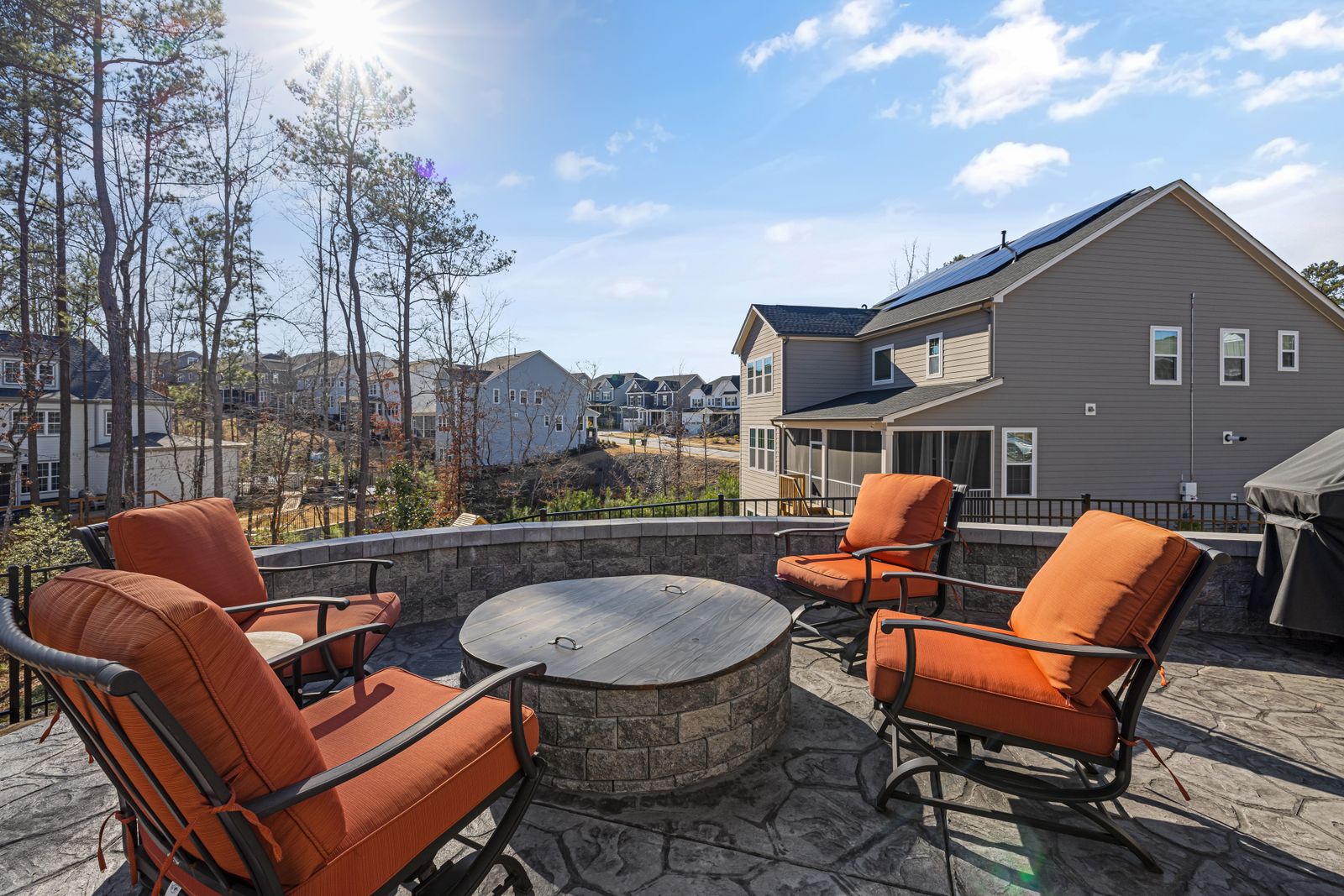
You have found the house.
The offer is accepted. The financing is moving forward. You are already thinking about where the couch is going to go and what you are going to do with the spare bedroom.
Then someone asks, “Have you arranged your home insurance yet?”
If you have never bought a home before, that question can feel like one more thing on an already very long to-do list.
But home insurance is an important part of preparing for closing. In many situations, your lender will want proof of insurance before the mortgage can be finalized, so it is something you should start thinking about well before possession day.
The good news is that arranging insurance does not have to be complicated. The key is knowing what information you need, what questions to ask, and why the property itself can affect your coverage and cost.
If you are buying a home in Winnipeg, here is what you should know about home insurance before closing.
Start Shopping for Insurance Early
One of the easiest mistakes buyers can make is waiting until the last minute to arrange home insurance.
You do not necessarily need to have everything finalized before you make an offer, but once your offer is accepted and you are moving toward closing, insurance should move onto your priority list.
Your insurer will need information about the property, and depending on the home, they may have questions or require additional details before providing coverage.
Starting early gives you time to compare options and address any issues that come up.
It also helps prevent a last-minute scramble when you are already dealing with lawyers, lenders, movers, utilities, and everything else that comes with buying a home.
Why Does Your Mortgage Lender Care About Insurance?
Your home is also security for your mortgage.
Because of that, your lender will generally want to know that the property is properly insured before the mortgage funds.
The exact requirements can vary depending on the lender and your circumstances, so it is important to understand what your lender needs and when they need it.
Your insurance provider can provide the necessary documentation once coverage has been arranged.
The important thing for buyers is simply not to assume that insurance is something you can deal with after closing.
Get it sorted ahead of time.
What Does Home Insurance Actually Cover?
This is where things can get a little more complicated.
Home insurance is not simply a blanket promise that “everything in the house is covered.”
Policies can include different types of coverage, limits, exclusions, deductibles, and optional protections.
Generally, home insurance can provide coverage for the home itself, your belongings, personal liability, and certain additional living expenses depending on the policy and circumstances.
However, the exact coverage depends on your specific policy.
That is why reading the details matters.
Do not choose a policy based solely on price. A cheaper policy may not provide the same level of protection as another option.
If you are unsure about what something means, ask your insurance professional to explain it before you agree to the policy.
The Property Itself Can Affect Your Insurance
Not every home costs the same to insure.
The property itself can influence your premium and eligibility.
The age of the home, type of construction, roof, heating system, electrical system, plumbing, location, replacement cost, and previous insurance claims can all be relevant factors.
For example, an older Winnipeg home may have different insurance considerations than a newer property.
This does not mean older homes are automatically difficult or expensive to insure.
It simply means the insurer may want more information about the property's systems and condition.
That is another reason to avoid waiting until the last minute.
Older Homes May Require Extra Questions
Winnipeg has plenty of older homes with character, established neighbourhoods, and features you simply do not get in newer construction.
But older properties can sometimes come with additional insurance considerations.
An insurer may want information about updates to electrical, plumbing, heating, roofing, or other major systems.
If the home has been renovated, ask whether documentation or information about the renovations is available.
This is not about scaring buyers away from older homes. It is about knowing what you are buying and making sure the property can be appropriately insured.
If an insurer raises a concern, address it before closing rather than assuming everything will work itself out later.
What About the Home Inspection?
A home inspection and an insurance assessment are two different things.
A home inspection is designed to provide information about the condition of the property and its major components. An insurer, meanwhile, is looking at the property from an insurance and risk perspective.
The information from a home inspection may still be useful when discussing the property with your insurer, particularly if it identifies older systems or potential concerns.
If your inspection identifies something significant, ask your appropriate professionals whether it could affect insurance coverage or cost.
Again, the goal is not to panic over every item in an inspection report.
It is to understand the bigger picture before you become the homeowner.
Do Not Assume Everything Is Covered
This is probably one of the most important things buyers should understand.
There can be exclusions and limitations in insurance policies.
Certain types of water damage, sewer backup, overland water, earthquakes, service lines, home-based businesses, and other risks may have specific conditions or may require additional coverage, depending on the policy and insurer.
Coverage varies, so do not assume that because something sounds like a typical home insurance claim, it is automatically covered.
Ask questions.
If water damage is a major concern for you, ask specifically what types of water-related losses are covered and whether additional coverage is available.
Understanding your policy before you need it is much better than learning about an exclusion after something happens.
Think About Sewer Backup and Water Coverage
For Winnipeg homeowners, water-related risks deserve particular attention.
Depending on the property and insurance policy, certain water-related coverage may be available as an optional addition or may have specific limitations.
Talk to your insurance professional about the risks that apply to the specific property you are buying.
You can also ask whether the home's location, basement, plumbing, sump pump, or other features affect your coverage options.
Do not simply assume that every policy offers identical protection.
Two homes can have very different insurance needs.
Understand Your Deductible
Your deductible is the amount you are responsible for paying toward a covered claim before the insurer pays the remaining eligible amount, subject to the terms of the policy.
A policy with a lower deductible may have a different premium than one with a higher deductible.
When comparing insurance options, do not look only at the monthly or annual premium.
Consider the deductible as part of the overall cost.
Ask yourself whether you could comfortably cover that amount if you needed to make a claim.
The cheapest policy on paper is not necessarily the best fit if the deductible or coverage limits do not work for your financial situation.
Make Sure Your Coverage Reflects the Home's Replacement Cost
Your home's purchase price and its cost to rebuild are not necessarily the same thing.
This is an important distinction.
The market value of a property includes factors such as land, location, neighbourhood desirability, and market conditions. Rebuilding a home involves different costs, including materials, labour, demolition, debris removal, and other expenses.
Your insurance professional can help determine an appropriate replacement cost for the home based on the insurer's process.
Do not assume that simply insuring the home for the amount you paid for it tells the whole story.
What About Your Personal Belongings?
Home insurance is not only about the physical building.
Your belongings can also be part of your coverage, subject to the policy terms, limits, and exclusions.
Think about furniture, electronics, clothing, appliances, sports equipment, tools, and other possessions.
If you own particularly valuable items such as jewellery, collectibles, artwork, or specialized equipment, ask your insurer whether they require additional coverage or documentation.
It can also be smart to create a home inventory.
Take photos or videos of your belongings and keep receipts or other documentation for valuable items where appropriate.
You hope you never need that information.
But if you do, you will be glad you have it.
What If You Run a Business From Home?
This is an easy detail to overlook.
If you work from home or operate a business from your property, tell your insurance provider.
Do not assume a standard home insurance policy automatically provides the coverage you need for business equipment, inventory, client visits, or business-related liability.
Your insurance needs may be different depending on the nature of the business.
A quick conversation with your insurer before closing can help you understand whether additional coverage is necessary.
Ask About Previous Claims
Depending on the circumstances and the information available to the insurer, the property's claims history can be relevant when arranging coverage.
If you are buying a property, it is worth asking appropriate questions about previous water damage, fires, major insurance claims, or significant repairs.
This can also be useful beyond insurance.
A history of repeated water issues, for example, may point you toward questions about drainage, plumbing, the foundation, or other aspects of the property.
You do not need to assume that a previous claim automatically makes a home a bad purchase.
You simply want to understand what happened, what was repaired, and whether there are any ongoing concerns.
Get Your Insurance Documents Ready Before Closing
As closing approaches, make sure you know what documentation your lender and other professionals require.
Your insurance provider can typically help you obtain the necessary proof of coverage.
Do not leave this until the morning before closing.
By that point, you have enough on your plate.
Ideally, your insurance is arranged, your documentation is available, and everyone who needs proof of coverage has what they need before the closing date arrives.
That way, you can focus on the exciting part.
Getting the keys.
Shop Around, But Compare More Than Price
It is perfectly reasonable to compare insurance providers and quotes.
In fact, you should understand your options.
But make sure you are comparing similar coverage.
A lower premium does not necessarily mean a better deal if the policy has lower limits, higher deductibles, or exclusions that matter to you.
Ask about coverage, deductibles, optional protections, limits, exclusions, and how claims are handled.
If you already have auto insurance or other policies, you may also want to ask whether bundling policies is an option.
Your insurance professional can help you compare the details.
Your Real Estate Agent Is Not Your Insurance Professional
Your real estate agent can help you understand the home-buying process and point out questions worth asking, but insurance-specific advice should come from a qualified insurance professional.
That distinction matters.
Your real estate agent may know that insurance needs to be arranged before closing and can help keep the transaction on track. Your insurance provider is the person to speak with about policy coverage, exclusions, premiums, deductibles, and your specific insurance needs.
Think of it as a team.
Your agent helps you with the real estate transaction. Your lender handles the financing. Your lawyer handles the legal side. Your insurance professional handles your insurance.
Everyone has a different role.
A Little Preparation Can Save a Lot of Stress
Buying a home already comes with a long checklist.
Mortgage approval. Inspections. Lawyers. Utilities. Moving. Address changes. Packing approximately 700 boxes that somehow contain only kitchen items.
Adding home insurance to the list may feel like another chore, but it is an important one.
Start early. Ask questions. Understand your coverage. Make sure your policy fits the property and your circumstances.
Most importantly, do not choose coverage simply because it is the cheapest option.
Your home is a major investment, and the right insurance can help protect both the property and your financial security.
Ready to Buy a Home in Winnipeg?
Home insurance is just one piece of the home-buying puzzle, but understanding these details before closing can make the entire process feel much smoother.
If you are buying your first home, moving to a new property, or simply want a better understanding of what to prepare before possession day, having an experienced Winnipeg real estate professional on your side can help you stay organized and ask the right questions at the right time.
When you are ready to start your next home search, connect with Ty Mitchell. Ty can help guide you through the real estate side of the process, from evaluating a property and writing an offer to preparing for the day you finally get those keys in your hand.
Schedule: Sept. 16, 2026
Blog #18: How to Tell If a Winnipeg Home Has Been Well Maintained
SEO Keywords/Phrases:
well maintained home in Winnipeg
home maintenance checklist for buyers
buying a home in Winnipeg
Meta Title:
How to Tell If a Winnipeg Home Has Been Well Maintained
Meta Description:
Learn how to spot a well maintained home in Winnipeg, from the roof and basement to plumbing, heating, windows, and the little details buyers often miss.
Blog Post Copy:
How to Tell If a Winnipeg Home Has Been Well Maintained
When you walk into a house you might notice the obvious things first. The kitchen looks great. The floors are clean. The walls have a fresh coat of paint. Maybe the bathroom has been updated and the backyard looks like it belongs in a landscaping magazine.
All good signs, right?
Maybe.
But when you're buying a home, especially in Winnipeg, it's worth looking beyond the fresh paint and pretty finishes. A house can look fantastic during a showing and still have a long list of maintenance issues hiding underneath the surface.
A well maintained home doesn't necessarily mean everything is brand new. In fact, some older Winnipeg homes have been cared for incredibly well over the years. What matters is how consistently the major systems, structure, exterior, and everyday components have been looked after.
So how can you tell?
Here are some of the things I recommend buyers pay attention to when trying to figure out whether a Winnipeg home has been properly maintained.
Start With the Overall Condition
Before getting too focused on individual features, take a step back and look at the home as a whole.
Does the property generally feel cared for?
Look at the condition of the walls, ceilings, floors, doors, trim, cabinets, and fixtures. You're not looking for perfection. You're looking for patterns.
A few scuffs on the wall are normal. A loose doorknob isn't exactly a five-alarm emergency either. But if you notice multiple small repairs that have clearly been ignored, it could be worth digging a little deeper.
Pay attention to things that appear unfinished or temporarily repaired. A ceiling stain that has been painted over, several cracked tiles, water-damaged trim, or a collection of DIY fixes could be clues that the homeowner has been putting maintenance on the back burner.
One little issue doesn't automatically mean there's a major problem. Several together might tell a different story.
Take a Good Look at the Roof
Winnipeg weather is not exactly gentle on homes.
Between snow, ice, wind, freezing temperatures, spring melt, and plenty of temperature swings, the roof has a lot to deal with.
You may not be able to fully inspect the roof during a showing, but you can still look for obvious signs of trouble.
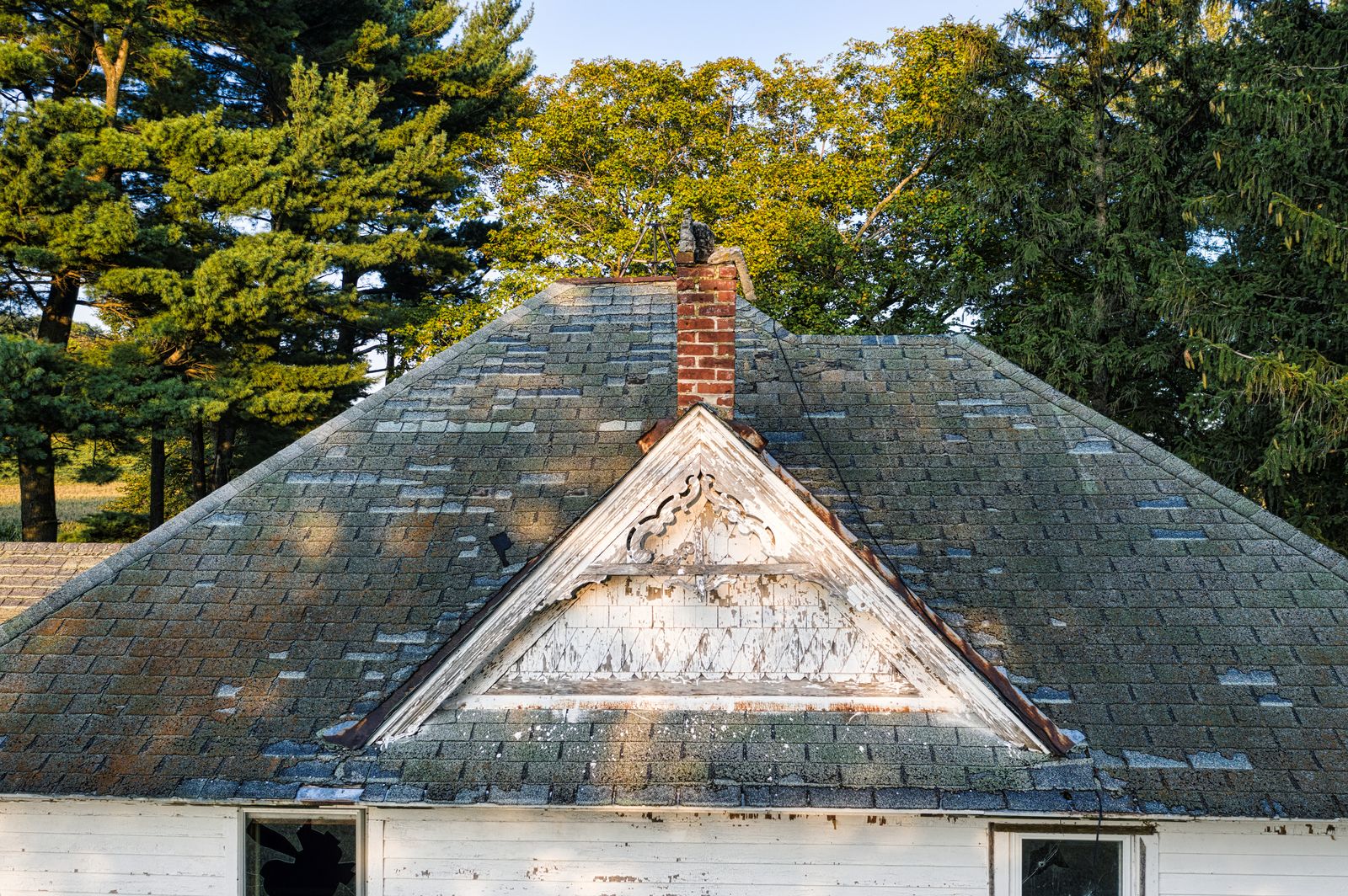
From the ground, check whether the shingles appear damaged, curled, missing, or unusually worn. Look around the eavestroughs and downspouts as well.
Inside the home, look at ceilings and upper-level walls for signs of water staining or discoloration. Don't automatically assume every stain means an active leak, but don't ignore it either.
Ask the seller or listing agent about the age of the roof and whether any repairs have been completed.
If you're serious about the property, a professional home inspection can provide a much better assessment.
Check the Windows and Doors
Windows are another area where you can learn a lot about how a home has been maintained.
Open and close several windows during your showing. Do they operate smoothly? Do they appear damaged or difficult to use?
Look for visible condensation between panes, damaged frames, cracked glass, or deteriorated seals.
Then take a look at the exterior doors. Do they close properly? Are there noticeable gaps? Is there damage around the frame?
These might seem like minor details, but poorly maintained windows and doors can affect comfort, energy efficiency, and moisture control.
And in a Winnipeg winter, you probably don't want your heating system working overtime because cold air is sneaking in around half the windows.
Pay Attention to the Basement
If you're buying a home in Winnipeg, the basement deserves your attention.
Walk around slowly and look at the walls, floors, ceilings, and exposed mechanical areas.
Keep an eye out for musty smells, visible moisture, water staining, cracks, peeling paint, or signs that something has been repaired recently.
If there are storage areas or rooms that are unusually packed with furniture and boxes, don't be afraid to look carefully. Sellers aren't necessarily trying to hide anything, but clutter can make it harder to see what's happening behind it.
Also look at the sump pump if the home has one. Ask how old it is and whether the homeowner has experienced water issues in the past.
Again, you're not trying to perform your own professional inspection. You're simply gathering clues.
Listen to the Furnace and Heating System
Winnipeg winters make your heating system pretty important.
During a showing, pay attention to the furnace and other heating equipment. Ask about the age of the furnace, when it was last serviced, and whether there are maintenance records available.
If the furnace is running, listen for unusual noises.
You can also ask about the home's heating history. Has the system ever needed major repairs? Has it been serviced regularly?
The same applies to other mechanical systems in the home, including air conditioning, hot water tanks, boilers, or fireplaces.
Knowing the age of these systems doesn't mean you'll automatically need to replace them. It simply gives you a better idea of what you're buying and what expenses might eventually be coming your way.
Look Under the Sinks
Here's a simple one that takes about 30 seconds.
Open the cabinets underneath the kitchen and bathroom sinks.
Look for water stains, swollen cabinetry, corrosion, leaks, or musty smells.
It's one of those areas that can easily be overlooked during a quick showing, but it can tell you a surprising amount about the home's plumbing history.
You can also turn on faucets and check that water flows normally. Pay attention to drainage and look for any obvious leaks.
You don't need to become a plumber before buying a house. You just want to notice anything that deserves a closer look.
Don't Forget the Electrical System
Older Winnipeg homes can have a wide variety of electrical systems, depending on when the property was built and what updates have been completed.
Look at the electrical panel. Is it clearly labelled? Does it appear reasonably maintained?
Check for loose outlets, damaged switches, exposed wiring, or extension cords being used as permanent solutions.
If the home is older, ask whether the electrical system has been updated and whether there are records or documentation available.
Electrical concerns are definitely something you want a qualified professional to evaluate rather than trying to diagnose yourself.
Check the Exterior, Too
The inside of a home might look fantastic while the exterior tells a completely different story.
Walk around the property if possible.
Look at the siding, brick, windows, foundation, deck, fencing, garage, driveway, and grading around the home.
Are there areas where water appears to collect? Is the driveway significantly cracked? Does the deck look stable? Is the garage in reasonable condition?
Pay particular attention to how water moves around the property.
Proper drainage and grading can be especially important in Winnipeg because snow and ice eventually turn into water. If water consistently moves toward the foundation, that's something worth investigating.
Ask About Maintenance Records
One of the easiest ways to learn whether a home has been maintained is to simply ask.
Do they have receipts for furnace servicing?
When was the roof replaced?
When were the windows installed?
Has the plumbing been updated?
Were major renovations completed by professionals?
Have there been insurance claims related to water damage?
The answers can help you build a maintenance timeline.
A homeowner who has kept receipts, warranties, inspection reports, and renovation records has made your job much easier.
That doesn't mean someone without a perfectly organized folder has neglected their home. But documentation can give buyers valuable context.
Look Beyond the Cosmetic Updates
This is a big one.
A renovated kitchen is nice. So are new floors, modern light fixtures, and a fresh bathroom.
But cosmetic improvements don't necessarily tell you whether a home has been well maintained.
Think about the things you don't see in listing photos.
The roof.
The furnace.
The plumbing.
The electrical system.
The windows.
The foundation.
The drainage.
Those aren't necessarily the most exciting features, but they're often much more important to the long-term condition of the property.
A home with an older kitchen but a well-maintained roof, furnace, plumbing, windows, and foundation could be a much better-maintained property than a freshly renovated house where the major systems have been neglected.
Don't Skip the Home Inspection
Even if a home looks incredibly well maintained, don't assume that means everything is perfect.
A home inspection can provide another layer of information and help identify issues that aren't obvious during a showing.
Think of your own observations as the first step, not the final verdict.
The goal isn't to find a home with absolutely nothing wrong with it. That's a pretty unrealistic standard. Every home has something.
The goal is to understand the home's condition, identify potential future expenses, and make a more informed decision before moving forward.
A good real estate agent can also help you know what questions to ask, what information to request, and when it makes sense to bring in the right professional.
A Well Maintained Home Doesn't Have to Be Perfect
This is probably the most important thing to remember.
Buying a home isn't about finding a property that has never had a problem.
Homes need maintenance. Furnaces age. Roofs eventually need replacing. Faucets leak. Decks need staining. Windows don't last forever.
That's normal.
What you want to know is whether the homeowner has generally stayed on top of those responsibilities.
A well maintained home usually shows signs of consistent care. The big systems have been looked after. Problems have been addressed instead of ignored. Repairs have been completed properly. And there is some history behind the work.
That's the kind of information that can help you feel more confident about what you're buying.
Buying a Home in Winnipeg? Look Past the Pretty Stuff.
When you're walking through a potential home, it's easy to get distracted by the kitchen, the fireplace, the backyard, or that one room that looks like it came straight out of a magazine.
Enjoy those things. That's part of the fun.
But take a few extra minutes to look at the less glamorous stuff, too.
Check the basement. Look at the windows. Ask about the roof. Listen to the furnace. Open the cabinets under the sinks. Walk around the exterior. Ask questions.
Because sometimes the best-maintained home isn't the one that looks the newest.
It's the one where the previous owners consistently took care of the things you don't necessarily notice at first glance.
If you're looking at homes in Winnipeg and want help figuring out what to pay attention to during showings, having an experienced real estate professional in your corner can make a big difference.
You can connect with Ty Mitchell at tysellswpg.com to get more guidance on buying a home in Winnipeg, evaluating potential properties, and making a decision that makes sense for your goals and budget.