You've cleaned the house.
You've decluttered the closets.
You've hidden the laundry.
You've probably even shoved a few things into the garage and told yourself you'll deal with them later.
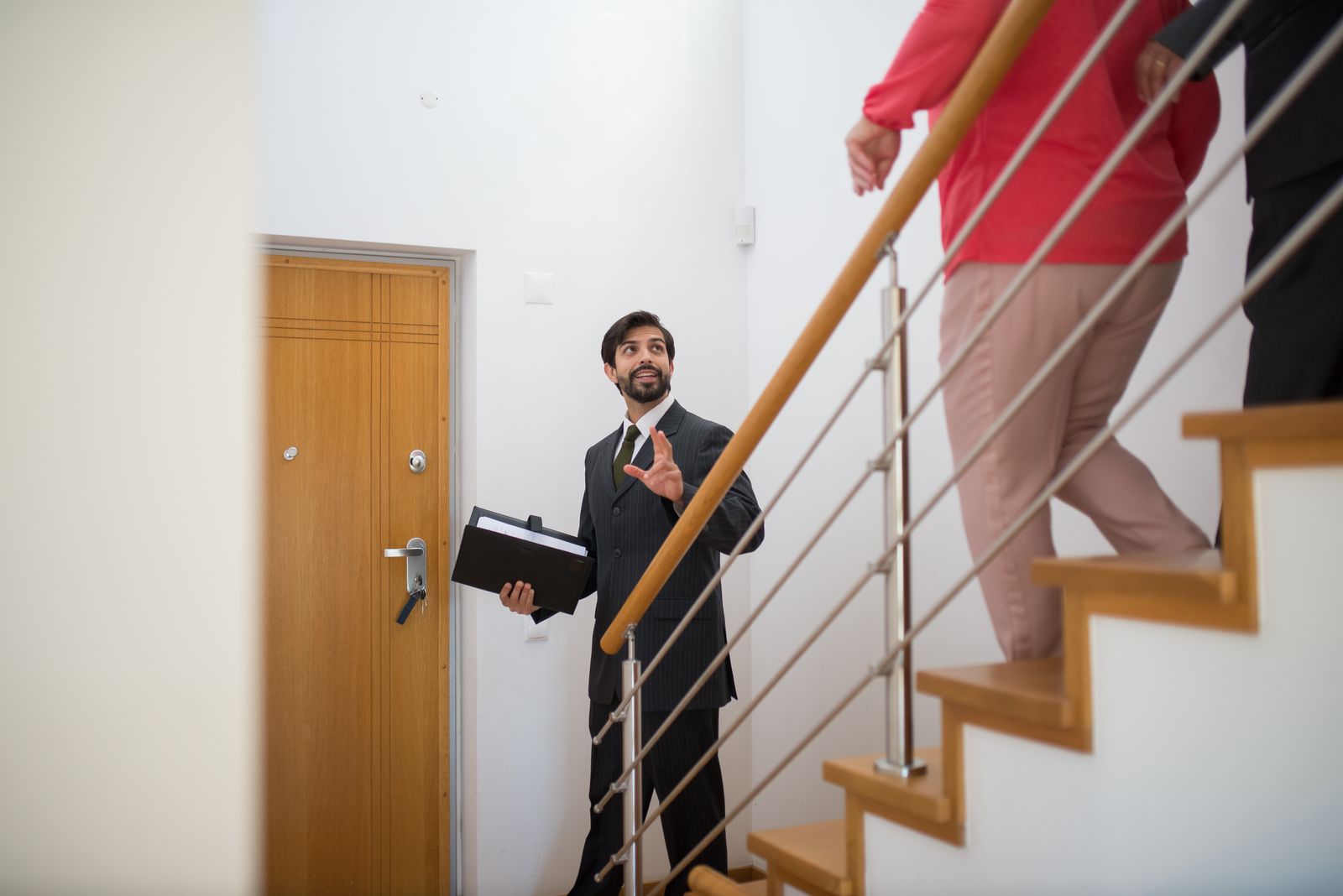
Then your real estate agent calls and says, "We've got a showing."
Now what?
For many Winnipeg sellers, showings are one of the more stressful parts of the selling process. You're letting strangers walk through your home, open closets, peek into rooms, and form an opinion about a place you've probably spent years making your own.
It can feel a little strange.
But showings are also one of the most important opportunities you have to make an impression on potential buyers.
The good news is that you don't need to keep your house looking like a staged showroom 24 hours a day. You just need a system that makes preparing for showings easier and helps buyers focus on the home rather than the distractions.
Here are some things Winnipeg sellers should know before the first buyer walks through the door.
A Showing Is More Than a Walk Through the House
When a buyer books a showing, they're not simply checking out the kitchen.
They're trying to answer a much bigger question.
"Can I see myself living here?"
They're looking at the layout, the amount of space, the condition of the property, the neighbourhood, storage, natural light, the backyard, and dozens of other details that may not even be obvious to you.
That's why presentation matters.
You don't need to convince every buyer that your home is perfect. Your job is to make it easy for them to see the possibilities.
If the house is cluttered, dirty, overly personalized, or difficult to navigate, buyers may spend more time thinking about those distractions than the actual property.
Get Out of the House When Possible
This is one of the simplest showing tips, but it can make a surprisingly big difference.
If you're able to leave during the showing, do it.
The same goes for family members.
Why?
Because buyers generally feel more comfortable discussing the property when the seller isn't standing nearby.
Imagine you're walking through a house and you quietly say to your partner, "I don't know if I love this kitchen."
Then you realize the homeowner is six feet away.
Awkward.
Buyers need some space to talk honestly, ask questions, and picture themselves living there.
If possible, give them that space.
Your real estate agent can handle the showing while you take the dog for a walk, grab a coffee, run an errand, or simply enjoy some time away from the house.
Make the House Easy to Show
A buyer may only have a limited amount of time to see your property.
Don't make the showing harder than it needs to be.
Try to keep rooms accessible.
Open blinds or curtains to let in natural light.
Make sure important areas aren't blocked by furniture or boxes.
Keep doors unlocked or follow whatever access instructions have been arranged through your agent.
If there are areas buyers need to see, such as the basement, garage, mechanical room, or backyard, make sure they're accessible.
The easier the home is to explore, the easier it is for buyers to understand what they're getting.
Clean, But Don't Drive Yourself Crazy
Yes, your home should be clean for showings.
But no, you don't need to scrub the baseboards every single time someone walks through the door.
Focus on the things buyers are most likely to notice.
Keep floors reasonably clean.
Wipe down kitchen counters.
Clean bathrooms.
Empty garbage.
Keep dishes under control.
Make beds.
Tidy common areas.
A clean home creates the impression that the property has been cared for.
That doesn't mean you need to panic every time someone requests a showing.
The goal is to establish a manageable routine so you're not spending three hours cleaning before every appointment.
Kitchens and Bathrooms Deserve Extra Attention
If you're short on time before a showing, prioritize the kitchen and bathrooms.
These spaces tend to get a lot of attention from buyers.
Clear countertops as much as possible.
Put away unnecessary appliances.
Clean sinks and faucets.
Empty the garbage.
Make sure bathrooms are fresh and tidy.
Close toilet lids.
Remove personal toiletries if possible.
You don't need a completely empty kitchen or bathroom. A few carefully chosen items can make a space feel welcoming.
The key is to avoid visual clutter.
What About Pets?
Pets are part of the family.
But unfortunately, not every potential buyer is comfortable around animals, and some may have allergies or concerns.
If possible, take pets out of the home during showings.
This isn't because there's anything wrong with having a dog, cat, or other pet.
It's simply about making the showing comfortable for as many buyers as possible.
Also make sure litter boxes are clean and pet-related odours are addressed.
And don't forget the backyard.
If you have a dog, make sure the yard is clean and accessible.
You don't want a buyer's first memory of your beautiful backyard to involve stepping into something they definitely weren't expecting.
Don't Forget About Smells
Smell can have a powerful effect on how buyers experience a home.
Pet odours, garbage, cooking smells, smoke, dampness, or mustiness can become noticeable very quickly.
Before a showing, take a quick walk through the house and pay attention.
Does anything smell unusual?
If there is a persistent odour, don't simply cover it with air fresheners.
Try to identify the source.
Fresh air can help when weather allows. Clean fabrics, carpets, pet areas, and garbage containers as needed.
A home that smells clean and neutral tends to feel more inviting.
Temperature Matters in Winnipeg
Winnipeg weather can be extreme, which means indoor comfort matters.
During the colder months, make sure the home is comfortably heated before buyers arrive.
During warmer weather, make sure the home isn't unnecessarily hot or stuffy.
Buyers are evaluating how the home feels as well as how it looks.
If someone walks into a freezing house in January, they may start wondering whether there's a heating problem.
If they walk into a sweltering house in July, they may start wondering about the air conditioning.
You don't need to create a tropical resort.
Just make sure the home feels comfortable.
Let in Natural Light
Lighting can completely change how a home feels.
Before a showing, open blinds and curtains where appropriate.
Turn on lights in darker rooms.
Replace burnt-out bulbs.
Make sure hallways, basements, and other areas aren't unnecessarily dark.
A bright room often feels more spacious and welcoming.
This is especially important in Winnipeg's shorter winter days when natural daylight can be limited.
Don't assume buyers will turn on every light themselves.
Make it easy for them.
Put Away Personal and Valuable Items
Showings mean people you don't know will be entering your home.
That means basic security should be part of your preparation.
Put away cash, jewellery, important documents, medications, spare keys, financial information, and other valuables.
You should also avoid leaving sensitive paperwork or personal information visible.
This isn't about assuming every buyer has bad intentions.
It's simply a sensible precaution whenever you're opening your home to visitors.
Your real estate agent can also help establish showing procedures that make sense for your property.
Give Buyers Room to Explore
It can be tempting to follow buyers around during a showing, especially if you're curious about what they think.
Try not to.
If you're home during a showing for a specific reason, let your agent handle as much of the interaction as possible.
Buyers should be able to open closets, look at rooms, and have private conversations without feeling like they're being watched.
A relaxed buyer is more likely to spend time actually considering the property.
And the longer they spend thoughtfully exploring the home, the more opportunity they have to connect with it.
Don't Take Every Comment Personally
This one can be difficult.
You may hear feedback like:
"The kitchen isn't our style."
"We'd want to repaint."
"The basement feels small."
"We don't love the flooring."
Try not to take it personally.
They're not criticizing your life.
They're deciding whether the house works for them.
Every buyer has different preferences.
One person might walk in and immediately fall in love with the wallpaper you've been tired of looking at for years.
Another person might hate it.
That's normal.
Your job isn't to make every buyer love every feature. It's to understand the overall feedback and look for useful patterns.
Feedback Can Be Valuable
If multiple buyers are making the same observation, pay attention.
One person saying the living room feels dark might not mean much.
Five people saying it could be worth discussing.
Feedback can help sellers and agents understand how the market is responding to the property.
Maybe buyers consistently love the backyard.
Maybe they like the layout but think the home needs some cosmetic updates.
Maybe the price is generating interest but not offers.
Your agent can help separate useful market feedback from individual preferences.
Not every comment requires action.
But patterns are worth listening to.
Be Flexible With Showing Times
This can be one of the hardest parts of selling a home.
You have work.
You have kids.
You have dinner.
You have plans.
And suddenly someone wants to see the house at 6:30 p.m.
Whenever possible, some flexibility with showing times can help maximize opportunities.
You don't have to agree to every request.
But if your schedule allows it, being reasonably accommodating can make it easier for interested buyers to see the property.
Remember, buyers have schedules too.
Someone who can't make a particular time may move on to another home if they can't get in.
Your real estate agent can help manage the process and balance your needs with reasonable buyer access.
Keep the House Showing Ready Between Appointments
This is where having a simple routine can save your sanity.
Make the beds in the morning.
Keep counters reasonably clear.
Do a quick kitchen reset after meals.
Keep shoes and coats organized.
Have a basket or storage spot for everyday clutter.
Keep cleaning supplies handy.
If you're expecting multiple showings, you don't want to start from zero every time.
Create a five-minute reset routine that everyone in the household can follow.
It doesn't need to be complicated.
Think of it as the "company is coming over" routine, except the company might actually be interested in buying your house.
What Sellers Shouldn't Do During Showings
There are a few things worth avoiding.
Don't follow buyers around the property.
Don't try to sell them on every feature.
Don't hover in rooms.
Don't leave personal notes directed at buyers unless your agent recommends a specific strategy.
Don't argue with feedback.
And don't assume that because someone stayed for 20 minutes, they're definitely going to make an offer.
Buyers need time to think.
Let your agent do the communicating and negotiating.
Your job is to keep the home in great showing condition and let the property do the talking.
Remember That Showings Are Part of the Process
Selling a home isn't always convenient.
There will probably be moments when you're halfway through making dinner and someone wants to see the house.
There may be days when you feel like you've cleaned the kitchen approximately 400 times.
And yes, there may be a showing request that arrives five minutes after you've finally sat down.
It happens.
But every showing is an opportunity to put your property in front of someone who could potentially become your buyer.
The goal isn't to make your life miserable while the house is on the market.
It's to create a manageable routine that keeps the property looking its best while allowing interested buyers to experience it comfortably.
Ready for Showings? Focus on the Big Picture
The best showing preparation isn't about making your home look completely different.
It's about making the home feel clean, comfortable, accessible, and cared for.
Declutter.
Clean the important areas.
Handle obvious maintenance issues.
Secure valuables and personal information.
Make the home comfortable.
Let in natural light.
Take pets out when possible.
And when buyers arrive, give them the space to explore.
Most importantly, remember that you don't have to figure everything out on your own.
A good selling strategy starts well before the first showing. Pricing, preparation, marketing, photography, timing, and showing strategy all work together.
If you're getting ready to sell your Winnipeg home and want help creating a showing strategy that makes sense for your property, connect with Ty Mitchell at tysellswpg.com. The goal is not simply to get people through the door. It's to make those showings count and give your home the best opportunity to stand out with today's Winnipeg buyers.