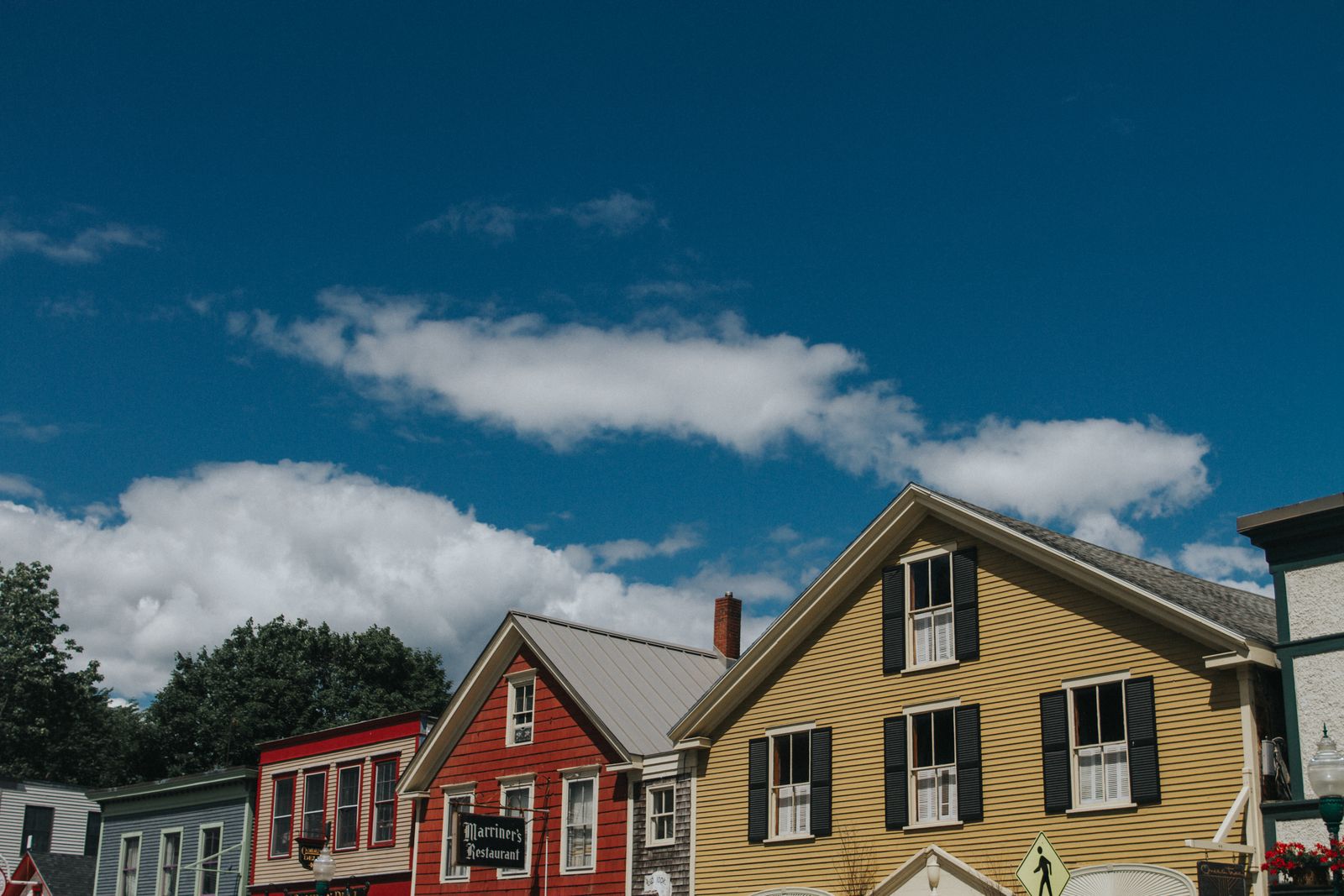
There is something special about an older home.
Maybe it is the character you cannot quite replicate in a brand-new build. Original hardwood floors, mature trees, larger rooms, unique architectural details, and a neighborhood with decades of history can all give an older property a personality of its own.
But buying an older home also means looking beyond the fresh paint and charming details.
A house can look fantastic during a showing while still having systems that deserve a closer look. That does not mean older homes are automatically a bad investment. Far from it. It simply means you need to understand what you are buying.
If you are considering buying an older home in Winnipeg, here are some of the most important things to look at before you make an offer.
Start With the Foundation
When viewing an older home, it is easy to get distracted by the kitchen, bathrooms, flooring, and overall style. But some of the most important features are hiding below your feet.
The foundation deserves serious attention.
Look for visible cracks, water staining, dampness, bowing walls, or signs that moisture has entered the basement. A finished basement can sometimes make these issues harder to spot, so do not be afraid to look closely around exposed areas.
Winnipeg's climate can be particularly tough on homes. Seasonal temperature changes, freezing conditions, and moisture can all contribute to wear over time.
You do not need to diagnose a foundation problem during a showing. That is what professional inspections are for. Your job is to notice anything that raises questions and make sure those questions get answered before moving forward.
Pay Attention to the Roof
A roof is another major component that can become expensive when it reaches the end of its useful life.
Ask when the roof was last replaced and whether there are records available. During your inspection, look for signs of damaged or missing shingles, sagging areas, water staining, or evidence of previous leaks.
You may not be able to see the entire roof from the ground, and that is okay.
A qualified home inspector can take a closer look and identify potential concerns.
If the roof is older, that does not automatically mean you should walk away. It simply means you should understand its condition and factor potential replacement costs into your overall decision.
Knowing that you may need a new roof eventually is very different from discovering the problem after you move in.
Understand the Heating System
Winnipeg winters are not exactly known for being forgiving.
That makes the home's heating system especially important.
Find out what type of heating system the home uses, how old the furnace or boiler is, and whether it has been regularly maintained.
If there is a forced-air furnace, ask about its age and service history. If the home uses another heating system, understand how it works and what maintenance it requires.
Older equipment is not necessarily a deal breaker. A well-maintained older system may continue working reliably, while a newer system that has been neglected can still cause problems.
The important thing is knowing what you are dealing with before you buy.
Look Closely at the Electrical System
Electrical systems can vary significantly in older Winnipeg homes.
During a showing, you might notice older outlets, limited receptacles, unusual switches, or electrical panels that look dated. These are not necessarily proof of a problem, but they are reasons to investigate further.
Older wiring may also require closer attention depending on the age and history of the property.
A professional inspection can help identify potential electrical concerns and determine whether updates may be needed.
This is particularly important if you are planning a renovation. Adding appliances, finishing a basement, building a home office, or installing modern electrical equipment may require the home's existing electrical system to support the additional demand.
Check the Plumbing
Plumbing is another area where age matters.
Older pipes can have different materials and conditions than newer systems, and past renovations may mean a home contains a mix of old and new plumbing.
Check under sinks for visible leaks, staining, corrosion, or moisture. Look around toilets and tubs for signs of previous water damage.
Also pay attention to water pressure during the showing if possible.
If the home has older plumbing, ask questions about what has already been replaced and what remains original.
Again, the goal is not to expect every system to be brand new. Older homes often come with a history of improvements. You simply want to understand which improvements have already been made and which ones may eventually become your responsibility.
Look for Signs of Water Damage
Water can be one of the biggest enemies of a home.
When buying an older home in Winnipeg, look for signs that water has entered the property in the past.
That might include staining on basement walls, discolouration around windows, bubbling paint, musty smells, damaged flooring, or freshly repaired areas that seem out of place.
One sign does not necessarily mean there is a serious problem.
For example, a basement stain could be from an issue that was repaired years ago. The important question is what caused it and whether the problem has actually been resolved.
Ask questions. Look for documentation when available. Then let the inspection provide another layer of information.
Check the Windows and Doors
Older windows can be full of character, but they can also affect comfort and energy efficiency.
Look for drafts, condensation between panes, damaged frames, or windows that are difficult to open and close.
Doors deserve attention too.
Check whether exterior doors close properly and whether there are visible gaps around the frames. Small issues can affect heating and cooling efficiency, especially during Winnipeg's colder months.
You do not necessarily need to replace every older window immediately.
If the windows are functional and in reasonable condition, you may decide to leave them alone. If they are nearing the end of their useful life, however, it is helpful to know that before buying.
Do Not Ignore Insulation
Insulation is one of those things you rarely notice during a quick home showing, but it can have a major effect on comfort and energy use.
Older homes may have insulation that is less effective than what is commonly used in newer construction.
During an inspection, ask whether the attic and other accessible areas have adequate insulation and whether there have been any previous upgrades.
You may discover that the home has already been improved over the years.
That is a big part of what makes older properties interesting. The house itself may be decades old, but the roof, windows, furnace, electrical system, plumbing, and insulation could all have been updated at different points.
The more you understand that history, the better.
Investigate Previous Renovations
An older home that has been renovated can be a fantastic option.
But it is worth finding out who completed the work and whether appropriate permits were obtained where required.
Ask about major renovations such as basement development, additions, structural changes, electrical upgrades, plumbing work, and kitchen or bathroom renovations.
A beautifully renovated room does not tell you what is behind the walls.
Documentation can provide valuable context about what was changed and when.
This is also where a knowledgeable real estate professional can be helpful. They can help you identify questions to ask and navigate the information available about the property.
Look Beyond the House Itself
The property is more than the building.
Take a look at the lot, grading, drainage, sidewalks, driveway, garage, fencing, trees, and surrounding properties.
Pay attention to how water appears to move around the property after rain or snow. Look for areas where water could potentially collect near the foundation.
Mature trees can be a huge advantage, especially in established Winnipeg neighborhoods. They can provide shade, privacy, and character.
But large trees can also require maintenance, and their roots may create considerations for landscaping or underground infrastructure.
The goal is to appreciate the good while understanding the responsibilities that come with it.
Think About Maintenance, Not Just Purchase Price
One of the biggest mistakes buyers can make with an older home is focusing entirely on the purchase price.
A lower purchase price does not necessarily mean a lower overall cost of ownership.
Imagine two homes with similar asking prices. One has a recently replaced roof, updated furnace, newer windows, and a renovated electrical system. The other has several major components approaching the end of their useful lives.
They may cost the same today, but they could have very different expenses over the next several years.
That does not automatically make the updated home the better choice.
An older home with some upcoming projects may offer other advantages, such as a better location, larger lot, more character, or a price that gives you room to make improvements.
The key is knowing what those future projects could look like.
Get a Professional Home Inspection
If you are serious about what to look for when buying an older home, a professional home inspection should be high on your list.
An inspector can examine areas that are difficult for the average buyer to evaluate and identify potential issues with major systems and components.
Think of an inspection as information, not a pass or fail test.
Every home has something.
The purpose is to understand the condition of the property so you can make an informed decision.
Depending on the findings, you may decide to proceed, negotiate, budget for future repairs, or reconsider the purchase.
Having that information before closing is much better than discovering a major issue after moving in.
Character Is Great. Knowledge Is Better.
Older homes can offer something new construction simply cannot recreate.
There is history in the architecture. There is character in the details. There are mature neighborhoods, established streets, and homes that have evolved over generations.
But the charm should not stop you from asking practical questions.
When buying an older home in Winnipeg, look at the foundation, roof, heating, electrical, plumbing, windows, insulation, drainage, renovations, and overall maintenance history.
Most importantly, look at the home as a complete picture.
What has been updated? What has not? What will need attention soon? What can wait? And does the property still make sense for your budget and lifestyle once you account for those factors?
That is how you turn an older home from a potential mystery into an informed decision.
Thinking About Buying an Older Home in Winnipeg?
If you have fallen for an older Winnipeg home, you do not have to figure out all the details on your own.
The right questions, a thorough inspection, and a realistic understanding of future maintenance can help you decide whether the property's character comes with manageable responsibilities or more than you want to take on.
If you are exploring older homes in Winnipeg and want help evaluating your options, Ty Mitchell can help you navigate the process from the first showing through the final decision. Sometimes the perfect home is not the newest one on the block. It is the one whose story, condition, location, and potential all make sense for you.