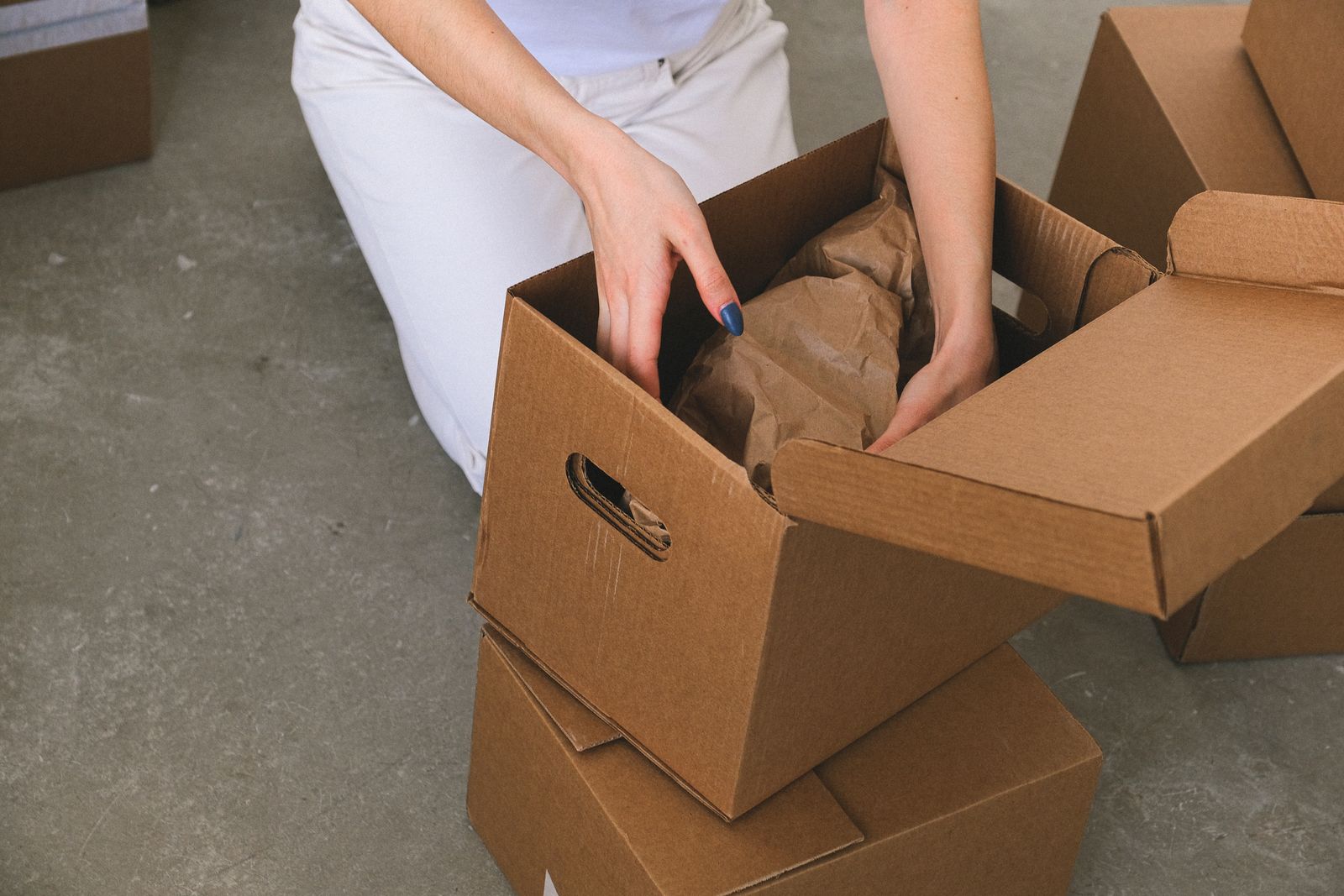
Moving into a new home is exciting, but let's be honest, packing is usually the part people look forward to the least. It often starts with good intentions. You tell yourself you'll pack a little every day. Then suddenly it's moving week, and you're surrounded by half-filled boxes, missing tape, and wondering where the coffee maker ended up.
The good news is that packing doesn't have to be chaotic. With the right strategy, you can stay organized, protect your belongings, and make unpacking much easier once you arrive at your new home.
Whether you're moving across Winnipeg or relocating from another community, this guide will help you pack smarter, save time, and reduce stress along the way.
Start Earlier Than You Think You Need To
One of the biggest mistakes homeowners make is underestimating how long packing for a move actually takes.
A good rule of thumb is to begin packing four to six weeks before your moving day.
Start with items you rarely use, such as seasonal decorations, guest room furniture, extra kitchen appliances, books, and keepsakes.
As the moving day gets closer, gradually work your way toward everyday essentials.
Packing in smaller sessions feels much more manageable than trying to do everything in one weekend.
Declutter Before You Pack
Moving is the perfect opportunity to simplify your home.
Ask yourself one simple question before putting anything into a box.
Do I actually want to unpack this at my new house?
If the answer is no, consider donating, selling, recycling, or disposing of it.
Moving fewer belongings saves time, reduces moving costs, and helps your new home feel organized from the very beginning.
Many homeowners are surprised by how much they no longer need once they begin sorting through their belongings.
Gather the Right Packing Supplies
Using quality packing materials makes a significant difference.
Stock up on:
Sturdy moving boxes in various sizes.
Packing tape.
Permanent markers.
Bubble wrap.
Packing paper.
Furniture blankets.
Plastic storage bins for valuable items.
Zip-top bags for hardware and small parts.
Having everything ready before you begin prevents unnecessary interruptions.
Pack One Room at a Time
Trying to pack your entire house all at once quickly becomes overwhelming.
Instead, focus on one room at a time.
Finish packing one space before moving to the next.
This approach keeps your home more organized and makes unpacking easier because similar items stay together.
It also gives you a satisfying sense of progress throughout the moving process.
Label Every Box Clearly
A box labeled "Kitchen" is helpful.
A box labeled "Kitchen. Coffee Mugs. Coffee Maker Accessories. Open First" is even better.
Write the destination room on multiple sides of every box.
Include a brief description of the contents.
If something is fragile, make that obvious.
The more detailed your labels, the easier moving day becomes.
Keep an Essentials Box
Imagine arriving at your new home after a long day of moving.
The last thing you want is to search through twenty boxes looking for toothpaste.
Pack one clearly labeled essentials box with items you'll need immediately.
Include things like:
Toiletries.
Phone chargers.
Basic cleaning supplies.
Paper towels.
Medication.
Important documents.
Coffee supplies.
Pet food.
Snacks.
A change of clothes.
This one box can make your first night much more comfortable.
Protect Fragile Items Properly
Glassware, dishes, artwork, and electronics deserve extra attention.
Wrap each fragile item individually using packing paper or bubble wrap.
Fill empty spaces inside boxes to prevent shifting during transport.
Avoid overloading boxes with heavy fragile items.
Taking extra time now can prevent expensive replacements later.
Photograph Electronics Before Disconnecting Them
Entertainment systems and home office setups often involve a maze of cables.
Before unplugging everything, take a few photos.
These reference pictures make reconnecting devices much faster once you've moved in.
You can also label cords with masking tape for even easier setup.
Don't Overpack Boxes
It may be tempting to fill every box completely.
However, extremely heavy boxes are difficult to lift and more likely to break.
Use small boxes for heavier items like books.
Reserve larger boxes for lightweight belongings such as pillows, linens, and clothing.
Your movers, and your back, will thank you.
Pack Important Documents Separately
Keep important paperwork with you rather than loading it onto the moving truck.
This includes:
Identification.
Mortgage documents.
Insurance information.
Legal paperwork.
Medical records.
Moving contracts.
Passports.
Keeping these documents nearby provides peace of mind throughout the move.
Take Photos of Valuable Belongings
Creating a simple photo inventory before moving can be extremely helpful.
Photograph valuable furniture, artwork, electronics, and collectibles.
These photos can assist with insurance claims if anything is damaged during the move.
They also help you remember how certain items were assembled or arranged.
Prepare Appliances Ahead of Time
Large appliances often require advance preparation.
Disconnect refrigerators early enough for them to defrost.
Drain washing machines if necessary.
Secure loose shelves and removable parts.
Consult owner manuals for any manufacturer recommendations before moving.
Planning ahead prevents delays on moving day.
Make Unpacking Easier
Packing smart also means unpacking smart.
As boxes arrive, begin with:
Bedrooms.
Bathrooms.
Kitchen essentials.
Everyday clothing.
Once the most important rooms are functional, you can unpack decorative items and storage spaces at a more relaxed pace.
Trying to unpack everything immediately often creates unnecessary stress.
Stay Flexible
No matter how carefully you plan, unexpected situations can happen.
Weather changes.
Moving trucks run late.
Boxes get mixed up.
Schedules shift.
Rather than aiming for perfection, focus on steady progress.
Keeping a positive attitude helps everyone enjoy the process a little more.
Remember that moving is temporary, but the memories you'll make in your new home will last for years.
Final Thoughts
Packing doesn't have to be overwhelming. With a little planning, the right supplies, and a room-by-room approach, you can make moving day far less stressful.
Starting early, decluttering before you pack, protecting fragile belongings, and staying organized will save you time both during the move and when you're settling into your new home.
Whether you're moving across Winnipeg or beginning an exciting new chapter elsewhere, thoughtful preparation allows you to spend less time worrying about boxes and more time enjoying your new space.
A successful move isn't about packing faster. It's about packing smarter.
Every successful move starts long before moving day. Whether you're preparing to buy your next home or getting ready to sell your current one, having the right real estate guidance can make the entire process feel much more manageable.
Ty Mitchell helps Winnipeg homeowners navigate every stage of the moving journey, from preparing a home for sale to finding the perfect next property. If you're planning a move and want expert advice along the way, visit https://tysellswpg.com/ and connect with Ty to make your next move as smooth and stress-free as possible.