If you live in Winnipeg, you already know that winter can put your home through a serious workout.
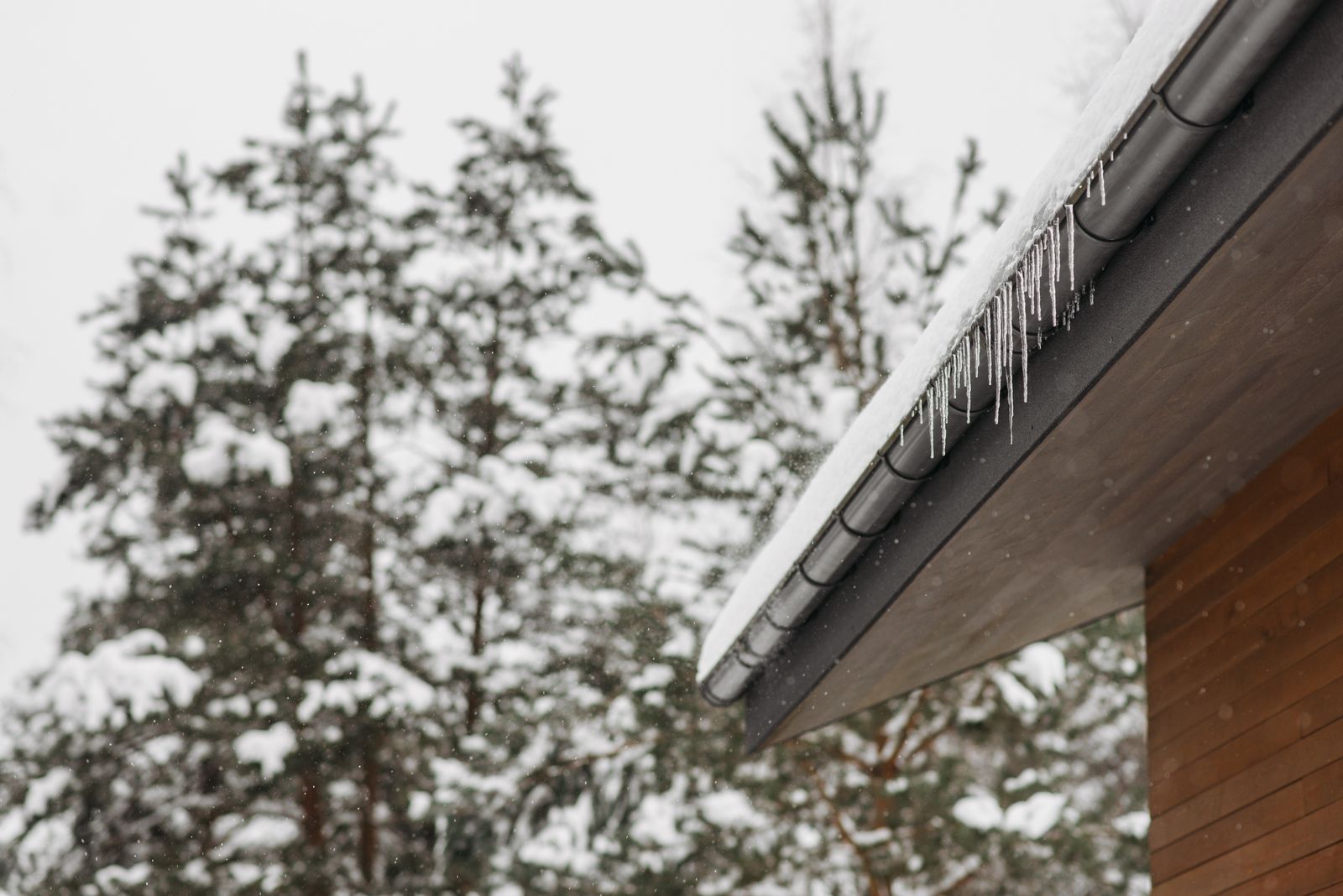
Snow piles up on the roof. Temperatures swing from brutally cold to surprisingly mild. Snow melts, refreezes, melts again, and suddenly you have a giant frozen mess hanging around your roofline.
That is where ice dams can become a problem.
Ice dams are not just an ugly line of ice along the edge of your roof. They can lead to water backing up underneath shingles, leaking into the attic, damaging insulation, staining ceilings, and creating expensive repairs.
The good news is that ice dams are often connected to things you can address before or during winter.
If you are wondering how to prevent ice dams in Winnipeg, here is what homeowners should know.
What Exactly Is an Ice Dam?
An ice dam forms when snow on the roof melts in one area and then refreezes when it reaches a colder section of the roof.
This often happens near the roof's edge.
The basic problem starts with uneven roof temperatures. Parts of the roof become warm enough to melt snow while the edges remain cold enough for that water to freeze.
As more snow melts, water runs toward the colder edge. It then freezes and creates a ridge of ice.
More melting water follows behind it, but now the ice is blocking the normal drainage path.
That water has to go somewhere.
In some cases, it can work its way underneath roofing materials and into areas of the home where you definitely do not want it.
Why Are Ice Dams a Problem in Winnipeg?
Winnipeg's winter weather can create the perfect conditions for ice dams.
We can have significant snowfall followed by temperature changes, sunshine that warms the roof during the day, and freezing temperatures overnight.
That constant freeze and thaw cycle can make roof edges particularly vulnerable.
An ice dam may start small and look harmless. But as it grows, it can hold a surprising amount of water and ice along the roofline.
Potential problems include roof damage, wet insulation, water stains on ceilings and walls, damaged drywall, mould growth if moisture is not addressed, and damage to gutters or exterior materials.
The important thing is not to panic every time you see a little ice.
Instead, understand what is causing it and know when it may require attention.
Start With Proper Attic Insulation
One of the biggest factors in ice dam formation is heat escaping from your home into the attic.
Ideally, the warm air inside your living space should stay where it belongs.
If heat escapes into the attic, it can warm the underside of the roof. Snow sitting on that warmer section of the roof may melt.
The water then travels toward the colder roof edge and freezes.
Proper attic insulation can help reduce this heat transfer.
If your attic insulation is old, uneven, compressed, or insufficient, it may be worth having it assessed by a professional.
You do not necessarily need to add insulation simply because your home is older. The right amount and type depend on the home's construction and existing setup.
The key is making sure your attic is properly insulated and that warm air is not escaping into it unnecessarily.
Make Sure Your Attic Has Good Ventilation
Insulation is only part of the equation.
Your attic also needs proper ventilation.
A well-ventilated attic allows air to move through the space and helps regulate temperatures and moisture.
Depending on the home's design, ventilation may involve soffit vents, ridge vents, gable vents, or other systems.
The important thing is that the ventilation system is designed correctly and that vents are not blocked.
If insulation has been pushed into soffit areas or stored items are blocking airflow, ventilation can be affected.
If you are unsure how your attic ventilation works, this is a good situation for a professional inspection rather than guessing.
Check for Air Leaks Into the Attic
Even with good insulation, warm indoor air can find its way into the attic through gaps and openings.
Common areas to look at include ceiling penetrations, plumbing vents, electrical fixtures, attic hatches, recessed lighting, and other openings.
Air sealing can help reduce the amount of warm, moist air entering the attic.
This can also help improve overall energy efficiency and indoor comfort.
If you are having your attic inspected, ask about both insulation and air leakage. Looking at only one without considering the other can leave part of the problem unresolved.
Keep Your Gutters and Downspouts Clear
Your gutters are not necessarily the cause of an ice dam, but keeping them clear is still an important part of winter roof maintenance.
Leaves, dirt, and debris can restrict water flow and make drainage problems worse.
Before winter, clean your gutters and make sure downspouts are directing water away from the home.
Check for sections that are sagging, damaged, or pulling away from the fascia.
A gutter system that drains properly gives melting snow and rainwater a better path away from your home.
That said, do not assume that installing a bigger gutter system will automatically solve an ice dam problem. If the underlying issue is heat escaping into the attic, the real solution may need to happen above the ceiling rather than at the gutter.
Watch Your Roof After Heavy Snow
After a significant snowfall, keep an eye on your roof from the ground.
You may notice areas where snow has melted much faster than others.
For example, if most of the roof is covered in snow but a particular section is bare, that may indicate heat loss or uneven roof temperatures.
You may also notice large amounts of ice building up along the eaves.
These signs do not automatically mean you have a serious problem, but they are worth paying attention to.
If you repeatedly notice significant ice buildup in the same areas, consider having the roof and attic assessed.
Be Careful With Snow Removal
You may be tempted to grab a shovel and remove snow from the roof yourself.
That can be risky.
Walking on a snowy or icy roof can result in serious injury, and using the wrong tools can damage shingles or other roofing materials.
If roof snow needs to be removed, consider hiring a professional who has the appropriate equipment and experience.
A roof rake may be useful for some homes and situations, but even then, use caution and follow the manufacturer's instructions.
The goal is to reduce risk, not create a second problem while trying to solve the first one.
Do Not Try to Smash the Ice Yourself
Once you see a large ice dam, it can be tempting to attack it with a hammer, shovel, or whatever happens to be in the garage.
Do not.
Breaking apart an ice dam can damage roofing materials, gutters, flashing, and shingles. It can also put you in a dangerous position if you are working from a ladder or roof.
If you already have a significant ice dam or water is entering your home, contact a qualified professional who can assess the situation and determine the safest solution.
Look for Warning Signs Inside Your Home
Sometimes the first sign of an ice dam is not outside.
You may notice water stains on ceilings, damp insulation, peeling paint, bubbling drywall, or moisture around exterior walls.
You might also notice a musty smell in the attic or upper levels of the home.
If you see evidence of water intrusion, do not simply paint over the stain and hope for the best.
The visible damage may be the result of a larger moisture problem that needs to be addressed.
The sooner you identify the source, the better your chances of limiting the damage.
What About Roof Heat Cables?
You may have seen homes with heating cables installed along the roof edge.
These systems can help manage ice buildup in certain situations, but they should not automatically be considered the first solution.
If your attic is losing heat or has ventilation problems, installing heat cables may only address part of the issue.
They may be useful in specific roof designs or situations where ice dams are persistent, but the right solution depends on the home.
If you are considering them, talk to a qualified roofing professional about whether they are appropriate for your property.
When Should You Deal With Ice Dam Problems?
Ideally, before winter.
Once an ice dam has formed, your options can become more complicated.
That is why fall is a great time to look at your roof, attic, insulation, ventilation, and gutters.
Check for maintenance issues while the weather is still manageable. Look at areas that may need repairs. If you have experienced ice dams in previous winters, do not assume the problem will disappear on its own this year.
Think of it as preventative maintenance.
It is usually easier to deal with a ventilation problem in October than a leaking ceiling in January.
What Homeowners Should Know About Ice Dams and Home Value
Ice dams are primarily a home maintenance issue, but they can also become relevant when you are thinking about selling.
Buyers want to know that major systems and components of a home have been maintained.
A history of roof leaks, moisture problems, damaged insulation, or recurring ice dams may raise questions during the selling process.
That does not mean you need to replace your roof or completely renovate your attic before selling.
It simply means that understanding your home's condition gives you more options.
If you know there is an issue, you can decide whether to repair it, disclose it appropriately, account for it when pricing the home, or leave the decision to the buyer.
The worst position is discovering a problem for the first time after your home is already on the market.
A Simple Ice Dam Prevention Checklist
Before Winnipeg winter gets serious, consider checking:
Your attic insulation.
Attic ventilation.
Air leaks between your living space and attic.
Roof condition.
Gutters and downspouts.
Signs of uneven snow melt.
Previous areas where ice dams have formed.
Ceiling stains or signs of water intrusion.
Your plan for safe snow removal.
Any recurring moisture or roof problems.
You do not have to become a roofing expert to take care of your home.
The goal is simply to notice potential problems early and bring in the right professionals when something needs a closer look.
The Best Ice Dam Strategy Is Prevention
Ice dams can be frustrating, especially when they show up every winter and seem impossible to avoid.
But in many cases, the most effective approach is not to focus on removing the ice after it forms. It is to understand why the roof is getting unevenly warm in the first place.
Proper insulation, good attic ventilation, air sealing, regular roof maintenance, and clear drainage can all play a role.
And if your home has a history of ice dams, take that history seriously.
A little preventative work before winter can be much easier than dealing with water damage after the snow and ice have already arrived.
For Winnipeg homeowners, winter is going to show up whether the house is ready or not. A little preparation can make a big difference.
Final Thoughts
If you're wondering whether your home needs repairs or improvements before winter, or you're thinking about selling and want to understand which issues are actually worth addressing, you don't have to figure it out on your own.
The right approach depends on your home's condition, your goals, your timeline, and what makes sense in the current Winnipeg market.
Before you spend money on a roof repair, insulation upgrade, or other improvement, let's talk about what could actually make a difference. Ty Mitchell can help you understand your options, identify the areas that may deserve attention, and create a practical plan based on your goals.
Thinking about selling your home in Winnipeg? Get in touch with Ty Mitchell today and let's talk about your next move.