Getting the keys to your new home is an exciting milestone. Whether you have purchased your first house, upgraded to accommodate a growing family, or downsized into a space that better suits your lifestyle, there is something special about knowing you are about to start a new chapter.
But before the moving truck pulls into the driveway and the boxes start piling up, there is one important question to consider. Is your new home actually ready for you to move in?
It is tempting to focus entirely on packing your current home, booking movers, and figuring out where the couch will go. However, preparing your new home before moving day can save you time, money, and plenty of frustration. A little work beforehand means fewer surprises when you arrive and a much smoother transition into your new space.
If you are moving into a new home in Winnipeg, here are the essential tasks to tackle before moving day arrives.
1. Give Your New Home a Thorough Inspection
Before bringing in furniture and personal belongings, take some time to walk through your new property. Even if you have already viewed the home several times, it is worth inspecting everything again before moving in.
Check the walls, floors, ceilings, windows, doors, and built-in fixtures. Look for visible damage, signs of moisture, loose handles, or anything that appears different from what you expected. Pay attention to areas around sinks, bathtubs, windows, and basement walls, where water issues can sometimes become noticeable.
If you notice something concerning, document it with photos and make a note of when you discovered it. If you recently purchased the property, review your purchase agreement and any inspection documentation to understand your options and responsibilities. Contact your real estate agent if you need help determining the appropriate next step.
It is also a good idea to test accessible light switches, electrical outlets, faucets, toilets, and appliances that are included in the sale. If something does not work as expected, it is better to identify the issue before your belongings arrive.
Remember that a visual walkthrough is not a substitute for a professional inspection. If you discover a potential safety concern or a significant problem, arrange for a qualified professional to assess it.
2. Clean Before the Boxes Arrive
Cleaning an empty home is much easier than cleaning one filled with furniture, boxes, and belongings. That makes the days before your move the perfect time to give the property a fresh start.
Begin with the kitchen and bathrooms. Clean countertops, cupboards, drawers, sinks, toilets, showers, and tubs. Wipe down cabinet handles, light switches, door handles, and other frequently touched surfaces.
Next, move on to the floors, baseboards, windowsills, and closets. If the previous owners left appliances behind, clean them according to the manufacturer's instructions. You may also want to clean inside the refrigerator, oven, and dishwasher before putting them to use.
Do not forget less obvious areas, such as the inside of kitchen drawers, laundry room surfaces, and storage shelves in the basement or garage.
If the property needs a more substantial cleaning, consider hiring a professional cleaning service before moving day. This can be especially helpful if you are juggling work, family responsibilities, and preparing your old home for handover.
For Winnipeg homeowners moving during winter or spring, pay extra attention to entryways and floors. Snow, road salt, mud, and moisture can quickly make their way indoors. Starting with clean floors and having suitable mats ready will help protect your new space from the beginning.
3. Change the Locks and Review Home Security
One of the simplest ways to feel more comfortable in a new home is to know who has access to it.
Unless you have reliable confirmation that all keys and access credentials have been accounted for, consider rekeying or replacing the exterior door locks. Previous owners may have given spare keys to family members, neighbours, contractors, or service providers over the years.
You should also review any garage door openers, keypad codes, smart locks, alarm systems, and other access devices. Reset passwords and access permissions where necessary, especially if the home has smart home technology.
If the property has a security system, confirm how it operates and whether a subscription or professional monitoring service is required. Test smoke alarms and carbon monoxide alarms, where applicable, and make sure you understand their locations and maintenance requirements.
It is also worth checking exterior lighting, door hardware, and accessible windows to ensure they close and lock properly.
These tasks do not need to turn into a major renovation project. The goal is simply to establish a secure, comfortable environment before you begin settling in.
4. Locate the Important Shutoffs and Household Systems
You do not want your first lesson in operating your new home to happen during a plumbing emergency.
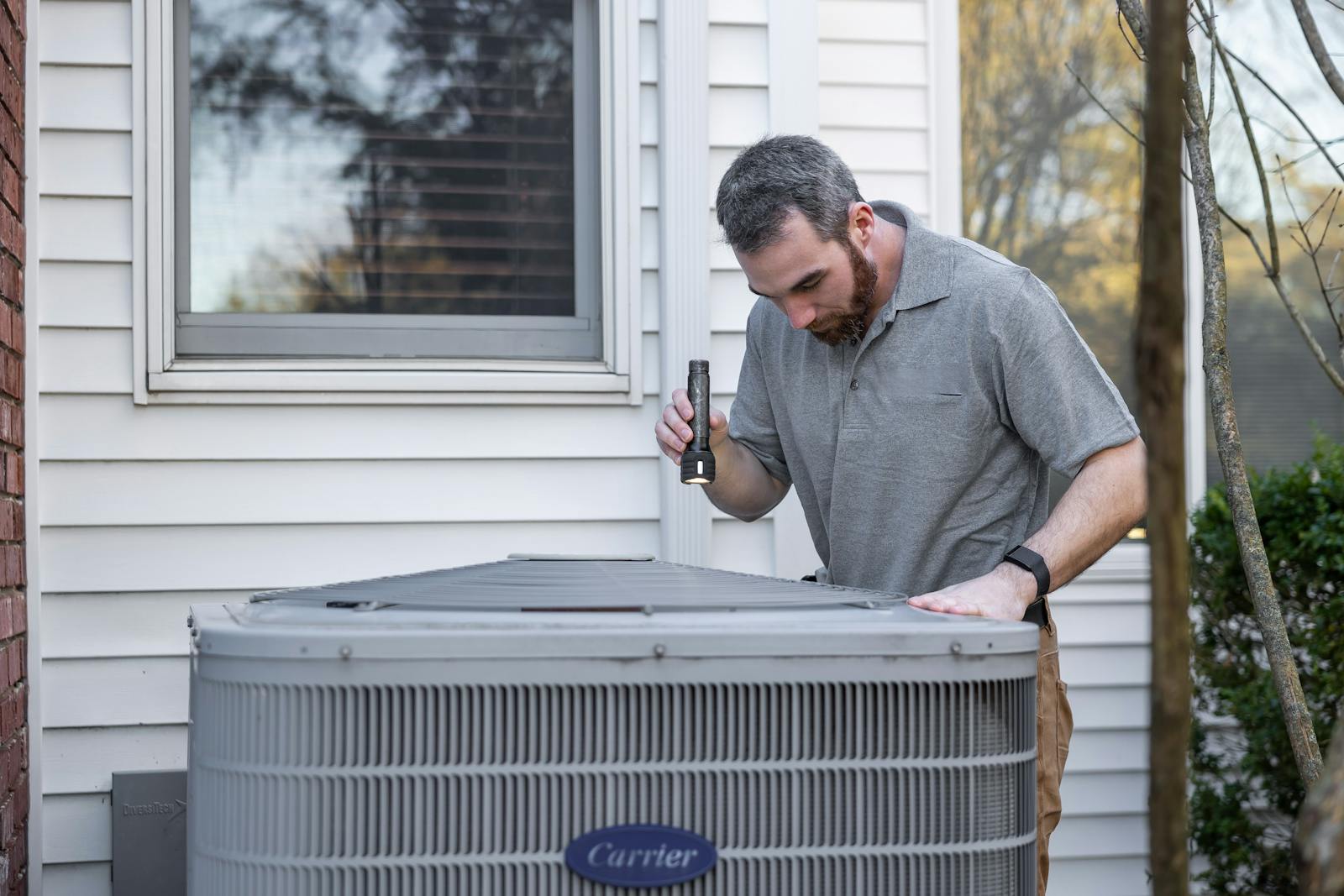
Before moving day, locate the main water shutoff valve and familiarize yourself with how it operates. If possible, identify the electrical panel, furnace, thermostat, and other essential household systems. Learn where the hot water tank is located and whether there are any special operating instructions for the equipment.
If the home has a sump pump, ask about its operation and check that you understand how to recognize a problem. This is particularly relevant for Winnipeg homeowners, where spring snowmelt and heavy rainfall can create challenging conditions for some properties.
If you are unfamiliar with a system, consult the appropriate manuals or ask a qualified professional to explain it. Do not attempt repairs or operate unfamiliar equipment if doing so could create a safety risk.
It is also helpful to identify the furnace filter size and determine when it should be replaced. Check the manufacturer's recommendations before purchasing a replacement.
Keep any manuals, warranties, service records, and maintenance information provided by the previous owner in one convenient location. You will thank yourself later when you need to troubleshoot an appliance or arrange routine maintenance.
5. Set Up Utilities and Internet Before Moving In
A new home is much more comfortable when the lights work, the water is running, and the internet is ready to go.
Arrange the necessary utility accounts and service transfers before your possession date, allowing enough time for any appointments or setup requirements. Confirm which services are included in your arrangements and which need to be established separately.
For Winnipeg residents, the City of Winnipeg's MyUtility portal can help eligible customers manage municipal utility accounts and report a move.
Check with Manitoba Hydro regarding your electricity and natural gas arrangements. If your new property uses another heating system, such as electric baseboard heating, make sure you understand how it works and what is required to operate it safely.
Internet service deserves special attention if you work remotely, attend online classes, or depend on a reliable connection. Contact your provider early to confirm availability at your new address and schedule installation if necessary.
You should also confirm that heating and hot water are functioning before moving in, particularly during Winnipeg's colder months. If you encounter a problem, contact the appropriate provider or qualified professional rather than waiting until after your belongings have arrived.
A few phone calls before moving day can make the first night in your new home much more comfortable.
6. Plan Furniture Placement Before the Moving Truck Arrives
Have you ever moved a heavy couch into a living room, only to discover that it blocks the doorway or does not fit the way you imagined? It is an exhausting mistake to make, especially when you have already carried it up a flight of stairs.
Before moving day, measure your larger furniture pieces and compare them with the dimensions of the rooms, doorways, staircases, and hallways in your new home.
Think about where your bed, dining table, sofa, desks, and major appliances will go. You do not need a professional interior design plan. A simple sketch of each room can be enough to help you visualize the layout.
Consider how you will use each space. If you work from home, you may want to establish your office before arranging decorative items. If you have young children, think about where their beds and essential belongings should go first.
It is also worth identifying any furniture that needs to be disassembled before transportation. Keep the screws and hardware in labelled bags so you are not searching through random boxes when it is time to put everything back together.
Share your basic furniture plan with your movers or anyone helping you on moving day. Directing items to their intended rooms as they arrive can save a significant amount of time and effort.
7. Prepare for Winnipeg's Weather and Outdoor Conditions
Winnipeg weather can be unpredictable, so preparing the exterior of your new home is just as important as getting the interior ready.
If you are moving during winter, check the driveway, front steps, walkways, and entrance areas for snow and ice. Clear the paths before the moving truck arrives and use an appropriate ice-melting product when needed. Make sure everyone helping with the move has suitable footwear.
During spring, inspect the yard and drainage areas for standing water or blocked pathways. If the property has a sump pump, confirm that it is functioning properly and understand any maintenance recommendations provided by the previous owner or a qualified professional.
In warmer months, check the condition of the lawn, exterior steps, and outdoor spaces. If you plan to use the deck or patio immediately, make sure the area is safe and ready for use.
You should also locate the garbage and recycling carts, if provided, and check the collection schedule for your new address.
If the home has a garage, test the door only after confirming that the area is clear and that you understand how the opener works. Keep the driveway accessible for the moving truck and avoid leaving boxes or equipment where they could create a tripping hazard.
8. Stock Up on the Essentials
You do not need to unpack your entire household on the first day, but having a few basic supplies ready will make settling in much easier.
Prepare a small box or bag with cleaning products, toilet paper, hand soap, paper towels, garbage bags, basic tools, and a few everyday kitchen items. Keep phone chargers, medications, toiletries, towels, and a change of clothes somewhere easy to access.
If you have children or pets, pack their essentials separately. Familiar toys, bedding, food, and feeding supplies can help make the transition less stressful.
It is also useful to have a flashlight, batteries, a first-aid kit, and a basic tool kit available. Keep these items accessible rather than burying them in a box labelled for long-term storage.
For your first evening, consider planning a simple meal that does not require much preparation. You may prefer takeout, sandwiches, or something you can prepare quickly without unpacking every kitchen item.
The idea is to make your new home functional from the start, even if it takes several days or weeks to finish unpacking.
9. Create a Moving-In Checklist and Prioritize Tasks
With so many things to organize, it is easy to forget a small but important detail. A moving-in checklist gives you one place to track your progress and identify what still needs attention.
Separate your tasks into categories such as cleaning, safety, utilities, repairs, furniture, and administrative updates. Mark completed items as you go, and prioritize anything that affects your ability to live comfortably and safely in the home.
For example, functioning utilities, secure locks, working smoke alarms, and clear access routes should take priority over hanging artwork or organizing decorative shelves.
If you identify repairs that can wait, record them and create a realistic plan for addressing them later. You do not need to complete every improvement before moving in.
This is also a good time to review your home insurance arrangements, confirm that your coverage applies from the appropriate date, and keep important property documents somewhere secure.
A checklist takes only a few minutes to create, but it can prevent unnecessary last-minute stress and help you focus on the tasks that matter most.
Final Thoughts: Make Your New House Feel Like Home
Preparing your new home before moving day is about more than cleaning floors and arranging furniture. It is about creating a safe, comfortable, and organized space where you can settle in without feeling overwhelmed.
By inspecting the property, cleaning before unpacking, reviewing security, arranging utilities, and planning furniture placement, you can avoid many common moving-day headaches. Preparing for Winnipeg's weather and keeping essential supplies close at hand will also make the transition easier.
Most importantly, give yourself permission to take things one step at a time. Your home does not have to look perfect on the first day. Focus on the essentials, get comfortable in your new surroundings, and enjoy making the space your own.
Planning a move in Winnipeg?
Whether you are purchasing your first home, moving into a larger property, or finding a neighbourhood that better suits your lifestyle, having the right real estate guidance can make the process feel more manageable.
Ty Mitchell understands the Winnipeg real estate market and can help you navigate the buying and selling process with greater confidence. If you are preparing for your next move or exploring what is available in the area, visit Ty Mitchell's website to learn more and connect.
Your next chapter starts with the right home. A little preparation can help you begin it on the right foot.

