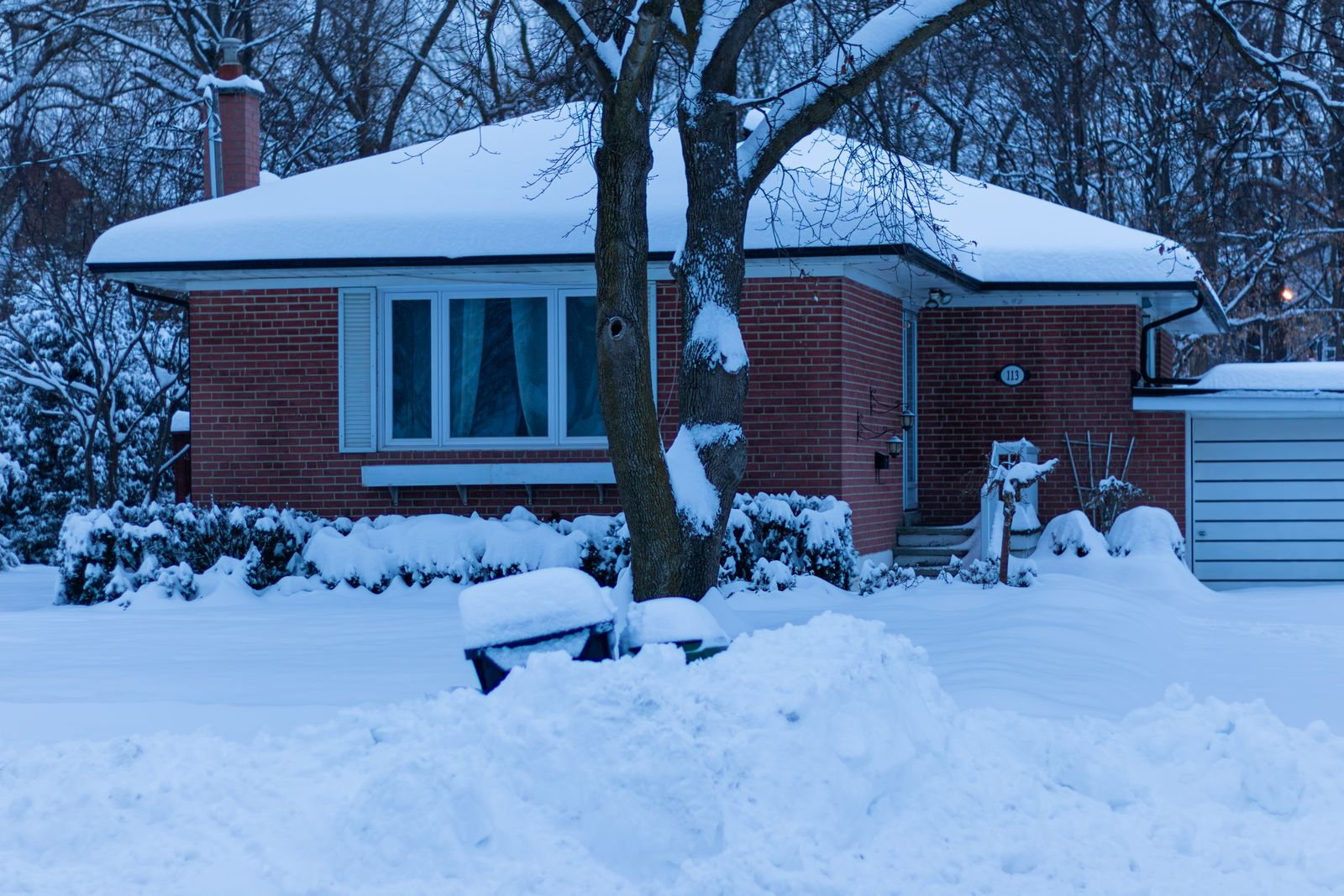
There is a very specific moment every Winnipeg homeowner knows.
You walk outside one morning, take a breath, and realize the air has officially changed.
The days are getting colder. The leaves are disappearing. The furnace is working a little harder. And suddenly that first hard freeze doesn't feel like a distant problem anymore.
Winnipeg winters don't exactly ease into the conversation.
That's why preparing your home before the first freeze is worth doing while the weather is still manageable. A few simple tasks now can help protect your plumbing, heating system, exterior, and overall home from some of the problems that come with freezing temperatures.
You don't need to spend the entire weekend turning your house into a winter fortress.
You just need to know what deserves attention.
Here's how to prepare your Winnipeg home before that first serious freeze arrives.
Start With Your Outdoor Faucets
If there's one task you don't want to forget, it's preparing your exterior water connections.
Garden hoses should be disconnected from outdoor faucets and stored away before freezing temperatures arrive.
Leaving a hose connected can potentially trap water in the plumbing and increase the risk of freezing and damage, depending on how your home's plumbing is configured.
If your property has multiple outdoor faucets, check all of them.
It's surprisingly easy to remember the one beside the back deck and completely forget the one near the garage.
If your home has frost-free or freeze-resistant hose bibs, follow the manufacturer's instructions for proper use. Don't assume every outdoor faucet works the same way.
If you're unsure how your home's exterior plumbing should be winterized, ask a qualified plumber.
Protect Your Pipes From Freezing
Frozen pipes are one of the winter problems homeowners would rather avoid.
Before the temperature drops significantly, identify areas of your home where pipes may be particularly vulnerable.
This could include pipes near exterior walls, unheated areas, crawl spaces, garages, or other locations where temperatures may fall.
If pipes are exposed or poorly insulated, appropriate insulation can help protect them.
Don't ignore a basement or utility area simply because it's inside the house. Some spaces can become surprisingly cold during extreme weather.
If you're unsure whether your plumbing is adequately protected, having a professional take a look before winter can be a smart move.
Know Where Your Main Water Shut-Off Is
Here's a question every homeowner should be able to answer:
“If a pipe bursts, where do I shut the water off?”
If your answer is, “Somewhere in the basement, I think,” fall is a good time to find out.
Locate your home's main water shut-off valve and make sure it is accessible.
You don't want to be searching through storage boxes while water is flowing across the basement floor.
It's also worth making sure everyone in the household knows where it is.
You hope you never need it.
But if you do, knowing exactly where the shut-off is can save valuable time.
Check Your Furnace Before You Need It
By the time the first serious freeze arrives, your furnace should already be ready to work.
Check your furnace filter and replace it according to the manufacturer's recommendations.
Make sure heating vents and return air registers aren't blocked by furniture, rugs, or other objects.
Pay attention to unusual sounds, smells, or changes in performance.
If your furnace hasn't been professionally serviced in a while, fall is a good time to schedule maintenance.
This is particularly important if your system is older or you've noticed problems during previous winters.
The goal is simple.
You want to discover a furnace issue while you're still comfortable enough to wear a sweater, not when Winnipeg is sitting at minus twenty and everyone in the house is wondering why the living room feels like a refrigerator.
Test Your Thermostat
Your thermostat should also get a quick check before winter arrives.
Turn on the heat and make sure the system responds properly.
If your thermostat uses batteries, check them.
If you have a programmable or smart thermostat, review your settings and make sure the schedule still fits your household.
If the temperature in your home seems inconsistent, take note.
Maybe the upstairs is warm while the basement feels like a walk-in freezer.
Maybe one bedroom is always significantly colder than the others.
Those differences could be related to airflow, insulation, windows, ductwork, or other factors.
Don't automatically assume the furnace itself is the problem.
Check Your Windows and Doors for Drafts
Before freezing temperatures arrive, walk around your home and check for obvious drafts.
Pay attention to exterior doors, windows, and areas where different materials meet.
If you can feel cold air coming through a gap, investigate.
Weatherstripping and caulking can wear down over time, and small gaps can affect comfort during winter.
You don't necessarily need to replace your windows.
Sometimes a relatively simple repair can make a difference.
The key is catching the issue before you're sitting beside the window wondering why your living room is five degrees colder than the kitchen.
Clean Your Gutters
Fall leaves and gutters are not exactly a dream combination.
Before freezing temperatures arrive, clean out leaves, twigs, and debris.
Make sure water can move through the gutters and downspouts properly.
Check that downspouts direct water away from your foundation.
This matters because blocked gutters can contribute to water buildup around the home, and once temperatures start freezing, that water can create additional problems.
If you're not comfortable working on a ladder, hire someone to handle the cleaning safely.
There is no prize for personally cleaning the third-storey gutter while standing on a ladder in November.
Check Your Roof and Attic
Take a look at your roof from the ground.
You're looking for obvious signs of damage, missing shingles, unusual sagging, or other concerns.
You can also check the attic, where accessible, for signs of moisture, leaks, or inadequate insulation.
If you've noticed water stains on ceilings or walls, don't wait for the first snowfall to investigate.
Winter weather can make existing roof problems more difficult to deal with.
If you're concerned about the condition of your roof, have it inspected by an appropriate professional.
Check the Grading Around Your Home
Water should generally move away from your foundation rather than toward it.
Walk around your property and look at the ground surrounding the house.
Are there areas where water collects?
Has soil shifted?
Are there spots where landscaping directs water toward the foundation?
These things may not seem particularly important on a mild fall afternoon, but water management becomes much more important once freezing temperatures arrive.
Addressing drainage issues before winter can help reduce the potential for moisture-related problems.
Prepare Your Basement
Your basement deserves a quick inspection before freezing temperatures settle in.
Look for signs of moisture, dampness, staining, or unusual smells.
Check around basement windows and other areas where water could potentially enter.
If you have a sump pump, make sure it's functioning properly.
If your basement has experienced water issues in the past, don't assume last year's solution will automatically work forever.
Fall is a good time to make sure everything is still in order.
Check Your Smoke and Carbon Monoxide Detectors
As you start relying more heavily on your heating system, make sure your smoke and carbon monoxide detectors are working properly.
Test the alarms.
Replace batteries when necessary.
Check the age of the units and follow the manufacturer's recommendations for replacement.
Make sure everyone in the household knows what to do if an alarm sounds.
This is a small task that can easily become part of your annual fall routine.
Prepare Your Fireplace
If your home has a fireplace or wood-burning stove, make sure it is ready before you use it.
Depending on the type of system, this may include inspection or cleaning by an appropriate professional.
Check for obvious issues and follow the manufacturer's recommendations.
If you have a chimney, make sure it receives the appropriate maintenance as well.
Don't wait until the first freezing evening to discover that your fireplace needs attention.
Protect Your Outdoor Equipment
The first freeze is also your reminder that summer equipment needs to start going away.
Store garden hoses.
Bring in or properly protect outdoor furniture.
Put away gardening tools.
Drain equipment that requires winterization.
Protect plants and landscaping according to their needs.
If you have outdoor equipment that isn't designed to handle freezing temperatures, don't leave it sitting outside simply because you're hoping for one more warm weekend.
That weekend may happen.
It may also snow.
This is Winnipeg.
Get Your Snow Equipment Ready
Your snow shovel should not be buried behind patio furniture.
Your snowblower should not be sitting in the back of the garage underneath twelve boxes.
And if you hire a snow removal service, make sure you've made the necessary arrangements.
Before winter arrives, check that your equipment is functional and accessible.
If you own a snowblower, follow the manufacturer's maintenance recommendations.
You don't want to discover that it won't start when the first major snowfall has already arrived.
Check Your Garage
Garages often get overlooked during winter preparation.
Check the garage door and opener.
Make sure the door closes properly.
Look for obvious gaps or damage.
If your garage is attached to the home, pay attention to areas where cold air could enter the house.
Make sure winter equipment is accessible.
Move the snow shovel somewhere you can actually reach it.
Future you will be grateful.
Prepare for a Power Outage
Winnipeg winter weather can occasionally create challenging conditions, so it's worth thinking about what you'd do if the power went out.
Keep flashlights and batteries accessible.
Know where your emergency supplies are stored.
Have blankets available.
Keep phones charged when severe weather is expected.
If you have a backup power system or generator, make sure you understand how to use it safely and follow all manufacturer instructions.
You don't need to turn your basement into an emergency bunker.
You just want to avoid searching for a flashlight while standing in the dark at 10 p.m.
Create a Simple Freeze-Ready Checklist
If you want to make this easier every year, create a checklist and save it.
Your list might include outdoor faucets, hoses, pipes, furnace, thermostat, windows, doors, gutters, roof, basement, detectors, fireplace, garage, outdoor equipment, and snow removal supplies.
Then work through the list before the first significant freeze.
Once you've done it a few times, the process becomes routine.
And routine is helpful because seasonal maintenance is one of those things that is easy to forget when life gets busy.
Why Winter Preparation Matters When You're Selling
If you're thinking about selling your Winnipeg home, preparing for the first freeze can also be part of preparing the property for the market.
Buyers notice the condition of major systems and the overall maintenance of a home.
You don't need to make every possible upgrade before selling.
But taking care of obvious maintenance issues, keeping records of repairs, and making sure major systems are functioning properly can help you present the property with confidence.
It can also help you avoid discovering a problem at the worst possible time.
If you're planning to list your home later in the fall or winter, talk with your real estate agent before spending money on major projects.
Not every improvement will provide the return you're hoping for.
The goal is to focus on what actually makes sense for your home and your selling strategy.
Final Thoughts
Preparing your Winnipeg home for the first freeze is really about getting ahead of the season.
Disconnect the hoses.
Protect vulnerable pipes.
Check the furnace.
Test the thermostat.
Inspect your windows and doors.
Clean the gutters.
Look at the roof and foundation.
Check the basement.
Test your safety detectors.
Prepare your fireplace.
Organize your garage.
Get your snow equipment ready.
None of these tasks are particularly glamorous.
But when the temperature drops and winter officially arrives, you'll be glad you took care of them.
And if you're thinking beyond winter and considering selling your home, this is also a good time to take a bigger look at your property's condition.
If you're thinking about selling your home and wondering which repairs or improvements are actually worth doing before listing, you don't have to figure it out on your own. The right approach depends on your home's condition, your timeline, your budget, and what buyers are likely to value in the current Winnipeg market.
Before you start spending money on repairs, let's talk about what could actually make a difference. Ty Mitchell can help you evaluate your home's strengths, identify areas that may need attention, and create a practical plan for getting your property ready to sell.
Thinking about selling your home in Winnipeg? Get in touch with Ty Mitchell today and let's talk about your next move.
Schedule: Oct. 8, 2026
Blog #34: What Winnipeg Homeowners Should Check Before Winter
SEO Keywords/Phrases:
winter home maintenance Winnipeg
prepare your Winnipeg home for winter
winter checklist for Winnipeg homeowners
Meta Title:
What Winnipeg Homeowners Should Check Before Winter
Meta Description:
Get your Winnipeg home winter-ready with this practical checklist covering heating, plumbing, roof, gutters, windows, basement, and more.
Blog Post Copy:
What Winnipeg Homeowners Should Check Before Winter
Winter in Winnipeg has a way of exposing every little thing you forgot to deal with during the warmer months.
That tiny draft around the back door? Suddenly noticeable.
The gutter you meant to clean in September? Now full of leaves and partially frozen.
That strange noise coming from the furnace? Suddenly a lot more concerning when the temperature outside drops below zero.
Preparing your home for winter is not about making everything perfect. It is about catching small problems before they become expensive, uncomfortable, or inconvenient ones.
For Winnipeg homeowners, a little preparation can go a long way. Before winter really settles in, take some time to walk around your property and check the areas that will be working hardest once the temperature drops.
Here is a practical winter home maintenance checklist to help you get started.
Start With Your Heating System
Your furnace is going to be one of the hardest-working systems in your home during a Winnipeg winter, so it deserves some attention before you need it every day.
Start by checking your furnace filter. A dirty filter can restrict airflow and make the system work harder. If you have not replaced it recently, this is an easy place to start.
Take a look around the furnace room as well. Make sure nothing is blocking the equipment or stored too close to it. You also want to make sure vents and cold-air returns throughout the house are open and unobstructed.
Turn your thermostat on and make sure the system is responding properly. If you notice unusual sounds, inconsistent temperatures, weak airflow, or anything else that seems out of the ordinary, it is better to investigate now than wait for the coldest night of the year.
If your furnace is due for professional maintenance, fall is a good time to schedule it.
Check Your Windows and Doors
Drafty windows and doors are more than just annoying when the temperature drops.
They can make rooms feel colder, create uncomfortable drafts, and contribute to higher heating costs.
Walk around your home and check for noticeable gaps around windows and exterior doors. Look at the weatherstripping and caulking. If you can see cracks, deterioration, or obvious gaps, they may need attention.
Pay particular attention to doors that lead directly outside, including your front door, back door, garage entry door, and patio doors.
You do not necessarily need to replace windows simply because they are older. Sometimes a relatively simple repair or improvement can make a noticeable difference.
Inspect Your Gutters and Downspouts
Your gutters have an important job once winter arrives.
Before freezing temperatures become the norm, make sure they are clear of leaves, debris, and other buildup. Check that water can move freely through the downspouts and that the downspouts direct water away from your foundation.
This is especially important because water that does not drain properly can contribute to ice buildup and drainage problems around the home.
While you are up there, take a quick look at the gutters themselves. Are they pulling away from the house? Are there visible cracks? Are sections sagging?
Small issues are much easier to deal with before snow and ice make everything more difficult.
Take a Look at Your Roof
You do not need to climb onto the roof yourself to check its condition.
From the ground, look for missing or damaged shingles, areas that appear uneven, damaged flashing, or anything else that looks unusual.
If you have noticed leaks, water stains on ceilings, or moisture around the attic during the year, do not ignore them simply because the weather has been dry.
Winter will not make an existing roof problem disappear.
If you are unsure about the condition of your roof, having it professionally inspected can give you a much better idea of whether there is an issue that needs attention before the snow arrives.
Check Your Attic and Insulation
Your attic plays a bigger role in winter comfort than many homeowners realize.
Insufficient insulation or air leakage can contribute to heat loss and may create other problems during the winter.
If you can safely access your attic, look for obvious signs of moisture, staining, damaged insulation, or unusual condensation. You should also check whether there are signs of pests or other issues that may have developed over the warmer months.
If you are not comfortable inspecting the attic yourself, bring in a professional.
The goal is not to become an insulation expert. It is simply to catch potential problems before they become larger ones.
Protect Your Plumbing
Freezing temperatures and plumbing are not a combination any Winnipeg homeowner wants to test.
Before winter, disconnect garden hoses and shut off exterior water connections where appropriate. Make sure outdoor faucets are properly drained according to your home's setup.
Inside the house, pay attention to pipes located near exterior walls, garages, crawl spaces, or other areas that may be more exposed to cold temperatures.
If you have had frozen pipes or plumbing problems in previous winters, take that history seriously. There may be an underlying issue with insulation, airflow, or the location of the plumbing that needs to be addressed.
Know where your main water shutoff is located, too. Hopefully, you will never need it in an emergency. But if a pipe does burst, knowing exactly where to shut off the water can save valuable time.
Check Your Basement
Your basement deserves a winter inspection as well.
Look for signs of moisture, dampness, cracks, or water staining. Check around windows, foundation walls, and areas where plumbing enters the home.
Pay attention to any unusual smells or changes that may indicate moisture.
If you have a sump pump, make sure it is functioning properly and that the discharge system is clear. A sump pump may not be something you think about every day, but you will definitely think about it if you have a water problem.
Winter preparation is also a good time to make sure basement storage is organized so that important mechanical systems remain accessible.
Walk Around Your Foundation
Take a walk around the outside of your home before the ground freezes.
Look for areas where the ground slopes toward the house instead of away from it. Check for obvious cracks, damaged exterior materials, or areas where water appears to collect.
You should also look at the grading around the property. Proper drainage helps direct water away from your foundation rather than toward it.
If you noticed pooling water during spring or summer, make a note of it now. Winter may not be the time to make every exterior repair, but knowing about the problem gives you a chance to plan ahead.
Check Your Smoke and Carbon Monoxide Detectors
This is one of the easiest checks on the list, and it is an important one.
Test your smoke and carbon monoxide detectors and replace batteries where necessary. If a detector is older or no longer functioning properly, replace it.
Make sure you have working detectors in the appropriate areas of your home and that everyone in the household knows what to do if an alarm sounds.
As your home becomes more dependent on heating systems during winter, it is especially important to make sure these basic safety devices are working.
Look After Your Exterior
Your home's exterior takes a beating during a Winnipeg winter.
Before the snow arrives, check exterior lighting, railings, steps, handrails, and walkways. Make sure everything is secure and safe.
Trim branches that could potentially cause problems during heavy snow or ice. Store or secure outdoor furniture and other items that could be damaged or blown around.
If you have a garage, check the door, seals, and opener. Make sure the garage remains functional and that the door closes properly.
You will be glad you handled these little jobs when you are trying to get out of the house on a dark January morning.
Get Your Winter Equipment Ready
Winter preparation is not just about the house itself.
Check your snow shovel, ice scraper, salt or ice melt, snowblower, extension cords, and other winter equipment before you actually need them.
If you have a snowblower, test it early rather than waiting for the first major snowfall. Make sure it starts properly and that you have what you need to operate it safely.
The first major Winnipeg snowfall is not the ideal time to discover that your snowblower has decided to retire.
Do Not Forget About Insurance and Home Records
Winter preparation is also a good opportunity to review your home records.
Keep track of major repairs, renovations, appliance replacements, furnace servicing, roof work, and other improvements.
Take updated photos or a walkthrough video of your home and its contents as well. Having a current record can be useful for insurance purposes if you ever need to document damage or make a claim.
It is one of those things that feels unnecessary until you actually need it.
Think Beyond This Winter
A winter checklist is not just about surviving the next few months.
It can also help you understand your home's condition and identify improvements that may eventually need to be made.
Maybe the furnace is getting older. Maybe the windows are starting to show their age. Maybe the roof is approaching the point where replacement should be considered.
None of these things automatically mean you need to spend thousands of dollars right away.
Instead, use your winter preparation as a chance to create a realistic maintenance plan. Prioritize safety and urgent repairs first, then plan for larger improvements over time.
This can be especially helpful if you are considering selling your home in the next year or two. Understanding the condition of your home early gives you more options and prevents last-minute decisions.
A Simple Winnipeg Winter Checklist
Before winter arrives, take a few minutes to check:
Your furnace and filter.
Your thermostat and vents.
Windows, doors, weatherstripping, and caulking.
Gutters and downspouts.
Roof and flashing.
Attic insulation and signs of moisture.
Exterior faucets and plumbing.
Basement and sump pump.
Foundation and drainage.
Smoke and carbon monoxide detectors.
Exterior lighting, steps, and railings.
Garage doors and seals.
Snow removal equipment.
Home maintenance records and insurance documentation.
You do not have to complete everything in one afternoon. Break the list into smaller jobs and tackle a few at a time.
Winter Is Easier When You Prepare Early
Winnipeg winters are tough enough without discovering a problem when it is 30 degrees below zero.
The good news is that many winter preparation tasks are simple. A filter change, a gutter cleaning, a quick inspection around the house, or a little weatherstripping can help you catch problems before they become bigger ones.
The bigger takeaway is to know your home.
Understand what needs attention now, what can wait, and what may eventually become a larger expense. That knowledge is useful whether you plan to stay in your home for another ten years or think you may be selling in the near future.
And if you are planning to sell, knowing your home's condition before putting it on the market can help you make smarter decisions about repairs, improvements, pricing, and timing.
Final Thoughts
If you're wondering what home improvements are worth taking care of before winter, or which projects actually matter if you're thinking about selling, you don't have to figure it out on your own. The right approach depends on your home's condition, your goals, your timeline, and what makes sense in the current Winnipeg market.
Before you start spending money on repairs or improvements, let's talk about what could actually make a difference. Ty Mitchell can help you understand your options, prioritize the updates that may be worth considering, and create a practical plan for your home.
Thinking about selling your home in Winnipeg? Get in touch with Ty Mitchell today and let's talk about your next move.