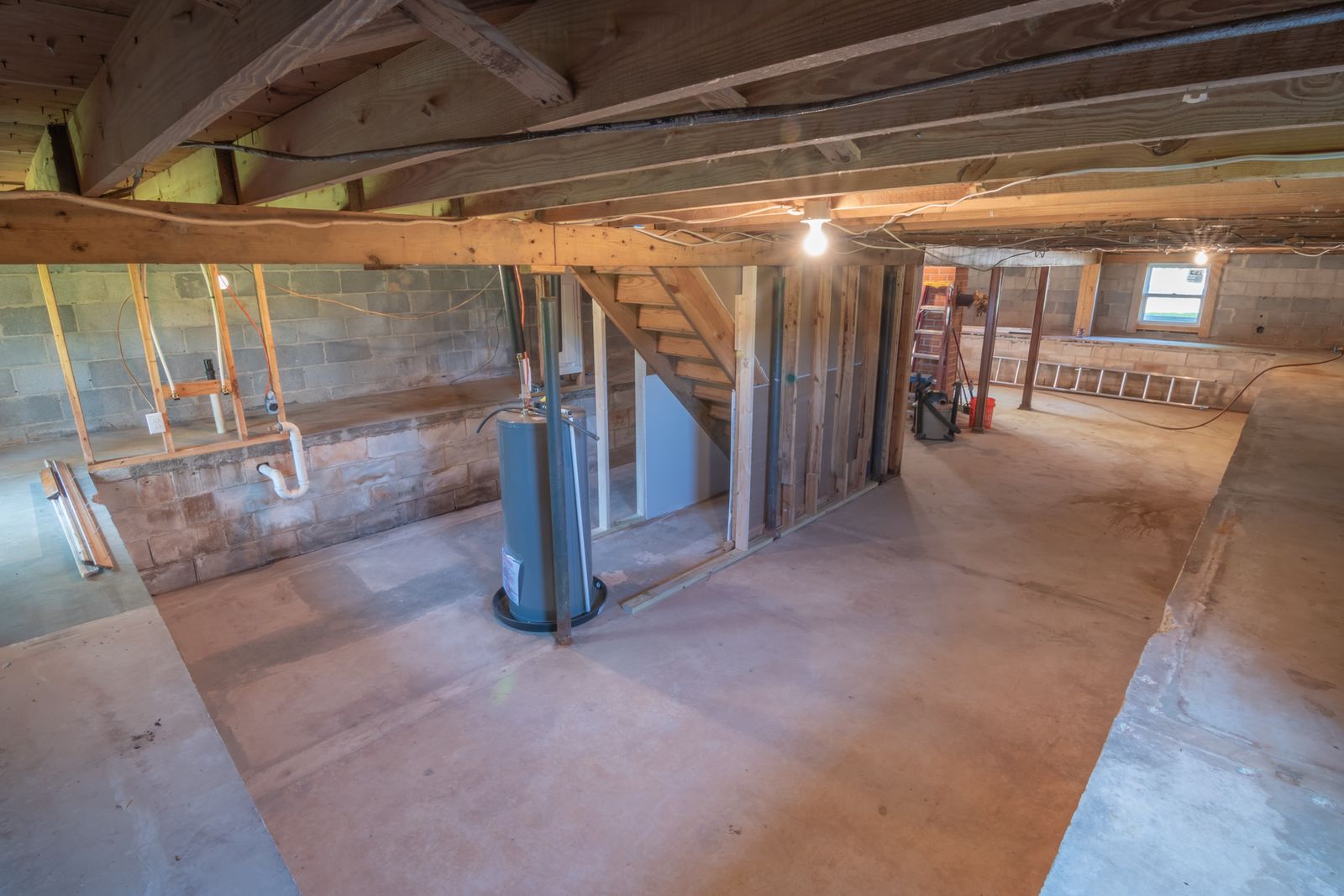
If you live in Winnipeg, you know that spring does not always arrive quietly. One day, the yard is covered in snow, and the next, temperatures climb, snow begins melting, and water seems to appear everywhere.
While warmer weather is welcome after a long Manitoba winter, spring thaw can be stressful for homeowners, especially those with basements.
As snow melts and the ground begins to thaw, water needs somewhere to go. If it collects around your foundation, enters through cracks, or overwhelms your drainage system, you could end up dealing with a damp basement, damaged belongings, or an expensive cleanup.
The good news is that a little preparation can help reduce the risk.
Whether you have lived in your home for years or recently purchased a property in Winnipeg, here is how to keep your basement dry during spring thaw and what to watch for before a small problem becomes a bigger one.
Why Is Spring Thaw a Risk for Winnipeg Basements?
Winnipeg's long winters can leave homeowners with plenty of snow around their properties. When temperatures rise, that snow begins to melt, sometimes faster than the surrounding ground can absorb the water.
Frozen or partially thawed soil may limit drainage, causing water to collect near foundations. If the ground slopes toward your house, melting snow can flow directly toward the basement walls.
Water may enter through foundation cracks, poorly sealed window wells, gaps around utility penetrations, or other vulnerable areas.
Spring thaw can also reveal problems that developed during winter. Freeze and thaw cycles can affect exterior materials, while ice and debris may interfere with gutters and downspouts.
Not every home will experience basement water problems, but understanding how water moves around your property can help you identify potential trouble spots before the spring melt reaches its peak.
1. Move Snow Away From Your Foundation
One of the simplest ways to help protect your basement is to pay attention to where snow is piled around your home.
Snowbanks beside foundation walls may look harmless during winter, but they can become a source of concentrated water once temperatures rise.
Where practical, move accumulated snow away from the foundation before the major thaw. Pay particular attention to areas near basement windows, window wells, exterior stairs, and corners where snow tends to collect.
Avoid piling snow against your home simply because it is convenient to clear a walkway or driveway. Instead, choose areas where melting water can drain away from the house without flowing toward a neighbouring property or public walkway.
You may not be able to remove every bit of snow, especially after a heavy Winnipeg snowfall. Focus on the areas closest to your foundation and those where water tends to collect.
2. Check Your Gutters and Downspouts
Your gutters and downspouts play an important role in keeping water away from your basement.
During winter, gutters can collect leaves, debris, and ice. Downspouts may also become blocked or disconnected. When snow begins melting or spring rain arrives, water may spill over the gutter edges and collect around the foundation.
Once it is safe to do so, inspect your gutter system and clear any debris. Check that downspouts are connected properly and direct water away from the house.
Pay attention to where the water ends up. A downspout that releases water directly beside the foundation is not doing your basement any favours.
Use suitable extensions or drainage solutions to move water away from the home, while ensuring that it does not flow toward neighbouring properties.
If your gutters are sagging, leaking, or pulling away from the house, arrange for repairs. A properly functioning drainage system can help reduce the amount of water reaching your foundation during the spring thaw.
3. Make Sure the Ground Slopes Away From Your Home
Take a walk around your property and look at the ground surrounding the foundation.
Ideally, the grading should encourage water to flow away from the house rather than toward it. Over time, soil can settle, landscaping can change, and garden beds can create low spots where water collects.
Look for puddles near foundation walls, sunken areas beside the house, or sections where the ground slopes toward the basement.
These are worth addressing because even a small grading issue can direct a surprising amount of melting snow toward your home.
If you notice a problem, consider consulting a qualified landscaping or drainage professional about correcting it. Simply adding soil without considering the existing grading, exterior materials, and drainage patterns may not solve the issue.
Also, avoid making changes that direct water onto your neighbour's property. The goal is to manage drainage responsibly while protecting your own foundation.
4. Inspect Your Foundation for Cracks
Foundation cracks can provide an entry point for water, particularly when snowmelt creates moisture around the exterior walls.
During spring, look for visible cracks in exposed foundation areas, especially around basement windows, corners, and locations where water has entered previously.
Inside the basement, watch for damp patches, water staining, peeling paint, or white, powdery deposits on masonry. These deposits, often called efflorescence, can indicate that moisture has moved through the masonry.
Not every crack means your foundation has a serious structural problem. Some small cracks may be relatively minor, while others require more attention.
However, cracks that are widening, allowing water inside, or appearing alongside uneven floors, sticking doors, or other changes should be assessed by a qualified foundation professional.
Avoid simply covering a wet crack with paint and assuming the problem is fixed. The source of the moisture needs to be understood before the right repair can be determined.
5. Test Your Sump Pump Before You Need It
If your home has a sump pump, spring is an important time to check that it is working properly.
A sump pump helps remove groundwater collected in a sump pit and directs it away from the foundation. During periods of heavy snowmelt or rain, that system may become particularly important.
Check that the sump pit is free of obvious debris and that the pump operates according to the manufacturer's instructions. If you are unsure how to test it safely, consult the manual or contact a qualified professional.
Pay attention to unusual noises, frequent cycling, or signs that the pump is struggling to keep up.
It is also worth asking whether your system has an appropriate backup arrangement. A battery backup or another suitable backup solution may provide additional protection if the primary pump loses power, depending on the system and the home's needs.
Remember, a sump pump is only one part of basement water prevention. It cannot correct poor exterior grading, blocked downspouts, or every possible source of water intrusion.
6. Check Basement Windows and Window Wells
Basement windows are another area that deserves attention during spring thaw.
Window wells can collect snow, leaves, and debris over winter. If drainage is blocked, melting snow may accumulate around the window and increase the risk of water entering the basement.
Clear away debris and inspect the window wells once conditions allow. Check for visible damage, deteriorated seals, and signs that water has collected inside.
Make sure window well covers, if installed, are secure and suitable for the window. Covers may help keep out debris and reduce direct snow accumulation, but they should not interfere with required emergency exits.
Inside, inspect the walls and window frames for water stains, dampness, or peeling finishes.
If a window well repeatedly fills with water, investigate the drainage rather than relying on repeated cleanups. A drainage professional can help determine whether the well, surrounding grading, or another component needs attention.
7. Look for Plumbing Leaks and Moisture Inside
Not all basement water problems come from outside.
Spring is a good time to inspect the basement for plumbing leaks, condensation, and other sources of moisture that can be mistaken for groundwater intrusion.
Check around water heaters, washing machines, utility sinks, exposed pipes, and plumbing connections. Look for dripping, corrosion, damp flooring, or water stains.
If your basement has a floor drain, make sure the surrounding area is clean and that there are no obvious signs of a backup. If you notice sewage odours or wastewater returning through a drain, contact a qualified plumbing professional promptly.
You should also look for condensation on cold pipes or other surfaces. Moisture caused by condensation requires a different solution from water entering through the foundation.
Identifying the source matters. Otherwise, you could spend money repairing the wrong thing while the actual problem continues.
8. Keep Basement Storage Off the Floor
Even with good drainage, it is sensible to organize your basement in a way that reduces the impact of unexpected moisture.
Avoid storing important documents, photographs, electronics, or sentimental items directly on the floor, especially in areas that have experienced water problems before.
Use sturdy shelving and consider waterproof storage containers for items that need extra protection.
Keep the area around your sump pit, floor drain, water shutoff, and other important equipment accessible. In an emergency, you do not want to move a mountain of holiday decorations just to reach the equipment you need.
If you notice water entering the basement, move vulnerable belongings away from the affected area when it is safe to do so. Do not enter standing water if electrical equipment or outlets may be affected.
9. Watch for Early Signs of Water Damage
You do not have to wait for a puddle in the middle of the basement to know something is wrong.
Early warning signs can include musty smells, damp carpet, bubbling paint, discoloured drywall, warped baseboards, or moisture appearing after rainfall or snowmelt.
Pay attention to patterns. Does water appear near one particular wall? Does it happen after several warm days? Does the basement smell damp even when the floor looks dry?
These clues can help a professional identify the likely source.
If water enters your basement, document the affected areas with photos and keep records of repairs. If damage is significant, contact your insurance provider to understand your coverage and any required next steps.
Promptly addressing moisture can help limit further damage and reduce the likelihood of ongoing problems.
10. Know When to Call a Professional
Some spring maintenance tasks are easy to handle yourself, but recurring or unexplained water problems deserve professional attention.
Consider getting help if water continues entering despite basic drainage improvements, foundation cracks appear to be changing, your sump pump is not working properly, or moisture keeps returning to the same area.
A qualified foundation or drainage professional can assess the source of the problem and recommend suitable repairs. A plumber may be needed for plumbing-related issues, while a restoration specialist may be appropriate if water has caused substantial damage.
If you suspect structural damage, do not rely on a quick cosmetic repair.
The right solution depends on where the water is coming from, how much is entering, and the condition of the home.
A Spring Thaw Checklist for Winnipeg Homeowners
Before the snow completely disappears, take a few minutes to review these areas:
Move snow away from foundation walls where practical.
Clear gutters and check downspouts.
Confirm that downspouts direct water away from the house.
Look for low spots or ground that slopes toward the foundation.
Inspect visible foundation areas for cracks and moisture.
Test your sump pump according to the manufacturer's instructions.
Clear debris from basement window wells.
Check plumbing connections and basement drains.
Store valuables away from the floor.
Watch for damp spots, musty smells, and water stains.
Arrange professional help for recurring or unexplained problems.
You do not have to do everything in one afternoon. Start with the areas most likely to direct water toward your foundation, then work through the rest as the weather improves.
Protect Your Basement, and Look After Your Home's Long-Term Value
Spring thaw is part of life in Winnipeg, but basement water damage does not have to be an annual tradition.
Good drainage, clear downspouts, appropriate grading, a functioning sump pump, and regular inspections can all help reduce the risk of moisture problems.
The most important thing is to act early. A small sign of water intrusion is worth investigating before it develops into damaged flooring, ruined belongings, or a more complicated repair.
These checks are also useful if you are thinking about selling your home. Buyers want to understand how a property has been maintained, and a history of basement moisture may lead to additional questions during the buying process.
You do not need to panic over every crack or damp spot. You simply need to understand what is happening and make informed decisions about the next steps.
If you're preparing your home for spring or thinking about selling and wondering which repairs are worth addressing, you don't have to figure it out on your own. The right approach depends on your home's condition, your goals, your timeline, and what makes sense in the current Winnipeg market.
Before you spend money on repairs or improvements, let's talk about what could actually make a difference. Ty Mitchell can help you understand your options, prioritize the updates that may be worth considering, and create a practical plan for your next move.
Thinking about selling your home in Winnipeg? Get in touch with Ty Mitchell today and let's talk about your next move.