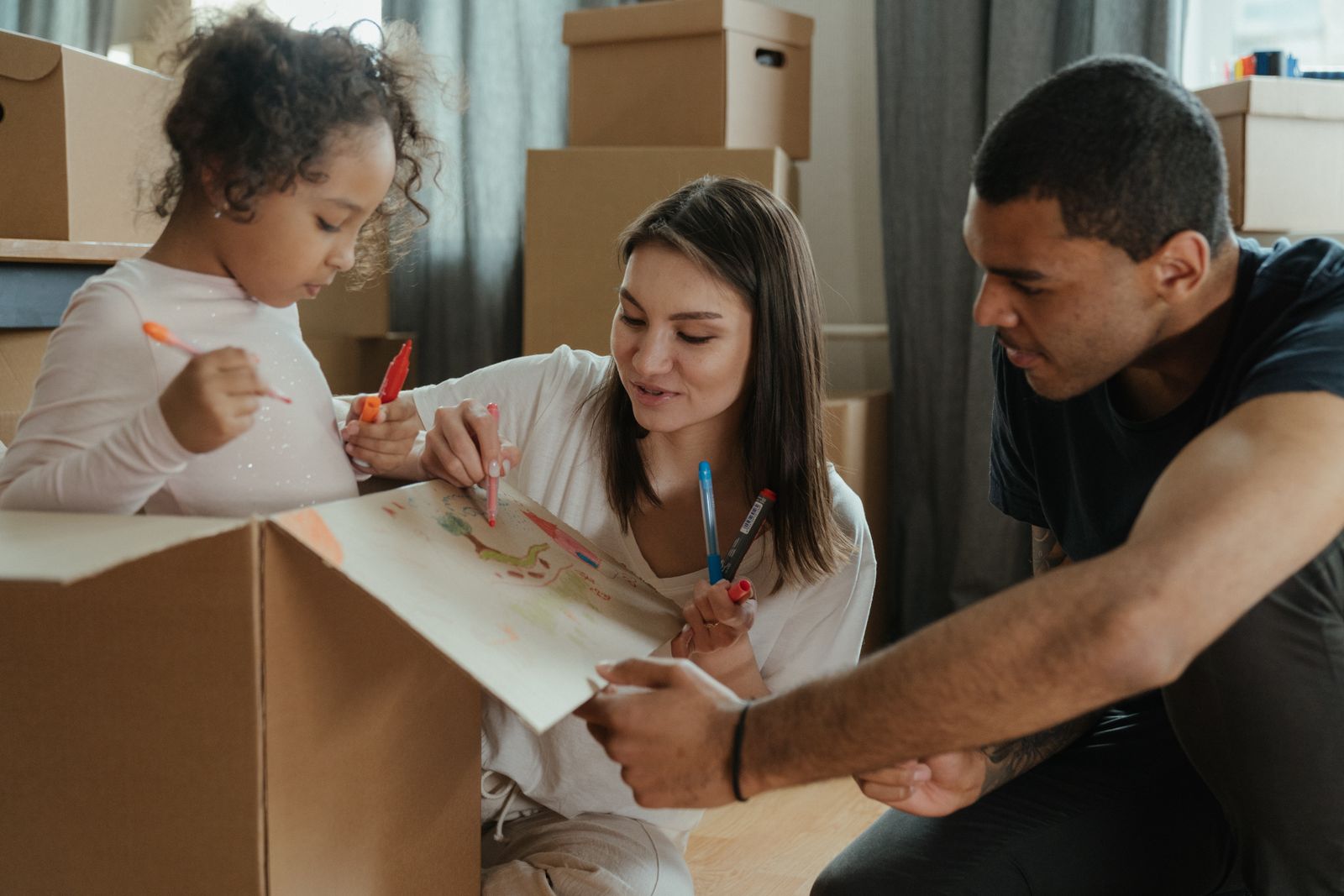
Moving is a major life event for everyone in the family, but it can be especially challenging for children. Adults often focus on packing boxes, changing addresses, and coordinating moving day logistics. Kids, on the other hand, are saying goodbye to familiar routines, close friends, favorite parks, and the only home they may have ever known.
Whether you're moving across Winnipeg, relocating from another Manitoba community, or arriving from another province, helping your children adjust is one of the most important parts of making your move successful.
The good news is that with patience, preparation, and a little creativity, kids are incredibly resilient. A thoughtful approach can help them feel safe, excited, and comfortable in their new surroundings much sooner than you might expect.
Here are some practical ways to make the transition easier for the whole family.
Talk About the Move Early
Children handle change better when they know what to expect.
As soon as your plans become more certain, begin having age-appropriate conversations about the move.
Explain why your family is moving and focus on the positives without dismissing their concerns.
Encourage your children to ask questions.
Some may be excited about a bigger bedroom or a new school, while others may worry about leaving their friends behind.
Listening carefully and acknowledging their feelings helps build trust during a time of change.
Involve Kids in the Moving Process
Giving children small responsibilities can help them feel involved instead of feeling like everything is happening around them.
Depending on their age, they can:
Pack their own toys.
Choose paint colors for their new room.
Help label moving boxes.
Create a checklist for moving day.
Pick out decorations for their new space.
Being part of the process gives children a sense of control and excitement.
Visit the New Neighborhood Before Moving
If possible, spend time exploring your new neighborhood before moving day.
Visit nearby parks, playgrounds, schools, libraries, and ice cream shops.
Walk around the community together and point out places your children may enjoy.
When kids begin recognizing familiar landmarks before they move in, the new neighborhood feels much less intimidating.
Even a short visit can make a big difference.
Keep Familiar Routines
Moving often disrupts normal routines, but keeping as many familiar habits as possible provides children with stability.
Continue bedtime routines.
Eat meals together.
Read bedtime stories.
Maintain family traditions.
Small routines provide comfort when everything else feels new.
Consistency reminds children that although the house has changed, family life remains the same.
Set Up Their Bedroom First
After arriving at your new home, prioritize your children's bedrooms.
Unpack their favorite blankets, stuffed animals, books, toys, and decorations first.
Having a familiar personal space gives children a place where they immediately feel comfortable.
Even if the rest of the house is still full of boxes, their room can become a safe and welcoming retreat.
Help Them Stay Connected With Friends
Leaving friends behind is often one of the hardest parts of moving.
Fortunately, technology makes staying connected easier than ever.
Schedule video calls.
Encourage phone conversations.
Exchange letters or small care packages.
Plan visits when possible.
Maintaining old friendships while building new ones helps children feel less isolated during the transition.
Explore Winnipeg Together
One of the best ways to help children embrace their new city is by turning exploration into an adventure.
Spend weekends discovering Winnipeg together.
Visit local attractions.
Explore neighborhood parks.
Try family-friendly restaurants.
Attend community events.
Check out museums, festivals, or outdoor activities throughout the year.
Creating positive memories early helps children associate the move with exciting experiences.
Encourage New Friendships
Making friends takes time.
Encourage opportunities for your children to meet other kids through:
Sports teams.
Dance classes.
Community centers.
School activities.
Neighborhood events.
Summer camps.
The more involved they become, the faster they'll begin feeling connected to their new community.
Be Patient With Big Emotions
Every child responds differently to change.
Some children become excited immediately.
Others may seem withdrawn, anxious, or emotional.
These reactions are completely normal.
Rather than trying to "fix" every emotion, simply create space for honest conversations.
Sometimes children simply need reassurance that their feelings are understood.
Patience goes a long way during the adjustment period.
Make New Family Traditions
Starting fresh also creates opportunities to build new traditions.
Consider creating family rituals like:
Friday pizza nights.
Sunday park walks.
Monthly family movie nights.
Exploring one new Winnipeg attraction each month.
Seasonal traditions like skating or visiting holiday events.
New traditions help children create happy memories connected to their new home.
Stay Positive Without Ignoring Challenges
Children often take emotional cues from their parents.
If you approach the move with optimism while acknowledging challenges, they'll likely adopt a similar attitude.
Instead of pretending everything is perfect, let them know it's okay to miss the old home while still being excited about the new one.
Both emotions can exist at the same time.
Give the Adjustment Time
Every family adjusts at a different pace.
Some children feel comfortable within a few weeks.
Others may need several months before the new house truly feels like home.
Avoid putting pressure on anyone to settle in immediately.
Celebrate small milestones instead.
The first new friend.
The first successful school week.
The first neighborhood walk that feels familiar.
These moments build confidence over time.
Focus on the Opportunities Ahead
While moving can be emotional, it also creates exciting possibilities.
Your children may discover new hobbies, meet lifelong friends, enjoy new schools, and experience activities they never had before.
Winnipeg offers plenty of family-friendly neighborhoods, parks, sports programs, cultural events, and outdoor recreation that help families quickly feel connected.
Looking ahead together makes the transition much more enjoyable.
Final Thoughts
Moving is one of life's biggest transitions, especially for children. While it's natural for kids to feel uncertain at first, the right support can make all the difference.
By keeping routines consistent, encouraging open conversations, involving your children in the moving process, and exploring your new community together, you can help them build confidence and feel at home more quickly.
Remember that adjustment doesn't happen overnight. Every child moves at their own pace. With patience, encouragement, and plenty of family time, your new house will soon become a place filled with new memories, friendships, and traditions.
A move isn't just about changing addresses. It's about creating the next chapter of your family's story.
Moving with children comes with unique challenges, but finding the right home in the right neighborhood can make the transition much easier for everyone.
Whether you're relocating across Winnipeg or moving from another community, Ty Mitchell is here to help your family find a home that fits your lifestyle today and for years to come. Visit https://tysellswpg.com/ to explore available homes, get expert local advice, and make your family's next move a positive experience from start to finish.