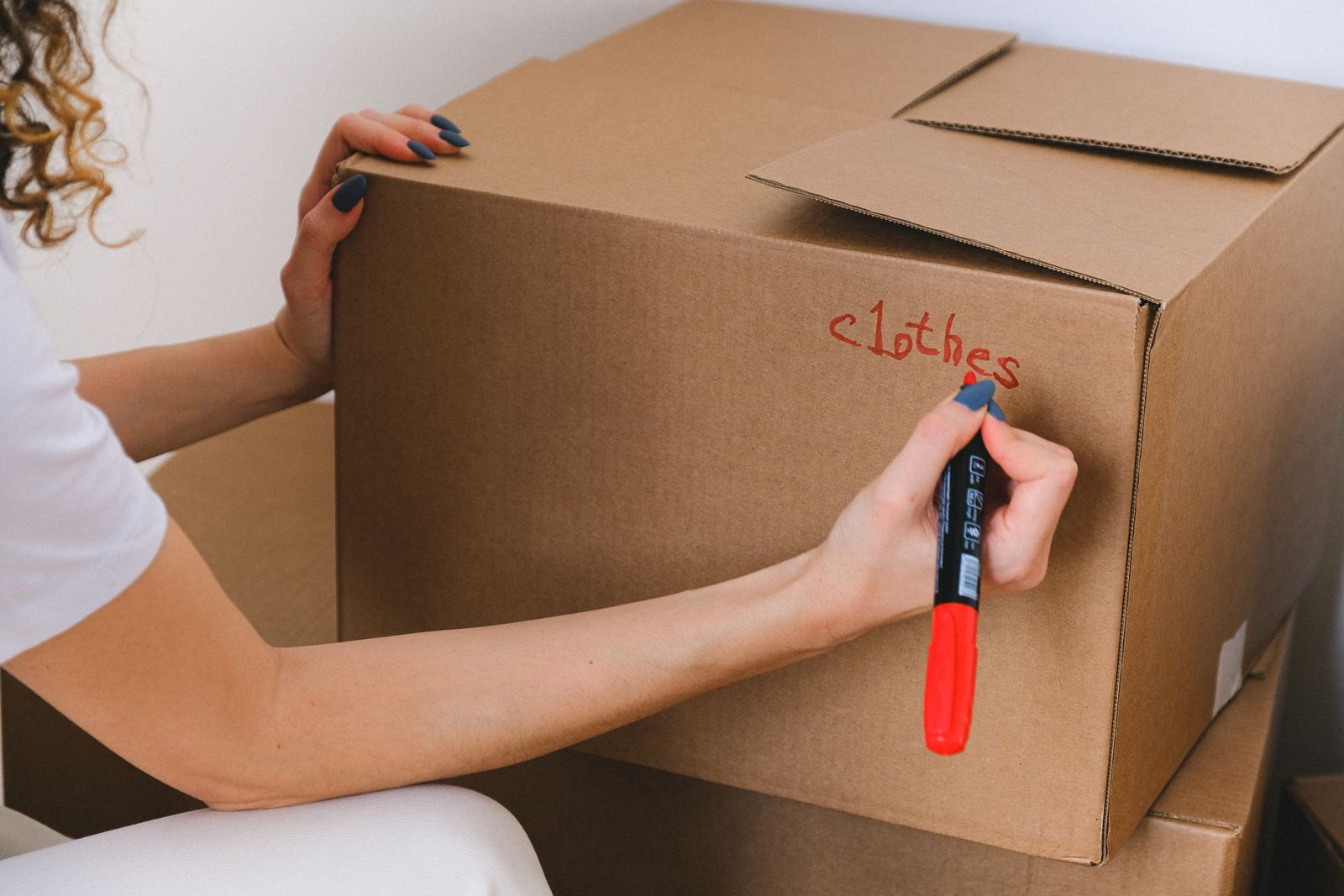
Moving to a new home is exciting. It's the beginning of a fresh chapter, new memories, and new opportunities. But before you start packing boxes and loading the moving truck, there's one important step that can make your entire move easier. Decluttering.
Many homeowners don't realize how much stuff they've accumulated over the years until it's time to move it. Closets are packed with clothes that haven't been worn in years. Garages become storage units for forgotten projects. Kitchen cabinets are filled with gadgets that rarely see the light of day.
The truth is simple. Every item you decide to keep is something you'll need to pack, carry, move, unpack, and find a place for in your new home.
Decluttering before your move saves time, lowers moving costs, helps your home show better if you're selling, and gives you the opportunity to start fresh in your next home.
If you're preparing for a move in Winnipeg, here's how to make the decluttering process simple and manageable.
Start Earlier Than You Think
Decluttering is not something you want to leave until the last weekend before moving day.
Ideally, begin four to six weeks before your move.
Breaking the project into smaller tasks makes it far less overwhelming.
Instead of trying to tackle the entire house in one day, focus on one room or even one closet at a time.
Small wins build momentum, and before you know it, you'll have made significant progress.
Ask Yourself One Simple Question
Every item in your home should answer one simple question.
"Would I buy this again today?"
If the answer is no, it may be time to let it go.
Another helpful question is, "Have I used this in the past year?"
If not, there's a good chance you won't miss it after the move.
Being honest with yourself is one of the most effective ways to reduce unnecessary clutter.
Sort Everything Into Four Categories
As you work through each room, create four categories.
Keep.
Donate.
Sell.
Dispose.
Every item should immediately go into one of these groups.
Avoid creating a "maybe" pile whenever possible.
Those items often end up packed anyway, defeating the purpose of decluttering.
Making decisions as you go keeps the process moving forward.
Begin With the Easy Stuff
Start with areas that have little emotional attachment.
Try spaces like:
Linen closets.
Bathrooms.
Laundry rooms.
Storage shelves.
Pantries.
These rooms allow you to build confidence before moving on to more sentimental belongings like family photos or keepsakes.
Declutter One Room at a Time
Jumping between rooms often creates unnecessary chaos.
Instead, finish one room completely before moving to the next.
Complete one bedroom.
Then move to another.
Finish the kitchen before tackling the garage.
This method helps you clearly see progress and keeps your home organized throughout the process.
Be Honest About Duplicate Items
Many homeowners own multiple versions of the same item.
Extra coffee mugs.
Duplicate kitchen utensils.
Unused small appliances.
Old extension cords.
Multiple sets of tools.
You probably don't need all of them.
Keep the items you regularly use and donate the rest.
Your new kitchen and storage spaces will thank you later.
Sell Valuable Items You No Longer Need
Moving presents a great opportunity to earn extra money.
Furniture.
Sporting equipment.
Electronics.
Outdoor tools.
Collectibles.
These items may have value even if you no longer use them.
Online marketplaces, community groups, and garage sales can help offset some of your moving expenses.
Donate Items in Good Condition
Many items that no longer fit your lifestyle could be incredibly valuable to someone else.
Clothing.
Books.
Kitchenware.
Furniture.
Household décor.
Children's toys.
Donating gently used belongings not only reduces what you have to move but also benefits your local community.
It's a rewarding way to simplify your move while helping others.
Digitize Important Paperwork
Paper clutter can quickly add up.
Old manuals.
Receipts.
Tax records.
Personal files.
Whenever appropriate, scan important documents and store digital copies securely.
You'll reduce paperwork while making documents easier to access in the future.
Always keep original legal documents in a safe place.
Don't Forget the Garage and Basement
Garages and basements often become catch-all storage areas.
Old paint cans.
Broken furniture.
Unused sports equipment.
Holiday decorations.
Construction materials.
These spaces typically contain the largest amount of unnecessary belongings.
Give yourself extra time to sort through these areas carefully.
You'll likely find far more items to donate or dispose of than expected.
Think About Your New Home
As you decide what to keep, picture your new home.
Will that oversized sectional actually fit?
Do you still need patio furniture if you're moving into a condo?
Will your storage needs change?
Thinking ahead helps you make smarter decisions today instead of discovering problems after you've moved.
Decluttering Helps Your Home Sell
If you're selling your current home, decluttering offers another major advantage.
A clean, organized home appears larger, brighter, and more inviting to buyers.
Buyers want to imagine themselves living in the home.
Too much furniture or clutter makes that more difficult.
A tidy home often photographs better, shows better, and leaves a stronger first impression.
Celebrate Progress Along the Way
Decluttering is a marathon, not a sprint.
Celebrate your progress after completing each room.
Take a break.
Enjoy a favorite meal.
Cross another task off your checklist.
Recognizing your accomplishments keeps motivation high as moving day approaches.
Final Thoughts
Decluttering before a major move is one of the smartest things you can do. It reduces stress, lowers moving costs, makes packing easier, and helps you start fresh in your new home.
Rather than viewing decluttering as another chore, think of it as an opportunity. Every item you choose not to move creates more space, more organization, and a simpler beginning in your next home.
By starting early, working room by room, making thoughtful decisions, and focusing on what truly adds value to your life, you'll make moving day significantly more manageable.
A successful move doesn't begin with packing boxes. It begins with deciding what deserves a place in your next chapter.
Whether you're preparing to sell your current home, searching for your next one, or trying to coordinate both at the same time, having an experienced real estate professional by your side makes every step easier.
Ty Mitchell helps Winnipeg homeowners prepare their homes for sale, maximize their property's value, and make every move as smooth as possible. If you're planning your next move and want expert guidance from start to finish, visit https://tysellswpg.com/ and connect with Ty today.