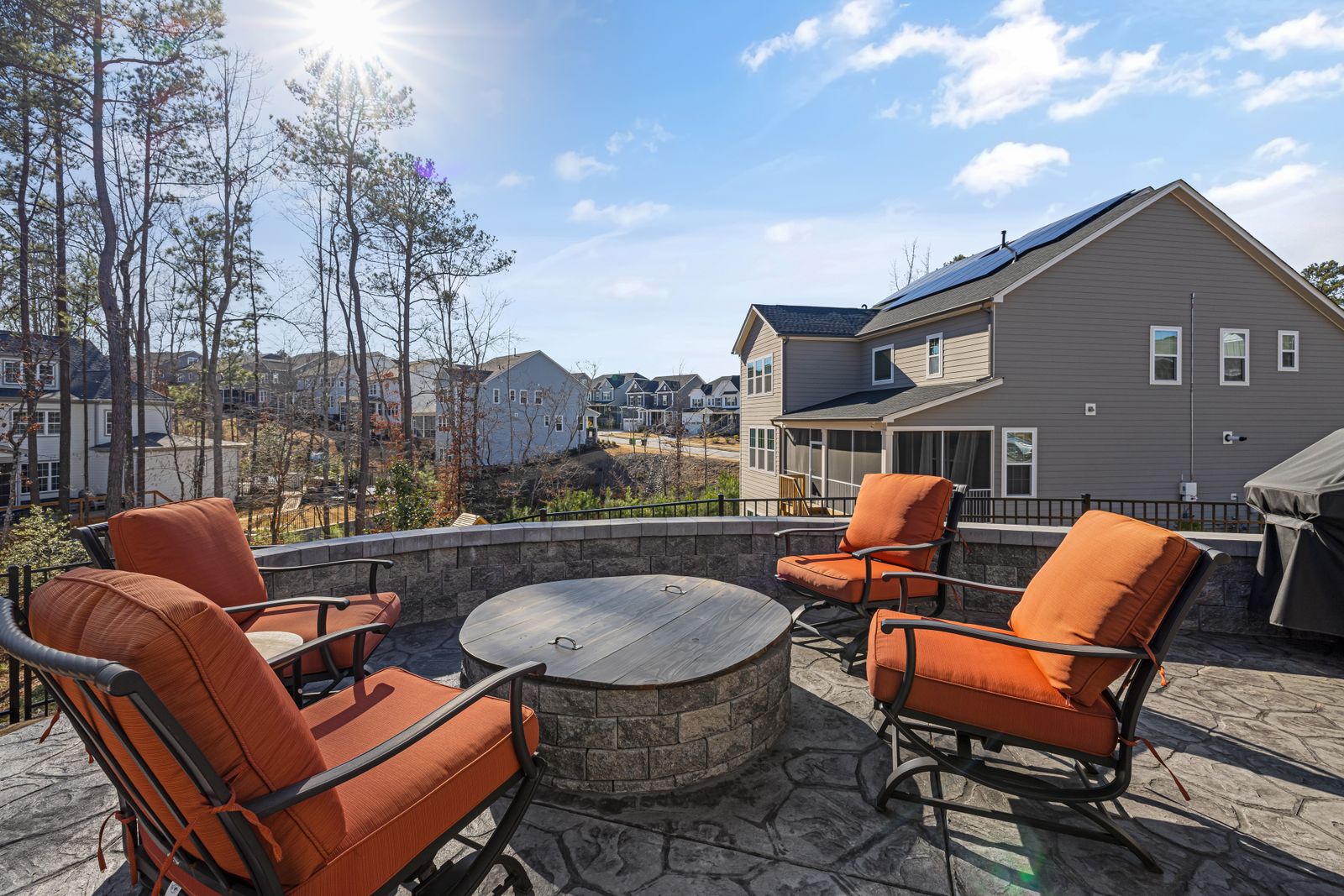
Walking through a home for the first time can be a little dangerous for your budget.
You see the beautiful kitchen and immediately start imagining yourself cooking there. Then you notice the heated floors. The oversized windows. The finished basement. The walk-in pantry. The backyard deck. Suddenly, the home that was comfortably within your budget is starting to feel like it needs every upgrade on the list.
Sound familiar?
When you are buying a home, it is easy to get caught up in features. Some genuinely make your life better and can add meaningful value to a property. Others look impressive but may not be worth paying a premium for, especially if they are not features you will actually use.
The trick is figuring out the difference.
If you are buying a home in Winnipeg, here is how to think about which features are worth prioritizing, which ones deserve a second look, and where it may make sense to save your money.
Start With Your Lifestyle, Not the Listing
Before deciding whether a particular feature is worth the money, ask yourself a simple question.
“Will I actually use this?”
It sounds obvious, but it is surprisingly easy to forget.
Maybe you love the idea of a huge entertaining kitchen, but you rarely cook. Maybe a massive backyard sounds fantastic, but you travel most weekends and do not want to spend your Saturdays maintaining it. Maybe a finished basement would be perfect for your family, but you have no need for another living space.
The best home features for buyers are not necessarily the ones that look the most impressive during a showing. They are the ones that solve problems or improve your everyday life.
Start there.
A Great Layout Can Be Worth More Than Fancy Finishes
One of the most valuable things to look for in a home is something you cannot simply pick up and replace.
The layout.
A home with a practical floor plan can work beautifully for years, even if some of the finishes are dated. On the other hand, an expensive kitchen or beautiful flooring cannot always fix a layout that does not work for your lifestyle.
Think about how the rooms connect.
Is the kitchen positioned where you want it? Is there enough space for your dining table? Does the main living area work for your family? Are the bedrooms located where you would expect them to be? Is there enough storage?
Try to picture your normal routine in the home.
Where will you drop your keys when you walk through the door? Where will groceries go when you come home? Where will the kids leave their backpacks? Where will laundry happen?
These little details can tell you much more about a home's functionality than a list of upgraded finishes.
Storage Is One Feature You Will Probably Appreciate Later
Storage is not necessarily glamorous, but it is one of those things you notice very quickly when you do not have enough of it.
Think closets, pantry space, mudrooms, basement storage, garage storage, and built-in cabinetry.
This can be particularly useful in Winnipeg, where seasonal clothing, boots, winter equipment, sports gear, and outdoor items can take up a surprising amount of space.
A well-designed mudroom, for example, may not sound as exciting as a luxury bathroom. But imagine having a dedicated place for coats, boots, backpacks, and everything else that comes through the door during a Winnipeg winter.
That is a feature you might appreciate every single day.
Energy Efficiency Can Be Worth Paying Attention To
Energy-efficient features can be more than just a nice selling point.
In Winnipeg, where heating is an important consideration during the colder months, things like quality windows, insulation, efficient heating systems, and good overall home construction deserve a closer look.
This does not mean you should automatically pay a huge premium for every energy-efficient upgrade.
Instead, look at the bigger picture.
What condition are the home's major systems in? How old are the windows? What type of heating system does the property use? Are there signs of drafts or inadequate insulation?
Some improvements may provide meaningful comfort and efficiency over time, while others may take much longer to justify their upfront cost.
If energy efficiency is a priority, consider the feature as part of the home's overall condition rather than looking at one upgrade in isolation.
A Finished Basement Can Be Valuable, But Only If You Need It
Finished basements are popular for a reason.
They can provide additional living space, a home office, a playroom, a guest area, a gym, or a place to watch the game without taking over the main floor.
But here is the question buyers should ask.
Do you need the space?
If the answer is yes, a finished basement could be a major benefit. If you are paying significantly more for a finished basement that you barely use, the value becomes less obvious.
Also look beyond whether the basement looks finished.
Pay attention to the quality of the work, the layout, storage, lighting, and overall condition. If applicable, buyers should also ask appropriate questions about permits and renovations.
A finished basement can be a great feature. It just should not automatically become a reason to stretch your budget.
A Double Garage May Be More Important Than You Think
For many Winnipeg buyers, garage space can be a practical feature worth prioritizing.
A garage protects your vehicle from the elements, provides storage, and can give you additional flexibility for tools, sports equipment, bikes, and seasonal items.
But again, consider your actual needs.
If you have two vehicles, a double garage may be significantly more useful than a single garage. If you only have one vehicle and have plenty of storage elsewhere, you may not need to pay a substantial premium for additional garage space.
Location matters here, too.
Think about how easy it is to access the garage, whether there is enough driveway space, and whether the layout works with your vehicles.
Kitchens Matter, But Do Not Overpay for Trends
The kitchen is one of the rooms buyers tend to notice first, and for good reason.
You spend a lot of time there.
However, there is a difference between paying for a functional, quality kitchen and paying a premium simply because the kitchen has the latest design trend.
Look at cabinet quality, storage, counter space, appliances, lighting, and layout.
Ask yourself whether the kitchen works for how you cook and entertain.
A kitchen with a practical layout and good storage may serve you better than a picture-perfect kitchen with finishes you do not particularly care about.
And remember, cosmetic changes can often be made later.
You may be able to change cabinet hardware, light fixtures, paint, backsplash, or other finishes over time without needing to replace the entire kitchen.
Outdoor Space Depends on How You Live
A beautiful backyard can be a fantastic feature.
But it can also become a lot of work.
If you love gardening, entertaining, having people over, or spending summer evenings outside, a great yard may be high on your priority list.
If you would rather spend your weekends doing literally anything other than mowing the lawn, a smaller or lower-maintenance yard might actually be a better fit.
Think about the amount of maintenance involved, too.
A large deck, elaborate landscaping, pool, or extensive garden may look incredible, but these features come with ongoing upkeep and expenses.
Do not just ask whether you like the backyard.
Ask whether you like the lifestyle that comes with maintaining it.
Be Careful With Highly Personalized Features
Some home features are expensive because they are highly customized to the current owner's preferences.
Think specialized hobby rooms, elaborate built-ins, luxury theatre setups, extremely customized kitchens, or unusual renovations.
If you love the feature and know you will use it, that is one thing.
But if you are paying a premium for something that does not fit your lifestyle, think twice.
Highly personalized features may not provide the same value to you as they did to the previous owner.
This is an important distinction when comparing homes.
You are not buying someone else's lifestyle. You are buying a home for your own.
Cosmetic Features Are Usually Easier to Change
One useful rule when comparing homes is to separate cosmetic features from structural or functional ones.
Paint colour? Changeable.
Light fixtures? Usually changeable.
Cabinet hardware? Changeable.
Flooring? Changeable, although it can be a bigger project.
Layout? Much harder.
Location? You are definitely not changing that.
Major systems? Potentially expensive to replace.
This does not mean cosmetic features have no value. A beautifully finished home can save you time, money, and renovation headaches.
But if you are choosing between a home with beautiful finishes in a less practical layout and a home with dated finishes but a fantastic layout, it may be worth considering the second option.
Look at the Cost of Changing the Feature Later
One of the best ways to decide whether a feature is worth paying for is to ask yourself how difficult it would be to add later.
If a home has a feature you really want, find out whether it would be realistic to add after you purchase.
For example, replacing a light fixture is relatively straightforward. Creating additional structural space may be considerably more complicated.
The same principle applies to things like bathrooms, garages, windows, landscaping, and major renovations.
You do not need an exact renovation quote for every home you see, but understanding which improvements are relatively easy and which ones are expensive can help you compare properties more intelligently.
Do Not Forget About the Cost of Ownership
The purchase price is not the only number that matters.
A feature may be attractive but come with ongoing costs.
A large yard requires maintenance. A pool requires upkeep. Older systems may require repairs. Extensive landscaping can require regular care. A large home generally means more space to heat, maintain, and eventually repair.
Before paying extra for a feature, think about both the upfront cost and the long-term cost.
A home that costs slightly more but is efficient and easy to maintain could potentially make more sense than a cheaper home loaded with features that require significant ongoing expenses.
Make a “Must Have” and “Nice to Have” List
Before you start seriously comparing homes, create two lists.
Your first list should include the features you genuinely need.
Maybe that means three bedrooms, a garage, a home office, a specific number of bathrooms, or a particular type of location.
Your second list should include the features you would love to have but could live without.
Maybe that is a large island, finished basement, walk-in pantry, fireplace, or oversized backyard.
This distinction can make the buying process much easier.
When you find a home that checks every box on your “must have” list but misses a few items on your “nice to have” list, you may have actually found a better fit than you realize.
The Most Expensive Feature Is Not Always the Most Valuable
When buying a home, it is easy to assume that more expensive automatically means better.
It does not.
The value of a feature depends on how useful it is to you, how difficult it would be to add later, how much it costs to maintain, and how it fits into the overall property.
A beautiful feature that you rarely use may not be worth stretching your budget for.
Meanwhile, something as simple as good storage, a functional layout, a convenient garage, or energy-efficient construction could make your life easier every single day.
That is where smart buying comes in.
You are not trying to find the house with the longest list of upgrades. You are trying to find the house with the right features for you.
Looking for a Winnipeg Home That Fits Your Priorities?
Finding the right home is not about checking every possible box. It is about figuring out which boxes actually matter.
If you are buying a home in Winnipeg, it helps to have someone who can look beyond the shiny finishes and help you think about the bigger picture. A beautiful kitchen is great, but so is a practical layout. A finished basement is useful, but only if you will use it. A huge backyard is wonderful, but only if you want the maintenance that comes with it.
The goal is to spend your money where it will make the biggest difference to your life.
When you are ready to start comparing homes and figuring out which features are actually worth paying for, connect with Ty Mitchell. With local Winnipeg experience and a practical approach to real estate, Ty can help you look at the whole picture so you can make a decision that feels right for both your lifestyle and your budget.