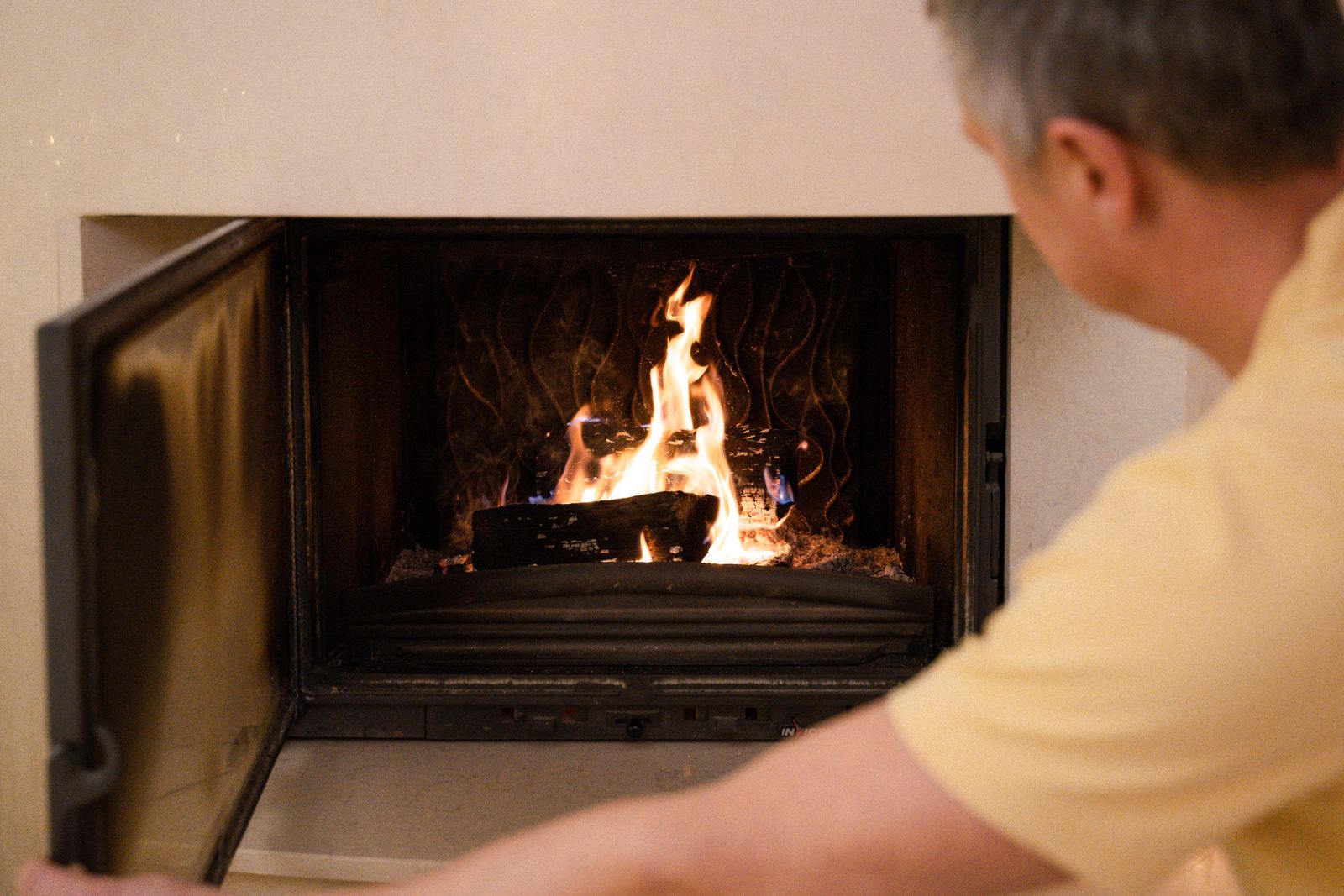
In Winnipeg, your furnace isn't exactly a minor supporting character in your home.
It is a pretty important job.
Once the temperatures start dropping, your furnace goes from something you barely think about to one of the hardest-working systems in the house. And when a Winnipeg winter decides to make an appearance, the last thing you want is to discover that your furnace has other plans.
Fall is the perfect time to give your heating system some attention.
You don't have to become a furnace expert or spend an entire weekend taking your heating system apart. A few simple checks, combined with professional maintenance when needed, can help you prepare your home for the colder months and catch potential problems before you're standing in your kitchen wearing a winter coat indoors.
Here's what Winnipeg homeowners should know about fall furnace maintenance.
Why Fall Is the Right Time to Check Your Furnace
The best time to discover a furnace problem is before you actually need the furnace.
That might sound obvious, but it's easy to put maintenance off when your home is still comfortable.
Then the first cold snap arrives.
Suddenly everyone in Winnipeg is calling for furnace service, and you're hoping someone can squeeze you into the schedule.
Fall gives you a useful window to make sure your heating system is ready before it has to work around the clock.
It's also easier to identify small problems when you're not dealing with an emergency.
Think of fall furnace maintenance as a little preparation that could save you a much bigger headache later.
Start With the Furnace Filter
One of the simplest things homeowners can check is the furnace filter.
A dirty filter can restrict airflow, which can make your system work harder and potentially affect its performance.
Check your filter and replace it when necessary according to the manufacturer's recommendations.
How often a filter needs to be replaced depends on the type of filter, your home, pets, indoor air quality, and other factors.
Don't assume there's one universal schedule that applies to every home.
If you're not sure what type of filter your system uses or when it should be replaced, check the manufacturer's instructions or ask a qualified HVAC professional.
And don't forget about the replacement filter you bought six months ago and left sitting in the utility room.
This is your sign.
Make Sure Your Vents Are Clear
Take a walk around your home and look at your heating vents and registers.
Are they blocked by furniture?
Are they covered by rugs?
Are they packed with dust and debris?
Make sure air can move freely.
You don't necessarily need to rearrange your entire living room, but if a sofa is sitting directly over a register, you're not exactly helping your heating system distribute warm air efficiently.
Also check return air vents.
These are easy to overlook because they aren't blowing warm air toward you, but they're an important part of your home's heating system.
Keep them clear and accessible.
Test Your Thermostat
Your thermostat is basically the command centre for your heating system, so make sure it is working properly before winter arrives.
Test the heat and pay attention to whether the furnace starts and stops as expected.
If your thermostat uses batteries, check them and replace them if necessary.
If you have a programmable or smart thermostat, fall is also a good time to review your settings.
Make sure your schedule still makes sense for your household.
There is no point heating an empty house to the same temperature all day if everyone is out at work or school, although comfort and system requirements should always be considered.
If the temperature displayed on your thermostat doesn't seem to match how your home actually feels, it may be worth having the system checked.
Pay Attention to Strange Sounds
Furnaces make noise.
That's normal.
But you probably know what your furnace usually sounds like.
If you suddenly hear banging, rattling, squealing, grinding, buzzing, or other unusual sounds, don't simply turn up the television and hope they disappear.
New or unusual noises can be a sign that something needs attention.
It doesn't necessarily mean you're facing a major repair.
Sometimes the issue is relatively simple.
But the point is to catch it early rather than waiting until the furnace stops working completely.
Your furnace doesn't get extra points for dramatic timing.
Check for Unusual Smells
Some smells can be normal when you first turn on a furnace after a period of inactivity, particularly if dust has accumulated.
However, unusual or persistent smells should not be ignored.
If you notice a strong burning smell, gas odour, electrical smell, or anything that seems unusual, turn off the system if appropriate and seek professional assistance.
If you ever suspect a gas leak, leave the area and contact the appropriate emergency service or utility provider.
Carbon monoxide is another serious concern for homeowners with fuel-burning heating systems.
Make sure your carbon monoxide detectors are installed appropriately and functioning properly.
This is one area where being overly cautious is absolutely reasonable.
Schedule Professional Furnace Maintenance
There are plenty of basic things homeowners can check themselves, but furnace maintenance isn't entirely a DIY project.
A qualified HVAC professional can inspect and service the system according to the manufacturer's recommendations and the needs of your particular furnace.
Professional maintenance may include inspecting components, checking operation, examining connections, cleaning certain parts, and identifying issues that aren't obvious to a homeowner.
If your furnace is older, has a history of problems, or hasn't been serviced in a long time, professional attention may be especially worthwhile.
Don't wait until the coldest day of the year to make the appointment.
Fall is usually a much better time to get ahead of the rush.
Check the Area Around Your Furnace
Take a look at the area surrounding your furnace.
Is it crowded with boxes, paint cans, storage bins, or other household items?
Your mechanical room isn't the place to create a mini storage facility.
Keep the area around the furnace clear and accessible.
This makes maintenance easier and ensures the equipment has the appropriate space required by the manufacturer and applicable safety requirements.
If you're unsure about clearance requirements, ask a qualified professional rather than guessing.
Check Your Exhaust and Intake Pipes
If your heating system has exterior intake or exhaust pipes, make sure they're not blocked.
Snow, ice, leaves, or other debris can potentially interfere with certain systems.
Because Winnipeg winters can bring significant snow and ice, it's worth knowing where these pipes are located before the weather gets serious.
Do not modify or block these openings.
If you notice an obstruction or aren't sure whether something looks correct, have it checked by a qualified professional.
A five-minute inspection can be much easier than troubleshooting a heating problem during a major snowstorm.
Don't Ignore Your Chimney
If your home has a traditional fuel-burning furnace or other appliance that vents through a chimney, make sure the chimney and venting system receive the appropriate inspection and maintenance.
Different heating systems have different requirements, so don't assume that every home needs the exact same maintenance routine.
If your home has a chimney, fireplace, wood stove, or other combustion appliance, follow the manufacturer's recommendations and have the system professionally inspected or cleaned when appropriate.
Proper venting is a safety issue, not just a maintenance issue.
Look at Your Ductwork
You don't necessarily need to crawl through every inch of your home's ductwork.
However, you can pay attention to obvious issues.
Are there accessible ducts with visible gaps or damage?
Are some rooms consistently much colder than others?
Do you notice unusual airflow?
Does one area of the house never seem to warm up properly?
These observations can help you identify whether something needs further investigation.
If you have a room that has always been cold, don't automatically assume that's just how the house is.
There may be a heating or insulation issue worth investigating.
Check Your Home's Airflow Before Blaming the Furnace
Sometimes a home feels cold and the immediate reaction is, “The furnace isn't working.”
But the furnace isn't always the problem.
Drafty windows, poorly sealed doors, inadequate insulation, blocked vents, and other issues can affect how comfortable your home feels.
Take a broader look at the house.
Are certain rooms noticeably colder?
Do you feel drafts around windows?
Is warm air escaping through an exterior door?
Does the basement feel significantly colder than the main floor?
Your furnace may be working perfectly while your home's overall efficiency needs attention.
Understanding the difference can save you from spending money on the wrong solution.
Consider Your Furnace's Age
If you've lived in your home for several years, you may already know roughly how old your furnace is.
If you don't, look for the manufacturer's information or ask a qualified HVAC professional.
Age doesn't automatically mean a furnace needs to be replaced.
A well-maintained older system may continue to operate reliably, while a newer system can still develop problems.
However, knowing the age of your furnace helps you plan.
If your system is getting older and repair costs are becoming more frequent, it may be worth discussing your options before it becomes an emergency.
Replacing a furnace is a significant expense, so planning ahead is generally more comfortable than having to make a rushed decision in the middle of winter.
Don't Forget Your Carbon Monoxide Detectors
This deserves its own reminder.
If your home has fuel-burning appliances, carbon monoxide detection is an important part of household safety.
Test your detectors and make sure they are functioning properly.
Replace batteries when required and follow the manufacturer's recommendations regarding detector replacement.
Make sure everyone in the household knows what the alarm means and what to do if it activates.
Heating season is a good annual reminder to check.
Keep Your Furnace Records
If you've had your furnace serviced, repaired, or replaced, keep the documentation.
Save invoices, maintenance records, warranties, and relevant manuals.
This can be useful for your own future reference.
It can also be valuable if you eventually sell your home.
Buyers may have questions about major systems, and having documentation showing that equipment has been properly maintained can make those conversations easier.
You don't need a giant filing cabinet dedicated entirely to your furnace.
A simple organized digital folder can do the job.
What About Furnace Maintenance If You're Planning to Sell?
If you're thinking about selling your Winnipeg home, the condition of your furnace is worth considering as part of the overall property.
You don't necessarily need to replace an older furnace simply because you're selling.
That's a decision that should be based on the condition of the system, its expected lifespan, repair history, market expectations, and your overall selling strategy.
However, making sure the furnace is functioning properly and keeping maintenance records can be helpful.
Heating is not exactly an optional feature in Winnipeg.
Buyers are likely to pay attention to the home's major systems, particularly when they're considering the costs of ownership.
A furnace that has been maintained and documented can give buyers more information and potentially reduce uncertainty.
Don't Wait for the First Big Snowfall
There is a pattern with seasonal maintenance.
The task seems incredibly important once everyone else realizes they need it.
Suddenly, furnace technicians are busy.
Snow removal companies are booked.
Hardware stores are full of people buying supplies.
And everyone is standing in line thinking, “I should have done this two weeks ago.”
Don't be everyone.
Take care of your furnace before winter arrives.
Check the filter.
Clear the vents.
Test the thermostat.
Listen for unusual sounds.
Look for unusual smells.
Check accessible exterior venting.
Make sure carbon monoxide detectors work.
Schedule professional maintenance when appropriate.
And keep your records.
Final Thoughts
Fall furnace maintenance isn't about guaranteeing that your furnace will never have a problem.
Unfortunately, homes don't come with that guarantee.
It's about improving your chances of catching problems early, keeping your system maintained, and making sure your home is ready before Winnipeg's temperatures really start to drop.
Your furnace is one of the most important systems in your home, so give it some attention before you need it working overtime.
And if you're preparing your home for more than just winter, this is also a good time to look at the bigger picture.
If you're thinking about selling your home and wondering whether your furnace, heating system, or other major home components could affect your sale, you don't have to figure it out on your own. The right approach depends on your home's condition, your timeline, your budget, and what buyers are likely to value in the current Winnipeg market.
Before you spend money replacing or upgrading major systems, let's talk about what could actually make a difference. Ty Mitchell can help you look at your home's condition from a buyer's perspective, prioritize improvements that may be worth considering, and create a practical plan for getting your property ready to sell.
Thinking about selling your home in Winnipeg? Get in touch with Ty Mitchell today and let's talk about your next move.