You find a Winnipeg home you really like.
The location works. The layout makes sense. The backyard is great. The kitchen has potential. You can actually picture yourself living there.
Then you find out the furnace is 18 years old.
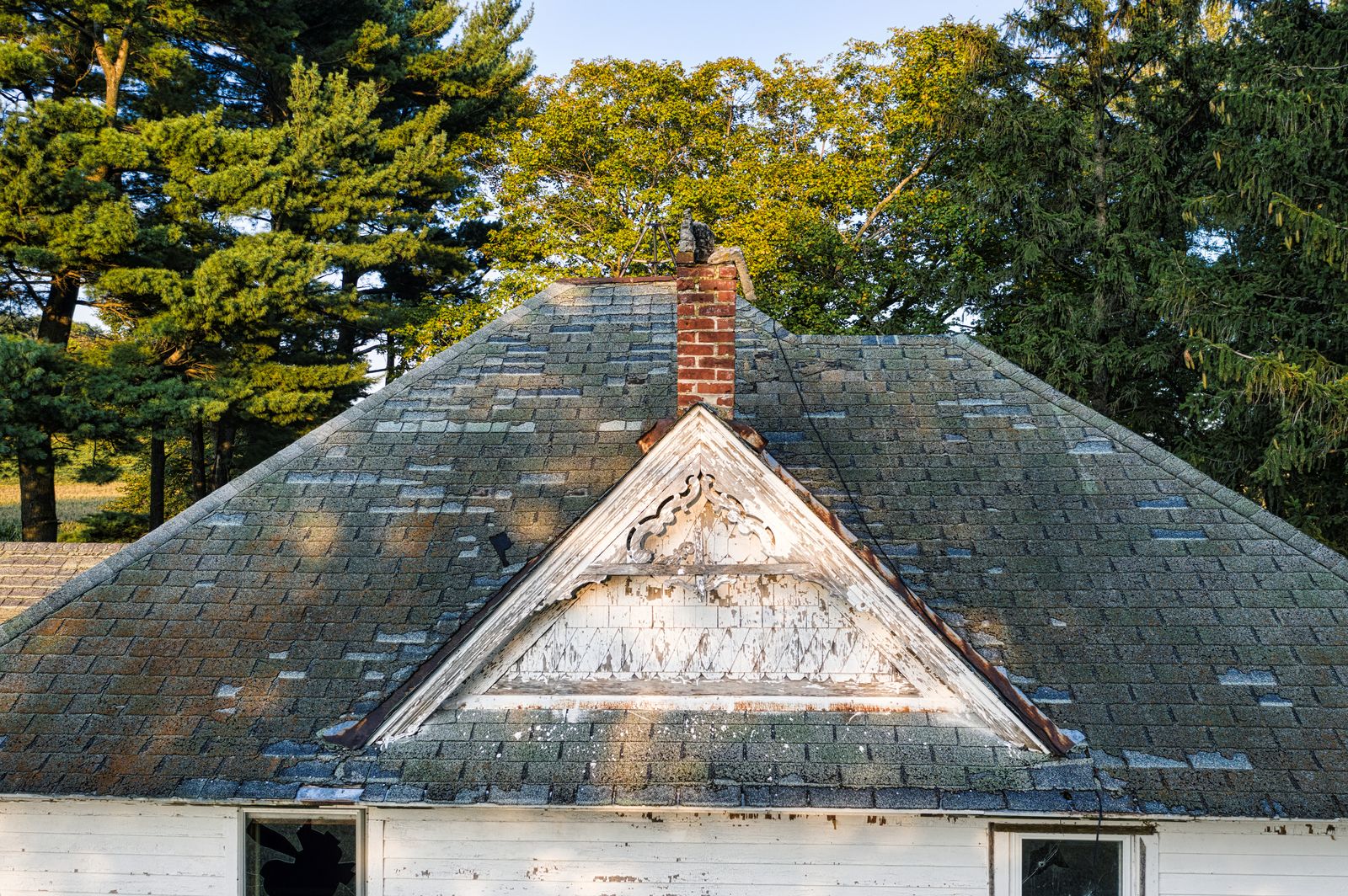
The roof is getting up there in age, too.
And the windows? Let's just say they aren't exactly fresh out of the showroom.
Does that mean you should walk away?
Not necessarily.
Buying a home with older major components isn't automatically a bad decision. In fact, plenty of well-maintained Winnipeg homes have older furnaces, roofs, windows, and other systems that still have useful life left in them.
The important thing is understanding what you're actually buying.
An older furnace isn't necessarily a broken furnace. An older roof isn't necessarily a leaking roof. And older windows aren't automatically a reason to reject a house.
The question is whether you understand their condition, their likely remaining lifespan, and what those future expenses could mean for your budget.
Here's what Winnipeg buyers should know.
First, Don't Confuse "Old" With "Bad"
This is probably the biggest thing to remember.
Age matters, but condition matters, too.
A furnace that's 15 years old but has been regularly serviced and is operating properly could be in better shape than a newer furnace that hasn't been maintained.
The same idea applies to a roof or windows.
When you're buying a home, you don't necessarily need everything to be new. You need to know what condition everything is in.
That's why it's important not to panic the moment you see an older furnace sticker or discover that the roof hasn't been replaced recently.
Instead, start asking questions.
How old is it?
Has it been maintained?
Has it needed major repairs?
Are there records?
Is there anything currently wrong with it?
How much useful life might reasonably remain?
Those questions are much more helpful than simply asking whether something is "old."
Buying a Home With an Older Furnace
Let's start with one of the most important systems in a Winnipeg home.
The furnace.
Winnipeg winters don't exactly give your heating system an easy job. Your furnace is working hard for a significant portion of the year, so its condition deserves serious attention when you're buying a home.
If the furnace is older, ask the seller or listing agent when it was installed and whether it has been serviced regularly.
Look for maintenance records if they're available.
During a showing, you may also notice how the furnace sounds while running. Unusual banging, rattling, grinding, or other strange noises are worth asking about.
That doesn't mean you should try to diagnose the furnace yourself. You're not auditioning for a job at an HVAC company.
You're simply looking for clues and gathering information.
A professional inspection can provide a much better assessment of the system.
What Does an Older Furnace Mean for Your Budget?
This is where buyers need to think beyond the purchase price.
If a furnace is older, you may not have to replace it immediately. But you should understand that replacement could become an expense during your ownership.
That doesn't necessarily mean you need to walk away from the property.
Instead, consider whether your budget has room for future repairs or replacement.
This is especially important if you're already stretching your budget to purchase the home. A furnace replacement that might be manageable for one homeowner could be a major financial headache for another.
When you're comparing homes, don't just compare the mortgage payment.
Consider the condition of the major systems, too.
Buying a Home With an Old Roof
Next up, the roof.
The roof is one of those things most buyers don't spend much time thinking about until someone tells them it needs to be replaced.
Then suddenly, it's all you can think about.
If the roof is older, ask when it was installed and whether it has been repaired or replaced in sections.
During your showing, look for obvious signs of water damage inside the home, particularly on ceilings and upper-level walls.
From the exterior, you may be able to spot missing, damaged, curled, or visibly worn shingles, although a proper roof assessment should be left to a qualified professional.
You also want to consider the home's attic and ventilation if those areas are accessible and appropriate to inspect.
Again, the goal isn't to decide from a five-minute walkthrough that the roof has exactly three years and four months left.
That's not how this works.
The goal is to identify whether the roof deserves further investigation.
An Older Roof Doesn't Automatically Mean "Run"
Here's where buyers sometimes get themselves into trouble.
They hear, "The roof is 12 years old," and immediately assume the home is a bad investment.
But roof age alone doesn't tell the whole story.
The type of roofing material, installation quality, weather exposure, maintenance, ventilation, and overall condition can all affect its lifespan.
A roof that's older but properly maintained may still have useful life remaining.
On the other hand, a roof that's technically younger could have problems if it was poorly installed or damaged.
That's why getting a professional opinion can be much more useful than relying on a generic lifespan estimate you found online.
What About Older Windows?
Windows are another common concern, especially in older Winnipeg homes.
Older windows may not provide the same energy efficiency as newer models, but that doesn't automatically mean every window needs to be replaced.
Look for visible damage, cracked glass, deteriorated frames, moisture between panes, difficulty opening or closing windows, and obvious drafts.
You can also pay attention to how comfortable the room feels during the showing.
Are certain rooms noticeably colder?
Does the area around the window feel drafty?
Are there signs of condensation or moisture?
These observations can help you decide whether the windows deserve closer attention.
Older Windows Can Affect More Than Energy Efficiency
Energy efficiency is one consideration, but it's not the only one.
Windows can also affect comfort, noise, moisture management, and the overall condition of the surrounding walls and trim.
If older windows have been allowing moisture into the home, there could potentially be damage beyond the window itself.
That doesn't mean every older window is a problem.
It means you should understand what you're dealing with before making a decision.
And if you're buying an older home, don't forget to ask whether any windows have already been replaced. You may find that some are newer while others are original.
Ask for the Maintenance History
This is one of the easiest ways to get more context.
Ask what work has been completed on the furnace, roof, windows, plumbing, electrical, and other major components.
If the homeowner has invoices, warranties, service records, or receipts, those can be useful.
You might discover that the furnace is older but has been serviced every year.
You might find out that the roof is older but has been repaired and maintained.
You might learn that half the windows were replaced five years ago.
Those details can completely change how you look at the property.
A house isn't a collection of installation dates. It's a property with a history.
Understanding that history can help you make a better decision.
Get a Home Inspection
If you're considering buying a home with an older furnace, roof, or windows, a professional home inspection can be especially valuable.
A home inspector can examine the home's major components and identify visible concerns that may not be obvious during a regular showing.
An inspection isn't designed to predict exactly when something will fail. No one has a crystal ball for furnaces and roofs.
Instead, it can help you better understand the current condition of the property and identify areas that may need attention.
That's useful information before you're fully committed to the purchase.
If the inspection identifies a significant concern, you can then discuss your options with your real estate professional and other appropriate professionals.
Think About the Timing, Not Just the Cost
Here's another important consideration.
Let's say the furnace is old, the roof is getting older, and the windows aren't exactly new.
You don't necessarily have three immediate replacement projects.
But what happens if all three need attention within a few years?
That's when timing becomes important.
Imagine buying the house and then discovering that the furnace needs replacing during your first winter, followed by a roof issue the following spring.
Even if the home was affordable on paper, those expenses could create some serious financial pressure.
When evaluating an older home, think about the potential maintenance timeline.
You may be comfortable with one major expense.
You may not be comfortable with three.
Knowing the difference can help you decide whether the property fits your financial situation.
Could an Older Home Give You Negotiating Room?
Sometimes.
The condition of major components can become part of the conversation when you're making an offer.
If a home has an older roof, furnace, or windows, that doesn't automatically mean the seller has to replace them before selling.
Real estate negotiations depend on the overall situation, including market conditions, the property's price, competing offers, the condition of the home, and the specific issue involved.
But if a professional inspection identifies a significant concern, that information may become relevant to your negotiations.
This is where having an experienced real estate agent can be helpful.
You want someone who can help you understand the situation without turning every aging component into a five-alarm emergency.
Don't Forget About Your Long-Term Plans
Think about how long you expect to own the property.
If you're planning to stay for 10 years, an older roof may become your problem at some point.
If you're buying the property as a shorter-term home, your priorities may be different.
The same applies to windows and mechanical systems.
Your decision should consider not only whether the home works for you today, but whether it still makes sense for your plans several years from now.
That's one of the reasons buying a home is more than simply finding a house you like.
You're buying the future maintenance responsibilities that come with it, too.
So, Should You Buy a Home With Older Major Components?
Maybe.
And that's actually the honest answer.
An older furnace, roof, or windows shouldn't automatically eliminate a property from your list.
Instead, ask yourself:
What condition are they in?
Have they been maintained?
Are there records available?
What repairs might be needed?
What replacement expenses could eventually come up?
Can your budget handle those expenses?
Does the home's price make sense considering its overall condition?
And most importantly, have you had the property properly assessed?
The right house isn't necessarily the one with the newest furnace, newest roof, and newest windows.
It might be the older home that's been well maintained, priced appropriately, and fits your lifestyle and financial plans.
The Bottom Line for Winnipeg Buyers
Buying a home with older major components isn't necessarily a deal breaker.
It simply means you need to do a little more homework.
Look beyond the cosmetic updates. Ask questions. Review maintenance history. Pay attention during showings. Get a professional inspection. Think about future costs and how they fit into your budget.
And don't let the word "old" automatically scare you.
Older doesn't always mean bad.
Sometimes it means the home has history, character, and a few components that are simply getting closer to the end of their useful life.
The important thing is knowing what you're getting into before you make the purchase.
If you're searching for a home in Winnipeg and you're not sure how to evaluate an older property, Ty Mitchell can help you look beyond the surface and ask the right questions. The goal isn't just to find a house you love. It's to find a home that makes sense for your lifestyle, your plans, and your budget.