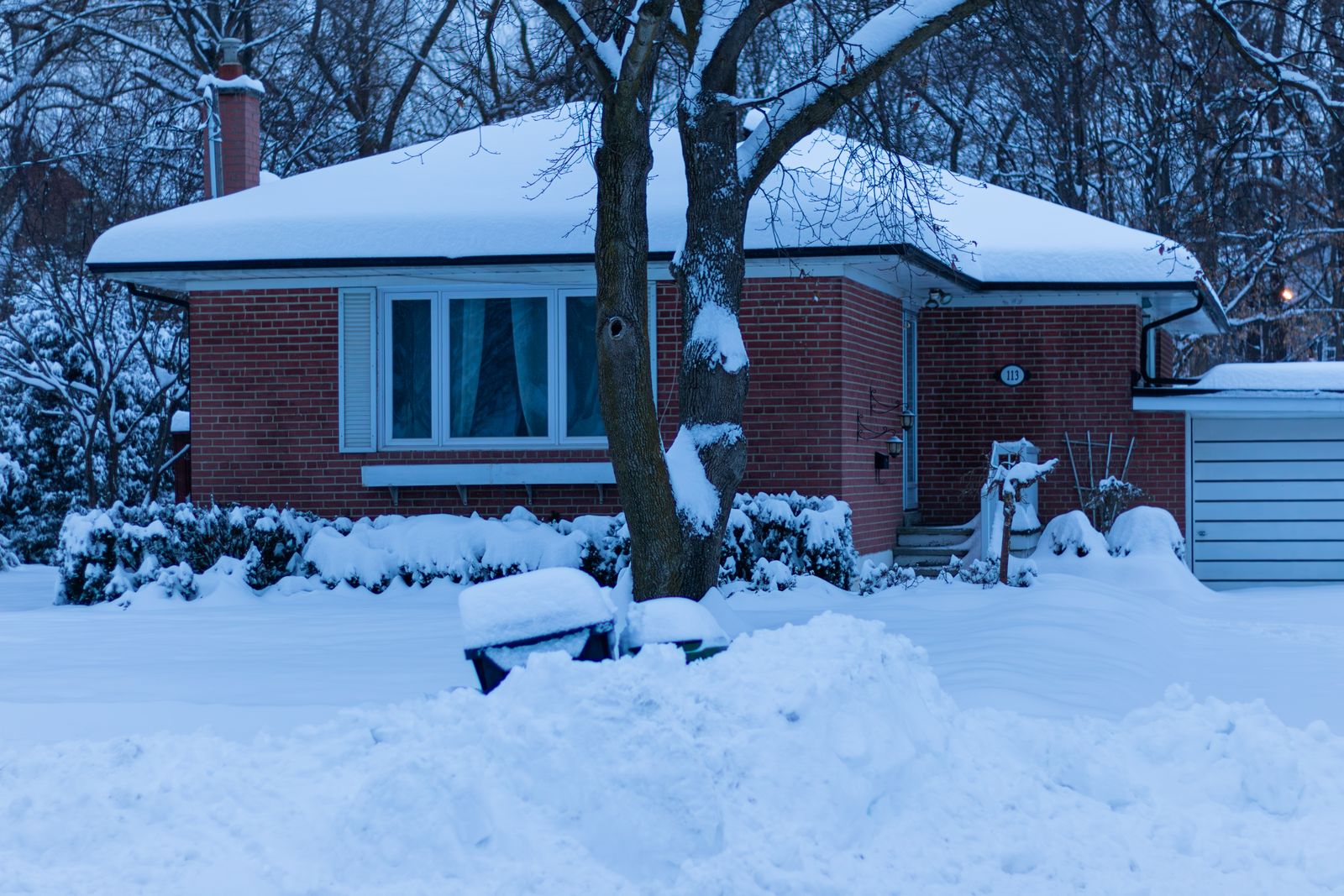
If you live in Winnipeg, you know a major snowstorm can turn an ordinary day into a full winter adventure. One minute, you are planning your errands. Next, your driveway is buried, your front steps have disappeared under a fresh layer of snow, and going outside feels like a workout you never signed up for.
Once the snow finally settles, it is tempting to grab a shovel, clear a path to the garage, and get on with your day. But after a significant snowfall, there are a few things around your home worth checking before you settle back into your regular routine.
Heavy snow, strong winds, drifting, and freezing temperatures can affect more than your driveway. They can block furnace vents, hide slippery walkways, put additional weight on certain structures, and create conditions that may lead to water problems when the snow begins to melt.
The good news is that you do not need to inspect every inch of your property or climb onto your roof to be a responsible homeowner. A simple, safety-first check can help you spot potential issues and decide whether something needs attention.
Here is what Winnipeg homeowners should check after a major snowstorm, along with practical tips for keeping their homes safe and ready for the next round of winter weather.
1. Check Your Furnace and Exhaust Vents First
Before focusing on the driveway or outdoor decorations, take a look at the exterior vents serving your home's heating and ventilation equipment.
Depending on your home's setup, high-efficiency furnaces and other appliances may have intake or exhaust pipes that exit through an exterior wall. Snowdrifts can cover or obstruct these openings, especially after a storm with strong winds.
Blocked vents can interfere with proper appliance operation and, in some circumstances, create dangerous conditions. Carbon monoxide is an invisible, odourless gas, so it is important not to rely on smell or appearance to identify a problem.
From a safe position at ground level, check whether visible vents are clear. Follow the appliance manufacturer's instructions for maintaining the required clearance, and remove snow carefully without pushing it into the openings or damaging the pipes.
Never climb over deep snow or use improvised equipment to reach an elevated vent. If you suspect a vent is blocked in a way you cannot safely address, contact a qualified heating professional.
Make sure your carbon monoxide alarms are installed and functioning according to their instructions. If a carbon monoxide alarm sounds, leave the building and contact emergency services from outside.
This small check deserves to be near the top of your post-storm list because your heating system is working hard during Winnipeg's coldest weather.
2. Look for Unusual Snow Accumulation on the Roof
A fresh blanket of snow can make a house look like a winter postcard, but heavy accumulation deserves attention. The amount of snow on a roof does not automatically indicate a problem. Roof design, snow density, drifting, and the building's structural condition all affect how much load it can safely handle.
After a major storm, look at your roof from the ground. Pay attention to unusual snowdrifts, large accumulations in valleys, visible sagging, damaged gutters, or changes in the roofline that were not there before.
Also watch for warning signs inside the home, such as new ceiling cracks, unusual creaking, doors that suddenly stick, or water stains. These signs do not always mean a roof is overloaded, but they should not be ignored.
If you notice apparent structural movement or suspect a serious roof-load issue, keep people away from the affected area and seek urgent advice from a qualified professional.
Do not climb onto a snow-covered roof to measure the accumulation or attempt to remove it yourself. Roofs are slippery, hidden edges can be difficult to see, and snow removal can be dangerous without proper equipment and training.
For ordinary winter maintenance, focus on observation and prevention. If your property has recurring heavy drifting or roof drainage concerns, a roofing professional can help you understand the appropriate steps for your particular home.
3. Make Sure Your Driveway and Walkways Are Safe
Your driveway might be the first thing you want to clear after a storm, especially if you need to get to work or take the kids somewhere. Before you start, check the area for hidden hazards.
Snow can cover uneven paving stones, cracks, outdoor extension cords, garden edging, and objects left near the entrance. Clear a manageable path first, taking care around steps and changes in elevation.
Use a suitable shovel or snow-clearing tool, and pace yourself. Heavy, wet snow can be physically demanding. Push smaller amounts where practical instead of lifting large loads, and take breaks as needed.
Once the main path is clear, apply an appropriate ice-control product or traction material where needed. Follow the product instructions, especially around concrete, pets, plants, and nearby drainage areas. Sand or other suitable traction materials may help improve grip without relying entirely on chemical deicers.
Pay particular attention to the front steps, walkway to the garage, and route to garbage and recycling bins. These areas can become slippery when packed snow is walked over repeatedly.
If you have a long driveway, a steep slope, or mobility concerns, consider arranging professional snow removal before the next major storm. Keeping access routes safe is not just about convenience. It helps reduce the risk of slips and falls around your home.
4. Inspect Doors, Windows, and Exterior Walls for Damage
Strong winds can drive snow against the exterior of a home and push it into places where it would not normally accumulate. After a storm, check doors, windows, and exterior walls for visible signs of damage or air leaks.
Look for loose trim, damaged weatherstripping, cracked window glass, or areas where snow has collected against an exterior door. Check whether doors close and latch properly, and look for visible gaps around the frames.
Inside the home, notice whether a particular room suddenly feels much colder than usual. A draft may be caused by worn weatherstripping, a gap around a frame, or another issue that becomes more noticeable during windy weather.
Avoid assuming every cold window means the window needs replacing. Air leakage, indoor humidity, window design, and insulation can all influence comfort.
If you discover damaged glass, loose exterior components, or signs of water entering around a frame, arrange appropriate repairs. Temporary measures may help limit exposure, but significant damage should be assessed by a qualified professional.
These checks are particularly useful for older homes, where exterior materials and seals may need periodic maintenance.
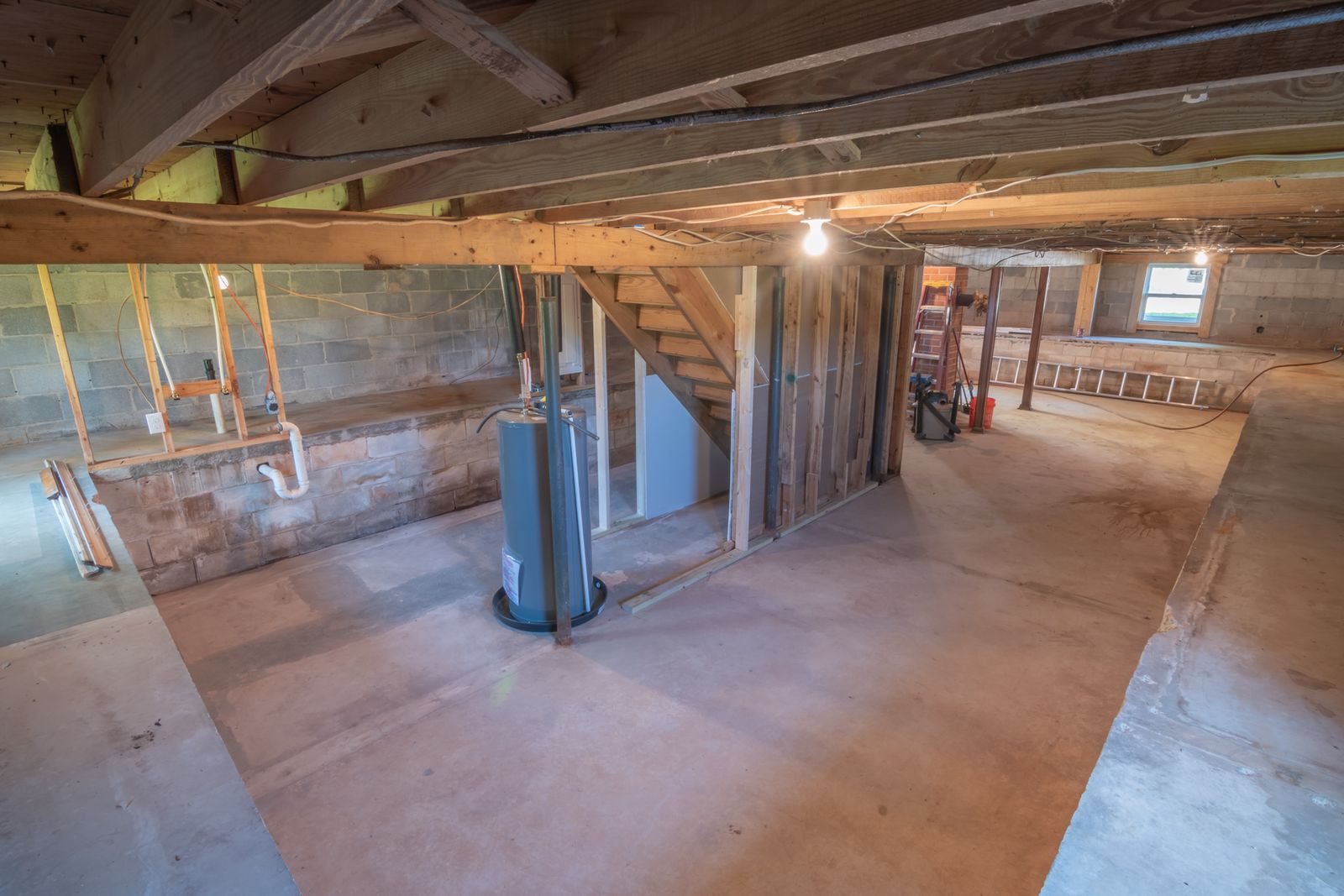
5. Check Your Basement for Signs of Water Intrusion
A snowstorm may seem like a problem for the present, but it can also set the stage for water issues later. When accumulated snow starts melting, the resulting water needs somewhere to go.
After the storm, look around the exterior of your home for snow piled against the foundation, blocked drainage paths, or downspouts buried under snow. When conditions allow, make sure melting water can move away from the house rather than collecting beside it.
Inside, keep an eye out for damp patches, water stains, musty smells, or unexpected moisture around basement walls and floors. These signs can have several causes, including existing drainage problems, plumbing leaks, or water entering from outside.
If your home has a sump pump, check that the area around it is accessible and follow the manufacturer's guidance for inspection and maintenance. Do not attempt electrical repairs or work on equipment in standing water.
It is also worth checking that basement floor drains and other drainage points are not obstructed by stored items.
You do not need to panic every time snow begins to melt. The goal is to notice changes early and respond appropriately. If water is actively entering your home, take steps to protect people and belongings, avoid electrical hazards, and contact a qualified professional for help.
6. Keep Exterior Vents and Outdoor Equipment Clear
Your furnace is not the only part of your home that may rely on unobstructed exterior openings. Depending on the property, there may be vents for bathroom fans, kitchen exhaust systems, dryers, or other equipment.
After heavy snowfall, check accessible exterior openings from the ground. Snowdrifts can cover low-mounted vents, while windblown snow can collect around equipment and outdoor utility areas.
Follow the manufacturer's clearance requirements when removing snow. Use care around plastic vent pipes, electrical equipment, meters, and other components that can be damaged by shovels or heavy snow.
Do not operate equipment if you suspect its exhaust or ventilation path is blocked. If you cannot safely confirm that the opening is clear, contact a qualified technician.
Also check outdoor air-conditioning equipment, if your home has it. Avoid using sharp tools to chip away ice or attempting to remove compacted snow in a way that could damage the unit. Follow the manufacturer's winter care recommendations.
The important thing is to keep necessary openings accessible without damaging the equipment they serve. A few minutes of observation can help you identify a problem before it interferes with normal operation.
7. Look at Trees, Fences, and Other Outdoor Structures
Snow does not always fall evenly. Strong winds can create deep drifts in one part of the yard while leaving another area almost bare.
Take a look around your property for branches bent under heavy snow, leaning fence sections, damaged gates, or outdoor structures that appear to have shifted.
Small shrubs may naturally bend under snow, but large broken branches and trees that appear unstable deserve more caution. Keep your distance from damaged limbs, particularly if they are hanging overhead or are close to power lines.
Never attempt to remove branches that are touching electrical wires. Contact the appropriate utility provider or emergency service for guidance.
Check decks, pergolas, sheds, and carports for visible damage, especially if they have collected unusual amounts of snow. Avoid using a structure if it appears unstable or has signs of structural movement.
Do not climb onto a deck roof, shed, or other snow-covered structure to clear it. If you suspect the structure cannot safely support its snow load, keep people away and consult a qualified professional.
For Winnipeg homeowners with mature trees, regular pruning and seasonal maintenance can help reduce some risks, although no maintenance routine can prevent every type of storm damage.
8. Prepare for Ice Dams and Falling Icicles
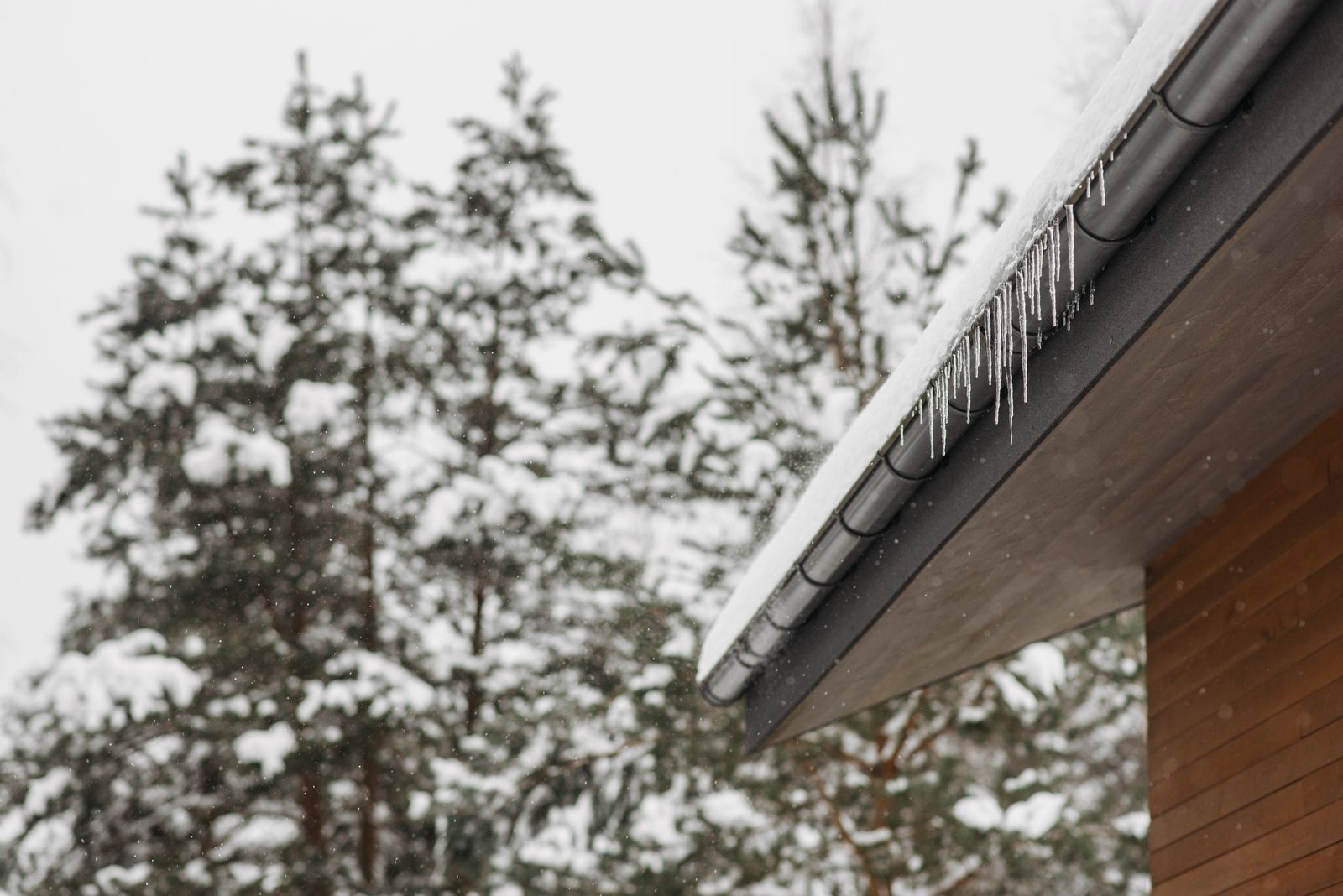
After a snowstorm, changing temperatures can create conditions that contribute to ice buildup along roof edges. Ice dams can form when snow melts higher on a roof and refreezes near colder eaves, potentially trapping water and increasing the risk of leaks.
From the ground, look for thick bands of ice along the roof edge, unusually large icicles, or water staining near upper-floor ceilings and exterior walls.
Do not stand beneath large icicles or attempt to knock ice off the roof with a shovel, hammer, or other improvised tool. Falling ice can cause serious injury and damage property.
If you notice signs of a leak, protect belongings where it is safe to do so and contact a qualified roofing professional. Avoid using heat sources or sharp tools to melt or remove roof ice yourself.
Long-term prevention may involve evaluating attic insulation, air sealing, ventilation, and roof conditions. The right solution depends on how the roof and attic are constructed, so professional assessment may be worthwhile if ice dams keep returning.
Remember, visible ice is not proof that a roof is failing. It is a reason to pay attention, especially when combined with signs of water intrusion or other damage.
9. Check Your Emergency Supplies and Winter Equipment
A major snowstorm is a useful reminder to check whether your household is prepared for another round of severe weather.
Make sure you have a working flashlight, spare batteries, a charged power bank, basic first-aid supplies, and enough essential items to manage a temporary interruption in travel or utilities.
Keep a snow shovel in an accessible location rather than buried behind patio furniture or other equipment. If you use a snowblower, follow its operating and maintenance instructions, and never attempt to clear a jam while the machine is running.
Keep fuel-powered equipment outdoors and well away from windows, doors, and air intakes. Never run a generator, barbecue, or fuel-burning outdoor appliance inside a home, garage, or enclosed space. These devices can produce dangerous carbon monoxide.
It is also helpful to check that smoke and carbon monoxide alarms are working and that everyone in the household knows what to do if an alarm sounds.
If a storm has caused damage or interrupted services, follow official local advisories and avoid unnecessary travel until conditions improve.
Being prepared does not mean expecting the worst. It simply means making the next storm a little less stressful.
10. Document Any Damage and Plan Your Repairs
Once conditions are safe, document damage you discover around your property. Take clear photos of affected areas and make a note of when you first noticed the problem.
If you think the damage may be covered by your home insurance, contact your insurer for guidance on the claims process and any documentation required. Policies differ, so do not assume that every type of snow or ice damage is covered.
Take reasonable steps to prevent further damage when it is safe to do so. For example, you may be able to move belongings away from a small leak, but repairs involving roofing, electrical systems, structural concerns, or significant water intrusion should be handled by qualified professionals.
Keep receipts and records for repairs, inspections, and maintenance. These documents can help you track recurring problems and plan future upkeep.
They may also be useful if you eventually decide to sell your home. Buyers often want to understand the property's condition and how significant maintenance issues have been addressed.
Not every issue requires an immediate major expense. Documenting what you find helps you prioritize urgent safety concerns, prevent further damage, and plan less pressing maintenance tasks sensibly.
Final Thoughts: A Little Post-Storm Attention Goes a Long Way
After a major Winnipeg snowstorm, it is easy to focus entirely on clearing the driveway and getting back to normal. But taking a little extra time to check your home's vents, roofline, walkways, windows, drainage, and outdoor structures can help you spot potential problems before they become more serious.
Start with the safety essentials, especially keeping heating equipment vents clear and making sure paths are safe to use. Inspect the rest of the property from the ground, watch for warning signs, and bring in qualified professionals whenever a task is unsafe or requires specialized knowledge.
Winter in Winnipeg will always bring its share of snow and surprises. A simple post-storm routine can help you feel more prepared, protect your property, and stay focused on what matters most: keeping your home safe and comfortable.
Thinking about buying or selling a home in Winnipeg?
Understanding a property's condition and maintenance needs is an important part of making informed real estate decisions. Whether you are preparing to sell, considering a move, or looking for a home that fits your lifestyle, Ty Mitchell can help you navigate your next steps.
Visit tysellswpg.com to connect with Ty and get guidance for your Winnipeg real estate journey.