RSS

How to Evaluate a Home’s Location Before You Buy

Buying a home can feel like a lot of decisions happening at once. You find a property you love, decide how much you want to offer, and then suddenly you hear terms like “conditional offer,” “firm offer,” “conditions,” and “waiving conditions.”

If you are a first-time buyer, it can feel like everyone is speaking a different language.

The good news is that a conditional offer is not nearly as complicated as it sounds.

In simple terms, a conditional offer is an offer to purchase a home that depends on certain requirements being satisfied before the purchase becomes firm. These conditions give the buyer an opportunity to complete important checks before fully committing to the transaction.

In Winnipeg real estate, conditional offers can be an important part of the buying process. Understanding how they work can help you feel more confident when it is time to make an offer.

What Is a Conditional Offer?

A conditional offer is an offer to purchase a property that includes one or more conditions that must be met within an agreed-upon timeframe.

Think of it as saying, “I want to buy this home, provided these important things check out.”

For example, you might make an offer that is conditional on obtaining satisfactory financing. You could also have a condition related to a home inspection or the sale of your existing property, depending on your circumstances and the terms negotiated with the seller.

The specific conditions included in an offer will depend on the buyer, the property, the market, and the negotiations between the buyer and seller.

The important part is that conditions are not something you want to add casually. Each one should have a clear purpose and a timeline for being satisfied.

Why Do Buyers Use Conditions?

Buying a home is a major financial commitment. Conditions can give buyers an opportunity to verify important information before they are fully committed to the purchase.

Imagine finding your dream home and immediately signing a firm offer, only to discover afterward that your financing does not work as expected.

That is exactly the kind of situation buyers want to avoid.

A conditional offer can provide time to work through important details while still showing the seller that you are serious about purchasing the property.

It can give you a little breathing room to make sure the transaction makes sense before moving forward.

Of course, conditions are not a guarantee that everything will work out. They are simply part of the structure of the offer and should be carefully considered with the appropriate professionals.

Financing Conditions

One of the most common conditions in a Winnipeg real estate offer is financing.

Even if you have already spoken with a lender or obtained a mortgage pre-approval, your lender may still need to approve the specific property and finalize the financing.

A pre-approval does not necessarily mean that every property will automatically receive final approval.

Your lender may need information about the home, the purchase price, your down payment, and other details before confirming the financing.

A financing condition gives you time to work through that process before the offer becomes firm.

The exact wording and timeline matter, so buyers should work with their real estate professional and lender to make sure they understand what is required.

Home Inspection Conditions

Another common condition involves a home inspection.

A home inspection gives a qualified inspector an opportunity to assess various aspects of the property and identify potential concerns.

That does not mean an inspection will uncover every possible issue, nor does it mean every older home is a problem. Homes have maintenance needs, and even newer properties can have things worth discussing.

The value of an inspection is that it can provide buyers with more information about the property before they are fully committed.

If the inspection identifies something unexpected, the buyer can discuss their options with their real estate professional and determine how to proceed within the terms of the offer.

Conditions Related to Selling Your Current Home

For homeowners who need to sell their existing property before purchasing another one, an offer may sometimes include a condition related to the sale of that property.

This can help reduce the financial risk of owning two homes at once.

However, this type of condition can also make an offer less attractive to a seller, particularly in a competitive market. The seller may prefer an offer that does not depend on another property selling first.

That is where strategy becomes important.

Your real estate professional can help you understand how a particular condition may affect the overall strength of your offer and how it compares with other offers the seller may receive.

How Long Does a Conditional Offer Last?

There is no single standard timeline that applies to every conditional offer.

The buyer and seller negotiate the deadlines for satisfying the conditions, and those timelines are included in the agreement.

For example, an offer could provide a specific number of days for financing or another condition to be addressed. The exact timeline depends on the circumstances and what is negotiated between the parties.

This is one reason it is important to pay close attention to the dates in your offer.

A condition is not something you can simply leave hanging indefinitely. You need to understand what must happen, when it needs to happen, and what the agreement says about the next steps.

What Happens During the Conditional Period?

Once the offer has been accepted, the conditional period begins.

This is when the buyer works through the requirements outlined in the offer.

If there is a financing condition, the buyer works with their lender to obtain the necessary approval. If there is an inspection condition, the inspection can be scheduled and completed. If another condition has been included, the buyer takes the appropriate steps to satisfy it.

This period can feel a little strange.

You have technically reached an agreement, but the transaction is not necessarily firm yet. There are still things that need to happen before you can confidently move forward.

This is why communication is so important.

Stay in touch with your real estate agent, lender, inspector, lawyer, or other professionals involved in the transaction. If something comes up, you want to know about it as soon as possible.

What Does It Mean to Go Firm?

When all of the conditions have been satisfied or waived according to the terms of the agreement, the offer can become firm.

A firm deal generally means the buyer and seller are committed to completing the transaction, subject to the terms of the agreement.

This is a significant milestone in the home-buying process.

It is also why buyers should never feel pressured to remove a condition simply because they are excited about the property.

Before waiving a condition, make sure you understand exactly what you are giving up and what risks may come with doing so. Your real estate professional, lender, lawyer, or other appropriate professional can help you understand the implications.

Can a Seller Reject a Conditional Offer?

Absolutely.

A seller does not have to accept an offer simply because it contains reasonable conditions.

When a seller reviews an offer, they are typically looking at the entire package. That can include the purchase price, deposit, possession date, conditions, timelines, and other terms.

For example, two offers could have the same purchase price, but one might have fewer conditions or a different timeline. Depending on the circumstances, the seller may prefer one offer over the other.

This is why making an offer is about more than simply choosing a number.

The structure of the offer matters too.

Are Conditional Offers Bad for Sellers?

Not necessarily.

A conditional offer is simply a different type of offer. Whether it is appealing to a seller depends on the conditions, the timelines, the market, and the seller's priorities.

In a balanced or slower market, a seller may be more comfortable accepting an offer with reasonable conditions.

In a competitive market, sellers may receive offers with fewer conditions and tighter timelines, which can change the negotiation.

There is no universal rule.

The right approach depends on the specific property and the circumstances surrounding the transaction.

Should You Always Make a Conditional Offer?

Not necessarily.

There is no one-size-fits-all answer for every buyer or every Winnipeg property.

A conditional offer can provide valuable protection and time to complete important due diligence. However, conditions can also affect the competitiveness of an offer.

The key is understanding your priorities.

If financing needs to be confirmed, that is important. If an inspection is important to you, that should be discussed. If you are selling another property, that may need to be considered as part of the strategy.

The goal is not to have the fewest conditions possible.

The goal is to make an offer that reflects your situation while giving you the appropriate level of protection.

What Buyers Should Know Before Making an Offer

Before you write an offer, take a moment to understand what you are comfortable with.

Have you spoken with your lender? Do you understand your budget? Have you reviewed the property carefully? Do you know what conditions may be appropriate for your situation?

It is also worth remembering that every property is different.

A newer home may raise different questions than an older home. A condo may involve different considerations than a detached property. A home that needs significant renovations may require a different approach than a move-in-ready property.

Your offer should reflect the specific property you are buying, not simply what someone else did on their last purchase.

The Winnipeg Market Can Make a Difference

Market conditions can influence how buyers and sellers approach conditional offers.

When there are fewer competing buyers, a seller may have more flexibility when reviewing conditions. When multiple buyers are competing for the same property, the seller may have more leverage to negotiate fewer conditions or shorter timelines.

That does not mean you should automatically remove every condition in a competitive situation.

Instead, it means you should understand the trade-offs.

Your real estate agent can help you look at the current situation, the property's circumstances, and the overall strength of your offer so you can make an informed decision.

A Conditional Offer Is About Confidence, Not Complication

The biggest thing to remember is that a conditional offer is designed to give buyers an opportunity to take care of important details before fully committing to a purchase.

It is not about making the buying process unnecessarily complicated.

It is about making sure you understand what you are buying and that the major pieces of the transaction are in place.

The right conditions can help you move forward with greater confidence. The wrong conditions, or conditions you do not fully understand, can create unnecessary complications.

That is why having the right people around you matters.

Thinking About Buying a Home in Winnipeg?

If you are preparing to buy a home in Winnipeg, understanding the offer process before you start shopping can make a huge difference.

You do not want to be standing in the kitchen of your dream home trying to figure out what a financing condition means while competing with other buyers.

Instead, get prepared ahead of time.

Know your budget. Talk to your lender. Understand the types of conditions that may apply to your situation. And work with a real estate professional who can explain the process in plain English.

If you are ready to explore your options, connect with Ty Mitchell. With local experience and a practical approach to Winnipeg real estate, Ty can help you understand the offer process, evaluate your options, and move forward with a strategy that makes sense for you.


Read

Open House. Open House on Saturday, September 12, 2026 2:00PM - 4:00PM

Please visit our Open House at 99 Monck Avenue in Winnipeg. See details here

Open House on Saturday, September 12, 2026 2:00PM - 4:00PM

2B//Winnipeg/S/S Now, OTP 9/15 noon. O/H 9/12 2-4pm. WOW! You see the majestic blue house with stone accents, standing tall among the soaring trees in Norwood Flats, inviting veranda and lush greenery, and you know it s THE ONE! Inside, 99 Monck Ave is just as spectacular, brimming with preserved shining oak; old-world charm but with all the modern touches & upgrades. On the main, fall in love with its cozy foyer and stately dining & living rooms that flow to the big eat-in kitchen with patio door to the 2-tier deck. Upstairs, 3 well-sized bedrooms and office/sunroom await before reaching the fully-reno d loft on the 3rd floor. Outside, welcome to your personal oasis with cozy nooks nestled into your pristine backyard. Enjoy this retreat, complete with hot tub, gazeebo and firepit. Ductless A/C, full bath in bsmt, main and second floor, finished basement and oversized double-heated garage round out your daily living enjoyment. Meticulously maintained, intentionally upgraded and attention to every detail, all you have to do is move in. This home has been extensively renovated by the Owner over the last 27+ years, please reach out for the full list of imporovements and floor plans. Don't miss out, come view asap! (id:2493)

Read

New property listed in Winnipeg

I have listed a new property at 139 Landover Drive in Winnipeg. See details here

1R//Winnipeg/S/S 9/8 OTP 9/16. Welcome to Bridgwater Trails living at its finest! Built in 2019 and loaded with upgrades, this stunning two-storey home offers 4 bedrooms, 3.5 bathrooms, and a fully finished basement (with permits). The bright, open-concept main floor features luxury vinyl plank flooring, LED lighting, a spacious kitchen with walk-in pantry, mudroom, powder room, and beautiful views of the fenced, landscaped backyard. Upstairs, enjoy convenient laundry and a spacious primary suite with walk-in closet and ensuite. Outside, relax in your spacious back yard. A double detached garage and concrete parking pad offer plenty of room for vehicles, guests, or storage. Located near Bridgwater s upcoming K-8 School, South Winnipeg Rec Centre, public fountain, and scenic walking paths, this move-in-ready home combines comfort, style, and an unbeatable lifestyle. Come see why this one deserves a spot at the top of your tour list! (id:2493)

Read

New property listed in Winnipeg

I have listed a new property at 99 Monck Avenue in Winnipeg. See details here

2B//Winnipeg/S/S 9/7, OTP 9/15 noon. O/H 9/12 2-4pm. WOW! You see the majestic blue house with stone accents, standing tall among the soaring trees in Norwood Flats, inviting veranda and lush greenery, and you know it s THE ONE! Inside, 99 Monck Ave is just as spectacular, brimming with preserved shining oak; old-world charm but with all the modern touches & upgrades. On the main, fall in love with its cozy foyer and stately dining & living rooms that flow to the big eat-in kitchen with patio door to the 2-tier deck. Upstairs, 3 well-sized bedrooms and office/sunroom await before reaching the fully-reno d loft on the 3rd floor. Outside, welcome to your personal oasis with cozy nooks nestled into your pristine backyard. Enjoy this retreat, complete with hot tub, gazeebo and firepit. Ductless A/C, full bath in bsmt, main and second floor, finished basement and oversized double-heated garage round out your daily living enjoyment. Meticulously maintained, intentionally upgraded and attention to every detail, all you have to do is move in. This home has been extensively renovated by the Owner over the last 27+ years, please reach out for the full list of imporovements and floor plans. Don't miss out, come view asap! (id:2493)

Read

What Is a Conditional Offer and How Does It Work?

Buying a home can feel like a whirlwind.

You find a property you love, picture your furniture in the living room, start mentally planning the backyard, and then your real estate agent asks an important question.

"Are you ready to make an offer?"

That is where things can get a little more serious.

For many Winnipeg home buyers, one of the biggest questions at this stage is whether the offer should be conditional or firm.

If you have never purchased a home before, the terminology can sound more complicated than it actually is.

A conditional offer is essentially an offer to purchase a property that depends on certain requirements being satisfied before the transaction becomes firm. These requirements are called conditions, and they are designed to give the buyer an opportunity to confirm important details before fully committing to the purchase.

Understanding how a conditional offer in Winnipeg works can make the buying process feel much less intimidating.

So, let's break it down.

What Is a Conditional Offer?

A conditional offer is an offer to purchase a home that includes one or more conditions that must be satisfied within a specified period.

The buyer is essentially saying, "I want to buy this property, provided these specific things happen."

The conditions can vary depending on the buyer's circumstances and the property.

Common examples include financing approval, a home inspection, the sale of the buyer's existing property, or reviewing certain documents.

Once the conditions are satisfied or waived according to the terms of the offer, the purchase can proceed toward becoming firm.

The exact wording and legal effect of conditions matter, which is why buyers should always understand what they are agreeing to before signing.

Why Do Buyers Use Conditions?

Buying a home is a significant financial commitment.

You do not want to discover after signing an offer that your financing does not work, the property has major issues, or an important piece of information was overlooked.

Conditions can give buyers time to verify certain things before they are fully committed.

Think of them as checkpoints.

You have found a home you like, but there are still a few important questions that need answers.

A conditional offer can provide a structured way to address those questions.

That does not mean every offer should contain every possible condition. Too many conditions can make an offer less attractive to a seller, especially when there are competing buyers.

The right conditions depend on the specific situation.

Financing Conditions

One of the most common Winnipeg real estate conditions involves financing.

Even if you have spoken with a lender before shopping for a home, there can still be value in making an offer conditional on obtaining satisfactory financing.

Why?

Because pre-approval is not always the same as final approval for a specific property.

Once you have an accepted offer, your lender may need to review the property, purchase price, your financial information, and other details before confirming the mortgage.

A financing condition can give you time to complete that process.

The exact wording and deadline are important, so work closely with your mortgage professional and real estate agent.

Do not assume that having a pre-approval automatically means financing is guaranteed.

Home Inspection Conditions

Another common condition involves a home inspection.

A home inspection is an opportunity to have a qualified professional examine the property's visible and accessible components and identify potential concerns.

That can include things such as the roof, foundation, electrical system, plumbing, heating, ventilation, windows, and other areas depending on the inspection.

A home inspection does not guarantee that a home will be problem-free.

Every property will have some maintenance considerations, especially older homes.

The purpose is to gain a better understanding of the property's condition so you can make an informed decision.

If an inspection condition is included, the offer should clearly establish what needs to happen and by when.

Conditions Related to Selling Your Current Home

Some buyers already own a home when they begin looking for their next one.

In that situation, they may consider making their purchase conditional on selling their current property.

This can reduce the risk of owning two homes at the same time.

However, from the seller's perspective, this type of condition can introduce uncertainty.

The seller may have no idea how quickly your existing home will sell or whether the sale will actually happen.

Because of that, a seller may be less likely to accept an offer with this condition, particularly if other buyers are making firm offers.

It becomes a matter of balancing your financial needs with the competitiveness of the offer.

Other Possible Conditions

Not every conditional offer looks the same.

Depending on the property and circumstances, buyers may have other legitimate concerns they want addressed before committing.

For example, a buyer could need time to review condominium documents if purchasing a condo.

Someone buying a property with specific zoning considerations may need additional information.

A buyer might also have a condition related to insurance, legal review, or another issue that is important to the transaction.

The key is that conditions should have a clear purpose.

They are not simply there to make an offer sound more complicated.

A good condition addresses a genuine question or risk that needs to be resolved.

How Long Does a Conditional Offer Last?

Conditions usually have deadlines.

For example, an offer might give the buyer several days to arrange financing or complete an inspection.

During that period, the buyer needs to take action.

This is important because a conditional offer is not a "we will figure it out eventually" agreement.

If you have a financing condition, contact your lender promptly.

If you have an inspection condition, schedule the inspection quickly.

If you need to review documents, make sure you receive and examine them within the required timeframe.

Your real estate agent can help you keep track of the deadlines, but you should also take responsibility for completing your part of the process.

What Happens When Conditions Are Satisfied?

Once the buyer has completed the necessary steps and is satisfied with the results, the conditions can generally be waived according to the terms of the agreement.

At that point, the offer moves toward becoming firm.

The purchase continues according to the remaining terms of the agreement, including the agreed purchase price, possession date, and other obligations.

This is an important moment because the buyer is moving from "I intend to buy this if these conditions work out" to a much stronger commitment to complete the transaction.

That is why buyers should never casually waive a condition simply because they feel pressured.

Make sure you understand what you are giving up.

What If a Condition Is Not Satisfied?

This is where the specific wording of the agreement becomes extremely important.

If a condition cannot be satisfied, the buyer may have options depending on the terms of the offer and the nature of the condition.

For example, if financing cannot be obtained under the agreed terms, the buyer may not be able to proceed with the purchase.

Similarly, an inspection could uncover a significant issue that causes the buyer to reconsider.

The buyer's rights and obligations depend on the contract.

This is why conditions should never be treated as casual language.

They are part of a legally significant real estate agreement.

When you have questions about the legal effect of a condition, your real estate professional and lawyer are the appropriate people to consult.

Conditional Does Not Mean Guaranteed

A common misconception is that once a seller accepts a conditional offer, the buyer automatically owns the home.

That is not the case.

The transaction still needs to move through the agreed conditions and closing process.

There is also an important difference between an accepted conditional offer and a firm offer.

With a firm offer, the buyer has generally committed to purchasing the property without the outstanding conditions that would otherwise allow them to reconsider.

That can make a firm offer more appealing to sellers, especially in a competitive market.

Why Sellers May Prefer Firm Offers

Put yourself in the seller's shoes.

If you receive two offers with similar prices, but one is conditional on financing and an inspection while the other is firm, the firm offer may provide greater certainty.

The seller knows the buyer has fewer outstanding hurdles to clear.

However, that does not mean sellers should automatically reject conditional offers.

The price, possession date, deposit, conditions, and overall terms all matter.

A well-structured conditional offer can still be very attractive.

It depends on the circumstances and the seller's priorities.

Should You Always Make a Conditional Offer?

Not necessarily.

The right approach depends on the property, the market, your financial situation, and your comfort level with risk.

For example, a buyer with a strong financing position may feel comfortable making a firmer offer in a competitive situation.

Another buyer may need financing or inspection protection and should not remove those safeguards simply to make an offer look more attractive.

This is where good advice matters.

Your goal should not be to make the most aggressive offer possible.

Your goal should be to make a smart offer that protects your interests while still being competitive.

How Conditions Can Affect Your Offer Strategy

Conditions are not just legal or financial tools. They can also affect the overall strategy of your offer.

If several buyers are competing for the same home, the seller may compare not only the purchase price but also the number and type of conditions.

A shorter financing or inspection timeline may be more appealing than a longer one.

A buyer who has already completed substantial due diligence may be able to make a cleaner offer.

The important thing is to understand what you are comfortable with before you get into a competitive situation.

Do not wait until you are emotionally attached to a property to decide what risks you are willing to take.

Talk through your options before writing the offer.

Read Every Condition Carefully

This might be the least exciting advice in the entire home buying process, but it is some of the most important.

Read the offer.

Understand the conditions.

Know the deadlines.

Ask questions if you do not understand something.

Do not assume that a condition means exactly what you think it means simply because you have heard the term before.

Real estate agreements contain specific language, and small details can matter.

If there is something you do not understand, ask your real estate professional to explain it and consult your lawyer when appropriate.

You should feel comfortable with the agreement before signing it.

The Bottom Line for Winnipeg Home Buyers

A conditional offer can be a useful tool when buying a home.

It allows you to address important questions about financing, property condition, documents, or other circumstances before making a more complete commitment.

But conditions also have trade-offs.

They can make an offer less attractive to a seller, particularly when there are multiple buyers competing for a property.

The key is finding the right balance between protecting yourself and presenting an offer that makes sense in the current market.

There is no one-size-fits-all strategy.

The smartest offer is the one that reflects your financial position, your comfort level, the property itself, and the current circumstances of the transaction.

Thinking About Making an Offer on a Winnipeg Home?

Buying a home is exciting, but you do not have to figure out every detail on your own.

If you are preparing to make an offer and want to understand your options around a conditional home offer, Ty Mitchell can help you navigate the process, understand the practical considerations, and build an offer strategy that fits your situation.

Visit Ty Mitchell to connect and start the conversation.

The goal is not simply to get your offer accepted.

It is to get you into the right home with a level of confidence that feels good long after the excitement of the offer is over.

Read

New property listed in Winnipeg

I have listed a new property at 1975 Corydon Avenue in Winnipeg. See details here

1C//Winnipeg/Perched on the 19th floor with arguably the best view in Winnipeg, this Tuxedo condo delivers unbeatablevalue. Location! Indoor Parking! Unmatched amenities! Bright 2 bed, 1 bath with a renovated bathroomfeaturing heated tile floors, bonus in-suite laundry, spacious balcony, stainless appliances, nicecountertops/back-splash and ample storage. Condo fees cover cable, water, common-area insurance,amenities and a very healthy reserve fund solid owner protection. In this city, you cannot put a price onhaving a warm car in the winter, this unit comes with a parking garage. Building amenities: pool/hot tub,sauna, gym, library, games room and outdoor entertainment space. Walk to Assiniboine Park, shops, ThomBargen, schools and transit. Ready to move in and love your low-maintenance lifestyle. Reach out for moredetails on this fantactic opportunity to live in the friendly Tuxedo Towers. (id:2493)

Read

What Buyers Should Know About Property Taxes in Winnipeg

When you are buying a home, it is easy to focus on the big numbers.

The purchase price. Your down payment. Your mortgage payment. Maybe even the renovation budget you have already started planning in your head.

But there is another expense that deserves a spot in the conversation, property taxes in Winnipeg.

Property taxes are part of the ongoing cost of owning a home, and they can vary considerably from one property to another. Two homes with similar purchase prices can have different tax bills depending on their assessed values, location, property characteristics, and the applicable municipal tax rates.

That does not mean property taxes should scare you away from homeownership. They simply need to be part of your overall budget.

If you are looking at buying a home in Winnipeg, here is what you should know before making an offer.

What Are Property Taxes?

At their simplest, property taxes are charges collected by local government to help fund public services and infrastructure.

That includes things homeowners use every day, such as roads, snow clearing, parks, libraries, public safety, waste services, and other municipal programs.

Your property tax bill is generally based on the assessed value of your property and the tax rates that apply.

The important thing for buyers to understand is that the purchase price of a home and its assessed value are not necessarily the same thing.

You might purchase a property for one amount while its assessed value is different.

That is one reason you should look at the actual tax history or current tax information for a property instead of trying to estimate the bill based solely on the home's asking price.

Why Property Taxes Matter When Buying a Home

A home can fit comfortably within your mortgage budget and still stretch your monthly finances once all ownership costs are considered.

Your mortgage is only one piece of the puzzle.

You also need to think about utilities, home insurance, maintenance, repairs, and property taxes.

For example, a buyer comparing two homes might see similar mortgage payments but discover that one property has noticeably higher annual taxes.

That difference may not seem huge when you look at it as an annual number. But spread across a monthly budget, it becomes another recurring expense that needs to be accounted for.

This is why Winnipeg home buying costs should always be viewed as a complete picture rather than just the purchase price.

How Are Winnipeg Property Taxes Calculated?

Property taxes generally involve two important pieces of information, the assessed value of the property and the applicable tax rates.

The City of Winnipeg assesses properties for taxation purposes. The assessed value is used as part of the calculation that determines the property's tax obligation.

Tax rates can change over time, and different portions of a property tax bill can reflect different levels of government or specific charges.

Because tax rates and assessments can change, buyers should use current information when evaluating a particular property.

If you are budgeting for a purchase, do not rely on an old tax figure from a previous listing or assume that your future bill will remain exactly the same.

The actual tax amount for the property you are considering is a much better starting point.

The Purchase Price Is Not Your Property Tax Bill

This is one of the most important distinctions for buyers.

It is tempting to think, "If I buy a $500,000 home, I should be able to estimate my property taxes as a percentage of $500,000."

Real estate taxation does not work quite that simply.

The assessed value can differ from the market price, and tax calculations involve the applicable rates and other factors.

So when comparing properties, look at the property's actual tax information rather than trying to create a rough formula based on the purchase price.

This is especially useful when comparing homes in different parts of Winnipeg.

Do Property Taxes Change?

Yes.

Your property tax bill is not necessarily going to stay exactly the same throughout the time you own your home.

Municipal budgets, tax rates, property assessments, and other factors can change.

Your property's assessed value can also change over time.

This is something buyers should keep in mind when creating a long-term homeownership budget.

If you are comfortable with the current tax amount but your overall budget is already very tight, it is worth leaving some room for future changes.

A little financial breathing room can make homeownership much less stressful.

How Often Do You Pay Property Taxes?

Understanding the payment schedule is another practical part of planning your budget.

Property taxes may be paid directly by the homeowner according to the applicable payment arrangements, or some homeowners may have their taxes collected through their mortgage lender as part of a tax account.

Your specific arrangement will depend on your lender and circumstances.

If you are a first-time buyer, ask your mortgage professional how property taxes will fit into your payment structure.

You do not want to confuse your mortgage payment with your total monthly homeownership cost.

A payment that looks affordable on paper can feel very different once taxes, insurance, utilities, and maintenance are added.

What Happens When You Buy a Home Mid-Year?

This is where property taxes become particularly relevant during a real estate transaction.

If a property changes ownership partway through the year, the buyer and seller may need to account for the portion of property taxes associated with their respective periods of ownership.

This is typically addressed through adjustments as part of the closing process.

In other words, buying a home does not necessarily mean the seller simply pays the entire year's tax bill and walks away.

The exact adjustment depends on the circumstances of the transaction and the relevant tax information.

Your lawyer and real estate professionals will help ensure these adjustments are properly handled as part of closing.

It is one more reason to review the financial details carefully before possession day.

What Should Buyers Ask About a Property's Taxes?

When you are seriously considering a property, there are several useful questions to ask.

Start with the current property tax amount.

Then ask whether there are any known changes or adjustments that could affect the taxes.

You should also understand whether the property has recently undergone significant renovations or additions. Changes to a property can potentially affect its assessment and future tax situation.

If you are comparing several homes, write down the tax amount for each one.

This sounds simple, but it can be surprisingly helpful.

When you have five or six properties competing for your attention, it is easy to remember the kitchen you loved and forget the recurring expenses associated with the property.

A basic comparison sheet can keep the financial side of the decision grounded.

Do Renovations Affect Property Taxes?

Potentially, yes.

If you purchase a home and make significant improvements, those changes may affect the property's assessment.

The exact impact depends on the nature and scope of the work and how the property is assessed.

This is something to keep in mind if your plan is to buy a home that needs substantial improvements.

Maybe you are thinking about adding living space, completing a major addition, or making significant structural changes.

Do not automatically assume that the property's current tax bill will remain unchanged forever.

For buyers planning extensive renovations, it can be worthwhile to understand the potential taxation implications before committing to a major project.

Should Higher Property Taxes Stop You From Buying?

Not necessarily.

A higher tax bill can be worth considering if the property provides something you value.

Perhaps it is in a neighborhood you love. Maybe it has a larger lot, more living space, better access to amenities, or features that would be difficult to find elsewhere.

The question is not simply, "Which house has the lowest property taxes?"

The better question is, "Does the overall cost of this home make sense for my budget and priorities?"

A lower tax bill does not automatically make a property a better deal.

You could save on taxes while spending significantly more on maintenance, utilities, renovations, or commuting.

Home buying is about looking at the complete financial picture.

Consider Property Taxes Alongside Other Ownership Costs

When calculating affordability, build a realistic homeownership budget.

Start with your expected mortgage payment.

Then add property taxes.

Next, consider home insurance, utilities, maintenance, repairs, and any condo fees if applicable.

If you have a vehicle, think about transportation costs associated with the property's location.

If the home is older, consider whether major components such as the roof, furnace, windows, or plumbing may require attention in the coming years.

This approach gives you a much clearer idea of what owning the home will actually feel like financially.

The goal is not to find a home that costs the absolute least.

The goal is to find a home you can comfortably afford while still enjoying your life.

Property Taxes Can Be Part of the Bigger Winnipeg Picture

For many buyers, property taxes are simply one piece of what makes a particular home financially attractive or challenging.

And that is exactly how they should be viewed.

Do not make a decision based on taxes alone.

Look at the neighborhood, property condition, size, location, potential resale appeal, and your own lifestyle.

Then factor in the ongoing costs, including Winnipeg property taxes.

A home that costs slightly more to own each month might make perfect sense if it gives you the location and lifestyle you want.

On the other hand, a property that barely fits your budget could create stress if taxes and other expenses push your monthly costs too high.

Knowing the numbers ahead of time gives you options.

Before You Make an Offer, Know the Full Cost

Buying a home is exciting, but the smartest decisions usually happen when you slow down long enough to look at the details.

Property taxes are one of those details.

Before making an offer, find out the current tax amount for the property, understand how it fits into your budget, and consider how future changes could affect your overall cost of ownership.

Do not forget to look at the rest of the expenses too.

Your future self will appreciate knowing exactly what you are signing up for.

Ready to Explore Winnipeg Homes With Confidence?

Finding the right home is about more than finding a property you love. It is about finding one that works financially and fits the way you actually want to live.

If you are comparing homes, trying to understand Winnipeg property taxes, or simply want a clearer picture of what owning a particular property could look like, Ty Mitchell can help you navigate the process and ask the right questions along the way.

The best home buying decision is not always the one with the lowest price. It is the one where the numbers, the neighborhood, and your lifestyle all make sense together.


Schedule: September 02, 2026

Blog #8: How to Evaluate a Home's Location Before You Buy

SEO Keywords/Phrases:

  • how to evaluate a home location

  • best neighborhoods in Winnipeg

  • Winnipeg home buying tips

Meta Title:
How to Evaluate a Home's Location Before You Buy

Meta Description:
Learn how to evaluate a home's location before buying in Winnipeg, from commute times and amenities to schools, parks, noise, resale value, and more.

Blog Post Copy:

How to Evaluate a Home's Location Before You Buy

You can change the paint. You can replace the flooring. You can renovate the kitchen, update the bathroom, and turn a spare room into an office.

There is one thing you cannot renovate.

The location.

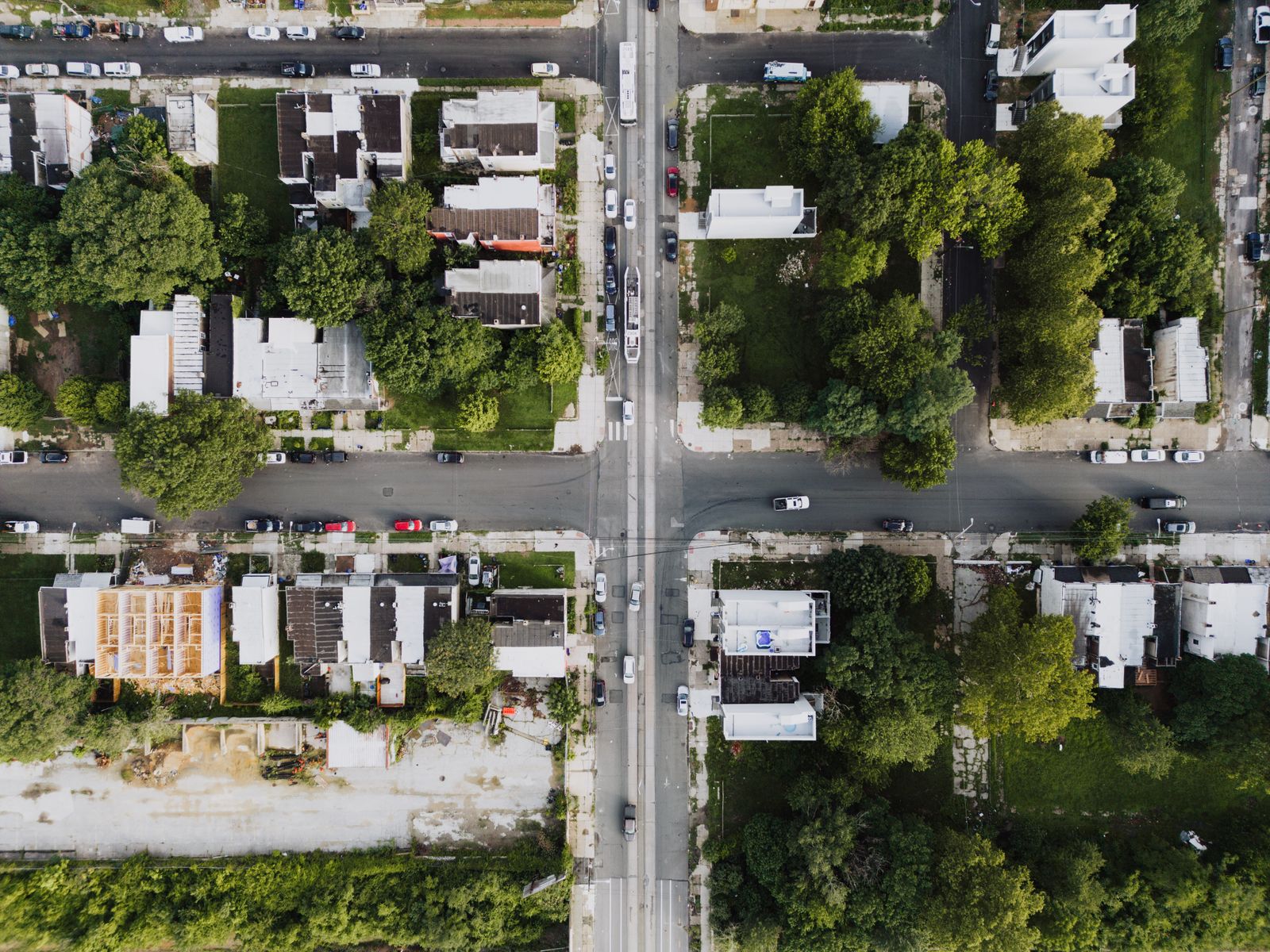
That is why evaluating a home's location should be one of the most important parts of your buying process. A beautiful house in the wrong location can become frustrating surprisingly quickly, while a modest home in a great area can become one of the best decisions you make.

For Winnipeg home buyers, location can influence everything from your daily commute and access to amenities to your weekend routine and the property's long-term appeal.

The trick is to look beyond what you see during a 20-minute showing.

A home might look perfect on a quiet Saturday afternoon. But what happens on a Monday morning? What does the street feel like during rush hour? How far is the nearest grocery store? Is the area still convenient if your lifestyle changes?

If you are wondering how to evaluate a home location, here are some of the things worth considering before you make an offer.

Start With Your Everyday Routine

Before you compare neighborhoods, think about how you actually live.

This sounds obvious, but it is surprisingly easy to get distracted by a gorgeous kitchen or a backyard that looks perfect in listing photos.

Ask yourself what you do every week.

Where do you work? Where do your kids go to school or activities? How often do you grocery shop? Do you enjoy walking to restaurants and coffee shops? Do you spend weekends at parks, community centres, or sporting events?

Your ideal location should support the life you live, not just the house you want.

A home that adds 30 minutes to your commute each way might seem manageable on paper. After a few months of doing it every weekday, you may feel differently.

Location is ultimately about convenience, and convenience has real value.

Test the Commute

One of the easiest ways to evaluate a location is to test the route yourself.

Do not simply check a map.

Drive the route during the time you would normally travel to work. If you take public transit, test that option too. Pay attention to traffic patterns, construction, intersections, parking, and how long the trip actually takes.

If you work from home, your commute may not matter as much. But think about the other destinations you visit regularly.

Maybe you drive across Winnipeg several times a week to see family. Perhaps your children have activities in another part of the city.

A great location is not necessarily the one closest to downtown. It is the one that makes your regular life easier.

Explore the Neighborhood at Different Times

A neighborhood can have completely different personalities throughout the day.

If possible, visit the property more than once.

Stop by in the morning. Come back after work. Take a drive through on the weekend.

Listen to the surroundings.

Is the street peaceful? Is there significant traffic? Are there busy intersections nearby? Do you hear trains, commercial activity, or other sources of noise?

None of these things are automatically good or bad. It depends on your preferences.

Some buyers love being close to activity and amenities. Others want a quiet street where they barely hear a car.

The goal is to discover what the location is actually like before you commit to it.

Look Beyond the Property Line

When you are standing inside a home, it is easy to focus entirely on the property itself.

But your future experience will be influenced by what is around it.

Look at neighboring properties, nearby streets, commercial areas, parks, schools, transit routes, and major roads.

Think about what you see today and what could potentially change over time.

Is there vacant land nearby? Are there major developments planned? Is the neighborhood experiencing significant growth?

You do not need to predict the future perfectly. You simply want to understand the environment you are buying into.

Check Access to Everyday Amenities

How far are you from the things you use regularly?

A grocery store five minutes away might be a major convenience. So could a pharmacy, coffee shop, fitness facility, daycare, community centre, or medical clinic.

For families, proximity to schools and recreational facilities can be especially important.

For retirees, access to healthcare, shopping, restaurants, parks, and public transportation may carry more weight.

For young professionals, walkability, restaurants, entertainment, and commuting options might be higher on the list.

This is why there is no universal list of the best neighborhoods in Winnipeg.

The best neighborhood for one buyer could be completely different from the best neighborhood for another.

Think About Walkability

You do not have to be someone who walks everywhere to appreciate walkability.

A neighborhood where you can safely walk to a park, coffee shop, grocery store, or local business can make everyday life more enjoyable.

Take a walk around the area before buying.

Do the sidewalks connect well? Are crossings convenient? Does the area feel comfortable on foot?

Also consider whether you would actually use those amenities.

A neighborhood can technically be walkable, but if the places you need are still a 20-minute drive away, that walkability may not matter much to you.

Think about your personal version of convenience.

Consider Parks and Green Space

Green space can have a surprisingly large impact on how much you enjoy your neighborhood.

A nearby park gives you somewhere to walk, exercise, take the kids, let the dog run, or simply get outside.

For families, parks and playgrounds can become part of the weekly routine. For active buyers, trails and recreation areas can be a major draw.

Look at the types of green spaces available and how easy they are to access.

A small park around the corner can sometimes be more useful to you than a larger park that requires a 15-minute drive.

Research Schools Carefully

If you have children or plan to in the future, schools may be one of your biggest location considerations.

Do not simply look at a school's name and assume the property works for your needs.

Research the relevant school boundaries, transportation options, programs, and current information directly through the appropriate school division.

School boundaries can change, and eligibility can depend on the specific address.

The same applies if you are purchasing a home primarily because of its proximity to a particular school.

Verify the information before making a decision.

Pay Attention to Traffic and Transportation

Being close to a major road can be incredibly convenient.

It can also mean more traffic and noise.

Think about whether the home's location makes getting around Winnipeg easier or more difficult.

Consider major routes, transit options, cycling infrastructure, parking, and your typical travel patterns.

If you have a short commute but regularly need to cross the city, a location with convenient access to major routes could make a noticeable difference.

Again, there is no universally perfect setup.

It is about finding the balance that works for you.

Look at the Lot and Street Position

Sometimes the location issue is not the neighborhood. It is the home's exact position within that neighborhood.

A corner lot may offer additional exposure and potentially more yard space, but it can also mean more traffic.

A home directly across from a park may have a great view and open space nearby, but it could also experience more activity.

A property near an intersection may provide convenient access but have more vehicle movement.

A home backing onto another property may feel private, while one backing onto a busy road could feel very different.

Look at the specific lot, not just the community name.

Think About Noise

Noise is one of those factors buyers often notice only after moving in.

During a showing, the home might be completely quiet.

But what happens when the windows are open in July?

Listen for road noise, nearby businesses, trains, aircraft, construction, schools, sports fields, and other activity.

You may not care about occasional neighborhood noise. Or you may value peace and quiet above almost everything else.

Knowing which category you fall into can help you make a more confident decision.

Consider Future Resale Appeal

You may be buying the home because you plan to stay for 10 years.

That is great.

But life has a funny way of changing.

Jobs change. Families grow. Retirement happens. Priorities shift.

Even if you have no plans to sell anytime soon, it is still worth considering whether the location is likely to appeal to future buyers.

Properties with convenient access to amenities, transportation, schools, parks, and established community infrastructure can have broad appeal.

You do not need to predict exactly what your home's value will be years from now.

Just think about whether the location has qualities that people generally find useful and desirable.

Do Not Forget Your Future Self

One of the best Winnipeg home buying tips is to think beyond your current lifestyle.

Maybe you are a couple buying your first home. What happens if you have children?

Maybe your children are young now. What happens when they become teenagers and need more independence?

Maybe you work downtown today. Could your job change locations?

Maybe you love driving everywhere. Could that change as you get older?

You do not need to plan your entire life around one house.

But considering how your needs could evolve can help you avoid choosing a location that works only for the next year or two.

Talk to People Who Actually Live There

Online research is useful, but local conversations can add another layer of perspective.

If you have the opportunity, talk to nearby residents.

Ask what they like about the area. Ask what they wish they knew before moving there.

You may learn about community events, favorite local businesses, traffic patterns, or small details that do not show up on a listing.

Just remember that everyone's priorities are different.

One person's "too quiet" might be another person's dream.

Use those conversations as information, not as the final decision.

Create a Location Checklist

When you are comparing multiple homes, it can be difficult to remember everything.

Create a simple checklist.

Rate each location based on your priorities, such as commute, amenities, schools, parks, walkability, transportation, noise, neighborhood feel, and future resale appeal.

Then compare the properties objectively.

You might discover that the home you loved most during the showing is not actually the strongest overall fit.

Or you might confirm that your favorite property really does check the boxes.

Either way, you are making the decision based on more than emotion.

The Right Home Starts With the Right Location

A home is more than four walls and a front door.

It is the street you come home to. It is the route you take to work. It is the park where you spend Saturday mornings. It is the grocery store you can reach quickly when you realize you forgot one ingredient for dinner.

That is why location deserves serious attention when you are buying.

If you are searching for a home in Winnipeg, take your time. Explore the neighborhood. Test the commute. Visit at different times. Research the surrounding area. Think about your lifestyle today and where you may be headed next.

And remember, there is no perfect neighborhood for everyone.

There is only the neighborhood that makes the most sense for you.

Ready to Find the Right Winnipeg Location?

If you are exploring different Winnipeg neighborhoods and are not sure which locations fit your lifestyle, Ty Mitchell can help you look beyond the listing photos and focus on what really matters.

The goal is not simply to find a house you like. It is to find a home in a location where your everyday life works a little better.

Because you can change the countertops.

You can repaint the walls.

But you cannot move the house to a better street after you buy it.

Read
The trademarks REALTOR®, REALTORS®, and the REALTOR® logo are controlled by The Canadian Real Estate Association (CREA) and identify real estate professionals who are member’s of CREA. The trademarks MLS®, Multiple Listing Service® and the associated logos are owned by CREA and identify the quality of services provided by real estate professionals who are members of CREA. Used under license.
Powered by: REALTOR.ca