RSS

How to Choose Between Selling As-Is or Making Improvements

If you're thinking, “I want to sell my house Winnipeg,” there's probably another question sitting right behind it.

Should I fix it up first?

Maybe the kitchen is dated. The bathroom could use some attention. There are a few walls that need paint, the flooring has seen better days, and that list of little repairs you've been meaning to tackle has somehow grown over the years.

Now you're wondering if you should spend money getting the home ready for the market or simply sell it as-is and let the next owner take care of the updates.

It's a common question, and there isn't one answer that works for every Winnipeg home.

Some homes benefit from a few strategic improvements before listing. Others make more sense as an as-is sale. And sometimes the smartest option is somewhere in the middle.

Before you start booking contractors or decide to leave everything untouched, here's how to think through the decision.

What Does Selling a Home As-Is Mean?

When you sell a home as-is, you're generally offering the property in its current condition rather than completing major improvements specifically for the sale.

That doesn't mean you can ignore known problems or misrepresent the property's condition. Buyers can still evaluate the home, ask questions, and have appropriate inspections or conditions as part of the transaction.

What it does mean is that you're not taking on a large renovation project before putting the property on the market.

For some homeowners, that's exactly what makes sense.

Perhaps you're dealing with an older home that needs several updates. Maybe you've inherited a property that needs work. Perhaps you're moving on a tight timeline and don't have the time or energy to coordinate renovations.

Or maybe you simply don't want to spend a large amount of money on a house you're planning to leave.

Selling as-is can be a practical choice when the numbers and circumstances support it.

Selling As-Is Doesn't Mean Selling Unprepared

There's an important difference between selling as-is and selling without preparing the home.

Even if you don't want to renovate, you still want buyers to see the property at its best.

Clean the house thoroughly. Declutter the rooms. Remove unnecessary furniture. Improve lighting where you can. Clean the windows. Tidy the yard. Fix small things that are obviously broken.

These aren't major renovations, but they can have a meaningful impact on how a buyer experiences the home.

Think about it this way.

You may be perfectly comfortable with your home's dated finishes because you've lived with them for years. A buyer can see those same finishes and think the property has been neglected.

Your goal is to make it clear that the home may need updating without making buyers wonder what else hasn't been maintained.

When Selling As-Is Could Make Sense

There are several situations where selling as-is may be worth considering.

You Need to Sell Quickly

Renovations take time.

Even a project that seems straightforward can involve finding contractors, getting estimates, ordering materials, scheduling work, and dealing with unexpected delays.

If you're trying to sell your house in Winnipeg because of a job relocation, a major life change, or another time-sensitive situation, spending months on renovations may not fit your plans.

In that situation, preparing the home without taking on major improvements may be more practical.

The Home Needs Significant Work

A property that needs a new roof, major mechanical work, extensive cosmetic updates, or several other repairs can require a substantial investment.

Before putting money into the property, consider the potential return.

Spending $40,000 doesn't automatically mean you'll get $40,000 more when the home sells.

Sometimes the better approach is to understand the home's current market value, account for its condition, and determine whether buyers are likely to see the opportunity in the property.

You Don't Want the Renovation Stress

This is also a perfectly valid reason.

Selling a home is already a project.

You're packing, organizing paperwork, planning your next move, keeping the house clean for showings, and dealing with the general uncertainty that comes with selling.

Adding a major renovation on top of everything else may not be worth it for you.

Sometimes convenience has value too.

When Home Improvements Before Selling May Be Worth It

Of course, there are situations where improvements can help.

The key is to be strategic.

You don't necessarily need to remodel the entire house. Instead, look for projects that address obvious problems or improve the property's presentation.

For example, you might consider repairing damaged flooring, touching up walls, replacing broken light fixtures, repairing damaged doors, updating worn hardware, improving curb appeal, or addressing small maintenance issues.

A deep clean can also go a surprisingly long way.

The purpose isn't to create a brand-new home.

It's to remove distractions and help buyers appreciate what the property already offers.

Don't Renovate Just Because You Can

One of the biggest mistakes sellers can make is assuming that every outdated feature needs to be replaced before listing.

It doesn't.

If your kitchen is dated but functional, you may not need a complete renovation.

If your bathroom isn't your personal style but everything works properly, a full remodel may not be necessary.

If the flooring is older but in decent condition, replacing every room may not be the best use of your money.

Before making an improvement, ask yourself:

What problem am I solving?

How much will it cost?

Will buyers actually notice or care?

Would this money be better saved for my next home or other moving expenses?

Those questions can help separate smart preparation from expensive over-improvement.

The Kitchen Can Be a Trap

Let's talk about kitchens because this is where sellers often get carried away.

You look at your kitchen every day and see everything you don't like about it.

The cabinets are dated. The counters aren't your favourite. The backsplash feels old. The appliances don't match.

So naturally, you start imagining a completely renovated kitchen.

But remember, you're preparing a home to sell, not designing your forever kitchen.

If the kitchen is clean, functional, and in reasonable condition, smaller updates may be enough. New hardware, improved lighting, fresh paint, professional cleaning, or minor repairs can sometimes make the space feel significantly more appealing.

A buyer may be perfectly happy to live with the existing kitchen while planning their own future renovation.

You don't necessarily need to do the renovation for them.

Don't Ignore the Bathroom

Bathrooms deserve attention too, especially when there are obvious maintenance issues.

Broken fixtures, damaged caulking, dirty grout, poor lighting, and excessive clutter can make a bathroom feel worse than it actually is.

Start with the basics.

Clean it thoroughly. Repair what is broken. Replace damaged caulking. Improve the lighting if needed. Remove unnecessary items from counters and storage areas.

If the bathroom genuinely requires a major renovation, that's a different conversation.

But if it's simply dated, think carefully before spending thousands of dollars changing something that still functions properly.

Winnipeg Homes Have Practical Considerations

When you're selling a house in Winnipeg, buyers aren't only looking at countertops and paint colours.

They're also thinking about the practical condition of the property.

The roof, furnace, windows, basement, exterior, drainage, insulation, and general maintenance can all influence a buyer's perception of a home.

That doesn't mean you need to replace every older system before selling.

An older furnace isn't automatically a reason to install a new one. Older windows don't necessarily need to be replaced just because you're listing.

However, you should understand the condition of these important components and be prepared to answer reasonable buyer questions.

If you have records for previous repairs, maintenance, or major upgrades, gather them together before listing.

Being organized can make the process easier for everyone.

Consider Your Competition

Here's another question worth asking before you spend money.

What are other homes buyers are considering offering?

If similar homes in your area are selling with older kitchens and bathrooms, you may not need to completely renovate yours.

But if competing properties are clean, well-maintained, and move-in ready while yours has obvious unfinished repairs, presentation could become a bigger issue.

Your home doesn't exist in a vacuum.

Buyers are comparing.

The goal is not necessarily to have the nicest home on the block. It's to make sure your property is positioned appropriately against the other options buyers have available.

Your Timeline and Budget Matter

A renovation decision should always take your personal circumstances into account.

If you have several months before you need to sell and a healthy budget for improvements, you have more flexibility.

If you're hoping to list within a few weeks and don't want to spend much money, your strategy will look very different.

Don't create a renovation plan that doesn't fit your reality.

If you have $5,000 available, prioritize the projects that matter most. If you have no renovation budget, focus on cleaning, decluttering, basic maintenance, and presentation.

There is no prize for spending the most money before selling.

The Middle Ground May Be the Best Option

You don't always have to choose between renovating everything and selling completely as-is.

There is a middle ground.

Fix the obvious problems.

Clean thoroughly.

Declutter.

Improve the exterior.

Touch up paint where necessary.

Make sure the lights work.

Repair minor issues that buyers will immediately notice.

Then stop.

This approach can help you present a well-maintained home without taking on unnecessary renovations.

For many homeowners searching “sell my house Winnipeg,” this can be a much more practical way to think about preparing a property.

Get Advice Before You Start Spending

Before investing thousands of dollars into improvements, get an outside perspective.

Homeowners can become very attached to certain features of their property. You may think the kitchen is the biggest issue because you've wanted to renovate it for years.

A buyer may be much more interested in the home's layout, natural light, basement, backyard, parking, or location.

A pre-listing walkthrough can help you identify the difference between what you personally want changed and what may actually matter when selling.

That's an important distinction.

You're not renovating for yourself anymore.

You're preparing the property for the market.

So, Should You Sell As-Is or Make Improvements?

If you're planning to sell your house in Winnipeg, the answer depends on your specific property and situation.

Selling as-is may make sense if the home needs significant work, you have a tight timeline, or you don't want to take on a major renovation.

Making improvements may make sense when relatively affordable repairs or updates can improve the home's presentation or address concerns buyers are likely to have.

And sometimes the smartest strategy is doing a little of both.

Take care of the obvious issues, improve the presentation, and leave the major renovations to the buyer.

The goal isn't to make your home perfect.

It's to make smart decisions with the money and time you have.

Before spending thousands on renovations, take a step back and ask whether the improvement is likely to help you sell, or whether you're simply making the home nicer for someone else.

That distinction could save you a lot of money.

Thinking About Selling Your Winnipeg Home?

If you're wondering whether you should sell your home as-is or make improvements first, don't feel like you have to figure it out alone. The right approach depends on your home's condition, your goals, your timeline, and what makes sense for the current Winnipeg market.

Before you spend money on renovations, let's talk about what could actually make a difference. Ty Mitchell can help you understand your options, prioritize the improvements that may be worth considering, and create a practical plan for getting your home ready to sell.

Thinking about selling your home in Winnipeg? Get in touch with Ty Mitchell today and let's talk about your next move.
Read

Open House. Open House on Saturday, September 26, 2026 1:00PM - 2:30PM

Please visit our Open House at 657 Academy Road in Winnipeg. See details here

Open House on Saturday, September 26, 2026 1:00PM - 2:30PM

1C//Winnipeg/Open House - 1-2:30 Saturday Sep. 26th! Come see for yourself! Welcome to 657 Academy where timeless character, beautiful surroundings, and an exceptional lifestyle come together. Beautiful curb appeal, this charming home offers the opportunity to enjoy a coveted Tuxedo address. Close prximity to all amenites. This is a prime location. Straight and solid home on a wonderful (50X132) lot. Inside, original hardwood floors and accents, built-ins, and an electric fireplace create a warm, inviting atmosphere. The renovated kitchen flows easily into the main living spaces, while three comfortable bedrooms upstairs include a spacious primary suite with two walk-in closets. The finished basement adds valuable flexibility, with potential for a fourth bedroom and a three-piece bathroom. Just steps to Wellington Crescent, a quick stroll from Assiniboine Park, and the Asper Community Campus, this location puts parks, recreation, and community right at your doorstep. Enjoy peaceful neighbourhood living with some of Winnipeg s best amenities close by. Charming, versatile, and perfectly positioned this is your chance to make Old Tuxedo home. Book your showing today! (id:2493)

Read

Open House. Open House on Saturday, September 26, 2026 2:00PM - 4:00PM

Please visit our Open House at 3 Bramblewood Court in Winnipeg. See details here

Open House on Saturday, September 26, 2026 2:00PM - 4:00PM

1R//Winnipeg/OPEN HOUSE - Sat. 9/26 2-4PM. Offers Anytime! Welcome to a home that feels like a retreat while keeping everyday life wonderfully convenient. Set in the sought-after Bridgwater Trails, this beautifully landscaped 2,130 sq. ft. two-storey is surrounded by walking and biking paths, parks and the inviting Fountains of Bridgwater with shops and daily conveniences just minutes away. Inside, soaring 18-foot ceilings create a breathtaking great room, anchored by an upgraded fireplace and entertainment wall. Sunlight fills the open dining area and stylish kitchen, complete with upgraded stainless-steel appliances, generous cabinetry and a walk-in pantry. Upstairs, the serene primary suite offers a luxurious five-piece ensuite, walk-in closet and a rare private deck with a peaceful glimpse toward the pond. The fully fenced backyard is a true showpiece, with spectacular landscaping, a deck and patio designed for effortless entertaining. Downstairs, the bright, immaculate finished basement adds a spacious recreation room, bar and bedroom. Double Attached garage adds to the package. Modern layout, thoughtfully designed and well located this is an opportunity to live the Bridgwater lifestyle. (id:2493)

Read

Should You Sell Your Winnipeg Home in the Fall?

Summer is winding down.

The days are getting shorter, the evenings are getting cooler, and before you know it, Winnipeg is going to be reaching for the winter coats.

If you're thinking about selling your home, you might be wondering whether you should list now or wait until next spring.

Is fall a good time to sell a home in Winnipeg?

The short answer is that it depends.

There isn't one perfect season for every seller or every property. Your home's location, condition, price, buyer demand, competition, and your own timeline all matter.

That said, fall can offer some real opportunities for Winnipeg sellers.

There are still buyers actively looking, the summer rush has settled down, and your home can benefit from a different kind of seasonal presentation.

But fall also comes with some challenges. Weather can become unpredictable, daylight hours get shorter, and sellers who wait too long can find themselves getting dangerously close to Winnipeg's winter season.

So, should you sell your Winnipeg home in the fall?

Let's take a closer look.

Fall Doesn't Mean the Winnipeg Market Stops

One common misconception is that real estate activity comes to a halt once summer ends.

It doesn't.

People still need to buy and sell homes in September, October, and beyond.

Families may be relocating for work. Buyers may have changed their plans during the summer. Some people may have been searching for months and still haven't found the right property.

Others may simply prefer to move before winter arrives.

The buyer pool may look different compared with the peak spring and summer periods, but that doesn't mean there aren't serious buyers.

In fact, some fall buyers can be highly motivated because they're working with a specific timeline.

That can be important for sellers.

One Potential Advantage of Selling in the Fall: Less Competition

Depending on the market and the specific neighbourhood, fall can bring fewer new listings compared with the busier spring and summer months.

That can create an opportunity.

If fewer homes are competing for buyers' attention, a well-presented property may have an easier time standing out.

But there is an important distinction here.

Fewer listings don't automatically mean you can price your home however you want.

Buyers still compare properties.

They still look at value.

And they still have options.

The goal is to understand the competition that actually exists when you list, rather than assuming that less inventory automatically means a higher sale price.

Fall Buyers May Be More Serious

There's something about fall that naturally changes the real estate conversation.

In the summer, some buyers are casually exploring. They may be checking out open houses between weekend activities, travelling, or simply getting a feel for what's available.

By fall, some buyers have been searching for quite a while.

They know what they want.

They know what they've already rejected.

And they may be ready to make a decision.

That doesn't mean every fall buyer is ready to write an offer on the spot. But sellers may encounter buyers who have already done a significant amount of research and are more focused on finding the right property.

That's one reason presentation and pricing remain so important.

Your Home Can Look Great in the Fall

Fall has something going for it that summer can't quite replicate.

Colour.

If your property has mature trees, landscaping, a welcoming front porch, or a nice backyard, fall can create a beautiful setting for listing photography and showings.

A tidy yard surrounded by autumn foliage can make a home feel warm and inviting.

But this window doesn't last forever.

Once the leaves are gone and winter starts creeping in, exterior presentation becomes more challenging.

That means sellers considering a fall listing should think about timing carefully.

If you're going to take advantage of fall curb appeal, you don't necessarily want to wait until the last possible week.

The Days Are Getting Shorter

Here's one of the practical challenges of selling in the fall.

Daylight.

As the season progresses, sunset arrives earlier.

That can affect photography, showings, and how your home looks during late afternoon appointments.

A house that gets beautiful natural light at 7 p.m. in June obviously won't look the same at that time in October.

This doesn't mean you shouldn't sell.

It simply means lighting becomes more important.

Make sure light fixtures are working.

Replace burnt-out bulbs.

Open curtains and blinds during daytime showings.

Use lamps strategically.

Make sure darker areas, including basements and hallways, are properly illuminated.

Good lighting can help your home feel warm and inviting even when the sun isn't cooperating.

Don't Forget About Curb Appeal

Fall maintenance can make a noticeable difference.

Keep leaves under control.

Clear walkways.

Trim overgrown plants.

Remove dead annuals.

Keep the front entrance clean.

Store away unnecessary outdoor clutter.

Make sure exterior lights are working.

And as the weather gets colder, pay attention to slippery surfaces and changing conditions.

You don't need to maintain a summer garden in October.

You just want the property to look cared for.

The front entrance is often a buyer's first physical impression of the home, so make it count.

Winnipeg Weather Can Be Unpredictable

This is where fall sellers need to be realistic.

Winnipeg weather can change quickly.

One week you might have beautiful fall sunshine.

The next, you could be dealing with rain, wind, freezing temperatures, or an early snowfall.

That can affect showings and photography.

If your listing photos are being taken during a beautiful early-fall stretch, great.

But don't assume the weather will stay that way throughout your entire listing period.

Make sure your home can still present well when the temperature drops and the leaves disappear.

The inside matters even more once buyers aren't spending as much time enjoying the exterior.

Fall Can Be a Great Time to Highlight Comfort

As the weather cools down, buyers naturally start paying more attention to how comfortable a home feels.

This is a good opportunity to make sure your home feels warm and welcoming.

Keep the temperature comfortable.

Make sure the furnace is operating properly.

Address obvious drafts or maintenance issues.

Keep entryways clean and organized.

Turn on lamps in darker spaces.

The goal is to create a feeling that says, "You'd be comfortable here when winter arrives."

For a Winnipeg buyer, that's a pretty relevant message.

Should You Wait Until Spring?

This is the question many sellers eventually ask.

"If I don't sell this fall, should I just wait until spring?"

There are situations where waiting could make sense.

Maybe your home needs significant preparation.

Maybe you have personal timing considerations.

Maybe you're not comfortable with the current market conditions.

Maybe waiting gives you time to complete renovations or organize your finances.

But waiting isn't automatically the better choice either.

Spring will bring its own competition.

More sellers may decide to list.

More properties may come onto the market.

And the market conditions in several months may not be identical to today's conditions.

The right decision depends on your circumstances rather than simply following a seasonal rule.

Think About Your Own Timeline

Sometimes the best time to sell has less to do with the calendar and more to do with your life.

Are you moving for work?

Are you upsizing?

Downsizing?

Buying another home?

Relocating?

Dealing with a major life change?

If you need to sell, waiting six months just because someone says spring is the "best" season may not make sense.

On the other hand, if you're not in a hurry and your home needs significant preparation, you may have more flexibility.

The important thing is to make the decision based on your situation and current market information.

Pricing Matters More Than the Season

A great fall listing with the wrong price can still sit.

This is one of the biggest things sellers need to understand.

You can't rely on the season to do the selling for you.

Your asking price needs to make sense compared with the properties buyers are currently seeing.

That means looking at recent comparable sales, current competition, your home's condition, location, features, and the overall market environment.

Overpricing can create problems regardless of whether you're selling in October or May.

Buyers have access to plenty of information.

They can compare your property with other homes in the area within minutes.

Your pricing strategy needs to give them a reason to take your listing seriously.

Prepare Before You Hit "List"

If you're considering a fall sale, don't wait until the day before your listing goes live to start preparing.

Declutter the house.

Complete obvious repairs.

Clean thoroughly.

Tidy the yard.

Organize the garage.

Touch up paint where needed.

Make sure major systems are in reasonable condition.

Gather information about previous renovations and upgrades.

And think about how the home will photograph.

You don't necessarily need to spend a fortune getting everything perfect.

You just need to prioritize the changes that are most likely to improve the way buyers experience the property.

Fall Showings Require a Little Flexibility

The shorter days can make showing schedules slightly more challenging.

If you can be flexible with appointment times, that can help.

But don't make yourself miserable trying to accommodate every possible request.

Your real estate agent can help coordinate showings and create a process that works for your household.

If you're still living in the home, establish a quick cleanup routine.

Keep the kitchen tidy.

Make the beds.

Keep clutter under control.

Have a plan for pets.

Keep walkways clear.

The easier it is to prepare the home for a showing, the less stressful the process becomes.

What If Your Home Doesn't Sell Before Winter?

It happens.

Not every listing sells immediately, regardless of the season.

If your home remains on the market as winter approaches, don't panic.

Instead, review the situation.

Are buyers attending showings?

Are they giving feedback?

Is the price competitive?

Are there presentation issues?

Is there something about the listing that could be improved?

Sometimes the market is giving you useful information.

The key is being willing to listen and adjust when necessary.

So, Is Fall a Good Time to Sell Your Winnipeg Home?

Fall can absolutely be a viable time to sell a Winnipeg home.

You may have the opportunity to reach serious buyers, take advantage of seasonal curb appeal, and potentially face different levels of competition than you would during the busier spring and summer periods.

But there are also challenges.

Daylight decreases.

Weather becomes less predictable.

Outdoor presentation becomes more difficult.

And the window before winter gets shorter every week.

That's why the question shouldn't simply be, "Is fall the best time to sell?"

A better question is, "Does selling this fall make sense for my home, my goals, and the current market?"

That's a much more useful conversation.

Make the Decision With a Plan

If you're considering selling your Winnipeg home this fall, don't let the calendar make the decision for you.

Look at your home's condition.

Look at the competition.

Look at current buyer activity.

Consider your timeline.

Think about what preparation your home needs.

And make sure your pricing strategy reflects what buyers are actually seeing in the market.

The season matters, but it is only one piece of the puzzle.

If you're wondering whether this fall is the right time to sell your Winnipeg home, connect with Ty Mitchell at tysellswpg.com. A conversation about your specific property, timeline, and current market conditions can help you understand your options and build a selling plan that makes sense for you.

Because there isn't one perfect month to sell every Winnipeg home.

There is the right strategy for your home and your situation.

Read

Open House. Open House on Saturday, September 26, 2026 1:00PM - 2:30PM

Please visit our Open House at 657 Academy Road in Winnipeg. See details here

Open House on Saturday, September 26, 2026 1:00PM - 2:30PM

1C//Winnipeg/Open House - 1-2:30 Saturday Sep. 26th! Come see for yourself! Welcome to 657 Academy where timeless character, beautiful surroundings, and an exceptional lifestyle come together. Beautiful curb appeal, this charming home offers the opportunity to enjoy a coveted Tuxedo address. Close prximity to all amenites. This is a prime location. Straight and solid home on a wonderful (50X132) lot. Inside, original hardwood floors and accents, built-ins, and an electric fireplace create a warm, inviting atmosphere. The renovated kitchen flows easily into the main living spaces, while three comfortable bedrooms upstairs include a spacious primary suite with two walk-in closets. The finished basement adds valuable flexibility, with potential for a fourth bedroom and a three-piece bathroom. Just steps to Wellington Crescent, a quick stroll from Assiniboine Park, and the Asper Community Campus, this location puts parks, recreation, and community right at your doorstep. Enjoy peaceful neighbourhood living with some of Winnipeg s best amenities close by. Charming, versatile, and perfectly positioned this is your chance to make Old Tuxedo home. Book your showing today! (id:2493)

Read

How to Make Your Home Feel Bigger Before Selling

You don't necessarily need a bigger house.

Sometimes you just need your existing house to feel bigger.

That might sound like a magic trick, but there are actually plenty of simple ways to make a home feel more spacious before putting it on the Winnipeg real estate market.

And no, we're not talking about knocking down walls or adding a second storey.

In many cases, the biggest difference comes from removing visual clutter, improving the flow of each room, making better use of light, and giving buyers a clearer idea of how much usable space the home actually has.

This matters because buyers aren't only looking at square footage.

They're also asking themselves how the home feels.

Does the living room feel cramped?

Can they easily walk through the kitchen?

Are the bedrooms comfortable?

Is there enough storage?

Does the basement feel useful?

A home that feels spacious, bright, and easy to move through can make a much stronger first impression.

So, if you're thinking about selling your Winnipeg home, here are some practical ways to make the space feel bigger before buyers walk through the door.

Start With the Most Important Rule: Declutter

If you only do one thing from this list, start here.

Declutter.

Furniture, decorations, boxes, toys, small appliances, paperwork, and everyday items can slowly take over a home. When you've lived somewhere for years, you may stop noticing how much stuff has accumulated.

Buyers notice.

The more objects competing for attention, the smaller a room can feel.

Start with countertops.

Clear off the kitchen island. Put away small appliances you don't use every day. Reduce the number of decorative items on shelves and tables.

Then move to the living areas.

Do you really need three side tables?

Could that oversized chair be moved?

Are there stacks of magazines, toys, blankets, or other items that can be stored away?

You aren't trying to make the house look empty. You're trying to give the space some breathing room.

Remove Furniture Before Adding Anything

This is one of the easiest mistakes sellers make.

When a room feels small, the instinct can be to add something to make it feel more finished.

A rug.

Another lamp.

A small table.

More shelving.

Usually, the better solution is the opposite.

Take something away.

Oversized furniture can make a room feel significantly smaller than it actually is.

If your living room has a large sectional, two chairs, multiple tables, and several decorative pieces, try removing one or two items.

Give buyers clear walking paths.

The goal is to make the room feel easy to navigate.

You want someone to walk in and immediately understand how the space could function.

Create Clear Walking Paths

Speaking of walking paths, pay attention to how people move through your home.

Can someone comfortably walk from the front entrance into the living room?

Can they get around the kitchen island without squeezing past furniture?

Can bedroom doors open fully?

Can you walk into the basement without navigating an obstacle course?

Clear pathways make a home feel larger because the eye can travel through the space more easily.

Move furniture away from major walkways where possible.

Avoid blocking doorways.

Keep hallways free of unnecessary furniture and storage.

It sounds simple, but these small changes can make a surprisingly big difference.

Use Light to Your Advantage

Dark rooms often feel smaller.

Bright rooms tend to feel more open.

That doesn't mean you need to install expensive new lighting throughout the house.

Start with what you already have.

Open curtains and blinds before showings.

Clean the windows.

Replace burnt-out bulbs.

Use lamps in darker corners.

Make sure basements and hallways aren't unnecessarily dark.

If a room has limited natural light, consider using brighter, appropriately sized lighting to make the space feel more inviting.

And don't forget about the colour of your light bulbs. Consistent lighting can help the home feel more cohesive.

When buyers walk through a bright home, they can often see more of the space at a glance.

Don't Ignore Your Windows

Windows can make a room feel dramatically different.

Heavy curtains or bulky window coverings can block natural light and make the room feel enclosed.

If possible, simplify your window treatments before listing.

Clean the windows.

Open the curtains.

Remove anything that unnecessarily blocks the view or light.

If you have a great backyard, mature trees, or a nice neighbourhood view, let buyers see it.

The view outside can become part of the perceived space inside.

Use Mirrors Strategically

Mirrors aren't going to magically add square footage to your home.

But they can help create the perception of more space.

A strategically placed mirror can reflect light and make a room feel more open.

This can work particularly well in smaller entryways, hallways, dining areas, or rooms with limited natural light.

The key word is strategically.

You don't need to cover every wall with mirrors.

One well-placed mirror can be much more effective than turning the room into a funhouse.

Keep Your Colour Palette Simple

You don't necessarily need to repaint your entire house before selling.

But if your home has lots of different colours competing from room to room, it may feel more visually divided.

A relatively simple and cohesive colour palette can make rooms feel connected.

If you already have neutral walls, you're probably in good shape.

If you have one particularly bold room, consider whether the colour makes the room feel smaller or more closed in.

A fresh coat of paint can sometimes make a meaningful difference, especially if the existing walls are scuffed, dark, or dated.

But remember, paint isn't a magic solution.

It works best when combined with decluttering, better lighting, and thoughtful furniture placement.

Make Your Kitchen Feel More Spacious

Kitchens are one of the most important areas to focus on because buyers tend to pay close attention to them.

Start by clearing the countertops.

Put away appliances that aren't necessary.

Remove excess magnets and papers from the refrigerator.

Organize open shelving.

Clean the cabinet fronts.

If you have a kitchen island, keep it relatively clear.

You want buyers to see the available counter space and understand how the kitchen functions.

A crowded kitchen can feel much smaller than it actually is.

A clean, organized kitchen can make the exact same room feel significantly more spacious.

Give Your Bedrooms Some Breathing Room

Bedrooms don't need to look like hotel rooms.

But they should feel comfortable.

Start with the bed.

Is it too large for the room?

Is there enough space to walk around it?

Are nightstands overcrowded?

Is there furniture that isn't really necessary?

Remove excess items from dressers and nightstands.

Keep closets organized, too.

A buyer who opens a closet and sees clothes packed tightly from floor to ceiling may assume there isn't enough storage.

You might have plenty of storage.

They just can't see it.

Make Closets Look Bigger

This is a surprisingly important one.

You don't need to have enormous closets.

You need to make the closets you have look useful.

Start by removing clothing and belongings you don't currently use.

Pack seasonal items away.

Organize shoes.

Reduce the number of items on shelves.

Try to leave some visible empty space.

Empty space helps buyers understand the storage capacity.

If every inch of the closet is packed, the buyer may wonder whether their belongings will fit.

You may be storing half your life in there.

They don't know that.

All they see is a full closet.

Don't Forget the Basement

For many Winnipeg homes, the basement represents valuable additional space.

Whether it's finished or unfinished, make sure buyers can actually see it.

Clear away unnecessary storage.

Organize boxes.

Create defined areas.

If the basement has a finished recreation room, make it feel like a usable living area rather than a dumping ground.

If it's unfinished, keep it clean and organized so buyers can see the potential.

A basement can feel much larger when the floor is visible and the layout is easy to understand.

Make the Entryway Feel Open

The entryway is one of the first spaces buyers experience.

And in Winnipeg, this area can become a disaster zone pretty quickly.

Coats.

Boots.

Shoes.

Hats.

Gloves.

Bags.

Winter gear.

It all adds up.

During the colder months, especially, try to keep only the essentials near the entrance.

Store excess shoes and jackets elsewhere.

Keep the floor clear.

Make sure the entryway is well lit.

You want buyers to walk through the front door and immediately feel that the home has room to breathe.

Take Advantage of Outdoor Space

Your home's perceived size doesn't stop at the interior walls.

A tidy backyard, deck, patio, or balcony can make the overall property feel more spacious.

Clean up outdoor clutter.

Put away gardening tools.

Organize toys.

Clear the deck.

Trim overgrown landscaping.

If you have a patio table or outdoor seating area, arrange it so buyers can easily picture themselves using the space.

You're showing buyers that the property offers more than just four interior walls.

Store the Stuff You Don't Need Right Now

One of the biggest challenges when preparing a home for sale is that you still have to live there.

You're not moving tomorrow.

So what do you do with all your belongings?

If possible, temporarily store items that aren't necessary.

This could mean using a storage unit, asking family for help, or simply packing boxes early and neatly storing them somewhere appropriate.

Think of it as getting a head start on moving.

You're eventually going to have to pack all of that stuff anyway.

Why not let it help your home look more spacious while you're selling?

Don't Forget About the Garage

The garage is easy to overlook.

Buyers don't.

If your garage is packed so tightly that you can't park a vehicle inside, it may be difficult for buyers to understand its full potential.

Organize tools.

Clear unnecessary boxes.

Use shelving where appropriate.

Get rid of items you don't need.

If there is room to park a vehicle inside, consider doing so during showings.

It helps demonstrate the usable space.

The same principle applies to sheds and other storage areas.

Avoid Over-Staging

There's a difference between staging and decorating every available surface.

You don't want to replace your clutter with someone else's clutter.

A few carefully selected pieces of furniture and decor can help buyers understand how a room functions.

Too much can have the opposite effect.

If you're unsure whether a room needs more furniture or less, less is often worth considering.

Your goal is to show the space, not fill every square foot.

Don't Spend Thousands Without a Plan

One of the biggest mistakes sellers can make is assuming they need to spend a fortune to make their home feel bigger.

You probably don't.

Before you start a major renovation, talk with your real estate agent.

Ask what buyers are likely to notice.

Ask which improvements are likely to make the biggest difference.

Ask which projects might not be worth the investment.

Sometimes the best changes are inexpensive.

Decluttering.

Cleaning.

Rearranging furniture.

Improving lighting.

Organizing closets.

Refreshing paint.

These changes can sometimes make a bigger difference than an expensive renovation that buyers weren't asking for.

Take Photos Before You List

Here's a useful trick.

Take photos of your rooms before and after you declutter and rearrange them.

Why?

Because a room can look completely different through a camera lens.

Something that looks fine in person may look crowded in listing photos.

And since many buyers will see your home online before they ever step through the front door, photography matters.

Your home needs to look spacious not only in person but also on a screen.

The Goal Isn't to Make Your Home Look Huge

There's a difference between making a home feel bigger and trying to make it look like something it isn't.

You don't need to hide the fact that a bedroom is compact.

You don't need to use tricks to make buyers think your home has more square footage.

Instead, focus on showing the space honestly and making the most of what you have.

A smaller home can still feel comfortable, functional, bright, and inviting.

Sometimes the goal isn't to make buyers think, "Wow, this house is enormous."

It's simply to make them think, "I could see this working for me."

Ready to Make Your Winnipeg Home Feel Bigger?

Before listing your Winnipeg home, take a walk through every room with fresh eyes.

Remove what you don't need.

Rearrange what isn't working.

Open the curtains.

Clean the windows.

Clear the countertops.

Organize the closets.

Make the basement usable.

Tidy the garage.

Give each room some breathing room.

And before you spend money on a major renovation, get professional advice about whether the project is actually worth doing.

The best preparation strategy is rarely about doing the most work. It's about doing the right work.

If you're thinking about selling your Winnipeg home and want help figuring out what changes could make the biggest difference before listing, connect with Ty Mitchell at tysellswpg.com. A thoughtful pre-listing conversation can help you prioritize the improvements that make sense for your property, your budget, and the buyers you're trying to reach.

Read

What Winnipeg Sellers Should Know About Showings

You've cleaned the house.

You've decluttered the closets.

You've hidden the laundry.

You've probably even shoved a few things into the garage and told yourself you'll deal with them later.

Then your real estate agent calls and says, "We've got a showing."

Now what?

For many Winnipeg sellers, showings are one of the more stressful parts of the selling process. You're letting strangers walk through your home, open closets, peek into rooms, and form an opinion about a place you've probably spent years making your own.

It can feel a little strange.

But showings are also one of the most important opportunities you have to make an impression on potential buyers.

The good news is that you don't need to keep your house looking like a staged showroom 24 hours a day. You just need a system that makes preparing for showings easier and helps buyers focus on the home rather than the distractions.

Here are some things Winnipeg sellers should know before the first buyer walks through the door.

A Showing Is More Than a Walk Through the House

When a buyer books a showing, they're not simply checking out the kitchen.

They're trying to answer a much bigger question.

"Can I see myself living here?"

They're looking at the layout, the amount of space, the condition of the property, the neighbourhood, storage, natural light, the backyard, and dozens of other details that may not even be obvious to you.

That's why presentation matters.

You don't need to convince every buyer that your home is perfect. Your job is to make it easy for them to see the possibilities.

If the house is cluttered, dirty, overly personalized, or difficult to navigate, buyers may spend more time thinking about those distractions than the actual property.

Get Out of the House When Possible

This is one of the simplest showing tips, but it can make a surprisingly big difference.

If you're able to leave during the showing, do it.

The same goes for family members.

Why?

Because buyers generally feel more comfortable discussing the property when the seller isn't standing nearby.

Imagine you're walking through a house and you quietly say to your partner, "I don't know if I love this kitchen."

Then you realize the homeowner is six feet away.

Awkward.

Buyers need some space to talk honestly, ask questions, and picture themselves living there.

If possible, give them that space.

Your real estate agent can handle the showing while you take the dog for a walk, grab a coffee, run an errand, or simply enjoy some time away from the house.

Make the House Easy to Show

A buyer may only have a limited amount of time to see your property.

Don't make the showing harder than it needs to be.

Try to keep rooms accessible.

Open blinds or curtains to let in natural light.

Make sure important areas aren't blocked by furniture or boxes.

Keep doors unlocked or follow whatever access instructions have been arranged through your agent.

If there are areas buyers need to see, such as the basement, garage, mechanical room, or backyard, make sure they're accessible.

The easier the home is to explore, the easier it is for buyers to understand what they're getting.

Clean, But Don't Drive Yourself Crazy

Yes, your home should be clean for showings.

But no, you don't need to scrub the baseboards every single time someone walks through the door.

Focus on the things buyers are most likely to notice.

Keep floors reasonably clean.

Wipe down kitchen counters.

Clean bathrooms.

Empty garbage.

Keep dishes under control.

Make beds.

Tidy common areas.

A clean home creates the impression that the property has been cared for.

That doesn't mean you need to panic every time someone requests a showing.

The goal is to establish a manageable routine so you're not spending three hours cleaning before every appointment.

Kitchens and Bathrooms Deserve Extra Attention

If you're short on time before a showing, prioritize the kitchen and bathrooms.

These spaces tend to get a lot of attention from buyers.

Clear countertops as much as possible.

Put away unnecessary appliances.

Clean sinks and faucets.

Empty the garbage.

Make sure bathrooms are fresh and tidy.

Close toilet lids.

Remove personal toiletries if possible.

You don't need a completely empty kitchen or bathroom. A few carefully chosen items can make a space feel welcoming.

The key is to avoid visual clutter.

What About Pets?

Pets are part of the family.

But unfortunately, not every potential buyer is comfortable around animals, and some may have allergies or concerns.

If possible, take pets out of the home during showings.

This isn't because there's anything wrong with having a dog, cat, or other pet.

It's simply about making the showing comfortable for as many buyers as possible.

Also make sure litter boxes are clean and pet-related odours are addressed.

And don't forget the backyard.

If you have a dog, make sure the yard is clean and accessible.

You don't want a buyer's first memory of your beautiful backyard to involve stepping into something they definitely weren't expecting.

Don't Forget About Smells

Smell can have a powerful effect on how buyers experience a home.

Pet odours, garbage, cooking smells, smoke, dampness, or mustiness can become noticeable very quickly.

Before a showing, take a quick walk through the house and pay attention.

Does anything smell unusual?

If there is a persistent odour, don't simply cover it with air fresheners.

Try to identify the source.

Fresh air can help when weather allows. Clean fabrics, carpets, pet areas, and garbage containers as needed.

A home that smells clean and neutral tends to feel more inviting.

Temperature Matters in Winnipeg

Winnipeg weather can be extreme, which means indoor comfort matters.

During the colder months, make sure the home is comfortably heated before buyers arrive.

During warmer weather, make sure the home isn't unnecessarily hot or stuffy.

Buyers are evaluating how the home feels as well as how it looks.

If someone walks into a freezing house in January, they may start wondering whether there's a heating problem.

If they walk into a sweltering house in July, they may start wondering about the air conditioning.

You don't need to create a tropical resort.

Just make sure the home feels comfortable.

Let in Natural Light

Lighting can completely change how a home feels.

Before a showing, open blinds and curtains where appropriate.

Turn on lights in darker rooms.

Replace burnt-out bulbs.

Make sure hallways, basements, and other areas aren't unnecessarily dark.

A bright room often feels more spacious and welcoming.

This is especially important in Winnipeg's shorter winter days when natural daylight can be limited.

Don't assume buyers will turn on every light themselves.

Make it easy for them.

Put Away Personal and Valuable Items

Showings mean people you don't know will be entering your home.

That means basic security should be part of your preparation.

Put away cash, jewellery, important documents, medications, spare keys, financial information, and other valuables.

You should also avoid leaving sensitive paperwork or personal information visible.

This isn't about assuming every buyer has bad intentions.

It's simply a sensible precaution whenever you're opening your home to visitors.

Your real estate agent can also help establish showing procedures that make sense for your property.

Give Buyers Room to Explore

It can be tempting to follow buyers around during a showing, especially if you're curious about what they think.

Try not to.

If you're home during a showing for a specific reason, let your agent handle as much of the interaction as possible.

Buyers should be able to open closets, look at rooms, and have private conversations without feeling like they're being watched.

A relaxed buyer is more likely to spend time actually considering the property.

And the longer they spend thoughtfully exploring the home, the more opportunity they have to connect with it.

Don't Take Every Comment Personally

This one can be difficult.

You may hear feedback like:

"The kitchen isn't our style."

"We'd want to repaint."

"The basement feels small."

"We don't love the flooring."

Try not to take it personally.

They're not criticizing your life.

They're deciding whether the house works for them.

Every buyer has different preferences.

One person might walk in and immediately fall in love with the wallpaper you've been tired of looking at for years.

Another person might hate it.

That's normal.

Your job isn't to make every buyer love every feature. It's to understand the overall feedback and look for useful patterns.

Feedback Can Be Valuable

If multiple buyers are making the same observation, pay attention.

One person saying the living room feels dark might not mean much.

Five people saying it could be worth discussing.

Feedback can help sellers and agents understand how the market is responding to the property.

Maybe buyers consistently love the backyard.

Maybe they like the layout but think the home needs some cosmetic updates.

Maybe the price is generating interest but not offers.

Your agent can help separate useful market feedback from individual preferences.

Not every comment requires action.

But patterns are worth listening to.

Be Flexible With Showing Times

This can be one of the hardest parts of selling a home.

You have work.

You have kids.

You have dinner.

You have plans.

And suddenly someone wants to see the house at 6:30 p.m.

Whenever possible, some flexibility with showing times can help maximize opportunities.

You don't have to agree to every request.

But if your schedule allows it, being reasonably accommodating can make it easier for interested buyers to see the property.

Remember, buyers have schedules too.

Someone who can't make a particular time may move on to another home if they can't get in.

Your real estate agent can help manage the process and balance your needs with reasonable buyer access.

Keep the House Showing Ready Between Appointments

This is where having a simple routine can save your sanity.

Make the beds in the morning.

Keep counters reasonably clear.

Do a quick kitchen reset after meals.

Keep shoes and coats organized.

Have a basket or storage spot for everyday clutter.

Keep cleaning supplies handy.

If you're expecting multiple showings, you don't want to start from zero every time.

Create a five-minute reset routine that everyone in the household can follow.

It doesn't need to be complicated.

Think of it as the "company is coming over" routine, except the company might actually be interested in buying your house.

What Sellers Shouldn't Do During Showings

There are a few things worth avoiding.

Don't follow buyers around the property.

Don't try to sell them on every feature.

Don't hover in rooms.

Don't leave personal notes directed at buyers unless your agent recommends a specific strategy.

Don't argue with feedback.

And don't assume that because someone stayed for 20 minutes, they're definitely going to make an offer.

Buyers need time to think.

Let your agent do the communicating and negotiating.

Your job is to keep the home in great showing condition and let the property do the talking.

Remember That Showings Are Part of the Process

Selling a home isn't always convenient.

There will probably be moments when you're halfway through making dinner and someone wants to see the house.

There may be days when you feel like you've cleaned the kitchen approximately 400 times.

And yes, there may be a showing request that arrives five minutes after you've finally sat down.

It happens.

But every showing is an opportunity to put your property in front of someone who could potentially become your buyer.

The goal isn't to make your life miserable while the house is on the market.

It's to create a manageable routine that keeps the property looking its best while allowing interested buyers to experience it comfortably.

Ready for Showings? Focus on the Big Picture

The best showing preparation isn't about making your home look completely different.

It's about making the home feel clean, comfortable, accessible, and cared for.

Declutter.

Clean the important areas.

Handle obvious maintenance issues.

Secure valuables and personal information.

Make the home comfortable.

Let in natural light.

Take pets out when possible.

And when buyers arrive, give them the space to explore.

Most importantly, remember that you don't have to figure everything out on your own.

A good selling strategy starts well before the first showing. Pricing, preparation, marketing, photography, timing, and showing strategy all work together.

If you're getting ready to sell your Winnipeg home and want help creating a showing strategy that makes sense for your property, connect with Ty Mitchell at tysellswpg.com. The goal is not simply to get people through the door. It's to make those showings count and give your home the best opportunity to stand out with today's Winnipeg buyers.

Read

Open House. Open House on Sunday, September 20, 2026 1:00PM - 3:00PM

Please visit our Open House at 657 Academy Road in Winnipeg. See details here

Open House on Sunday, September 20, 2026 1:00PM - 3:00PM

1C//Winnipeg/Open House - 1-3 Sun. Sep. 20th! Come see for yourself! Welcome to 657 Academy where timeless character, beautiful surroundings, and an exceptional lifestyle come together. Beautiful curb appeal, this charming home offers the opportunity to enjoy a coveted Tuxedo address. Close prximity to all amenites. This is a prime location. Straight and solid home on a wonderful (50X132) lot. Inside, original hardwood floors and accents, built-ins, and an electric fireplace create a warm, inviting atmosphere. The renovated kitchen flows easily into the main living spaces, while three comfortable bedrooms upstairs include a spacious primary suite with two walk-in closets. The finished basement adds valuable flexibility, with potential for a fourth bedroom and a three-piece bathroom. Just steps to Wellington Crescent, a quick stroll from Assiniboine Park, and the Asper Community Campus, this location puts parks, recreation, and community right at your doorstep. Enjoy peaceful neighbourhood living with some of Winnipeg s best amenities close by. Charming, versatile, and perfectly positioned this is your chance to make Old Tuxedo home. Book your showing today! (id:2493)

Read

Open House. Open House on Saturday, September 19, 2026 1:00PM - 2:30PM

Please visit our Open House at 27 Desjardins Drive in Winnipeg. See details here

Open House on Saturday, September 19, 2026 1:00PM - 2:30PM

2J//Winnipeg/S/S Now OTP 9/21 Welcome to 27 Desjardins Drive, an Island Lakes original that is anything but ordinary! This two-storey has been thoughtfully updated top to bottom. Step into the show-stopping open concept kitchen, built for entertaining, and flow right into the awesome sunken living room, a cozy conversation pit with serious character. Upstairs, comfortable bedrooms round things out, while the unfinished basement is a blank canvas bursting with untapped potential, think rec room, home gym, or theatre, you decide! Outside, the yard is truly incredible: room to garden, play, and entertain all summer long. Tucked into family-favourite Island Lakes, close to schools, parks, and the duck pond. Updated, spacious, and full of personality, this one will not last! Please Contact your Favourite Realtor for a Tour. Update list available upon request. (id:2493)

Read

How to Know When Your Winnipeg Home Is Ready to List

You've decided you're ready to sell your home.

Now comes the slightly awkward part.

Your house has to be ready for other people to judge it.

Suddenly, that paint colour you've lived with for eight years seems questionable. The basement storage room you've been calling "organized" looks suspiciously like a pile of stuff. And that little repair you've been meaning to get around to? Well, now you're very aware of it.

Don't worry. This is normal.

Getting a home ready to sell doesn't mean turning it into a showroom or spending tens of thousands of dollars on renovations. In most cases, it's about making the home clean, functional, presentable, and easy for potential buyers to picture themselves living in.

The trick is knowing what actually matters and what isn't worth your time or money.

So, how do you know when your Winnipeg home is truly ready to list?

Here are some of the things I would look at before putting that "For Sale" sign in the yard.

Start by Looking at Your Home Like a Buyer

This is harder than it sounds.

You've lived in your home for years. You know which door sticks. You know that the basement light flickers occasionally. You know the bathroom fan has been making that weird noise since 2021.

Buyers don't know any of that.

They're walking in with fresh eyes.

Before you start preparing the house, take a walk through every room as if you've never seen it before.

What immediately catches your attention?

Are there obvious repairs?

Is the house cluttered?

Does anything smell unusual?

Are there rooms that feel dark or crowded?

Do the floors, walls, and trim look clean and cared for?

You may even want to ask a friend or family member for an honest opinion. Someone who doesn't live there can sometimes spot things you've stopped noticing.

Fix the Little Things You've Been Ignoring

This is not necessarily the time for a massive renovation.

But those little maintenance jobs you've been putting off? Now might be the time to handle them.

Fix the loose door handle.

Replace the burnt-out light bulb.

Repair the dripping faucet.

Patch the obvious hole in the wall.

Touch up damaged paint.

Replace the broken switch plate.

Fix the cabinet door that has been hanging crooked for the last three years.

None of these things are particularly exciting. But together, they contribute to the overall impression of the home.

When buyers see a long list of small issues, they may start wondering what bigger issues might be hiding underneath.

A home that feels well cared for can give buyers more confidence.

Declutter Before You List

If there is one thing I would tell almost every seller to do, it's this.

Get rid of stuff.

Not necessarily forever. You can move some of it into storage if you aren't ready to part with it.

But buyers need to see the house, not your collection of everything you've accumulated since 2009.

Clear kitchen counters.

Thin out bathroom cabinets.

Organize closets.

Reduce the number of things sitting on shelves.

Clean up the basement.

Tidy the garage.

If a room feels smaller than it actually is because it is packed with furniture and belongings, you're making it harder for buyers to see the space.

And remember, buyers are not just looking at your furniture. They're trying to imagine their furniture in the house.

Give them some room to do that.

Clean Like You're Expecting Company

There's regular cleaning.

Then there's "we are selling the house" cleaning.

They are not quite the same thing.

If you're preparing your home for sale, pay attention to the areas that are easy to overlook.

Baseboards.

Light fixtures.

Ceiling fans.

Windows.

Appliances.

Inside cabinets.

Bathroom grout.

Behind doors.

Closets.

Basement corners.

You don't necessarily need to make the house spotless enough to perform surgery in. But it should feel fresh, clean, and cared for when someone walks through the door.

If deep cleaning isn't your thing, hiring a professional cleaner before listing can be money well spent.

Don't Forget the Outside

First impressions start before buyers even walk through the front door.

Take a look at your home's exterior from the street.

What does it look like?

Are the walkways clean?

Is the lawn maintained?

Are gardens tidy?

Are weeds taking over?

Does the front door look inviting?

Are the exterior lights working?

During warmer months, landscaping can make a huge difference in how a property feels.

During Winnipeg's colder months, you obviously have different considerations. Keep walkways clear, make sure entrances are safe, and do what you can to make the exterior look maintained despite the weather.

The goal isn't to create a magazine cover.

It is simply to make buyers want to see what's inside.

Make Sure the Home Is Functional

This one gets overlooked.

Before listing, walk through the home and make sure everything that is supposed to work actually works.

Test the lights.

Open the windows.

Run the faucets.

Flush the toilets.

Check the appliances.

Open and close doors.

Test the garage door.

Look at the furnace and other major systems.

If something doesn't work, decide whether it should be repaired before listing.

You don't necessarily have to fix every minor issue, but you should know about them.

The last thing you want is for a buyer to discover a problem during a showing that you didn't even realize existed.

Don't Automatically Renovate the Kitchen

This might be unpopular advice.

You don't always need to renovate the kitchen before selling.

Yes, kitchens matter.

But if your cabinets are functional, your countertops are in reasonable condition, and the space is clean and presentable, a full renovation may not make financial sense.

Instead, consider smaller improvements.

Deep clean the cabinets.

Replace outdated hardware.

Touch up paint.

Declutter the countertops.

Make sure the lighting is good.

Sometimes a kitchen that feels clean, bright, and functional is enough.

Before spending a large amount of money on a renovation, talk to your real estate professional about whether the improvement is likely to add enough value to justify the expense.

Think Carefully About Paint

Paint can be one of the simplest ways to refresh a home.

If your walls are heavily marked, damaged, or painted in colours that might make the home harder for buyers to visualize, a fresh coat can help.

That doesn't mean every room needs to become white.

The goal is generally to create a clean and welcoming environment that doesn't distract buyers.

If you have one very bold room that you love, ask yourself whether it helps or hurts the overall presentation.

Remember, you're not decorating for yourself anymore.

You're creating an environment where a variety of buyers can picture themselves living.

Take a Hard Look at the Basement

Winnipeg buyers often pay close attention to basements, especially when they provide valuable additional living space.

Make sure yours is clean, organized, and accessible.

If you have a finished basement, make sure the rooms are staged appropriately.

If it's unfinished, don't treat it like a dumping ground.

Buyers want to understand the potential of the space.

Also, make sure obvious maintenance issues aren't being ignored. Water stains, unusual smells, damaged flooring, or visible cracks may raise questions.

You don't necessarily need to solve every issue before listing, but you should understand what you're dealing with.

Get Your Documents and Information Together

Getting a house ready to list isn't only about cleaning.

There is also some paperwork and information you'll want to have organized.

Think about receipts and records for major renovations, roof replacement, furnace installation, window upgrades, and other significant improvements.

If you've had work done by contractors, keep any relevant documentation available.

This information can help provide buyers with a clearer picture of the home's history.

It can also help your real estate agent prepare accurate listing information.

The more organized you are before listing, the smoother the process can be.

Don't Spend Money Just Because You Think You Should

This is important.

Sellers often hear a long list of things they "should" do before putting their home on the market.

New countertops.

New flooring.

New light fixtures.

New bathrooms.

New landscaping.

New everything.

Before you pull out your credit card, stop.

Ask whether the improvement is actually necessary.

Ask what it will cost.

Ask whether it will improve the home's marketability.

And ask whether you're likely to recover the investment.

Not every improvement is a good investment before selling.

Sometimes the best strategy is simply cleaning, decluttering, repairing obvious issues, and presenting the home well.

Consider a Pre-Listing Walkthrough

One of the smartest things you can do before listing is get professional advice before you make your final decisions.

A pre-listing walkthrough with your real estate agent can help you identify what buyers are likely to notice and what is probably not worth worrying about.

This can save you from spending money on unnecessary projects.

It can also help you prioritize.

Maybe the garage needs serious attention, but the kitchen doesn't.

Maybe the front entrance needs some work, while the bathroom is perfectly fine.

Maybe your biggest opportunity is simply getting rid of clutter.

You don't want to spend six weeks renovating something that wasn't going to make much difference in the first place.

Know Your Home's Numbers

Before you officially list, you should also have a realistic understanding of your home's potential market value.

This is where current Winnipeg market conditions matter.

Your home's value isn't determined simply by how much you spent on it or what your neighbour listed their house for.

Comparable sales, location, condition, features, competition, market activity, and buyer demand all play a role.

A proper pricing strategy is important because even a beautiful home can struggle if it enters the market at the wrong price.

Preparation and pricing need to work together.

So, Is Your Winnipeg Home Ready to List?

Your home probably doesn't need to be perfect.

It needs to be ready.

Those are two very different things.

A ready-to-list home is clean, decluttered, functional, reasonably well maintained, and presented in a way that allows buyers to focus on the property's strengths.

You don't need to hide every sign that someone actually lives there.

You don't need to renovate every room.

You don't need to spend your entire savings account making the house "perfect."

You simply want to remove distractions and make it easy for buyers to see the value in the home.

And if you're unsure what needs to happen before you list, that's exactly where professional guidance can help.

Ready to Sell? Start With a Plan

Selling a home is a lot easier when you don't try to figure everything out at the last minute.

Before you put your Winnipeg home on the market, take the time to understand what needs attention, what is worth improving, what can be left alone, and how the property should be positioned for today's buyers.

The goal isn't to create the most expensive house on the block.

It's to present your home in the best possible light while making smart decisions about where your time and money go.

If you're thinking about selling your Winnipeg home and aren't sure where to start, connect with Ty Mitchell through tysellswpg.com. A thoughtful pre-listing conversation can help you figure out what actually needs to be done, what you can skip, and how to create a plan for getting your home on the market with confidence.

Read

What to Know About Buying a Home With an Older Furnace, Roof, or Windows

You find a Winnipeg home you really like.

The location works. The layout makes sense. The backyard is great. The kitchen has potential. You can actually picture yourself living there.

Then you find out the furnace is 18 years old.

The roof is getting up there in age, too.

And the windows? Let's just say they aren't exactly fresh out of the showroom.

Does that mean you should walk away?

Not necessarily.

Buying a home with older major components isn't automatically a bad decision. In fact, plenty of well-maintained Winnipeg homes have older furnaces, roofs, windows, and other systems that still have useful life left in them.

The important thing is understanding what you're actually buying.

An older furnace isn't necessarily a broken furnace. An older roof isn't necessarily a leaking roof. And older windows aren't automatically a reason to reject a house.

The question is whether you understand their condition, their likely remaining lifespan, and what those future expenses could mean for your budget.

Here's what Winnipeg buyers should know.

First, Don't Confuse "Old" With "Bad"

This is probably the biggest thing to remember.

Age matters, but condition matters, too.

A furnace that's 15 years old but has been regularly serviced and is operating properly could be in better shape than a newer furnace that hasn't been maintained.

The same idea applies to a roof or windows.

When you're buying a home, you don't necessarily need everything to be new. You need to know what condition everything is in.

That's why it's important not to panic the moment you see an older furnace sticker or discover that the roof hasn't been replaced recently.

Instead, start asking questions.

How old is it?

Has it been maintained?

Has it needed major repairs?

Are there records?

Is there anything currently wrong with it?

How much useful life might reasonably remain?

Those questions are much more helpful than simply asking whether something is "old."

Buying a Home With an Older Furnace

Let's start with one of the most important systems in a Winnipeg home.

The furnace.

Winnipeg winters don't exactly give your heating system an easy job. Your furnace is working hard for a significant portion of the year, so its condition deserves serious attention when you're buying a home.

If the furnace is older, ask the seller or listing agent when it was installed and whether it has been serviced regularly.

Look for maintenance records if they're available.

During a showing, you may also notice how the furnace sounds while running. Unusual banging, rattling, grinding, or other strange noises are worth asking about.

That doesn't mean you should try to diagnose the furnace yourself. You're not auditioning for a job at an HVAC company.

You're simply looking for clues and gathering information.

A professional inspection can provide a much better assessment of the system.

What Does an Older Furnace Mean for Your Budget?

This is where buyers need to think beyond the purchase price.

If a furnace is older, you may not have to replace it immediately. But you should understand that replacement could become an expense during your ownership.

That doesn't necessarily mean you need to walk away from the property.

Instead, consider whether your budget has room for future repairs or replacement.

This is especially important if you're already stretching your budget to purchase the home. A furnace replacement that might be manageable for one homeowner could be a major financial headache for another.

When you're comparing homes, don't just compare the mortgage payment.

Consider the condition of the major systems, too.

Buying a Home With an Old Roof

Next up, the roof.

The roof is one of those things most buyers don't spend much time thinking about until someone tells them it needs to be replaced.

Then suddenly, it's all you can think about.

If the roof is older, ask when it was installed and whether it has been repaired or replaced in sections.

During your showing, look for obvious signs of water damage inside the home, particularly on ceilings and upper-level walls.

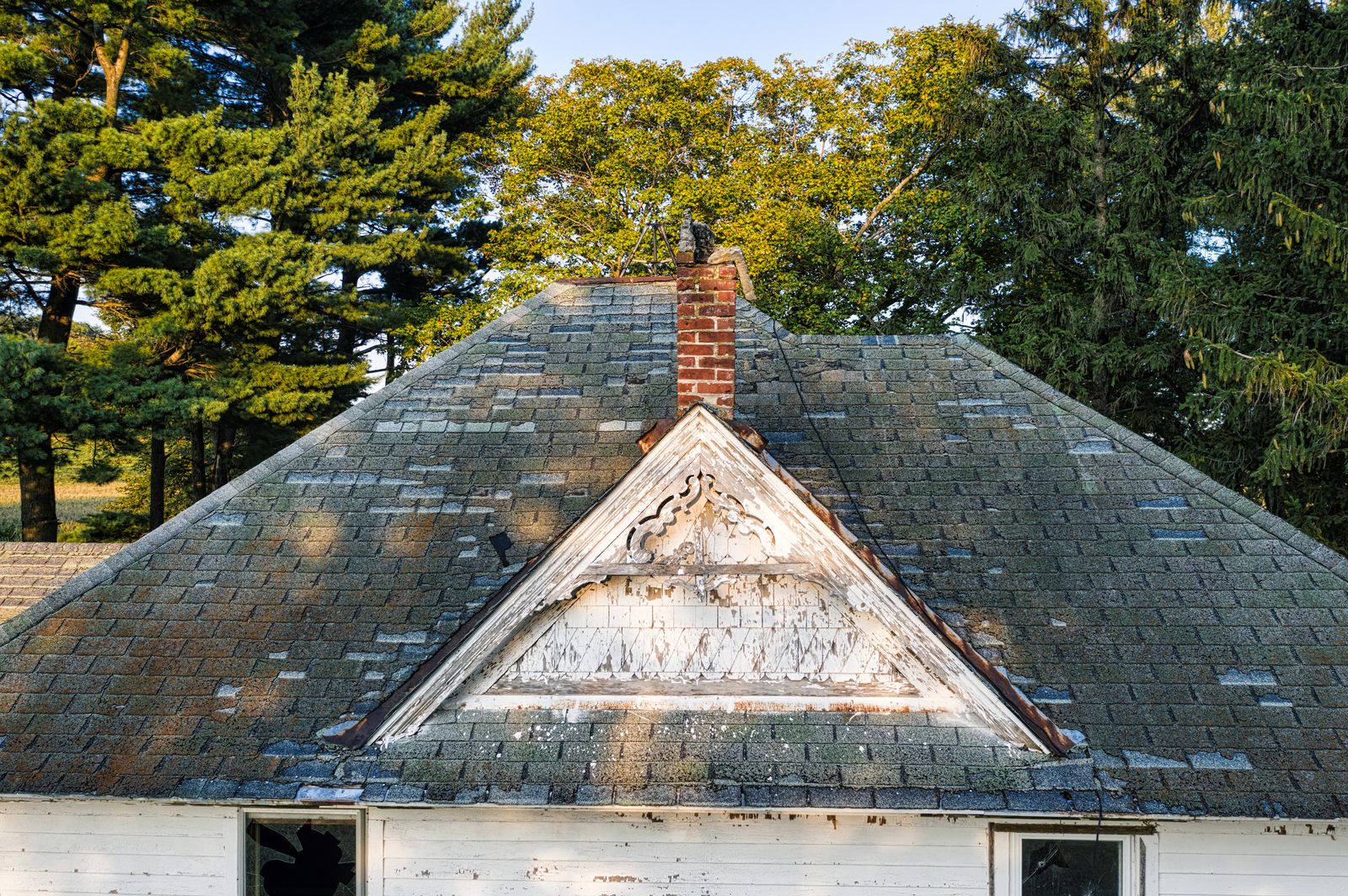
From the exterior, you may be able to spot missing, damaged, curled, or visibly worn shingles, although a proper roof assessment should be left to a qualified professional.

You also want to consider the home's attic and ventilation if those areas are accessible and appropriate to inspect.

Again, the goal isn't to decide from a five-minute walkthrough that the roof has exactly three years and four months left.

That's not how this works.

The goal is to identify whether the roof deserves further investigation.

An Older Roof Doesn't Automatically Mean "Run"

Here's where buyers sometimes get themselves into trouble.

They hear, "The roof is 12 years old," and immediately assume the home is a bad investment.

But roof age alone doesn't tell the whole story.

The type of roofing material, installation quality, weather exposure, maintenance, ventilation, and overall condition can all affect its lifespan.

A roof that's older but properly maintained may still have useful life remaining.

On the other hand, a roof that's technically younger could have problems if it was poorly installed or damaged.

That's why getting a professional opinion can be much more useful than relying on a generic lifespan estimate you found online.

What About Older Windows?

Windows are another common concern, especially in older Winnipeg homes.

Older windows may not provide the same energy efficiency as newer models, but that doesn't automatically mean every window needs to be replaced.

Look for visible damage, cracked glass, deteriorated frames, moisture between panes, difficulty opening or closing windows, and obvious drafts.

You can also pay attention to how comfortable the room feels during the showing.

Are certain rooms noticeably colder?

Does the area around the window feel drafty?

Are there signs of condensation or moisture?

These observations can help you decide whether the windows deserve closer attention.

Older Windows Can Affect More Than Energy Efficiency

Energy efficiency is one consideration, but it's not the only one.

Windows can also affect comfort, noise, moisture management, and the overall condition of the surrounding walls and trim.

If older windows have been allowing moisture into the home, there could potentially be damage beyond the window itself.

That doesn't mean every older window is a problem.

It means you should understand what you're dealing with before making a decision.

And if you're buying an older home, don't forget to ask whether any windows have already been replaced. You may find that some are newer while others are original.

Ask for the Maintenance History

This is one of the easiest ways to get more context.

Ask what work has been completed on the furnace, roof, windows, plumbing, electrical, and other major components.

If the homeowner has invoices, warranties, service records, or receipts, those can be useful.

You might discover that the furnace is older but has been serviced every year.

You might find out that the roof is older but has been repaired and maintained.

You might learn that half the windows were replaced five years ago.

Those details can completely change how you look at the property.

A house isn't a collection of installation dates. It's a property with a history.

Understanding that history can help you make a better decision.

Get a Home Inspection

If you're considering buying a home with an older furnace, roof, or windows, a professional home inspection can be especially valuable.

A home inspector can examine the home's major components and identify visible concerns that may not be obvious during a regular showing.

An inspection isn't designed to predict exactly when something will fail. No one has a crystal ball for furnaces and roofs.

Instead, it can help you better understand the current condition of the property and identify areas that may need attention.

That's useful information before you're fully committed to the purchase.

If the inspection identifies a significant concern, you can then discuss your options with your real estate professional and other appropriate professionals.

Think About the Timing, Not Just the Cost

Here's another important consideration.

Let's say the furnace is old, the roof is getting older, and the windows aren't exactly new.

You don't necessarily have three immediate replacement projects.

But what happens if all three need attention within a few years?

That's when timing becomes important.

Imagine buying the house and then discovering that the furnace needs replacing during your first winter, followed by a roof issue the following spring.

Even if the home was affordable on paper, those expenses could create some serious financial pressure.

When evaluating an older home, think about the potential maintenance timeline.

You may be comfortable with one major expense.

You may not be comfortable with three.

Knowing the difference can help you decide whether the property fits your financial situation.

Could an Older Home Give You Negotiating Room?

Sometimes.

The condition of major components can become part of the conversation when you're making an offer.

If a home has an older roof, furnace, or windows, that doesn't automatically mean the seller has to replace them before selling.

Real estate negotiations depend on the overall situation, including market conditions, the property's price, competing offers, the condition of the home, and the specific issue involved.

But if a professional inspection identifies a significant concern, that information may become relevant to your negotiations.

This is where having an experienced real estate agent can be helpful.

You want someone who can help you understand the situation without turning every aging component into a five-alarm emergency.

Don't Forget About Your Long-Term Plans

Think about how long you expect to own the property.

If you're planning to stay for 10 years, an older roof may become your problem at some point.

If you're buying the property as a shorter-term home, your priorities may be different.

The same applies to windows and mechanical systems.

Your decision should consider not only whether the home works for you today, but whether it still makes sense for your plans several years from now.

That's one of the reasons buying a home is more than simply finding a house you like.

You're buying the future maintenance responsibilities that come with it, too.

So, Should You Buy a Home With Older Major Components?

Maybe.

And that's actually the honest answer.

An older furnace, roof, or windows shouldn't automatically eliminate a property from your list.

Instead, ask yourself:

What condition are they in?

Have they been maintained?

Are there records available?

What repairs might be needed?

What replacement expenses could eventually come up?

Can your budget handle those expenses?

Does the home's price make sense considering its overall condition?

And most importantly, have you had the property properly assessed?

The right house isn't necessarily the one with the newest furnace, newest roof, and newest windows.

It might be the older home that's been well maintained, priced appropriately, and fits your lifestyle and financial plans.

The Bottom Line for Winnipeg Buyers

Buying a home with older major components isn't necessarily a deal breaker.

It simply means you need to do a little more homework.

Look beyond the cosmetic updates. Ask questions. Review maintenance history. Pay attention during showings. Get a professional inspection. Think about future costs and how they fit into your budget.

And don't let the word "old" automatically scare you.

Older doesn't always mean bad.

Sometimes it means the home has history, character, and a few components that are simply getting closer to the end of their useful life.

The important thing is knowing what you're getting into before you make the purchase.

If you're searching for a home in Winnipeg and you're not sure how to evaluate an older property, Ty Mitchell can help you look beyond the surface and ask the right questions. The goal isn't just to find a house you love. It's to find a home that makes sense for your lifestyle, your plans, and your budget.

Read

How to Tell If a Winnipeg Home Has Been Well Maintained

When you walk into a house you might notice the obvious things first. The kitchen looks great. The floors are clean. The walls have a fresh coat of paint. Maybe the bathroom has been updated and the backyard looks like it belongs in a landscaping magazine.

All good signs, right?

Maybe.

But when you're buying a home, especially in Winnipeg, it's worth looking beyond the fresh paint and pretty finishes. A house can look fantastic during a showing and still have a long list of maintenance issues hiding underneath the surface.

A well maintained home doesn't necessarily mean everything is brand new. In fact, some older Winnipeg homes have been cared for incredibly well over the years. What matters is how consistently the major systems, structure, exterior, and everyday components have been looked after.

So how can you tell?

Here are some of the things I recommend buyers pay attention to when trying to figure out whether a Winnipeg home has been properly maintained.

Start With the Overall Condition

Before getting too focused on individual features, take a step back and look at the home as a whole.

Does the property generally feel cared for?

Look at the condition of the walls, ceilings, floors, doors, trim, cabinets, and fixtures. You're not looking for perfection. You're looking for patterns.

A few scuffs on the wall are normal. A loose doorknob isn't exactly a five-alarm emergency either. But if you notice multiple small repairs that have clearly been ignored, it could be worth digging a little deeper.

Pay attention to things that appear unfinished or temporarily repaired. A ceiling stain that has been painted over, several cracked tiles, water-damaged trim, or a collection of DIY fixes could be clues that the homeowner has been putting maintenance on the back burner.

One little issue doesn't automatically mean there's a major problem. Several together might tell a different story.

Take a Good Look at the Roof

Winnipeg weather is not exactly gentle on homes.

Between snow, ice, wind, freezing temperatures, spring melt, and plenty of temperature swings, the roof has a lot to deal with.

You may not be able to fully inspect the roof during a showing, but you can still look for obvious signs of trouble.

From the ground, check whether the shingles appear damaged, curled, missing, or unusually worn. Look around the eavestroughs and downspouts as well.

Inside the home, look at ceilings and upper-level walls for signs of water staining or discoloration. Don't automatically assume every stain means an active leak, but don't ignore it either.

Ask the seller or listing agent about the age of the roof and whether any repairs have been completed.

If you're serious about the property, a professional home inspection can provide a much better assessment.

Check the Windows and Doors

Windows are another area where you can learn a lot about how a home has been maintained.

Open and close several windows during your showing. Do they operate smoothly? Do they appear damaged or difficult to use?

Look for visible condensation between panes, damaged frames, cracked glass, or deteriorated seals.

Then take a look at the exterior doors. Do they close properly? Are there noticeable gaps? Is there damage around the frame?

These might seem like minor details, but poorly maintained windows and doors can affect comfort, energy efficiency, and moisture control.

And in a Winnipeg winter, you probably don't want your heating system working overtime because cold air is sneaking in around half the windows.

Pay Attention to the Basement

If you're buying a home in Winnipeg, the basement deserves your attention.

Walk around slowly and look at the walls, floors, ceilings, and exposed mechanical areas.

Keep an eye out for musty smells, visible moisture, water staining, cracks, peeling paint, or signs that something has been repaired recently.

If there are storage areas or rooms that are unusually packed with furniture and boxes, don't be afraid to look carefully. Sellers aren't necessarily trying to hide anything, but clutter can make it harder to see what's happening behind it.

Also look at the sump pump if the home has one. Ask how old it is and whether the homeowner has experienced water issues in the past.

Again, you're not trying to perform your own professional inspection. You're simply gathering clues.

Listen to the Furnace and Heating System

Winnipeg winters make your heating system pretty important.

During a showing, pay attention to the furnace and other heating equipment. Ask about the age of the furnace, when it was last serviced, and whether there are maintenance records available.

If the furnace is running, listen for unusual noises.

You can also ask about the home's heating history. Has the system ever needed major repairs? Has it been serviced regularly?

The same applies to other mechanical systems in the home, including air conditioning, hot water tanks, boilers, or fireplaces.

Knowing the age of these systems doesn't mean you'll automatically need to replace them. It simply gives you a better idea of what you're buying and what expenses might eventually be coming your way.

Look Under the Sinks

Here's a simple one that takes about 30 seconds.

Open the cabinets underneath the kitchen and bathroom sinks.

Look for water stains, swollen cabinetry, corrosion, leaks, or musty smells.

It's one of those areas that can easily be overlooked during a quick showing, but it can tell you a surprising amount about the home's plumbing history.

You can also turn on faucets and check that water flows normally. Pay attention to drainage and look for any obvious leaks.

You don't need to become a plumber before buying a house. You just want to notice anything that deserves a closer look.

Don't Forget the Electrical System

Older Winnipeg homes can have a wide variety of electrical systems, depending on when the property was built and what updates have been completed.

Look at the electrical panel. Is it clearly labelled? Does it appear reasonably maintained?

Check for loose outlets, damaged switches, exposed wiring, or extension cords being used as permanent solutions.

If the home is older, ask whether the electrical system has been updated and whether there are records or documentation available.

Electrical concerns are definitely something you want a qualified professional to evaluate rather than trying to diagnose yourself.

Check the Exterior, Too

The inside of a home might look fantastic while the exterior tells a completely different story.

Walk around the property if possible.

Look at the siding, brick, windows, foundation, deck, fencing, garage, driveway, and grading around the home.

Are there areas where water appears to collect? Is the driveway significantly cracked? Does the deck look stable? Is the garage in reasonable condition?

Pay particular attention to how water moves around the property.

Proper drainage and grading can be especially important in Winnipeg because snow and ice eventually turn into water. If water consistently moves toward the foundation, that's something worth investigating.

Ask About Maintenance Records

One of the easiest ways to learn whether a home has been maintained is to simply ask.

Do they have receipts for furnace servicing?

When was the roof replaced?

When were the windows installed?

Has the plumbing been updated?

Were major renovations completed by professionals?

Have there been insurance claims related to water damage?

The answers can help you build a maintenance timeline.

A homeowner who has kept receipts, warranties, inspection reports, and renovation records has made your job much easier.

That doesn't mean someone without a perfectly organized folder has neglected their home. But documentation can give buyers valuable context.

Look Beyond the Cosmetic Updates

This is a big one.

A renovated kitchen is nice. So are new floors, modern light fixtures, and a fresh bathroom.

But cosmetic improvements don't necessarily tell you whether a home has been well maintained.

Think about the things you don't see in listing photos.

The roof.

The furnace.

The plumbing.

The electrical system.

The windows.

The foundation.

The drainage.

Those aren't necessarily the most exciting features, but they're often much more important to the long-term condition of the property.

A home with an older kitchen but a well-maintained roof, furnace, plumbing, windows, and foundation could be a much better-maintained property than a freshly renovated house where the major systems have been neglected.

Don't Skip the Home Inspection

Even if a home looks incredibly well maintained, don't assume that means everything is perfect.

A home inspection can provide another layer of information and help identify issues that aren't obvious during a showing.

Think of your own observations as the first step, not the final verdict.

The goal isn't to find a home with absolutely nothing wrong with it. That's a pretty unrealistic standard. Every home has something.

The goal is to understand the home's condition, identify potential future expenses, and make a more informed decision before moving forward.

A good real estate agent can also help you know what questions to ask, what information to request, and when it makes sense to bring in the right professional.

A Well Maintained Home Doesn't Have to Be Perfect

This is probably the most important thing to remember.

Buying a home isn't about finding a property that has never had a problem.

Homes need maintenance. Furnaces age. Roofs eventually need replacing. Faucets leak. Decks need staining. Windows don't last forever.

That's normal.

What you want to know is whether the homeowner has generally stayed on top of those responsibilities.

A well maintained home usually shows signs of consistent care. The big systems have been looked after. Problems have been addressed instead of ignored. Repairs have been completed properly. And there is some history behind the work.

That's the kind of information that can help you feel more confident about what you're buying.

Buying a Home in Winnipeg? Look Past the Pretty Stuff.

When you're walking through a potential home, it's easy to get distracted by the kitchen, the fireplace, the backyard, or that one room that looks like it came straight out of a magazine.

Enjoy those things. That's part of the fun.

But take a few extra minutes to look at the less glamorous stuff, too.

Check the basement. Look at the windows. Ask about the roof. Listen to the furnace. Open the cabinets under the sinks. Walk around the exterior. Ask questions.

Because sometimes the best-maintained home isn't the one that looks the newest.

It's the one where the previous owners consistently took care of the things you don't necessarily notice at first glance.

If you're looking at homes in Winnipeg and want help figuring out what to pay attention to during showings, having an experienced real estate professional in your corner can make a big difference.

You can connect with Ty Mitchell at tysellswpg.com to get more guidance on buying a home in Winnipeg, evaluating potential properties, and making a decision that makes sense for your goals and budget.

Read
The trademarks REALTOR®, REALTORS®, and the REALTOR® logo are controlled by The Canadian Real Estate Association (CREA) and identify real estate professionals who are member’s of CREA. The trademarks MLS®, Multiple Listing Service® and the associated logos are owned by CREA and identify the quality of services provided by real estate professionals who are members of CREA. Used under license.
Powered by: REALTOR.ca