You don't necessarily need a bigger house.
Sometimes you just need your existing house to feel bigger.
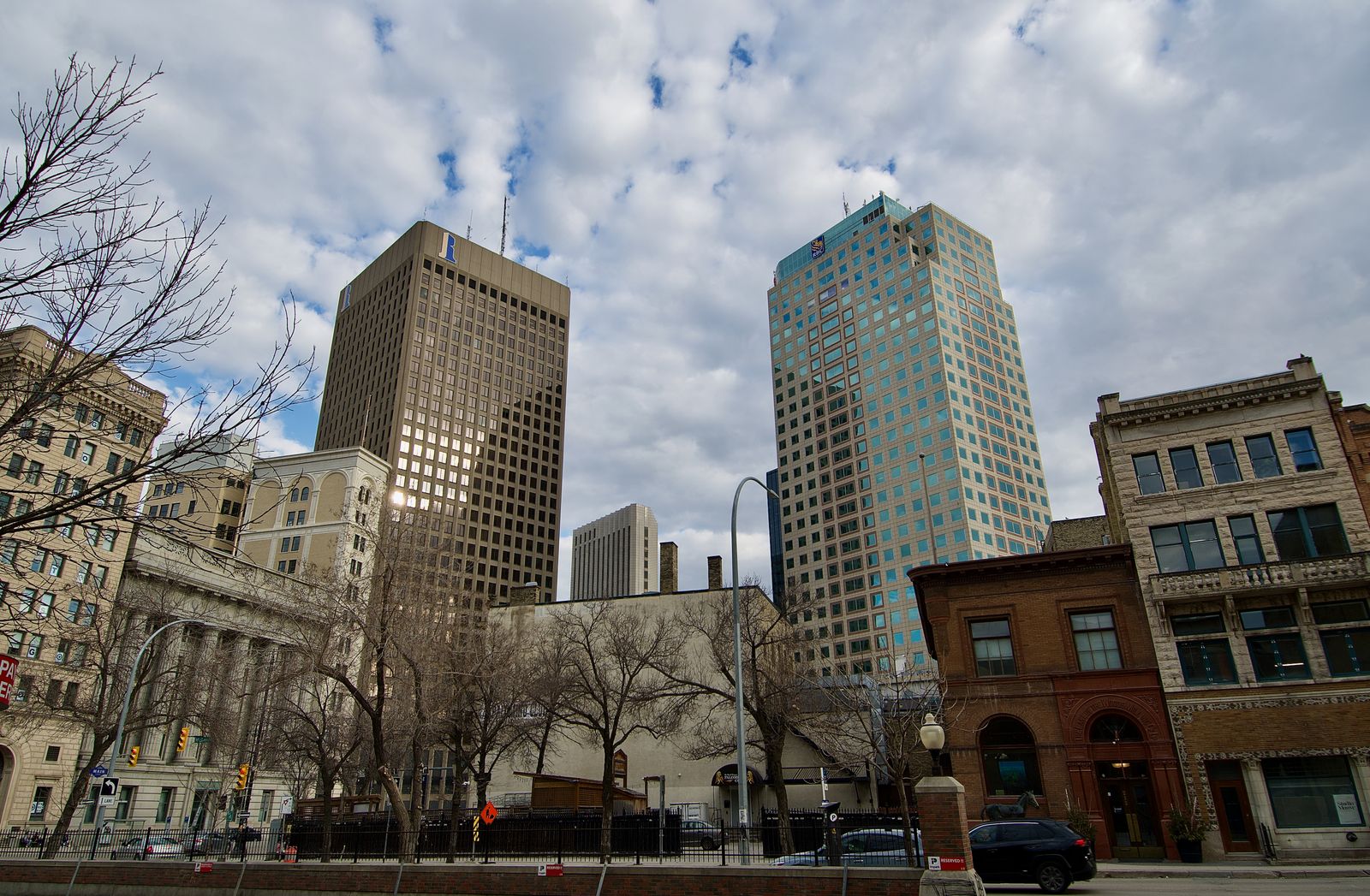
That might sound like a magic trick, but there are actually plenty of simple ways to make a home feel more spacious before putting it on the Winnipeg real estate market.
And no, we're not talking about knocking down walls or adding a second storey.
In many cases, the biggest difference comes from removing visual clutter, improving the flow of each room, making better use of light, and giving buyers a clearer idea of how much usable space the home actually has.
This matters because buyers aren't only looking at square footage.
They're also asking themselves how the home feels.
Does the living room feel cramped?
Can they easily walk through the kitchen?
Are the bedrooms comfortable?
Is there enough storage?
Does the basement feel useful?
A home that feels spacious, bright, and easy to move through can make a much stronger first impression.
So, if you're thinking about selling your Winnipeg home, here are some practical ways to make the space feel bigger before buyers walk through the door.
Start With the Most Important Rule: Declutter
If you only do one thing from this list, start here.
Declutter.
Furniture, decorations, boxes, toys, small appliances, paperwork, and everyday items can slowly take over a home. When you've lived somewhere for years, you may stop noticing how much stuff has accumulated.
Buyers notice.
The more objects competing for attention, the smaller a room can feel.
Start with countertops.
Clear off the kitchen island. Put away small appliances you don't use every day. Reduce the number of decorative items on shelves and tables.
Then move to the living areas.
Do you really need three side tables?
Could that oversized chair be moved?
Are there stacks of magazines, toys, blankets, or other items that can be stored away?
You aren't trying to make the house look empty. You're trying to give the space some breathing room.
Remove Furniture Before Adding Anything
This is one of the easiest mistakes sellers make.
When a room feels small, the instinct can be to add something to make it feel more finished.
A rug.
Another lamp.
A small table.
More shelving.
Usually, the better solution is the opposite.
Take something away.
Oversized furniture can make a room feel significantly smaller than it actually is.
If your living room has a large sectional, two chairs, multiple tables, and several decorative pieces, try removing one or two items.
Give buyers clear walking paths.
The goal is to make the room feel easy to navigate.
You want someone to walk in and immediately understand how the space could function.
Create Clear Walking Paths
Speaking of walking paths, pay attention to how people move through your home.
Can someone comfortably walk from the front entrance into the living room?
Can they get around the kitchen island without squeezing past furniture?
Can bedroom doors open fully?
Can you walk into the basement without navigating an obstacle course?
Clear pathways make a home feel larger because the eye can travel through the space more easily.
Move furniture away from major walkways where possible.
Avoid blocking doorways.
Keep hallways free of unnecessary furniture and storage.
It sounds simple, but these small changes can make a surprisingly big difference.
Use Light to Your Advantage
Dark rooms often feel smaller.
Bright rooms tend to feel more open.
That doesn't mean you need to install expensive new lighting throughout the house.
Start with what you already have.
Open curtains and blinds before showings.
Clean the windows.
Replace burnt-out bulbs.
Use lamps in darker corners.
Make sure basements and hallways aren't unnecessarily dark.
If a room has limited natural light, consider using brighter, appropriately sized lighting to make the space feel more inviting.
And don't forget about the colour of your light bulbs. Consistent lighting can help the home feel more cohesive.
When buyers walk through a bright home, they can often see more of the space at a glance.
Don't Ignore Your Windows
Windows can make a room feel dramatically different.
Heavy curtains or bulky window coverings can block natural light and make the room feel enclosed.
If possible, simplify your window treatments before listing.
Clean the windows.
Open the curtains.
Remove anything that unnecessarily blocks the view or light.
If you have a great backyard, mature trees, or a nice neighbourhood view, let buyers see it.
The view outside can become part of the perceived space inside.
Use Mirrors Strategically
Mirrors aren't going to magically add square footage to your home.
But they can help create the perception of more space.
A strategically placed mirror can reflect light and make a room feel more open.
This can work particularly well in smaller entryways, hallways, dining areas, or rooms with limited natural light.
The key word is strategically.
You don't need to cover every wall with mirrors.
One well-placed mirror can be much more effective than turning the room into a funhouse.
Keep Your Colour Palette Simple
You don't necessarily need to repaint your entire house before selling.
But if your home has lots of different colours competing from room to room, it may feel more visually divided.
A relatively simple and cohesive colour palette can make rooms feel connected.
If you already have neutral walls, you're probably in good shape.
If you have one particularly bold room, consider whether the colour makes the room feel smaller or more closed in.
A fresh coat of paint can sometimes make a meaningful difference, especially if the existing walls are scuffed, dark, or dated.
But remember, paint isn't a magic solution.
It works best when combined with decluttering, better lighting, and thoughtful furniture placement.
Make Your Kitchen Feel More Spacious
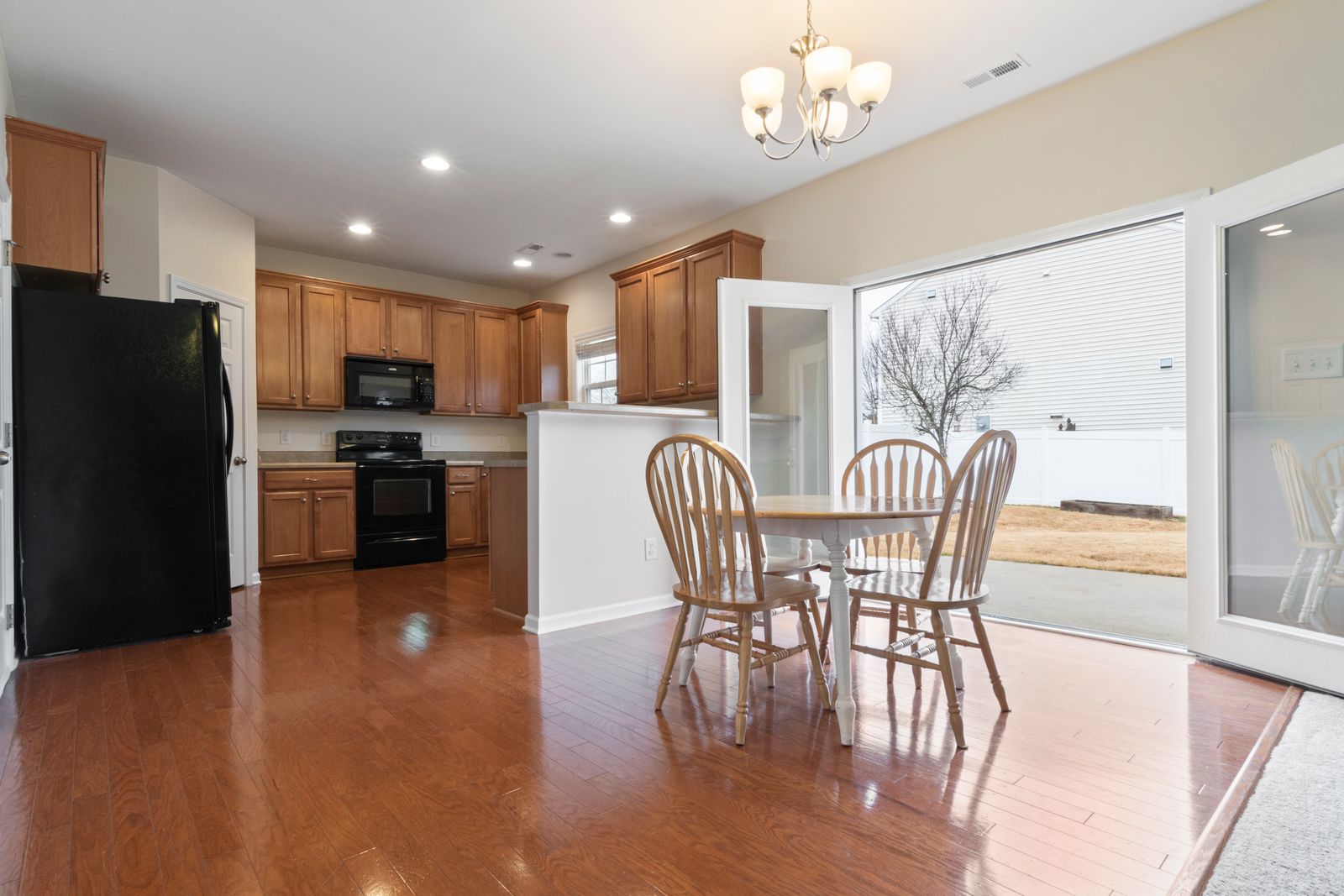
Kitchens are one of the most important areas to focus on because buyers tend to pay close attention to them.
Start by clearing the countertops.
Put away appliances that aren't necessary.
Remove excess magnets and papers from the refrigerator.
Organize open shelving.
Clean the cabinet fronts.
If you have a kitchen island, keep it relatively clear.
You want buyers to see the available counter space and understand how the kitchen functions.
A crowded kitchen can feel much smaller than it actually is.
A clean, organized kitchen can make the exact same room feel significantly more spacious.
Give Your Bedrooms Some Breathing Room
Bedrooms don't need to look like hotel rooms.
But they should feel comfortable.
Start with the bed.
Is it too large for the room?
Is there enough space to walk around it?
Are nightstands overcrowded?
Is there furniture that isn't really necessary?
Remove excess items from dressers and nightstands.
Keep closets organized, too.
A buyer who opens a closet and sees clothes packed tightly from floor to ceiling may assume there isn't enough storage.
You might have plenty of storage.
They just can't see it.
Make Closets Look Bigger
This is a surprisingly important one.
You don't need to have enormous closets.
You need to make the closets you have look useful.
Start by removing clothing and belongings you don't currently use.
Pack seasonal items away.
Organize shoes.
Reduce the number of items on shelves.
Try to leave some visible empty space.
Empty space helps buyers understand the storage capacity.
If every inch of the closet is packed, the buyer may wonder whether their belongings will fit.
You may be storing half your life in there.
They don't know that.
All they see is a full closet.
Don't Forget the Basement
For many Winnipeg homes, the basement represents valuable additional space.
Whether it's finished or unfinished, make sure buyers can actually see it.
Clear away unnecessary storage.
Organize boxes.
Create defined areas.
If the basement has a finished recreation room, make it feel like a usable living area rather than a dumping ground.
If it's unfinished, keep it clean and organized so buyers can see the potential.
A basement can feel much larger when the floor is visible and the layout is easy to understand.
Make the Entryway Feel Open
The entryway is one of the first spaces buyers experience.
And in Winnipeg, this area can become a disaster zone pretty quickly.
Coats.
Boots.
Shoes.
Hats.
Gloves.
Bags.
Winter gear.
It all adds up.
During the colder months, especially, try to keep only the essentials near the entrance.
Store excess shoes and jackets elsewhere.
Keep the floor clear.
Make sure the entryway is well lit.
You want buyers to walk through the front door and immediately feel that the home has room to breathe.
Take Advantage of Outdoor Space
Your home's perceived size doesn't stop at the interior walls.
A tidy backyard, deck, patio, or balcony can make the overall property feel more spacious.
Clean up outdoor clutter.
Put away gardening tools.
Organize toys.
Clear the deck.
Trim overgrown landscaping.
If you have a patio table or outdoor seating area, arrange it so buyers can easily picture themselves using the space.
You're showing buyers that the property offers more than just four interior walls.
Store the Stuff You Don't Need Right Now
One of the biggest challenges when preparing a home for sale is that you still have to live there.
You're not moving tomorrow.
So what do you do with all your belongings?
If possible, temporarily store items that aren't necessary.
This could mean using a storage unit, asking family for help, or simply packing boxes early and neatly storing them somewhere appropriate.
Think of it as getting a head start on moving.
You're eventually going to have to pack all of that stuff anyway.
Why not let it help your home look more spacious while you're selling?
Don't Forget About the Garage
The garage is easy to overlook.
Buyers don't.
If your garage is packed so tightly that you can't park a vehicle inside, it may be difficult for buyers to understand its full potential.
Organize tools.
Clear unnecessary boxes.
Use shelving where appropriate.
Get rid of items you don't need.
If there is room to park a vehicle inside, consider doing so during showings.
It helps demonstrate the usable space.
The same principle applies to sheds and other storage areas.
Avoid Over-Staging
There's a difference between staging and decorating every available surface.
You don't want to replace your clutter with someone else's clutter.
A few carefully selected pieces of furniture and decor can help buyers understand how a room functions.
Too much can have the opposite effect.
If you're unsure whether a room needs more furniture or less, less is often worth considering.
Your goal is to show the space, not fill every square foot.
Don't Spend Thousands Without a Plan
One of the biggest mistakes sellers can make is assuming they need to spend a fortune to make their home feel bigger.
You probably don't.
Before you start a major renovation, talk with your real estate agent.
Ask what buyers are likely to notice.
Ask which improvements are likely to make the biggest difference.
Ask which projects might not be worth the investment.
Sometimes the best changes are inexpensive.
Decluttering.
Cleaning.
Rearranging furniture.
Improving lighting.
Organizing closets.
Refreshing paint.
These changes can sometimes make a bigger difference than an expensive renovation that buyers weren't asking for.
Take Photos Before You List
Here's a useful trick.
Take photos of your rooms before and after you declutter and rearrange them.
Why?
Because a room can look completely different through a camera lens.
Something that looks fine in person may look crowded in listing photos.
And since many buyers will see your home online before they ever step through the front door, photography matters.
Your home needs to look spacious not only in person but also on a screen.
The Goal Isn't to Make Your Home Look Huge
There's a difference between making a home feel bigger and trying to make it look like something it isn't.
You don't need to hide the fact that a bedroom is compact.
You don't need to use tricks to make buyers think your home has more square footage.
Instead, focus on showing the space honestly and making the most of what you have.
A smaller home can still feel comfortable, functional, bright, and inviting.
Sometimes the goal isn't to make buyers think, "Wow, this house is enormous."
It's simply to make them think, "I could see this working for me."
Ready to Make Your Winnipeg Home Feel Bigger?
Before listing your Winnipeg home, take a walk through every room with fresh eyes.
Remove what you don't need.
Rearrange what isn't working.
Open the curtains.
Clean the windows.
Clear the countertops.
Organize the closets.
Make the basement usable.
Tidy the garage.
Give each room some breathing room.
And before you spend money on a major renovation, get professional advice about whether the project is actually worth doing.
The best preparation strategy is rarely about doing the most work. It's about doing the right work.
If you're thinking about selling your Winnipeg home and want help figuring out what changes could make the biggest difference before listing, connect with Ty Mitchell at tysellswpg.com. A thoughtful pre-listing conversation can help you prioritize the improvements that make sense for your property, your budget, and the buyers you're trying to reach.