RSS

What to Expect During Your First Year as a Homeowner

Buying a home is one of the biggest milestones you'll ever achieve. After weeks or even months of searching, making offers, completing inspections, and signing paperwork, you've finally received the keys. It's an exciting moment that deserves to be celebrated.

Then reality sets in.

Owning a home is different from renting. Suddenly, you're responsible for everything inside and outside your property. You'll discover small maintenance tasks, learn how your home's systems work, create new routines, and probably make a few trips to the hardware store that you never expected.

The first year of homeownership is full of learning experiences. While there may be a few surprises along the way, most homeowners quickly discover that the rewards far outweigh the challenges.

If you've recently purchased a home in Winnipeg or you're planning to become a homeowner soon, here's what you can realistically expect during your first year.

Your Budget Will Change

Many first-time buyers focus mainly on their monthly mortgage payment.

However, homeownership includes several additional expenses that become part of your regular budget.

Property taxes.

Utilities.

Home insurance.

Routine maintenance.

Lawn care.

Snow removal.

Small repairs.

None of these costs should come as a surprise, but they often feel different when you're responsible for paying them yourself.

Creating a monthly home maintenance budget helps you stay financially prepared throughout the year.

You'll Get to Know Your Home

Every home has its own personality.

During your first year, you'll learn how your heating system operates during Winnipeg winters, how quickly your lawn grows in the summer, where your water shut-off valve is located, and which light switches seem to control absolutely nothing.

This learning period is completely normal.

Take time to familiarize yourself with your home's systems, electrical panel, plumbing, furnace, and appliances.

The more you know now, the easier future maintenance becomes.

Maintenance Becomes Part of Your Routine

Unlike renting, there's no landlord to call when something needs attention.

Fortunately, most maintenance tasks are relatively simple when handled early.

Throughout the year you'll likely find yourself:

Changing furnace filters.

Cleaning gutters.

Testing smoke detectors.

Checking weather stripping.

Replacing HVAC filters.

Inspecting your roof after storms.

These small tasks protect your investment and help prevent larger repairs later.

There Will Be Unexpected Expenses

Even well-maintained homes occasionally surprise their owners.

Maybe your dishwasher stops working.

Perhaps your garage door opener needs replacing.

A faucet starts leaking.

A fence panel gets damaged during a storm.

Unexpected repairs are simply part of homeownership.

This is why many financial experts recommend keeping an emergency home repair fund for unexpected situations.

Having savings available reduces stress when repairs inevitably arise.

You'll Want to Personalize Your Space

One of the best parts of owning your home is making it your own.

Many homeowners begin with smaller projects like:

Painting walls.

Installing shelving.

Updating light fixtures.

Planting flowers.

Adding landscaping.

Replacing cabinet hardware.

These improvements help your house feel like home without requiring major renovations.

There's no need to complete everything immediately.

Your home will continue evolving over time.

You'll Learn That Every Project Takes Longer Than Expected

Many homeowners discover this lesson quickly.

You plan to organize the garage.

It becomes an entire weekend project.

You decide to repaint one bedroom.

Suddenly you're choosing new trim, replacing hardware, and rearranging furniture.

That's perfectly normal.

Give yourself grace and avoid feeling pressured to finish every improvement immediately.

Homeownership is a long-term journey, not a race.

You'll Become Familiar With Seasonal Maintenance

Living in Winnipeg means your home experiences four distinct seasons.

Each season brings different maintenance responsibilities.

Spring may involve checking for winter damage and cleaning gutters.

Summer is ideal for exterior maintenance and landscaping.

Fall is the time to prepare your heating system and seal drafts.

Winter requires snow removal and monitoring for ice buildup.

Following a seasonal maintenance schedule helps protect your home year-round.

You'll Meet Your Neighbors

The first year is also about becoming part of your community.

Introduce yourself to neighbors.

Explore nearby parks.

Visit local restaurants.

Attend community events.

Learning about your neighborhood makes your new house feel like home much faster.

Strong neighborhood connections often become one of the most rewarding parts of homeownership.

Your Home Will Teach You Patience

Not every project needs to happen immediately.

It's easy to create a long list of upgrades after moving in.

New flooring.

Kitchen updates.

Bathroom renovations.

Landscaping.

New furniture.

Remember that it's perfectly okay to tackle these projects gradually.

Many of the most beautiful homes evolve over several years rather than several weeks.

Keep Good Records

Create a simple folder for important home documents.

Store:

Warranty information.

Repair receipts.

Appliance manuals.

Insurance documents.

Renovation records.

Maintenance schedules.

Keeping everything organized makes future repairs, renovations, and even selling your home much easier.

Celebrate Your Progress

Sometimes homeowners become so focused on maintenance and projects that they forget to enjoy the home they've worked so hard to purchase.

Host friends for dinner.

Decorate for the holidays.

Enjoy your backyard.

Watch your children or pets play.

Relax with a morning coffee on your deck.

Your home isn't simply another responsibility.

It's the place where your life happens.

Take time to appreciate that.

The First Year Builds Confidence

By the end of your first year, you'll likely be surprised by how much you've learned.

You'll know where everything is.

You'll understand your home's seasonal needs.

You'll feel more confident handling maintenance.

Most importantly, your new house will truly feel like home.

Every homeowner starts as a beginner.

Experience comes one season, one project, and one success at a time.

Final Thoughts

The first year of homeownership is filled with exciting milestones, valuable lessons, and a few unexpected surprises. While adjusting to new responsibilities can feel overwhelming at times, every maintenance task, improvement project, and neighborhood discovery helps you become a more confident homeowner.

Remember that no home is perfect, and no homeowner knows everything on day one. The goal isn't perfection. It's learning, growing, and taking care of one of the biggest investments you'll ever make.

As the months go by, your routines will become second nature, your projects will come together, and your house will begin to reflect your personality and lifestyle. Before long, you'll look back and realize just how far you've come.

Owning a home isn't just about having a place to live. It's about creating a space where memories are made for years to come.

Whether you're buying your very first home or planning your next move in Winnipeg, having a knowledgeable real estate professional on your side makes the journey much easier.

Ty Mitchell is committed to helping buyers make informed decisions before, during, and long after they receive the keys. If you're ready to begin your homeownership journey or have questions about buying a home in Winnipeg, visit https://tysellswpg.com/ for expert advice, local market insights, and personalized guidance every step of the way.
Read

How to Declutter Before a Major Move

Moving to a new home is exciting. It's the beginning of a fresh chapter, new memories, and new opportunities. But before you start packing boxes and loading the moving truck, there's one important step that can make your entire move easier. Decluttering.

Many homeowners don't realize how much stuff they've accumulated over the years until it's time to move it. Closets are packed with clothes that haven't been worn in years. Garages become storage units for forgotten projects. Kitchen cabinets are filled with gadgets that rarely see the light of day.

The truth is simple. Every item you decide to keep is something you'll need to pack, carry, move, unpack, and find a place for in your new home.

Decluttering before your move saves time, lowers moving costs, helps your home show better if you're selling, and gives you the opportunity to start fresh in your next home.

If you're preparing for a move in Winnipeg, here's how to make the decluttering process simple and manageable.

Start Earlier Than You Think

Decluttering is not something you want to leave until the last weekend before moving day.

Ideally, begin four to six weeks before your move.

Breaking the project into smaller tasks makes it far less overwhelming.

Instead of trying to tackle the entire house in one day, focus on one room or even one closet at a time.

Small wins build momentum, and before you know it, you'll have made significant progress.

Ask Yourself One Simple Question

Every item in your home should answer one simple question.

"Would I buy this again today?"

If the answer is no, it may be time to let it go.

Another helpful question is, "Have I used this in the past year?"

If not, there's a good chance you won't miss it after the move.

Being honest with yourself is one of the most effective ways to reduce unnecessary clutter.

Sort Everything Into Four Categories

As you work through each room, create four categories.

Keep.

Donate.

Sell.

Dispose.

Every item should immediately go into one of these groups.

Avoid creating a "maybe" pile whenever possible.

Those items often end up packed anyway, defeating the purpose of decluttering.

Making decisions as you go keeps the process moving forward.

Begin With the Easy Stuff

Start with areas that have little emotional attachment.

Try spaces like:

Linen closets.

Bathrooms.

Laundry rooms.

Storage shelves.

Pantries.

These rooms allow you to build confidence before moving on to more sentimental belongings like family photos or keepsakes.

Declutter One Room at a Time

Jumping between rooms often creates unnecessary chaos.

Instead, finish one room completely before moving to the next.

Complete one bedroom.

Then move to another.

Finish the kitchen before tackling the garage.

This method helps you clearly see progress and keeps your home organized throughout the process.

Be Honest About Duplicate Items

Many homeowners own multiple versions of the same item.

Extra coffee mugs.

Duplicate kitchen utensils.

Unused small appliances.

Old extension cords.

Multiple sets of tools.

You probably don't need all of them.

Keep the items you regularly use and donate the rest.

Your new kitchen and storage spaces will thank you later.

Sell Valuable Items You No Longer Need

Moving presents a great opportunity to earn extra money.

Furniture.

Sporting equipment.

Electronics.

Outdoor tools.

Collectibles.

These items may have value even if you no longer use them.

Online marketplaces, community groups, and garage sales can help offset some of your moving expenses.

Donate Items in Good Condition

Many items that no longer fit your lifestyle could be incredibly valuable to someone else.

Clothing.

Books.

Kitchenware.

Furniture.

Household décor.

Children's toys.

Donating gently used belongings not only reduces what you have to move but also benefits your local community.

It's a rewarding way to simplify your move while helping others.

Digitize Important Paperwork

Paper clutter can quickly add up.

Old manuals.

Receipts.

Tax records.

Personal files.

Whenever appropriate, scan important documents and store digital copies securely.

You'll reduce paperwork while making documents easier to access in the future.

Always keep original legal documents in a safe place.

Don't Forget the Garage and Basement

Garages and basements often become catch-all storage areas.

Old paint cans.

Broken furniture.

Unused sports equipment.

Holiday decorations.

Construction materials.

These spaces typically contain the largest amount of unnecessary belongings.

Give yourself extra time to sort through these areas carefully.

You'll likely find far more items to donate or dispose of than expected.

Think About Your New Home

As you decide what to keep, picture your new home.

Will that oversized sectional actually fit?

Do you still need patio furniture if you're moving into a condo?

Will your storage needs change?

Thinking ahead helps you make smarter decisions today instead of discovering problems after you've moved.

Decluttering Helps Your Home Sell

If you're selling your current home, decluttering offers another major advantage.

A clean, organized home appears larger, brighter, and more inviting to buyers.

Buyers want to imagine themselves living in the home.

Too much furniture or clutter makes that more difficult.

A tidy home often photographs better, shows better, and leaves a stronger first impression.

Celebrate Progress Along the Way

Decluttering is a marathon, not a sprint.

Celebrate your progress after completing each room.

Take a break.

Enjoy a favorite meal.

Cross another task off your checklist.

Recognizing your accomplishments keeps motivation high as moving day approaches.

Final Thoughts

Decluttering before a major move is one of the smartest things you can do. It reduces stress, lowers moving costs, makes packing easier, and helps you start fresh in your new home.

Rather than viewing decluttering as another chore, think of it as an opportunity. Every item you choose not to move creates more space, more organization, and a simpler beginning in your next home.

By starting early, working room by room, making thoughtful decisions, and focusing on what truly adds value to your life, you'll make moving day significantly more manageable.

A successful move doesn't begin with packing boxes. It begins with deciding what deserves a place in your next chapter.

Whether you're preparing to sell your current home, searching for your next one, or trying to coordinate both at the same time, having an experienced real estate professional by your side makes every step easier.

Ty Mitchell helps Winnipeg homeowners prepare their homes for sale, maximize their property's value, and make every move as smooth as possible. If you're planning your next move and want expert guidance from start to finish, visit https://tysellswpg.com/ and connect with Ty today.

Read

Buying and Selling at the Same Time. What You Need to Know

Buying a new home while selling your current one can feel like juggling two full-time jobs. You're searching for your dream home, preparing your current property for the market, negotiating offers, managing deadlines, and trying to make sure everything lines up perfectly.

It sounds overwhelming because, honestly, it can be. But with the right plan and the right real estate professional guiding you through the process, buying and selling at the same time doesn't have to be stressful.

Many Winnipeg homeowners successfully navigate this situation every year. Whether you're upsizing for a growing family, downsizing after the kids move out, or relocating to a different neighborhood, understanding how both transactions work together can save you time, money, and unnecessary headaches.

Here's what you need to know before you jump into both sides of the market.

Start With a Financial Game Plan

Before looking at new homes, take time to understand your financial position.

Meet with a mortgage professional to determine how much you qualify for and whether your current home's equity will be needed for your next purchase.

Some homeowners can comfortably purchase before selling, while others need the proceeds from their existing home to fund the next one.

Knowing your budget early prevents disappointment and helps you make confident decisions throughout the process.

Understand Your Local Market

The local market plays a huge role in your strategy.

If homes are selling quickly and inventory is low, you may need to move faster when purchasing your next home.

If inventory is higher and homes are taking longer to sell, pricing your current home correctly becomes even more important.

Every market is different, and conditions can shift throughout the year.

Working with an experienced Winnipeg REALTOR® helps you understand what's happening locally and how it impacts your timing.

Decide Whether to Buy First or Sell First

One of the biggest questions homeowners face is which transaction should happen first.

Buying first offers the advantage of securing your next home before moving. However, it may mean carrying two mortgages temporarily if your current home hasn't sold.

Selling first provides financial certainty because you'll know exactly how much equity you have. The downside is that you may need temporary housing if you don't find your next home quickly.

There's no universal answer.

The right decision depends on your finances, comfort level, and current market conditions.

Prepare Your Current Home Early

Even if you're still shopping for your next home, preparing your current property early gives you a head start.

Complete minor repairs.

Declutter every room.

Improve curb appeal.

Deep clean the home.

Consider professional staging if appropriate.

Having your home market-ready allows you to list quickly once you're ready to move forward.

Coordinate Closing Dates Carefully

Timing is one of the most important parts of buying and selling simultaneously.

Ideally, you'll want your sale and purchase to close close together.

Some homeowners schedule the purchase a few days after selling.

Others negotiate longer possession dates.

Every situation is different.

Careful planning with your REALTOR®, lawyer, lender, and other professionals helps minimize gaps between the two transactions.

Be Ready for Competitive Situations

You may find your dream home before your current home sells.

Alternatively, your home could sell before you've found your next property.

Flexibility is essential.

Having backup plans, including temporary housing options or flexible possession dates, gives you more confidence if things don't unfold exactly as expected.

Consider Including Conditions

Depending on market conditions, some buyers include a condition allowing them to purchase only after selling their current home.

While this can reduce financial risk, sellers may prefer offers without this condition if multiple offers are available.

Your REALTOR® can help determine whether this strategy makes sense based on the current market.

Stay Organized Throughout the Process

Managing two transactions means keeping track of many moving parts.

Create a checklist that includes:

Showing appointments.

Mortgage deadlines.

Inspection dates.

Legal appointments.

Moving arrangements.

Utility transfers.

Possession dates.

Staying organized reduces stress and helps ensure nothing gets overlooked.

Don't Let Emotions Drive Decisions

Buying and selling homes can be emotional experiences.

You may fall in love with a home that's just outside your budget.

You may receive an offer that feels lower than expected.

It's important to remember that successful real estate decisions are based on facts, market conditions, and long-term goals, not just emotions.

Keeping your focus on the bigger picture often leads to better outcomes.

Expect Some Unexpected Twists

Even the best-planned transactions can experience surprises.

Financing may take longer.

Inspections could uncover repairs.

Closing dates might shift slightly.

A buyer's financing could require additional documentation.

Rather than expecting everything to go perfectly, prepare for a little flexibility along the way.

An experienced real estate professional helps solve problems before they become major obstacles.

Work With Experienced Professionals

Buying and selling simultaneously involves several professionals working together.

Your REALTOR®.

Mortgage advisor.

Real estate lawyer.

Home inspector.

Moving company.

Everyone plays an important role.

Having an experienced REALTOR® coordinating communication between these professionals helps keep everything moving smoothly and reduces unnecessary stress.

Keep Your Long-Term Goals in Mind

It's easy to become focused on individual negotiations during the process.

Instead, keep reminding yourself why you're moving.

Maybe your family needs more space.

Perhaps you're looking to reduce maintenance.

Maybe you're relocating closer to work or schools.

Remembering your long-term goals helps put temporary challenges into perspective.

Final Thoughts

Buying and selling a home at the same time may seem complicated, but thousands of homeowners successfully do it every year. The key is preparation, flexibility, and having experienced guidance from start to finish.

By understanding your finances, preparing your current home early, coordinating timelines carefully, and staying organized throughout the process, you'll be in a much stronger position to make smart decisions.

No two moves are exactly alike, and every homeowner's situation is different. That's why having a personalized strategy is far more valuable than following a one-size-fits-all approach.

With the right plan in place, your next move can feel exciting instead of overwhelming.

If you're thinking about buying your next home while selling your current one, you don't have to figure everything out on your own.

Ty Mitchell has helped countless Winnipeg homeowners successfully navigate both sides of the transaction with confidence. From creating a personalized selling strategy to helping you find the perfect next home, Ty is here to guide you every step of the way.

Visit https://tysellswpg.com/ to connect with Ty Mitchell and start planning your next move with expert advice you can trust.

Read

New property listed in Winnipeg

I have listed a new property at 933 Elizabeth Road in Winnipeg. See details here

2G//Winnipeg/Welcome to 933-935 Elizabeth Road, a well maintained duplex offering exceptional flexibility and income potential in one of Winnipeg's most desirable neighbourhoods. Perfect for investors, buyers looking to offset their mortgage, or multi generational families, this property features two self contained suites with separate entrances: a 2-bedroom, 1-bathroom unit and a 3-bedroom, 1-bathroom unit.Thoughtfully updated with custom renovated kitchens (17), bathrooms (24), roof shingles (24) , flooring, exterior paint (26), and various newer windows, this turnkey property reflects years of pride of ownership.Enjoy a double detached garage, front driveway, additional parking pad, and three individually secured basement storage areas. One for each suite plus a separate owner storage/mechanical room.Located in sought after Windsor Park, you'll love the mature streets, schools of all levels, parks, shopping, restaurants, public transit, and quick access to downtown.Whether you're growing your investment portfolio, living in one unit while generating rental income from the other, or accommodating extended family, 933-935 Elizabeth Road offers value, versatility, and an opportunity you won't want to miss. (id:2493)

Read

The Ultimate Packing Guide for Homeowners

Moving into a new home is exciting, but let's be honest, packing is usually the part people look forward to the least. It often starts with good intentions. You tell yourself you'll pack a little every day. Then suddenly it's moving week, and you're surrounded by half-filled boxes, missing tape, and wondering where the coffee maker ended up.

The good news is that packing doesn't have to be chaotic. With the right strategy, you can stay organized, protect your belongings, and make unpacking much easier once you arrive at your new home.

Whether you're moving across Winnipeg or relocating from another community, this guide will help you pack smarter, save time, and reduce stress along the way.

Start Earlier Than You Think You Need To

One of the biggest mistakes homeowners make is underestimating how long packing for a move actually takes.

A good rule of thumb is to begin packing four to six weeks before your moving day.

Start with items you rarely use, such as seasonal decorations, guest room furniture, extra kitchen appliances, books, and keepsakes.

As the moving day gets closer, gradually work your way toward everyday essentials.

Packing in smaller sessions feels much more manageable than trying to do everything in one weekend.

Declutter Before You Pack

Moving is the perfect opportunity to simplify your home.

Ask yourself one simple question before putting anything into a box.

Do I actually want to unpack this at my new house?

If the answer is no, consider donating, selling, recycling, or disposing of it.

Moving fewer belongings saves time, reduces moving costs, and helps your new home feel organized from the very beginning.

Many homeowners are surprised by how much they no longer need once they begin sorting through their belongings.

Gather the Right Packing Supplies

Using quality packing materials makes a significant difference.

Stock up on:

Sturdy moving boxes in various sizes.

Packing tape.

Permanent markers.

Bubble wrap.

Packing paper.

Furniture blankets.

Plastic storage bins for valuable items.

Zip-top bags for hardware and small parts.

Having everything ready before you begin prevents unnecessary interruptions.

Pack One Room at a Time

Trying to pack your entire house all at once quickly becomes overwhelming.

Instead, focus on one room at a time.

Finish packing one space before moving to the next.

This approach keeps your home more organized and makes unpacking easier because similar items stay together.

It also gives you a satisfying sense of progress throughout the moving process.

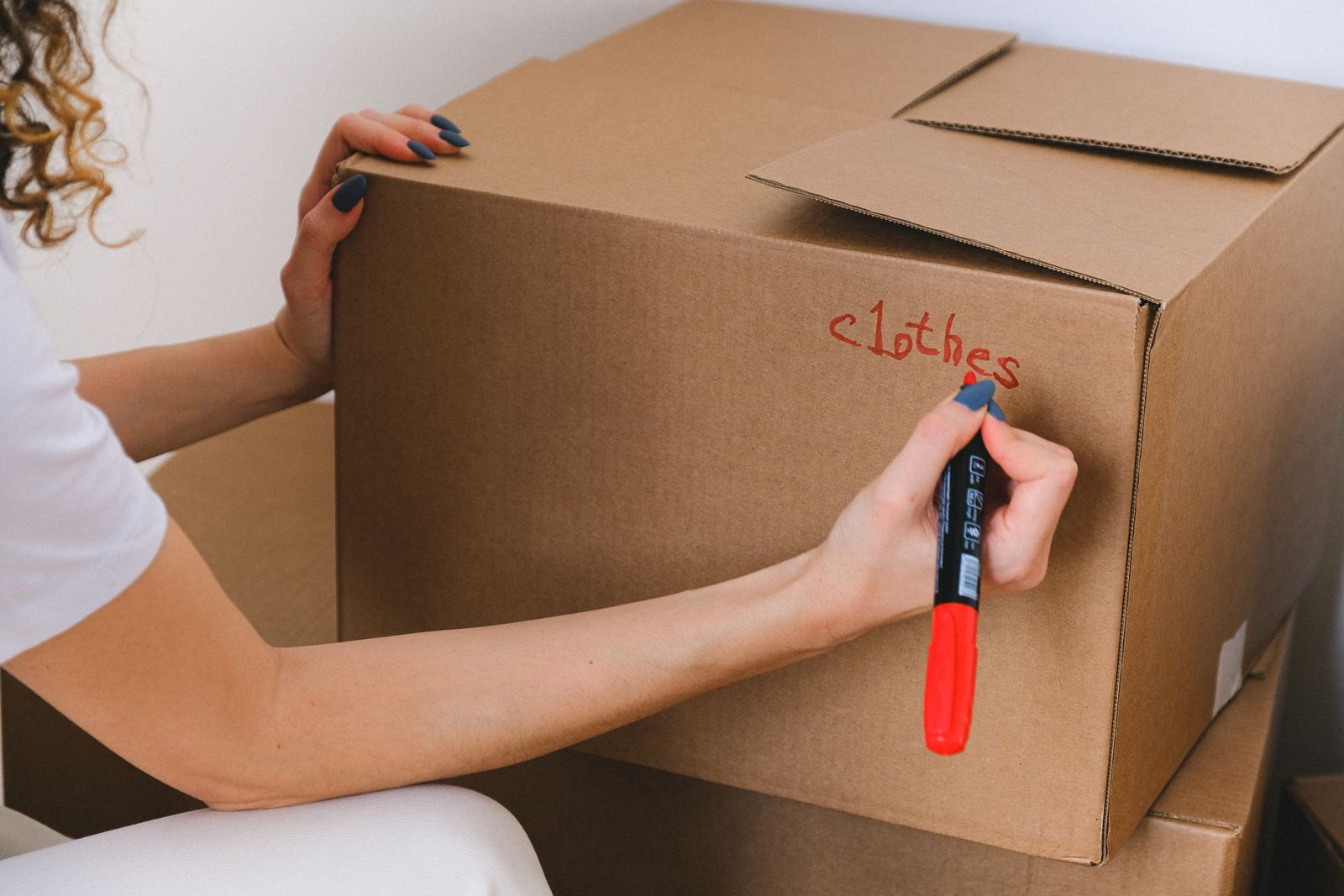
Label Every Box Clearly

A box labeled "Kitchen" is helpful.

A box labeled "Kitchen. Coffee Mugs. Coffee Maker Accessories. Open First" is even better.

Write the destination room on multiple sides of every box.

Include a brief description of the contents.

If something is fragile, make that obvious.

The more detailed your labels, the easier moving day becomes.

Keep an Essentials Box

Imagine arriving at your new home after a long day of moving.

The last thing you want is to search through twenty boxes looking for toothpaste.

Pack one clearly labeled essentials box with items you'll need immediately.

Include things like:

Toiletries.

Phone chargers.

Basic cleaning supplies.

Paper towels.

Medication.

Important documents.

Coffee supplies.

Pet food.

Snacks.

A change of clothes.

This one box can make your first night much more comfortable.

Protect Fragile Items Properly

Glassware, dishes, artwork, and electronics deserve extra attention.

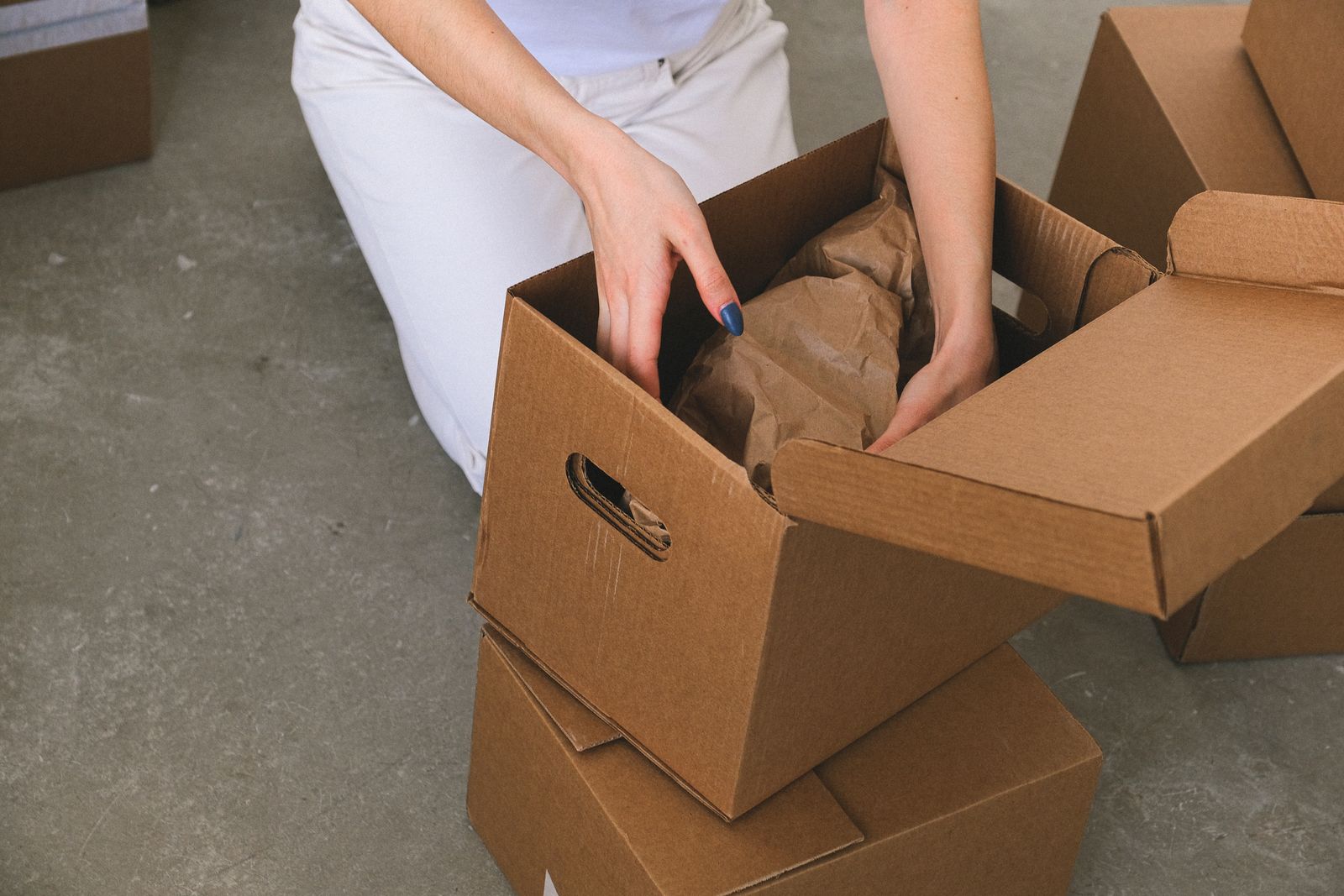
Wrap each fragile item individually using packing paper or bubble wrap.

Fill empty spaces inside boxes to prevent shifting during transport.

Avoid overloading boxes with heavy fragile items.

Taking extra time now can prevent expensive replacements later.

Photograph Electronics Before Disconnecting Them

Entertainment systems and home office setups often involve a maze of cables.

Before unplugging everything, take a few photos.

These reference pictures make reconnecting devices much faster once you've moved in.

You can also label cords with masking tape for even easier setup.

Don't Overpack Boxes

It may be tempting to fill every box completely.

However, extremely heavy boxes are difficult to lift and more likely to break.

Use small boxes for heavier items like books.

Reserve larger boxes for lightweight belongings such as pillows, linens, and clothing.

Your movers, and your back, will thank you.

Pack Important Documents Separately

Keep important paperwork with you rather than loading it onto the moving truck.

This includes:

Identification.

Mortgage documents.

Insurance information.

Legal paperwork.

Medical records.

Moving contracts.

Passports.

Keeping these documents nearby provides peace of mind throughout the move.

Take Photos of Valuable Belongings

Creating a simple photo inventory before moving can be extremely helpful.

Photograph valuable furniture, artwork, electronics, and collectibles.

These photos can assist with insurance claims if anything is damaged during the move.

They also help you remember how certain items were assembled or arranged.

Prepare Appliances Ahead of Time

Large appliances often require advance preparation.

Disconnect refrigerators early enough for them to defrost.

Drain washing machines if necessary.

Secure loose shelves and removable parts.

Consult owner manuals for any manufacturer recommendations before moving.

Planning ahead prevents delays on moving day.

Make Unpacking Easier

Packing smart also means unpacking smart.

As boxes arrive, begin with:

Bedrooms.

Bathrooms.

Kitchen essentials.

Everyday clothing.

Once the most important rooms are functional, you can unpack decorative items and storage spaces at a more relaxed pace.

Trying to unpack everything immediately often creates unnecessary stress.

Stay Flexible

No matter how carefully you plan, unexpected situations can happen.

Weather changes.

Moving trucks run late.

Boxes get mixed up.

Schedules shift.

Rather than aiming for perfection, focus on steady progress.

Keeping a positive attitude helps everyone enjoy the process a little more.

Remember that moving is temporary, but the memories you'll make in your new home will last for years.

Final Thoughts

Packing doesn't have to be overwhelming. With a little planning, the right supplies, and a room-by-room approach, you can make moving day far less stressful.

Starting early, decluttering before you pack, protecting fragile belongings, and staying organized will save you time both during the move and when you're settling into your new home.

Whether you're moving across Winnipeg or beginning an exciting new chapter elsewhere, thoughtful preparation allows you to spend less time worrying about boxes and more time enjoying your new space.

A successful move isn't about packing faster. It's about packing smarter.

Every successful move starts long before moving day. Whether you're preparing to buy your next home or getting ready to sell your current one, having the right real estate guidance can make the entire process feel much more manageable.

Ty Mitchell helps Winnipeg homeowners navigate every stage of the moving journey, from preparing a home for sale to finding the perfect next property. If you're planning a move and want expert advice along the way, visit https://tysellswpg.com/ and connect with Ty to make your next move as smooth and stress-free as possible.

Read
The trademarks REALTOR®, REALTORS®, and the REALTOR® logo are controlled by The Canadian Real Estate Association (CREA) and identify real estate professionals who are member’s of CREA. The trademarks MLS®, Multiple Listing Service® and the associated logos are owned by CREA and identify the quality of services provided by real estate professionals who are members of CREA. Used under license.