RSS

The Biggest Turn-Offs for Winnipeg Home Buyers

Selling a home is about much more than putting up a "For Sale" sign and waiting for offers to roll in. Today's buyers are more informed than ever. They browse dozens of listings online, attend multiple showings, compare properties side by side, and often make decisions within minutes of walking through the front door.

That means first impressions matter. The little details that homeowners overlook can become major red flags for buyers.

The good news is that many of the biggest buyer turn-offs are completely avoidable. By understanding what buyers notice and addressing those issues before listing your home, you can create a more positive experience, attract more interest, and increase your chances of selling quickly.

If you're preparing to sell your Winnipeg home, here are some of the biggest things that can turn buyers away.

Poor Curb Appeal

Buyers begin judging your home before they ever step inside.

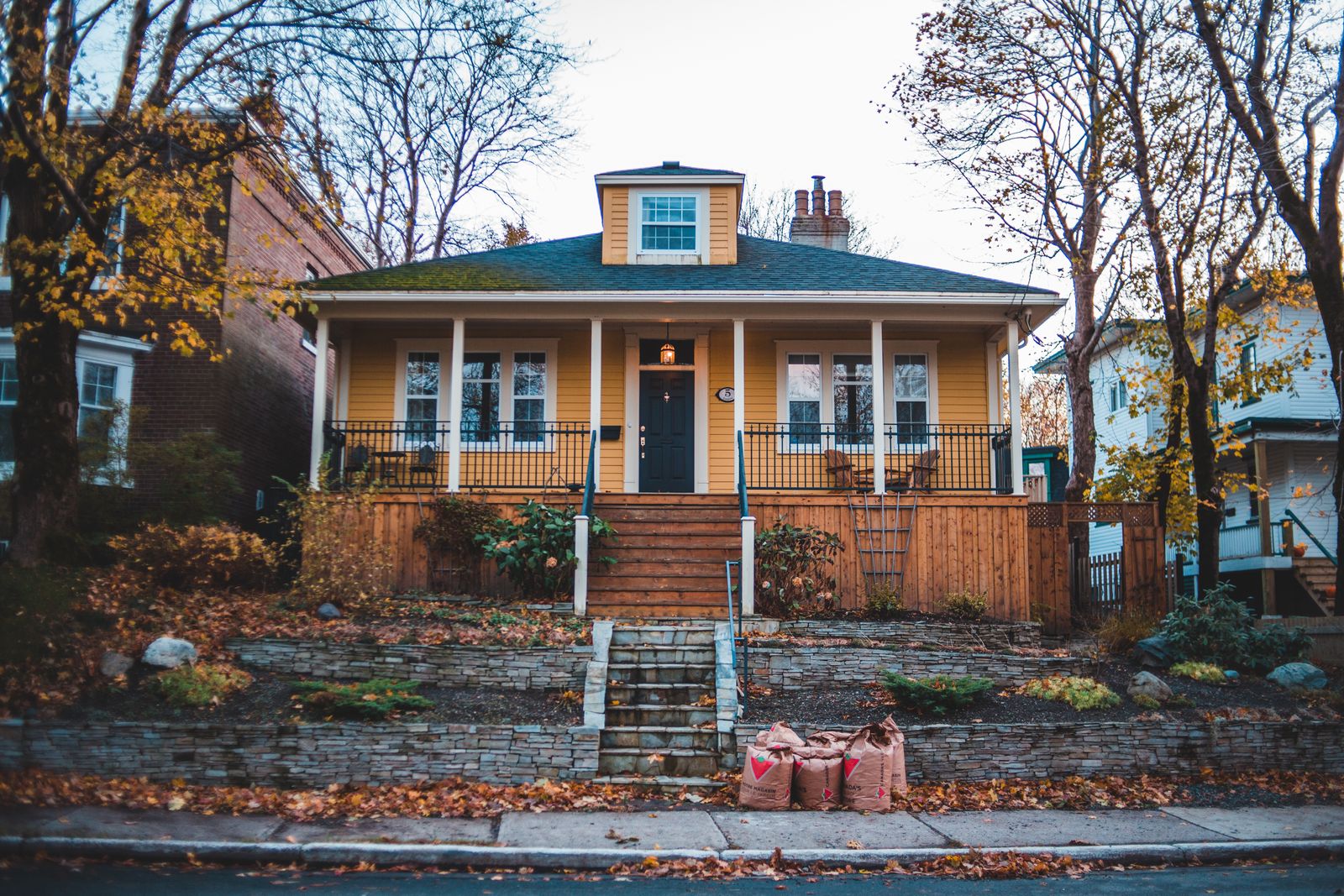
An overgrown lawn, peeling paint, cracked walkways, cluttered front porches, or neglected landscaping immediately create a poor first impression. Buyers naturally wonder if the inside of the home has received the same level of care.

Fortunately, improving curb appeal doesn't always require a major investment. Fresh mulch, trimmed shrubs, seasonal flowers, a clean driveway, and a freshly painted front door can instantly make your home feel more inviting.

Remember, your exterior sets the tone for everything buyers experience next.

Cluttered Living Spaces

One of the biggest mistakes sellers make is leaving too much personal clutter throughout the home.

Crowded countertops, overflowing closets, children's toys, excessive decorations, and bulky furniture can make rooms feel much smaller than they actually are.

Buyers want to imagine themselves living in the home, not feel like they're walking through someone else's daily life.

Decluttering helps create clean, open spaces that appear larger, brighter, and more functional.

Sometimes removing furniture actually adds value by making rooms feel more spacious.

Strong Odors

Smell is one of the most overlooked aspects of home preparation.

Pet odors, cigarette smoke, mildew, heavy cooking smells, scented candles, and overpowering air fresheners can all leave negative impressions.

Many homeowners become accustomed to the smells in their own homes and don't notice them anymore.

Before listing, deep clean carpets, wash curtains, clean upholstery, and improve ventilation throughout the home.

A clean, neutral smelling home allows buyers to focus on the property instead of unpleasant distractions.

Deferred Maintenance

Buyers notice maintenance issues almost immediately.

Dripping faucets, loose railings, cracked tiles, damaged drywall, peeling caulking, broken light fixtures, squeaky doors, and missing trim pieces may seem like minor problems individually.

Together, however, they send a message that the home hasn't been properly maintained.

Even buyers willing to renovate often wonder what larger issues may be hiding beneath the surface.

Taking care of small repairs before listing helps build buyer confidence.

Dark or Poorly Lit Rooms

Bright homes feel larger, cleaner, and more welcoming.

Dark rooms often appear smaller and less inviting, even if they offer plenty of square footage.

Before showings, open curtains, raise blinds, replace burnt out light bulbs, clean windows, and turn on lights throughout the home.

Natural light is one of the features buyers consistently appreciate.

Simple lighting improvements can completely change how a room feels.

Outdated Decor Everywhere

Not every home needs a complete renovation before hitting the market.

However, heavily outdated finishes can make buyers mentally calculate future renovation costs.

Wallpaper from decades ago, brightly colored walls, worn carpeting, old brass fixtures, and dated window coverings may distract buyers from the home's true potential.

Simple cosmetic updates like fresh neutral paint, modern lighting, updated cabinet hardware, and new faucets often provide a much better return than major remodeling projects.

An Untidy Kitchen

The kitchen is one of the most important rooms buyers evaluate.

Dirty appliances, overflowing countertops, greasy cabinets, full garbage bins, and cluttered pantries immediately reduce appeal.

A sparkling clean kitchen feels larger, newer, and better maintained.

Clear countertops, polish appliances, organize cabinets, and add simple decorative touches like fresh fruit or flowers to create an inviting atmosphere.

Buyers often imagine themselves gathering in the kitchen, so presentation matters.

Bathrooms That Feel Neglected

Bathrooms should feel clean, fresh, and well maintained.

Moldy grout, stained tubs, outdated caulking, water stains, and cluttered vanities can leave buyers questioning overall home maintenance.

Fortunately, many bathroom improvements are inexpensive.

Fresh towels, sparkling mirrors, clean grout, updated fixtures, and bright lighting can dramatically improve the space without requiring a complete renovation.

A clean bathroom leaves a lasting impression.

Poor Listing Photos

Today's buyers almost always discover homes online first.

If listing photos are dark, blurry, poorly composed, or taken with a cellphone, many buyers won't even schedule a showing.

Professional photography highlights your home's strengths and creates a positive first impression before buyers arrive.

High quality photos attract more online views, generate additional interest, and encourage buyers to see the home in person.

Marketing starts with visuals.

Pricing That Doesn't Match the Market

Even a beautifully prepared home can struggle if it's priced too high.

Today's buyers have access to market information and compare similar listings before scheduling showings.

An overpriced property often sits on the market longer, leading buyers to wonder why it hasn't sold.

Eventually, price reductions may become necessary.

Accurate pricing from the beginning helps attract qualified buyers and increases the likelihood of receiving competitive offers.

Limited Showing Availability

The easier it is for buyers to view your home, the more opportunities you create.

Restrictive showing schedules, last minute cancellations, or limited availability may prevent interested buyers from touring your property.

Some buyers are only available during evenings or weekends.

Being as flexible as possible allows more people to experience your home while interest is highest.

More showings often lead to stronger results.

Ignoring the Little Details

Sometimes it's the smallest details that leave the biggest impression.

Dusty ceiling fans, dirty baseboards, fingerprints on windows, burnt out bulbs, squeaky doors, loose cabinet handles, and overflowing storage spaces may seem insignificant.

Together, however, they influence how buyers perceive the overall condition of the property.

Preparing your home carefully before every showing demonstrates pride of ownership and reassures buyers that the property has been well cared for.

Attention to detail matters.

Final Thoughts

Every buyer walks into a home hoping to find "the one." As a seller, your goal is to eliminate distractions that prevent buyers from seeing your home's true potential.

Fortunately, many of the biggest turn-offs are easy and affordable to fix. Improving curb appeal, decluttering, making small repairs, deep cleaning, updating lighting, investing in professional photography, and pricing your home appropriately can dramatically improve your home's appeal.

You don't need a perfect home to attract buyers. You simply need a home that feels clean, welcoming, well maintained, and ready for its next owner.

By focusing on the details buyers notice most, you'll give your Winnipeg home the best possible opportunity to stand out in a competitive market.

Preparing your home for sale involves much more than cleaning and putting up a listing. Knowing what buyers notice first can make a significant difference in how quickly your home sells and the offers you receive.

Ty Mitchell has extensive experience helping Winnipeg homeowners prepare their properties to make outstanding first impressions. From pricing strategies to staging advice and customized marketing plans, Ty provides guidance that helps sellers maximize their home's potential. If you're thinking about selling, visit https://tysellswpg.com/ to connect with Ty Mitchell and create a selling strategy designed for success.
Read

How Professional Photography Helps Homes Sell Faster

When you're getting ready to sell your home, it's easy to focus on cleaning, staging, and making repairs. While those things are incredibly important, there's another step that can make an equally big impact on your sale. Professional photography.

Today's buyers almost always begin their home search online. Before they schedule a showing or contact a real estate agent, they're scrolling through listings, comparing homes, and deciding which properties deserve a closer look. In many cases, the photos determine whether they keep scrolling or click to learn more.

That means your listing photos are your home's first showing. They create the first impression, build excitement, and encourage buyers to imagine themselves living there.

If you're wondering whether professional photography is worth it, the answer is almost always yes. Here's why high quality listing photos can help your Winnipeg home sell faster and attract stronger interest.

Buyers Shop Online Before They Shop in Person

The way people buy homes has changed dramatically over the past decade.

Most buyers spend hours browsing online listings before ever stepping inside a property. They compare neighborhoods, prices, layouts, and features, often eliminating homes within seconds based entirely on the listing photos.

If your real estate listing photos are dark, blurry, poorly framed, or taken with a cellphone, buyers may assume the home itself isn't well maintained.

Professional real estate photography gives your listing the opportunity to stand out immediately, increasing the likelihood that buyers will schedule an in person showing.

First Impressions Matter More Than Ever

You only get one chance to make a first impression.

When buyers open a listing, the photos immediately shape their opinion of the property. Bright, clean, professionally composed images create excitement and curiosity.

On the other hand, poorly lit rooms, cluttered spaces, awkward angles, or distorted images can make even beautiful homes feel smaller and less inviting.

Professional real estate photographers understand how to showcase each room from its best angle while highlighting natural light, space, and flow.

The result is a listing that immediately feels more welcoming.

Better Photos Mean More Online Views

Attracting buyers starts with getting them to click on your listing.

Homes with high quality photography often receive more attention online because they look more appealing during searches. More clicks usually translate into more showings, and more showings often increase the chances of receiving offers.

Think of your listing like a movie trailer.

If the preview captures people's attention, they'll want to see the full experience.

Professional listing photography creates that same excitement for potential buyers.

Professional Photos Highlight Your Home's Best Features

Every home has features that deserve attention.

Maybe it's a renovated kitchen, beautiful hardwood floors, a spacious backyard, large windows, or an open concept layout.

Professional photographers know how to emphasize these strengths through lighting, composition, and perspective.

Instead of simply documenting each room, they tell the story of the home.

That storytelling helps buyers emotionally connect with the property before they even visit.

High Quality Photos Build Buyer Confidence

Professional photos don't just make a home look attractive. They also create credibility.

Buyers often associate high quality marketing with a well maintained property. If a seller invests in presenting the home professionally, buyers may assume the property has been cared for in other ways as well.

While photography alone won't determine the sale, it can help establish trust before buyers even walk through the front door.

That positive first impression often carries into the showing itself.

Professional Photography Helps Every Price Range

Some homeowners assume professional real estate photography is only necessary for luxury homes.

In reality, every listing benefits from quality images.

Whether you're selling a starter home, condominium, townhouse, or luxury property, professional photos help showcase the home's value and maximize buyer interest.

Every seller wants the widest possible audience.

Professional photography helps achieve exactly that.

Great Photography Works Hand in Hand With Home Staging

Real Estate Photography works best when paired with proper preparation.

Before photos are taken, clean every room thoroughly, remove clutter, organize countertops, open blinds, replace burnt out light bulbs, and add small decorative touches where appropriate.

Professional photographers can capture beautiful images, but the home's presentation still matters.

The combination of thoughtful staging and expert photography creates listings that buyers remember.

Professional Equipment Makes a Big Difference

Professional real estate photographers use specialized equipment that goes far beyond a smartphone camera.

Wide angle lenses capture rooms without distortion. Professional lighting balances shadows and highlights. Advanced editing enhances colors while maintaining a natural appearance.

The goal isn't to make the home look unrealistic.

Instead, professional photography accurately represents the property while presenting it at its absolute best.

That's something difficult to achieve with basic cameras alone.

Photography Supports Your Entire Marketing Strategy

Your listing photos don't just appear on the MLS.

They're used across social media campaigns, real estate websites, digital advertisements, email marketing, brochures, and promotional materials.

High quality photography gives your agent stronger marketing assets across every platform.

The more attractive your listing appears wherever buyers encounter it, the greater the opportunity to generate interest.

Professional images continue working long after the photoshoot ends.

More Interest Can Lead to Better Offers

While no marketing strategy can guarantee multiple offers, increased buyer interest often creates stronger competition.

The more qualified buyers who schedule showings, the better your chances of receiving favorable offers.

Professional photography helps create that initial momentum.

When buyers feel excited before visiting a property, they're often more emotionally invested once they arrive.

That emotional connection can positively influence purchasing decisions.

Professional Photography Is an Investment, Not an Expense

It's easy to focus on the upfront cost of professional photography, but it's better viewed as an investment in your home's marketing.

Compared to the value of your home, professional photography represents a relatively small expense with the potential to significantly improve buyer engagement.

Considering the role listing photos play in attracting buyers, it's one of the highest value marketing tools available.

When preparing to sell one of your largest financial assets, presenting it professionally simply makes sense.

Final Thoughts

Selling a home in today's market begins online, and your listing photos are often the deciding factor in whether buyers schedule a showing or move on to another property.

Professional photography showcases your home's strengths, creates memorable first impressions, increases online visibility, supports your overall marketing strategy, and helps buyers connect emotionally with the property.

Combined with thoughtful staging, proper pricing, and expert guidance, high quality photography becomes one of the most valuable tools for selling your Winnipeg home successfully.

If you want your home to stand out from the competition, investing in professional photography is one decision you'll rarely regret.

Every successful home sale starts with a smart marketing plan, and professional photography is one of the most important pieces of that strategy. Ty Mitchell understands how to showcase Winnipeg homes in a way that attracts serious buyers and maximizes interest from day one.

If you're thinking about selling your home and want expert advice on preparing, marketing, and presenting your property for the best possible results, visit https://tysellswpg.com/ to connect with Ty Mitchell and start building a strategy that helps your home stand out in today's market.

Read

Should You Renovate Before Selling Your Winnipeg Home?

If you're thinking about selling your home, one question almost always comes up. Should you renovate before putting it on the market?

It's a fair question, especially when you've lived in your home for several years. Maybe you've been putting off updating the kitchen, replacing old flooring, or repainting the walls. You might even wonder if buyers will overlook certain flaws or expect everything to be move in ready.

The truth is, not every renovation is worth doing before selling. While some improvements can help your home sell faster and attract stronger offers, others may cost more than they're worth. The goal isn't necessarily to create your dream home. It's to make smart updates that appeal to today's buyers while maximizing your return on investment.

If you're preparing to sell your Winnipeg home, here's what you should know before spending money on renovations.

Start With Your Home's Overall Condition

Before planning any upgrades, take an honest look at your home's current condition.

Walk through each room as if you were a buyer seeing the property for the first time. Look for chipped paint, outdated fixtures, worn flooring, damaged trim, squeaky doors, cracked tiles, or anything that immediately catches your eye.

Small imperfections may seem insignificant after years of living in the home, but buyers tend to notice them quickly. A house that appears well cared for often creates more confidence than one that looks neglected.

Sometimes simple maintenance goes much further than major renovations.

Fresh Paint Is Almost Always Worth It

If there is one update that consistently delivers value, it's fresh paint.

Neutral colors help brighten rooms, make spaces feel larger, and allow buyers to imagine their own furniture and style in the home. Bright or highly personalized colors can distract buyers and make rooms feel smaller.

Painting is relatively affordable compared to other renovations, yet it often creates one of the biggest visual improvements.

Choose soft whites, warm grays, or light beige tones to create a clean, welcoming appearance throughout the home.

Fix Small Repairs Before Listing

Little issues have a way of adding up in buyers' minds.

Loose cabinet handles, dripping faucets, broken light fixtures, damaged screens, squeaky hinges, missing caulking, and cracked outlet covers may seem minor individually. Together, they can create the impression that the home hasn't been properly maintained.

These repairs are usually inexpensive and can significantly improve the overall presentation of your property.

Think of them as polishing your home's first impression.

Kitchen Updates Don't Have to Be Expensive

The kitchen remains one of the most important rooms buyers evaluate.

Fortunately, you don't necessarily need a complete remodel.

Instead of replacing everything, consider updating cabinet hardware, installing modern light fixtures, replacing outdated faucets, repainting cabinets, or adding a stylish backsplash.

Even replacing older appliances with matching stainless steel models can improve the overall appearance without requiring a full renovation.

Small cosmetic improvements often provide excellent value.

Bathrooms Matter More Than You Think

Bathrooms are another area where buyers pay close attention.

Again, major renovations aren't always necessary.

Simple upgrades like replacing mirrors, updating faucets, installing new lighting, regrouting tile, replacing worn caulking, and adding fresh towels can make bathrooms feel much newer.

A clean, bright bathroom gives buyers confidence that the home has been properly maintained.

Improve Your Curb Appeal

Buyers begin forming opinions before they even walk through the front door.

Your home's exterior creates that critical first impression.

Mow the lawn, trim shrubs, clean walkways, wash siding, repaint the front door if needed, and add seasonal flowers or attractive planters.

Even simple landscaping improvements can dramatically increase curb appeal and encourage buyers to schedule a showing.

First impressions often influence everything that follows.

Avoid Over Improving the Property

One of the biggest mistakes sellers make is investing too much money right before listing.

Installing luxury finishes in a neighborhood where buyers expect mid range homes may not result in a higher selling price.

Instead of trying to create the nicest house on the block, focus on making your home clean, functional, updated, and move in ready.

Your goal is to compete successfully within your local market, not necessarily exceed it.

Deep Cleaning Is Just as Important as Renovating

Sometimes the best investment isn't a renovation at all.

A professionally cleaned home instantly feels newer and more inviting.

Pay special attention to windows, baseboards, carpets, kitchens, bathrooms, and light fixtures. Remove clutter, organize closets, and eliminate personal items that may distract buyers.

A spotless home photographs better, shows better, and often leaves a stronger impression than one filled with expensive upgrades but poor cleanliness.

Consider Professional Staging

If your home is vacant or filled with oversized furniture, professional staging may be worth considering.

Staging helps buyers visualize how each room can be used while making spaces feel larger and more inviting.

Even partial staging or a consultation can provide valuable recommendations about furniture placement, décor, and presentation.

Many buyers decide how they feel about a home within the first few minutes of entering.

Creating that emotional connection can make a meaningful difference.

Know Which Renovations Usually Don't Pay Off

Not every renovation provides a good return.

Luxury kitchens, high end landscaping, custom entertainment rooms, swimming pools, and highly personalized design features often fail to recover their full cost during resale.

If your existing features are functional and in good condition, replacing them simply because they're not the latest trend may not make financial sense.

Instead, focus your budget where buyers notice the greatest impact.

Every Home Is Different

There is no universal renovation checklist that applies to every property.

The age of the home, neighborhood, market conditions, buyer expectations, and price range all influence which improvements make sense.

A century home in Wolseley may require different preparation than a newer home in Bridgwater or Sage Creek.

This is where working with an experienced local real estate professional becomes especially valuable. They can identify which updates are likely to increase buyer interest and which expenses you can safely avoid.

Making strategic improvements rather than emotional ones usually produces the best results.

Final Thoughts

Renovating before selling doesn't always mean spending tens of thousands of dollars. In many cases, the smartest updates are also the most affordable.

Fresh paint, small repairs, improved curb appeal, deep cleaning, and thoughtful staging often deliver a stronger return than expensive remodeling projects. Buyers want a home that feels clean, well maintained, and ready for its next chapter.

Before investing in major renovations, take time to evaluate your local market and your home's condition. The right improvements can help your property stand out, attract more buyers, and potentially lead to stronger offers.

Every home is different, and the best pre sale strategy depends on your property's condition, location, and the current Winnipeg market. Before investing in renovations, it's worth getting professional advice on which updates will actually help maximize your home's value.

Ty Mitchell has helped countless Winnipeg homeowners prepare their homes for a successful sale by focusing on improvements that matter most to today's buyers. If you're thinking about selling and want personalized recommendations before listing, visit https://tysellswpg.com/ to connect with Ty Mitchell and create a strategy that helps you sell with confidence.

Read

New property listed in Traverse Bay

I have listed a new property at 112115 Traverse Bay Road N in Traverse Bay. See details here

R27//Traverse Bay/Why rent when you can own your own lakeside haven? Discover your year-round escape at Traverse Bay a charming, fully furnished 4-bedroom, 1-bath cottage nestled on a private, treed lot in a small 9-cottage co-op. Just steps from the water, this cozy four-season retreat invites endless summer days of swimming, boating and fishing, plus quiet off-season enjoyment around the woodstove. Sitting on approx. 50' x 100' of mature, secluded grounds, the home offers privacy and outdoor space for gardening, campfires and family games. Practical features include a private well, oversized septic, rolled rubber roof and railroad-tie foundation; attractively priced at $269,900. Located about an hour from North Winnipeg and close to Grand Beach and Victoria Beach, it s the perfect alternative to renting move in fully furnished and start making memories. Low annual co-op fee ($200) and modest taxes. Directions: via Road 112115A first cabin on the left. (id:2493)

Read

 What Makes a Good Investment Property in Winnipeg?

Real estate investing has long been one of the most popular ways to build wealth, create passive income, and diversify financial portfolios. Winnipeg continues to attract investors because of its relatively affordable housing market, steady population growth, strong rental demand, and diverse neighborhoods.

However, not every property makes a good investment. A home that is perfect for a family may not necessarily be the best choice for an investor. Likewise, a property with a low purchase price is not always a smart investment if it comes with costly repairs or weak rental demand.

Whether you're considering your first rental property or looking to expand your real estate portfolio, understanding what separates a good investment property from a poor one is essential. Let's explore the key factors every investor should consider before purchasing an income property in Winnipeg.

Location Still Matters More Than Anything

One of the oldest sayings in real estate remains true today. Location matters.

A property's location directly affects tenant demand, rental income potential, vacancy rates, and long-term appreciation. Properties located near schools, major employers, public transportation, shopping centers, healthcare facilities, and recreational amenities tend to attract more tenants.

In Winnipeg, neighborhoods such as St. Boniface, River Heights, St. Vital, Fort Garry, and parts of Downtown often attract investors because of their strong rental demand and accessibility.

While a great property can sometimes overcome a less desirable location, a strong location can help protect your investment for years to come.

Look for Strong Rental Demand

A good investment property should attract tenants consistently.

Before purchasing, research local rental trends and vacancy rates. Areas with growing populations, nearby educational institutions, hospitals, or major employment centers often experience stronger rental demand.

The goal is to minimize vacancies. Every month a property sits empty reduces overall profitability.

Properties that appeal to a broad range of renters typically provide greater stability than properties targeting a very narrow tenant demographic.

Understanding who your ideal tenant is can help guide your property search.

Positive Cash Flow Is Important

Many new investors focus exclusively on appreciation potential while overlooking cash flow.

Cash flow refers to the money remaining after collecting rent and paying all expenses. These expenses may include mortgage payments, property taxes, insurance, maintenance, utilities, and property management fees.

A good investment property should ideally generate positive cash flow or have a realistic path toward positive cash flow over time.

While appreciation can contribute significantly to long-term wealth, healthy monthly cash flow helps make an investment sustainable.

Understand Property Appreciation Potential

Rental income is important, but appreciation also plays a major role in building wealth.

Appreciation occurs when a property's value increases over time. While no one can predict future market performance with certainty, several factors can influence appreciation potential.

Neighborhood improvements, infrastructure investments, population growth, commercial development, and increased demand can all contribute to rising property values.

Investors often seek neighborhoods showing signs of growth while still offering reasonable purchase prices.

The combination of rental income and appreciation creates powerful long-term investment opportunities.

Pay Attention to Property Condition

An affordable property may seem attractive at first glance, but hidden repair costs can quickly impact profitability.

Before purchasing, evaluate the condition of major components such as the roof, foundation, plumbing, electrical systems, windows, furnace, and insulation.

A thorough home inspection can help identify potential issues before they become expensive surprises.

Some investors actively seek fixer-uppers because they see opportunities to add value. Others prefer turnkey properties that require little immediate work.

Neither strategy is inherently right or wrong. The best choice depends on your budget, experience, and risk tolerance.

Consider the Type of Property

Different property types offer different advantages.

Single-family homes often attract long-term tenants and can be easier to sell in the future. Duplexes and triplexes provide multiple income streams and may reduce vacancy risk because multiple units generate rent.

Condominiums may require less exterior maintenance, but investors should carefully review condo fees and regulations.

Each property type serves a different investment strategy. Understanding your goals can help determine which option makes the most sense.

Evaluate Neighborhood Growth Trends

Successful investors often focus on where a neighborhood is heading rather than where it has been.

Pay attention to new developments, infrastructure projects, commercial investments, transportation improvements, and population growth.

Neighborhoods experiencing positive change often attract new residents and increased demand over time.

Researching growth trends can help identify opportunities before prices rise significantly.

Thinking several years ahead rather than focusing solely on current conditions can provide a competitive advantage.

Calculate All Ownership Costs

One of the biggest mistakes new investors make is underestimating expenses.

Beyond the purchase price, ownership costs can include property taxes, insurance, maintenance, repairs, vacancies, legal fees, accounting services, and property management.

Successful investors build these costs into their financial projections from the beginning.

Being conservative with expense estimates helps create a more realistic understanding of potential returns.

If an investment still looks attractive after accounting for all expenses, it may be worth pursuing.

Understand Local Tenant Demand

Different neighborhoods attract different types of renters.

Some areas appeal to students, while others attract young professionals, families, or retirees. Understanding your target audience can help you choose a property that aligns with local demand.

For example, properties near universities may attract students, while homes in family-oriented neighborhoods may appeal to long-term tenants seeking stability.

Knowing your tenant profile can influence everything from property selection to renovation decisions.

Don't Let Emotion Drive Investment Decisions

Unlike purchasing a primary residence, investment properties should be evaluated primarily through numbers and strategy.

A beautiful kitchen or stylish design may be appealing, but investors should focus on profitability, demand, maintenance requirements, and long-term performance.

The most successful investors approach purchases with a business mindset.

Objective analysis often leads to better financial outcomes than emotional decision-making.

Work With Professionals Who Understand Investment Real Estate

Real estate investing involves more than simply finding a property.

Working with experienced professionals can help investors identify opportunities, evaluate financial performance, understand market conditions, and avoid costly mistakes.

A knowledgeable real estate agent can provide valuable insight into neighborhood trends, rental demand, pricing strategies, and investment potential.

Having the right team in place often improves both confidence and results.

Final Thoughts

A good investment property in Winnipeg is about much more than finding a low purchase price. Successful investments combine strong locations, reliable rental demand, healthy cash flow, appreciation potential, and manageable ownership costs.

Every investor's goals are different. Some prioritize monthly income, while others focus on long-term growth. Understanding your objectives and evaluating properties carefully can help you make informed decisions that support your financial future.

With the right strategy, Winnipeg's real estate market continues to offer opportunities for investors looking to build wealth through property ownership.

Whether you're considering your first rental property or expanding an existing portfolio, having local market knowledge can make a significant difference. Ty Mitchell understands Winnipeg's neighborhoods, rental trends, and investment opportunities, helping buyers identify properties that align with their goals.

If you're ready to explore investment properties in Winnipeg and want expert guidance throughout the process, visit https://tysellswpg.com/ and connect with Ty Mitchell today.

Read

How Long Does It Take to Buy a Home in Winnipeg?

One of the most common questions home buyers ask is, "How long will it take to buy a home?" The answer depends on several factors, including your financial readiness, the current market, the type of property you're looking for, and how quickly decisions are made throughout the process.

Some buyers find and purchase a home within a few weeks. Others spend several months searching for the right property before submitting an offer. The reality is that every home buying journey is different.

The good news is that understanding the typical timeline can help reduce stress and set realistic expectations. Whether you're a first-time buyer or purchasing your next home, knowing what happens at each stage can help you feel more confident and prepared.

Let's walk through the typical home buying process in Winnipeg and explore how long each step usually takes.

Step 1. Getting Financially Prepared

Before looking at homes, it's important to understand your financial situation.

This stage includes reviewing your credit score, calculating your budget, saving for a down payment, and gathering financial documents. Buyers who are already financially organized may complete this stage in a few days. Others may need several months to improve credit, reduce debt, or increase savings.

The more prepared you are financially, the smoother the rest of the process will be.

For some buyers, this phase takes one to three months. For others, it may take longer depending on individual circumstances.

Step 2. Getting Pre-Approved for a Mortgage

Mortgage pre-approval is one of the most important steps in the home buying process.

A lender reviews your income, employment history, debt levels, and financial documents to determine how much you may qualify to borrow. Pre-approval gives you a clearer understanding of your budget and shows sellers that you're a serious buyer.

In many cases, pre-approval can be completed within a few days. Some situations may take longer if additional documentation is required.

Most buyers can expect this step to take anywhere from a few days to two weeks.

Step 3. Finding the Right Home

This is often the most unpredictable stage of the process.

Some buyers find the perfect home during their first weekend of showings. Others may spend several months touring properties before finding the right fit.

Several factors influence the timeline, including inventory levels, budget, desired neighborhoods, and market conditions.

In a competitive market, buyers may need to act quickly when suitable properties become available. In a slower market, buyers may have more time to evaluate their options.

On average, many Winnipeg buyers spend anywhere from two weeks to three months searching for a home.

Step 4. Making an Offer

Once you find the right property, it's time to submit an offer.

The offer includes the proposed purchase price, possession date, conditions, and other terms. Sellers may accept, reject, or counter the offer.

Sometimes negotiations are completed within hours. Other situations may involve several rounds of discussions over multiple days.

In most cases, this stage is completed within one to three days.

While it may feel like one of the quickest parts of the process, it is also one of the most important.

Step 5. Satisfying Conditions

Most offers include conditions that must be satisfied before the purchase becomes firm.

Common conditions include financing approval, home inspections, condo document reviews, and other due diligence requirements.

Scheduling a home inspection typically happens quickly, often within a few days of offer acceptance. Financing conditions may also require additional lender review and final approval.

Most condition periods in Winnipeg range from five to ten business days.

Once all conditions are removed, the transaction officially moves forward toward closing.

Step 6. Working With Your Lawyer

After conditions are satisfied, your lawyer begins preparing the legal documents required for closing.

This includes title searches, mortgage registration, reviewing contracts, and coordinating with the lender and seller's lawyer.

Fortunately, most of this work happens behind the scenes.

Buyers will usually meet with their lawyer closer to possession day to sign final documents and complete remaining requirements.

The legal process generally occurs throughout the period between offer acceptance and closing.

Step 7. Waiting for Possession Day

After the paperwork is completed, the final step is waiting for possession day.

This period can vary significantly depending on what was negotiated in the purchase agreement.

Some transactions close within 30 days. Others may have possession dates 60, 90, or even 120 days after an accepted offer.

The timeline often depends on the seller's plans, buyer preferences, and market conditions.

A typical Winnipeg transaction usually closes within 30 to 60 days after offer acceptance.

What Factors Can Make the Process Faster?

Several factors can speed up the timeline.

Buyers who are pre-approved and financially prepared often move much faster than those still organizing their finances.

Being flexible with neighborhoods and property types can also increase opportunities and reduce search time.

Working with an experienced real estate professional helps streamline the process by identifying suitable properties, coordinating showings, and guiding negotiations efficiently.

Motivated sellers and straightforward transactions can also help accelerate the process.

What Factors Can Cause Delays?

Not every transaction follows a perfect schedule.

Financing issues, incomplete paperwork, unexpected inspection findings, appraisal concerns, title issues, and extended negotiations can all affect timelines.

Low inventory can also make it more difficult to find the right home quickly.

The key is remaining flexible and understanding that some delays are simply part of the process.

Patience often pays off when making one of life's largest investments.

A Typical Winnipeg Home Buying Timeline

For many buyers, the timeline looks something like this:

Financial preparation: One week to several months.

Mortgage pre-approval: A few days to two weeks.

Home search: Two weeks to three months.

Offer and negotiations: One to three days.

Conditions and inspections: Five to ten business days.

Closing period: Thirty to sixty days.

When combined, many Winnipeg buyers complete the entire process in approximately two to six months.

Some transactions move much faster, while others require additional time depending on individual circumstances.

Tips to Stay on Track

Preparation is one of the best ways to keep your purchase moving smoothly.

Gather financial documents early. Obtain mortgage pre-approval before beginning your search. Be clear about your needs and priorities. Stay responsive when documents or decisions are required.

Most importantly, work with professionals who understand the Winnipeg market and can guide you through each stage efficiently.

The more prepared you are, the more enjoyable the experience becomes.

Final Thoughts

Buying a home in Winnipeg is not an overnight process, but it doesn't need to feel overwhelming. While timelines vary from buyer to buyer, most purchases take between two and six months from preparation to possession.

The journey involves several important stages, including mortgage pre-approval, finding the right home, negotiating an offer, satisfying conditions, and completing the closing process.

By understanding what to expect and staying organized throughout the process, you'll be better prepared to navigate the experience with confidence.

Remember, buying a home is not a race. Taking the time to make informed decisions can help ensure you find the right property for your lifestyle, goals, and budget.

If you're planning to buy a home in Winnipeg and want a clear understanding of the process, Ty Mitchell can help guide you every step of the way. From pre-approval to possession day, having an experienced local expert by your side can make the journey smoother and less stressful.

Whether you're buying your first home or your fifth, visit https://tysellswpg.com/ to connect with Ty Mitchell and start your home buying journey with confidence.

Read

Questions Every Home Buyer Should Ask Before Making an Offer

Finding a home you love is exciting. After weeks or even months of searching, walking through properties, comparing neighborhoods, and imagining your future, it's easy to get emotionally attached when you finally find "the one."

But before you rush to submit an offer, it's important to slow down and ask the right questions.

A home purchase is one of the biggest financial decisions most people will ever make. While a house may look perfect during a showing, there are many factors that can affect its value, condition, and long-term suitability. Asking thoughtful questions before making an offer can help you avoid costly surprises and make a more confident decision.

Whether you're a first-time buyer or a seasoned homeowner, here are the key questions every Winnipeg home buyer should ask before submitting an offer.

Why Is the Seller Moving?

This question may seem simple, but it can reveal valuable information about the property and the seller's motivation.

Some sellers are relocating for work, downsizing, upgrading, or moving closer to family. Others may need to sell quickly due to life changes. Understanding the reason for the move can sometimes provide insight into how flexible the seller might be during negotiations.

A motivated seller may be more willing to negotiate on price, closing dates, or conditions. While this information won't always determine your offer strategy, it can help provide context for the transaction.

How Long Has the Property Been on the Market?

Days on market can tell an interesting story.

If a property was listed recently and is attracting significant interest, you may be entering a competitive situation where strong offers are necessary.

If the home has been listed for an extended period, it could indicate that buyers have concerns about pricing, condition, location, or other factors. It doesn't necessarily mean something is wrong, but it is worth investigating further.

Understanding market activity can help you make a smarter and more strategic offer.

What Is Included in the Sale?

Not everything you see during a showing automatically stays with the property.

Before submitting an offer, ask exactly what is included. Appliances, window coverings, storage sheds, garage shelving, security systems, and even certain light fixtures may or may not be part of the sale.

Clarifying inclusions beforehand prevents misunderstandings later and helps ensure both parties are on the same page.

Has the Home Had Any Major Renovations or Repairs?

Renovations can add value to a property, but buyers should understand what work was completed and when.

Ask about major updates such as roofing, windows, furnaces, air conditioning systems, plumbing, electrical work, kitchens, bathrooms, and foundation repairs.

Recent improvements can provide peace of mind and potentially reduce maintenance costs in the near future. On the other hand, older systems may need replacement sooner than expected.

Knowing the home's maintenance history helps you evaluate the true cost of ownership.

What Are the Average Utility Costs?

Monthly expenses matter just as much as the purchase price.

Heating costs can vary significantly in Winnipeg due to the city's cold winters. Utility expenses are often influenced by the home's size, age, insulation quality, and heating system.

Requesting information about average utility costs can help you build a more accurate monthly budget and avoid unexpected financial strain after moving in.

Are There Any Known Issues With the Property?

Sellers are generally required to disclose known material defects, but buyers should still ask direct questions.

Inquire about foundation issues, water intrusion, drainage concerns, mold, structural problems, pest issues, or any other significant concerns.

Even if a home appears well-maintained, understanding known issues can help you decide whether additional inspections or evaluations are necessary.

What Is the Neighborhood Like?

A home is only part of the equation. The surrounding neighborhood will impact your daily life for years to come.

Ask about nearby schools, parks, shopping centers, public transportation, recreation facilities, and future development plans.

You should also visit the area during different times of day to get a feel for traffic patterns, parking availability, noise levels, and community atmosphere.

The right neighborhood can significantly enhance your overall satisfaction with your purchase.

Are There Any Upcoming Special Assessments or Fees?

If you're purchasing a condominium, this question becomes especially important.

Special assessments can result in unexpected expenses that owners may be required to pay for major repairs or building improvements.

Reviewing condo documents, reserve fund studies, and financial statements can help identify potential future costs before you commit.

Even for detached homes, it's worth asking about planned municipal projects or assessments that could affect future expenses.

How Competitive Is the Current Offer Situation?

In some market conditions, multiple offers are common.

Ask your real estate agent whether competing offers are expected or already submitted. Understanding the level of competition can influence your pricing strategy, conditions, and timeline.

The goal is not necessarily to overpay. Instead, it's about submitting an offer that gives you the best chance of success while protecting your interests.

What Will a Home Inspection Potentially Reveal?

Even homes that appear perfect can have hidden issues.

A professional home inspection provides valuable information about the condition of the property. Before making an offer, discuss what areas may deserve closer examination based on the home's age, condition, and history.

Inspections often uncover maintenance items that buyers should be aware of before finalizing a purchase.

Knowledge is power, especially when making a significant investment.

Does the Home Fit Your Long-Term Goals?

Sometimes the most important questions aren't about the property itself.

Ask yourself whether the home supports your lifestyle and future plans. Will it accommodate your family if it grows? Is the commute manageable? Does the neighborhood align with your goals? Will the property still meet your needs five years from now?

A home may check all the boxes today, but considering the future can help you avoid outgrowing it sooner than expected.

What Happens If the Market Changes?

While no one can predict the future, it's important to think about long-term value.

Consider factors such as location, neighborhood growth, nearby amenities, school districts, and overall market demand. Homes in desirable locations often retain value more effectively over time.

Buying with both lifestyle and investment considerations in mind can help position you for future success.

Trust Your Agent and Ask Every Question

Many buyers worry about asking too many questions. In reality, there is no such thing as too many questions when purchasing a home.

An experienced real estate professional is there to help you understand the process, identify potential concerns, and provide the information you need to make an informed decision.

The more you understand before making an offer, the more confident you'll feel throughout the transaction.

Final Thoughts

Making an offer on a home is exciting, but it should never feel rushed. Taking the time to ask the right questions can help uncover important details about the property, neighborhood, ownership costs, and long-term suitability.

The goal isn't to find a perfect home because every property has strengths and weaknesses. The goal is to make an informed decision that aligns with your budget, lifestyle, and future plans.

By asking thoughtful questions and working with a knowledgeable real estate professional, you'll be better prepared to move forward with confidence and avoid unnecessary surprises after closing.

Every home purchase comes with important questions, and having the right answers can make all the difference. If you're thinking about buying a home in Winnipeg, Ty Mitchell can help you evaluate properties, understand market conditions, and make informed decisions every step of the way.

Whether you're preparing to submit your first offer or comparing multiple properties, Ty's local expertise can help you navigate the process with confidence. Visit https://tysellswpg.com/ to connect with Ty Mitchell and start your home buying journey today.

Read

How to Choose the Right Winnipeg Neighborhood for Your Lifestyle

Finding the right home is important, but finding the right neighborhood can be even more important. You can renovate a kitchen, update flooring, or repaint walls, but you cannot move a house to a different location. That is why choosing the right neighborhood should be one of the biggest priorities when buying a home in Winnipeg.

The good news is that Winnipeg offers an incredible variety of communities. Whether you are a first-time buyer, a growing family, a young professional, a retiree, or someone relocating from another city, there is likely a neighborhood that fits your lifestyle perfectly.

The challenge is figuring out which one aligns with your goals, budget, and daily routine. Let's explore how to narrow down your options and find a Winnipeg neighborhood that truly feels like home.

Start With Your Lifestyle, Not Just Your Budget

Many buyers begin their search by focusing exclusively on home prices. While budget is certainly important, your lifestyle should play an equally significant role.

Think about how you spend your time. Do you enjoy walking to restaurants and coffee shops? Do you prefer quiet streets and larger yards? Are parks, schools, and recreation facilities high priorities? The answers to these questions can help determine which neighborhoods deserve your attention.

A home that fits your budget but doesn't support your lifestyle may not feel like the right fit long term. The goal is finding a balance between affordability and everyday happiness.

Consider Your Daily Commute

One of the most overlooked aspects of choosing a neighborhood is commute time.

A beautiful home can quickly lose some of its appeal if you spend an hour each day sitting in traffic. Before choosing a neighborhood, think about where you work, where your children attend school, and where you frequently spend time.

Neighborhoods such as St. Boniface, St. James, and River Heights offer convenient access to many parts of the city. Other communities may provide more space or affordability but require longer commutes.

When evaluating neighborhoods, try driving the route during peak traffic hours to get a realistic sense of travel times.

Think About Your Current and Future Needs

A common mistake buyers make is focusing only on their immediate needs.

While your current situation matters, it is also wise to consider where you see yourself in the next five to ten years. Are you planning to start a family? Will your children need access to schools and parks? Are you expecting to work remotely more often?

A neighborhood that fits your lifestyle today should ideally continue meeting your needs in the future.

Many family-oriented buyers are drawn to communities such as Whyte Ridge, Sage Creek, and Royalwood because of their schools, green spaces, and recreational opportunities.

Determine the Type of Neighborhood Atmosphere You Prefer

Every Winnipeg neighborhood has its own personality.

Some communities offer bustling activity with shops, restaurants, and entertainment nearby. Others provide a quieter suburban atmosphere with less traffic and more green space.

For example, Osborne Village attracts residents who enjoy walkability, nightlife, and urban convenience. Charleswood appeals to those who appreciate mature trees, larger lots, and a more relaxed environment.

Neither option is better than the other. It simply depends on your personal preferences.

Evaluate Schools Even If You Don't Have Children

Many buyers assume schools only matter if they currently have children. In reality, quality schools can impact property values and future resale opportunities.

Neighborhoods with strong school reputations often remain attractive to future buyers, which can help support long-term home values.

Even if schools are not a current priority, considering them during your search can be a smart investment decision.

Research Local Amenities

Convenience plays a major role in daily life.

Before choosing a neighborhood, consider how close you want to be to grocery stores, fitness centers, healthcare facilities, shopping centers, restaurants, and recreational activities.

Some buyers prioritize walkability, while others are comfortable driving a few extra minutes for amenities. Understanding your preferences can help narrow your search significantly.

Take time to visit neighborhoods and explore what is available nearby. Sometimes the little conveniences become the features you appreciate most after moving in.

Consider Housing Types Available

Different neighborhoods often offer different housing styles.

Some communities are dominated by detached single-family homes, while others feature condominiums, townhomes, or newer developments.

If you are seeking low-maintenance living, a condo-focused neighborhood may be ideal. If you want a large yard and additional space, you may prefer established suburban communities.

Understanding the housing options available can help align your expectations with your budget and lifestyle goals.

Explore Established vs Newer Communities

Many buyers find themselves deciding between established neighborhoods and newer developments.

Established neighborhoods often feature mature trees, larger lots, and long-standing community amenities. Areas such as River Heights, North Kildonan, and St. Vital are popular examples.

Newer communities like Sage Creek, Prairie Pointe, and Bison Run offer modern homes, contemporary layouts, and newly built infrastructure.

Each option has advantages. The best choice depends on what matters most to you.

Visit Neighborhoods at Different Times of Day

One of the simplest yet most effective strategies is spending time in the neighborhoods you're considering.

Visit during the morning, afternoon, evening, and weekends. Observe traffic patterns, noise levels, parking availability, and general activity.

A neighborhood can feel very different depending on the time of day. Taking the time to experience the area firsthand can provide valuable insight beyond what online listings can show.

Think About Long-Term Property Value

For most people, a home is both a place to live and a major financial investment.

While nobody can predict future market conditions with certainty, factors such as location, schools, amenities, infrastructure improvements, and community growth can influence long-term value.

Neighborhoods experiencing development and investment often attract increased buyer interest over time. Understanding these trends can help support both your lifestyle and financial goals.

Popular Winnipeg Neighborhoods for Different Lifestyles

Different neighborhoods appeal to different buyers.

Young professionals often gravitate toward Osborne Village, Downtown, and the Exchange District for their urban convenience and entertainment options.

Families frequently choose Sage Creek, Whyte Ridge, Royalwood, and St. Vital because of their schools and recreational amenities.

Buyers seeking mature communities often explore River Heights, Charleswood, and North Kildonan.

Retirees may appreciate quieter neighborhoods with low-maintenance housing options and convenient access to services.

The best neighborhood is the one that supports your unique lifestyle.

Final Thoughts

Choosing the right Winnipeg neighborhood is about much more than finding a house you like. It is about finding a community that complements your lifestyle, supports your future goals, and enhances your daily life.

By considering factors such as commute times, schools, amenities, housing styles, atmosphere, and long-term value, you can make a more informed decision and feel confident in your investment.

The perfect home becomes even better when it is located in a neighborhood that truly feels like the right fit.

Finding the right neighborhood can feel overwhelming when there are so many great communities to choose from. That's where local expertise makes a difference. Ty Mitchell has helped countless buyers navigate Winnipeg's diverse neighborhoods and find the perfect place to call home.

Whether you're a first-time buyer, relocating to Winnipeg, or looking for your next move, Ty can help you identify the communities that best match your lifestyle and goals. Visit https://tysellswpg.com/ to start your Winnipeg home search with confidence.

Read

New property listed in Ile Des Chenes

I have listed a new property at 9 Venture Lane in Ile Des Chenes. See details here

R05//Ile Des Chenes/Discover the perfect place to build your dream home on a spacious 2-acre lot on Venture Lane, just minutes east of Ile des Ch nes and a short drive south of Winnipeg. Enjoy the peace, privacy, and open space of rural living without sacrificing convenience.With no building time restrictions, you can create your ideal home at your own pace. Development term's apply. Natural gas and hydro are available at the property line, with internet, phone, garbage, and recycling services also available. Buyers required to install a drilled well and septic tank/ field system. Located near Ile des Ch nes, you'll enjoy access to excellent schools, daycare, shopping, restaurants, healthcare services, recreation facilities, and more. Whether you're looking for a family-friendly community or a quiet country retreat, this is an exceptional opportunity to enjoy the best of both worlds. (id:2493)

Read

Should You Buy a New Build or Resale Home in Winnipeg?

If you're planning to buy a home in Winnipeg, one of the biggest decisions you'll face is whether to purchase a brand-new home or an existing resale property. Both options have unique advantages, and neither is automatically better than the other. The right choice depends on your budget, lifestyle, timeline, and long-term goals.

Some buyers love the idea of being the first person to live in a home. Others appreciate the character, mature neighborhoods, and established landscaping that often come with resale properties. Understanding the differences can help you make a confident decision and avoid surprises during the buying process.

Let's explore the pros and cons of both options so you can determine which one makes the most sense for your situation.

Understanding the Difference Between New Builds and Resale Homes

A new build is a home that has recently been constructed and has never been occupied. These properties are often found in developing communities throughout Winnipeg and typically feature modern layouts, updated finishes, and current building standards.

A resale home is a property that has had one or more previous owners. Resale homes can range from a few years old to over a century old, depending on the neighborhood and style of home.

Both options offer opportunities and challenges. The key is understanding how they align with your priorities.

The Advantages of Buying a New Build

One of the biggest attractions of a new build is that everything is brand new. Appliances, roofing, plumbing, electrical systems, windows, and mechanical components have not been subjected to years of wear and tear.

Many buyers enjoy the peace of mind that comes from knowing major repairs are less likely to arise in the near future. New homes are also built according to current building codes and energy-efficiency standards, which can help reduce utility costs.

Another major advantage is customization. Depending on the stage of construction, buyers may have opportunities to choose flooring, cabinetry, paint colors, countertops, fixtures, and other design elements. This allows homeowners to personalize their space before they even move in.

Many new developments in Winnipeg also feature modern community designs with walking paths, parks, green spaces, and family-friendly amenities.

Potential Drawbacks of New Construction Homes

While new homes offer many benefits, there are also factors buyers should consider carefully.

New construction often comes with a higher purchase price compared to similarly sized resale homes. Buyers may also encounter additional costs for landscaping, fencing, decks, window coverings, and other finishing touches that are not always included in the builder's package.

In newer communities, trees and landscaping may take years to mature. Buyers who value established streetscapes and large mature trees may find some newer developments less appealing.

Construction timelines can occasionally change due to weather, supply chain delays, or labor shortages. Buyers who need immediate occupancy may find resale homes more convenient.

The Advantages of Buying a Resale Home

Resale homes offer several unique advantages that continue to attract buyers throughout Winnipeg.

One major benefit is location. Many established neighborhoods are fully developed and offer mature trees, larger lots, schools, parks, shopping centers, and community amenities that have been serving residents for decades.

Buyers often appreciate the character and charm found in older homes. Architectural details, unique floor plans, and established landscaping can create a sense of personality that newer homes sometimes lack.

Another advantage is knowing exactly what you're getting. With a resale home, buyers can walk through the finished property, inspect the yard, assess the neighborhood, and gain a better understanding of the home's condition before making a purchase.

Potential Drawbacks of Resale Homes

While resale homes offer many benefits, they may also require more maintenance.

Older roofing systems, furnaces, windows, plumbing components, or electrical systems may eventually need updating. Even homes that have been well maintained can present repair and renovation projects over time.

Buyers should carefully review home inspections and budget for future maintenance expenses. The age of major systems can significantly impact ownership costs in the years following the purchase.

Renovations may also be necessary if a home's style or layout does not align with modern preferences.

Comparing Costs Beyond the Purchase Price

Many buyers focus primarily on the purchase price, but total ownership costs deserve equal attention.

A new build may require fewer immediate repairs but could include additional costs for landscaping, fencing, and upgrades. A resale home may come with these features already completed, potentially saving buyers thousands of dollars.

Utility costs can also vary. New homes are often more energy efficient, while older homes may require upgrades to improve efficiency.

When evaluating affordability, buyers should consider both short-term and long-term expenses.

Which Option Is Better for First-Time Buyers?

For first-time buyers, the decision often comes down to budget and lifestyle preferences.

Some first-time buyers appreciate the predictability of a new home. Fewer repairs and modern systems can make ownership feel less intimidating.

Others prefer the value offered by resale homes, especially in established neighborhoods with larger lots and mature landscaping.

Neither choice is inherently better. The right option depends on individual goals and financial circumstances.

Neighborhood Considerations in Winnipeg

The type of neighborhood you want can influence your decision.

If you're interested in growing communities such as Sage Creek, Bison Run, or Prairie Pointe, new construction opportunities may be plentiful.

If you prefer established areas such as River Heights, St. Vital, Charleswood, or North Kildonan, resale homes are often the primary option.

Thinking about your ideal lifestyle can help narrow your search and clarify your priorities.

Questions to Ask Yourself Before Deciding

Before making a final decision, ask yourself a few important questions.

Do you value modern design or character and charm?

How important is customization?

Are you comfortable handling future repairs and maintenance?

Do you want to move in immediately or are you willing to wait for construction?

Would you rather have a mature neighborhood or a newer community?

Your answers can provide valuable insight into which option fits your needs best.

Final Thoughts

Both new builds and resale homes offer excellent opportunities for buyers in Winnipeg. A new home provides modern features, energy efficiency, and customization options. A resale home offers character, established neighborhoods, and often greater value for the money.

The best choice depends on your lifestyle, priorities, timeline, and financial goals. By carefully evaluating both options, you can make a decision that supports your future and helps you enjoy homeownership for years to come.

Choosing between a new build and a resale home can feel overwhelming, but you don't have to navigate the process alone. Ty Mitchell has helped countless Winnipeg buyers find the right home for their needs, whether it's a brand-new construction property or a charming resale home in an established neighborhood.

If you're ready to explore your options and make a confident decision, visit https://tysellswpg.com/ to connect with Ty and start your Winnipeg home buying journey today.

Read

New property listed in Winnipeg

I have listed a new property at 37 Hughes Crescent in Winnipeg. See details here

1R//Winnipeg/The ultimate south end dream home. An expansive floorplan not often found, this is truly a unique opportunity. Incredible opportunity at 37 Hughes Crescent in the desirable Prairie Pointe area a spacious, move-in-ready home with a massive footprint and 7 total bedrooms! Perfect for a large or multi-generational family: 3 generous bedrooms plus a loft on the upper level, a main-floor bedroom with full bath and a bonus main-floor office, and a fully finished, separately accessed basement suite with 3 bedrooms and 1 bath that can provide rental income to help subsidize your mortgage. Thoughtful layout and builder upgrades throughout large island kitchen with modern backsplash and big rear windows, second-floor laundry, impressive owner s suite with extras, walk-in closets in secondary bedrooms, and flexible loft/flex space. Oversized double-attached garage with extra storage, mostly completed landscaping, attractive corner-crescent curb appeal, and close to all amenties + Perimeter for easy travel. Don t miss this rare combination of size, functionality, and income potential book your showing today! (id:2493)

Read

Renting vs Buying in Winnipeg. Which Makes More Sense in 2026?

One of the biggest financial decisions many people face is whether to continue renting or take the leap into homeownership. In Winnipeg, where housing remains more affordable than many major Canadian cities, this question is becoming increasingly common among young professionals, growing families, newcomers, and even long term renters.

The truth is that there is no universal answer. What makes sense for one person may not be the best choice for someone else. Your financial situation, lifestyle, career plans, and long term goals all play a role in determining whether renting or buying is the right move.

As we move through 2026, Winnipeg continues to offer unique opportunities for both renters and buyers. Understanding the advantages and disadvantages of each option can help you make a confident and informed decision.

Why This Question Matters More Than Ever

The Winnipeg housing market has changed significantly over the past several years. Interest rates, rental prices, inventory levels, and overall affordability have shifted, making it important to evaluate both options carefully.

Many renters are discovering that monthly rental payments continue to rise, while others remain hesitant about committing to a mortgage. At the same time, homeownership continues to offer opportunities to build equity and create long term financial stability.

Before making a decision, it is important to understand how each option impacts your finances and lifestyle.

The Benefits of Renting in Winnipeg

Renting in Winnipeg offers flexibility that homeownership cannot always provide.

For individuals who may relocate for work, pursue educational opportunities, or simply prefer not to commit to one location, renting can be an excellent option. Lease agreements often provide the freedom to move more easily than selling a home.

Renters also avoid many of the responsibilities that come with owning a property. Major repairs, roof replacements, furnace issues, and other maintenance expenses are typically handled by the property owner.

Another advantage is the lower upfront cost. Renting generally requires a security deposit and moving expenses, while purchasing a home involves a down payment, closing costs, inspections, and legal fees.

For some people, renting creates financial flexibility that allows them to focus on saving, investing, or paying down debt.

The Drawbacks of Renting

While renting offers flexibility, there are also limitations.

Monthly rent payments help build equity for the landlord rather than the tenant. Over time, renters may find themselves spending substantial amounts of money without gaining ownership of an asset.

Rental costs in Winnipeg can also increase. Even in markets with relatively stable rental costs, tenants may experience higher monthly payments over time.

Additionally, Winnipeg renters often have less control over their living space. Renovations, decorating choices, pets, and lease restrictions can limit personal freedom.

For individuals seeking long term stability and control over their living environment, these limitations can become frustrating.

The Benefits of Buying a Home in Winnipeg

One of the most significant advantages of homeownership in Winnipeg is building equity.

Each mortgage payment contributes toward ownership of your property. Over time, as your mortgage balance decreases and your home's value potentially increases, your net worth can grow.

Homeownership also provides stability. Unlike renters who may face lease non renewals or rent increases, homeowners have greater control over their housing situation.

Another benefit is the ability to personalize your space. Whether it is renovating a kitchen, building a deck, painting walls, or landscaping the yard, homeowners have the freedom to make improvements that suit their needs and preferences.

For many people, owning a home represents both a lifestyle milestone and a long term investment.

Why Winnipeg Remains Attractive for Home Buyers

Compared to many Canadian cities, Winnipeg continues to offer relatively affordable housing options.

While prices have increased over the years, many buyers still find that homeownership is more attainable here than in larger markets such as Toronto or Vancouver.

This affordability creates opportunities for first time buyers to enter the market sooner and begin building equity.

It also allows families to purchase larger homes or properties in desirable neighborhoods without facing the same financial barriers found elsewhere.

For many renters, this affordability is one of the strongest arguments in favor of buying.

The Costs of Homeownership

Owning a home involves expenses beyond the mortgage payment.

Property taxes, insurance, maintenance, repairs, utilities, and unexpected expenses should all be factored into the budget.

A furnace replacement, roof repair, or plumbing issue can arise without warning. Responsible homeowners maintain emergency savings to cover these situations.

While these expenses may seem intimidating, many homeowners view them as investments in an asset they own rather than payments toward a landlord's property.

Understanding the full financial picture is essential before making the transition from renter to homeowner.

When Renting May Make More Sense

Renting in Winnipeg may be the better option if you expect significant life changes in the near future.

For example, individuals planning to relocate within a few years may benefit from the flexibility renting provides.

Renting can also make sense if you are actively paying down debt, building savings, or improving your credit profile before pursuing homeownership.

There is nothing wrong with waiting until your finances are fully prepared for the responsibilities of owning a home.

In many cases, a strategic renting period can help position buyers for greater success later.

When Buying May Make More Sense

Buying a home in Winnipeg often becomes more attractive when you plan to stay in the same area for several years.

Longer ownership periods provide more opportunity to build equity and potentially benefit from appreciation.

If your income is stable, your down payment is ready, and your financial goals align with homeownership, purchasing a home can provide both personal and financial rewards.

Many Winnipeg first time buyers find that the combination of affordability and long term stability makes homeownership a worthwhile investment.

Questions to Ask Yourself Before Deciding

Before making a rent or buy decision, consider the following questions:

How long do you plan to stay in Winnipeg?

Do you have savings available for a down payment and closing costs?

Are you comfortable handling maintenance responsibilities?

How stable is your income?

Do you value flexibility or long term stability more?

Would you rather invest in a property you own or maintain the freedom of renting?

Answering these questions honestly can help clarify which option aligns with your current circumstances.

The Emotional Side of Homeownership

Beyond financial considerations, there is an emotional component to homeownership.

Many people enjoy the sense of pride that comes from owning their own home. It becomes a place where memories are made, families grow, and personal goals are achieved.

While renting provides convenience, ownership often creates a deeper sense of connection to a neighborhood and community.

For many buyers, that feeling of stability and accomplishment is difficult to quantify but incredibly valuable.

Final Thoughts

The decision between renting and buying in Winnipeg ultimately comes down to your personal goals, financial readiness, and lifestyle preferences.

Renting offers flexibility, lower upfront costs, and fewer responsibilities. Buying offers stability, equity growth, personal freedom, and long term financial benefits.

In 2026, Winnipeg continues to provide opportunities for both renters and buyers. Thanks to the city's relatively affordable housing market, many residents find that homeownership is more achievable than they initially expected.

If you are unsure whether buying or renting is the right move, speaking with a local real estate professional can provide valuable insight based on your specific situation.

Ty Mitchell has helped countless Winnipeg residents navigate important real estate decisions with confidence. Whether you are considering your first home purchase, exploring investment opportunities, or simply trying to understand your options, professional guidance can make all the difference.

To learn more about Winnipeg real estate and explore your options, visit https://tysellswpg.com/.

The best decision is not necessarily renting or buying. It is choosing the option that supports your goals, your finances, and the lifestyle you want to build for the future.

Read
The trademarks REALTOR®, REALTORS®, and the REALTOR® logo are controlled by The Canadian Real Estate Association (CREA) and identify real estate professionals who are member’s of CREA. The trademarks MLS®, Multiple Listing Service® and the associated logos are owned by CREA and identify the quality of services provided by real estate professionals who are members of CREA. Used under license.