RSS

How to Protect Your Home From Water Damage

Water is one of the most powerful forces your home will ever face. While it keeps your lawn green and your family hydrated, it can also become one of the most expensive threats to your property when it ends up where it doesn't belong.

In Winnipeg, homeowners deal with a unique combination of heavy snowfall, spring melt, summer storms, and freezing temperatures that can all contribute to water damage. A small leak today can quickly turn into mold, structural damage, ruined flooring, or costly repairs if left unnoticed.

The good news is that most water damage is preventable.

By performing regular inspections and taking a proactive approach to home maintenance, you can greatly reduce the chances of unexpected water issues. Whether you've lived in your home for decades or recently became a homeowner, these simple steps will help protect one of your biggest investments.

Keep Your Gutters and Downspouts Clean

Your gutters play a much bigger role than many homeowners realize.

Their job is to collect rainwater and direct it safely away from your home's foundation. When gutters become clogged with leaves, dirt, or debris, water begins overflowing instead of draining properly.

Overflowing water can damage siding, landscaping, windows, and even your home's foundation.

Clean your gutters at least twice a year, especially after the spring thaw and again in the fall. While you're cleaning, make sure your downspouts extend several feet away from your home's foundation to help prevent water from pooling around the house.

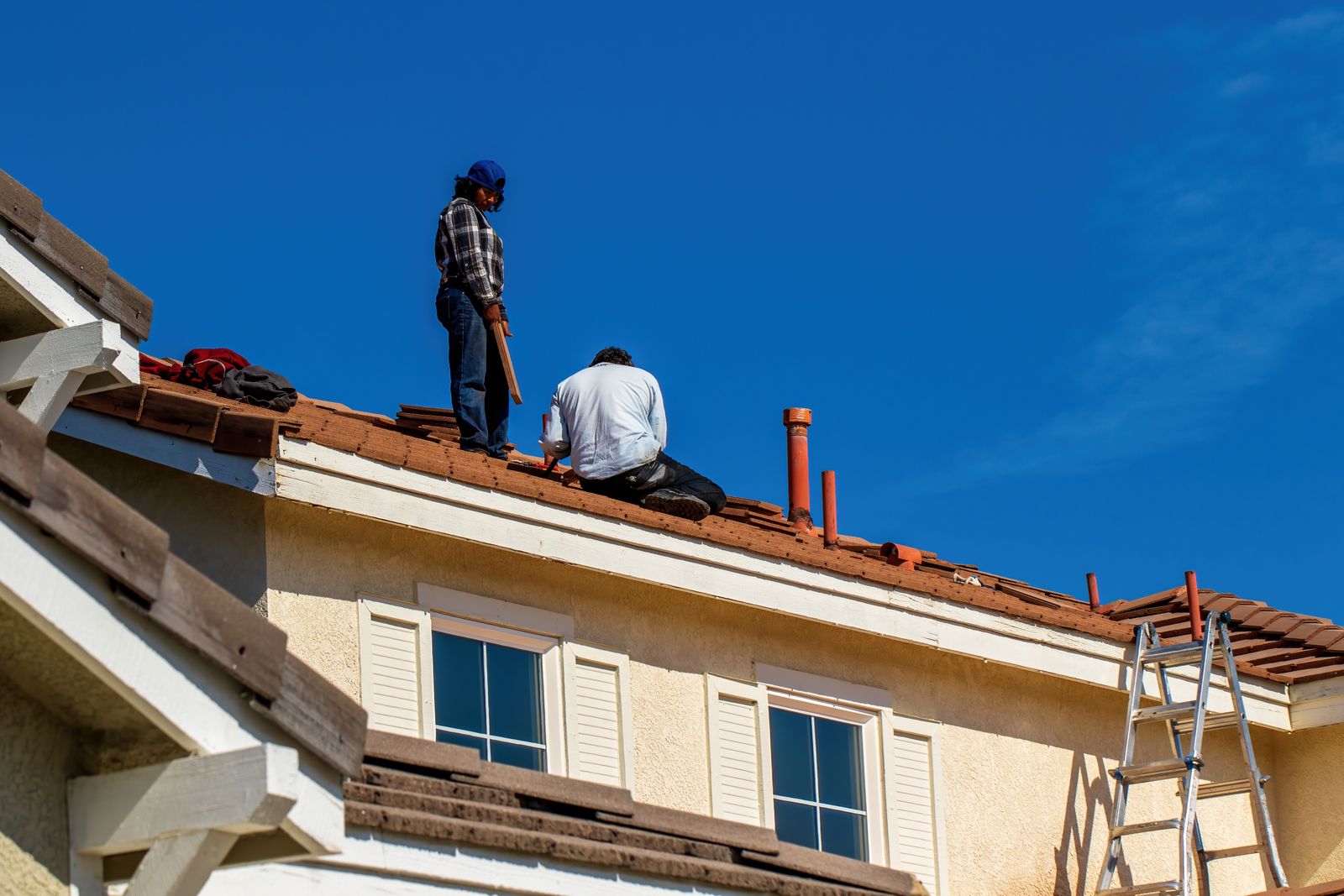
Inspect Your Roof Every Year

Your roof is your home's first defense against rain and snow.

After Winnipeg's long winters and severe storms, it's a good idea to inspect your roof annually. Look for missing shingles, cracked flashing, loose vents, or signs of wear that could allow water inside.

Even a small roofing problem can lead to significant interior damage if moisture enters your attic or walls.

If you're uncomfortable inspecting the roof yourself, hire a qualified roofing professional to perform an annual inspection.

Check Around Windows and Doors

Water doesn't always enter through the roof.

Old caulking, damaged weather stripping, and worn window seals can allow moisture to seep into your walls during heavy rain.

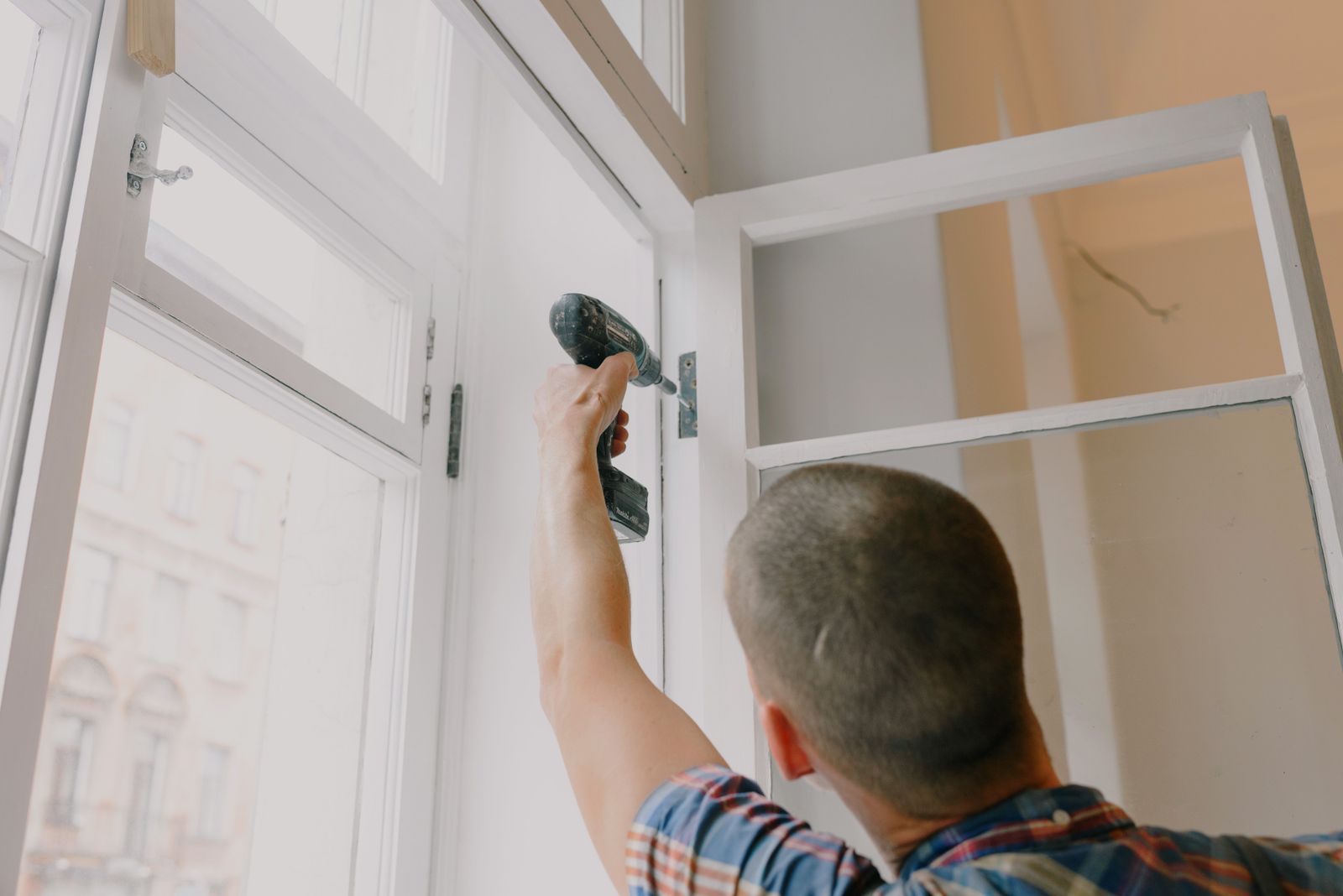
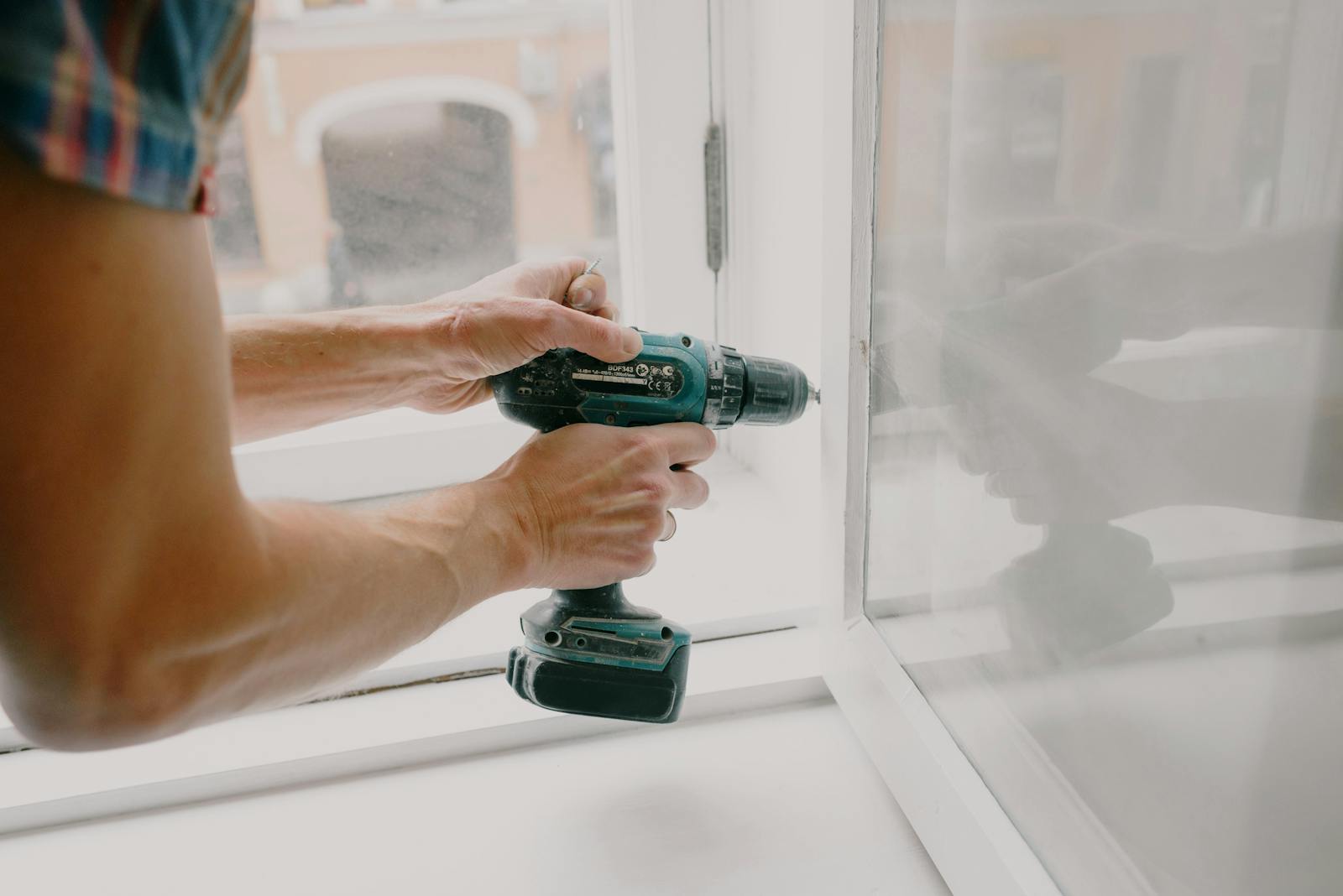
Walk around your home and inspect every exterior window and door. Look for cracked caulking, peeling paint, soft wood, or gaps around the frames.

Replacing old sealant is an inexpensive project that can prevent much larger repairs later.

Watch Your Foundation Closely

Your home's foundation deserves regular attention.

Inspect both the inside and outside for new cracks, moisture stains, or signs that water collects near the foundation after rainfall.

The ground around your home should slope slightly away from the house to encourage proper drainage.

If water consistently pools near the foundation, consider improving grading or extending your downspouts farther away.

Keeping water away from your foundation is one of the best ways to prevent basement leaks.

Maintain Your Sump Pump

Many Winnipeg homes rely on sump pumps to help prevent basement flooding.

Test your sump pump at least once or twice each year by pouring water into the sump pit and confirming that the pump activates properly.

Check the discharge pipe for blockages and make sure water flows away from your home.

If your sump pump is older or frequently used, consider installing a battery backup system to provide protection during power outages.

Inspect Plumbing for Small Leaks

Not every water problem comes from outside.

Small plumbing leaks often develop gradually and may go unnoticed for months.

Check under sinks, behind toilets, around washing machines, dishwashers, water heaters, and exposed pipes for signs of dripping water, rust, mold, or dampness.

Fixing a slow leak today is much easier than replacing damaged cabinets or flooring later.

Regular plumbing inspections can save thousands of dollars over time.

Know the Signs of Hidden Water Damage

Some water damage hides behind walls or under flooring before becoming obvious.

Watch for warning signs such as musty odors, bubbling paint, warped flooring, peeling wallpaper, unexplained stains on ceilings, or mold growth.

If something doesn't look or smell right, investigate sooner rather than later.

The earlier hidden moisture is discovered, the easier it is to repair.

Maintain Your Landscaping

Your landscaping affects much more than curb appeal.

Large tree roots, clogged drainage areas, and improper grading can all contribute to water problems around your home.

Keep flower beds from trapping water against the foundation and trim trees whose roots may interfere with underground drainage systems.

Healthy landscaping helps direct water where it belongs instead of toward your house.

Prepare for Winnipeg Winters

Winter creates unique water challenges.

Ice dams form when melting snow refreezes near roof edges, trapping water behind the ice. That water may eventually work its way underneath shingles and into your home.

Proper attic insulation and ventilation help reduce the risk of ice dam formation.

Removing excessive snow buildup from your roof after major storms can also help minimize potential problems.

Preparing before winter arrives is much easier than dealing with leaks during freezing temperatures.

Protect Appliances That Use Water

Household appliances are another common source of water damage.

Inspect the hoses connected to your washing machine, dishwasher, refrigerator, and ice maker at least once each year.

Replace rubber hoses every few years or upgrade to braided stainless steel hoses for added durability.

If you're leaving home for an extended vacation, consider shutting off the water supply to major appliances as an added precaution.

Review Your Home Insurance

Even with careful maintenance, unexpected water damage can still happen.

Review your home insurance policy each year to understand exactly what types of water damage are covered.

Some policies cover sudden plumbing failures but exclude overland flooding or sewer backup unless additional coverage has been purchased.

Knowing your policy ahead of time helps avoid surprises during an emergency.

Create a Seasonal Inspection Routine

The easiest way to prevent water damage is to make inspections part of your regular routine.

Each spring and fall, walk around your home and check the roof, gutters, siding, windows, foundation, plumbing fixtures, sump pump, and outdoor drainage.

Keeping a simple maintenance checklist helps ensure small problems don't slip through the cracks.

Consistent maintenance protects your home year after year.

Why Water Damage Matters When Selling

If you're thinking about selling your home in the future, preventing water damage becomes even more important.

Buyers pay close attention to signs of moisture during showings and home inspections.

Visible stains, mold, foundation cracks, or past flooding concerns can reduce buyer confidence and potentially affect offers.

A home that has been well maintained gives buyers greater peace of mind and helps preserve its market value.

Protecting your home today also protects your future investment.

Final Thoughts

Water damage is one of the most common and expensive problems homeowners face, but it's also one of the most preventable.

Simple habits like cleaning gutters, inspecting your roof, maintaining plumbing, testing your sump pump, and monitoring your foundation can make a significant difference over time.

Regular maintenance not only helps avoid unexpected repair bills but also keeps your home safer, healthier, and more valuable.

Taking a few proactive steps each year can provide peace of mind through every season Winnipeg has to offer.

Protecting your home from water damage is one of the smartest ways to preserve its long term value. Whether you're planning to stay in your current home for years or preparing to sell, regular maintenance can make a meaningful difference. If you're curious about your home's current value or wondering which improvements will have the greatest return before listing, professional guidance can help.

Ty Mitchell has helped Winnipeg homeowners confidently navigate every stage of homeownership, from buying and selling to understanding what adds value over time. If you're ready to take the next step or simply want expert advice about your property, visit https://tysellswpg.com/ and connect with Ty Mitchell today.

Read

Home Maintenance Tasks Every Winnipeg Homeowner Should Do Annually

Owning a home is exciting, but it also comes with responsibilities that go beyond mowing the lawn or decorating for the holidays. Regular home maintenance is one of the best ways to protect your investment, improve energy efficiency, and avoid expensive surprises.

In Winnipeg, annual maintenance is especially important. The city's freezing winters, humid summers, heavy snowfall, and changing temperatures can all take a toll on your home. Small issues that are ignored today can quickly become major repairs tomorrow.

The good news is that keeping your home in great shape doesn't have to feel overwhelming. By tackling a handful of maintenance tasks every year, you'll keep your property running smoothly while preserving its value for years to come.

Here's an annual home maintenance checklist every Winnipeg homeowner should follow.

Inspect Your Roof

Your roof is your home's first line of defense against the elements.

At least once a year, inspect your roof from the ground using binoculars or schedule a professional inspection. Look for missing shingles, damaged flashing, sagging areas, or signs of wear caused by Winnipeg's harsh winters.

Catching roof issues early helps prevent leaks, mold, insulation damage, and expensive structural repairs.

If your roof is over 20 years old, annual inspections become even more important.

Clean Your Gutters and Downspouts

Leaves, dirt, and debris can clog gutters and prevent rainwater from flowing away from your home.

Overflowing gutters may lead to foundation issues, basement moisture, and landscape erosion.

Clean your gutters at least twice a year, once in the spring and again in the fall. While you're at it, check that your downspouts direct water several feet away from your home's foundation.

This simple task helps prevent thousands of dollars in potential water damage.

Replace Your Furnace Filter

Your heating and cooling system works hard throughout the year.

Replacing your furnace filter regularly improves airflow, helps your HVAC system run efficiently, and extends its lifespan.

Depending on the type of filter and whether you have pets, filters should generally be replaced every one to three months.

A clean filter also contributes to healthier indoor air quality.

Test Smoke and Carbon Monoxide Detectors

Home maintenance isn't just about protecting your property. It's also about protecting your family.

Test every smoke detector and carbon monoxide alarm in your home each year. Replace batteries if needed and replace units that have reached the end of their recommended lifespan.

These small devices provide enormous peace of mind.

Taking just a few minutes to test them could save lives.

Inspect Windows and Doors

Windows and doors naturally expand and contract through Winnipeg's changing seasons.

Inspect weather stripping, caulking, and seals for cracks or gaps.

Replacing worn materials helps improve energy efficiency, reduce drafts, and lower heating and cooling costs.

Clean window tracks and inspect screens while you're at it.

Properly maintained windows last longer and perform better year round.

Check Your Foundation

Walk around your home's exterior and inspect the foundation for cracks, shifting, or signs of water damage.

Inside your basement, look for moisture, mold, musty odors, or new cracks in walls and floors.

Small foundation concerns are often much easier and less expensive to repair when caught early.

Keeping water away from your foundation remains one of the best forms of prevention.

Service Your Air Conditioner

Before the hottest part of summer arrives, have your air conditioning system inspected or serviced.

Clean debris around the outdoor unit, check that vents remain unobstructed, and replace the filter if necessary.

Routine servicing helps improve efficiency, reduce energy bills, and prevent unexpected breakdowns during hot weather.

Preventative maintenance often extends the life of your equipment.

Inspect Your Plumbing

Leaks don't always announce themselves with dripping water.

Check under sinks, around toilets, near your water heater, and around visible pipes for signs of moisture, corrosion, or mold.

Test outdoor faucets after winter to ensure freezing temperatures didn't cause hidden pipe damage.

Addressing small plumbing problems early helps avoid costly water damage.

Maintain Your Deck, Fence, and Exterior Wood

Winnipeg's weather can be tough on outdoor wood structures.

Inspect your deck for loose boards, unstable railings, popped nails, or signs of rot.

Pressure wash surfaces as needed and reseal or stain wood every few years to protect it from moisture and sun exposure.

Check fences for leaning posts or damaged panels caused by frost movement.

These simple maintenance tasks improve both safety and curb appeal.

Trim Trees and Shrubs

Healthy landscaping does more than make your property look attractive.

Trim tree branches away from your roof, siding, and power lines. Remove dead limbs that could fall during storms.

Keep shrubs from growing against your home's exterior to improve airflow and discourage insects.

Proper landscaping protects your home while enhancing its appearance.

Seal Driveway and Walkway Cracks

Small cracks in concrete or asphalt may seem harmless, but Winnipeg's freeze and thaw cycles can quickly make them worse.

Water enters small cracks, freezes during winter, expands, and creates larger damage.

Sealing cracks each year helps extend the life of your driveway and walkways while improving safety.

It's a relatively inexpensive project with long term benefits.

Organize Your Home Maintenance Records

Keep receipts, warranties, inspection reports, appliance manuals, and contractor invoices organized in one location.

These records help you plan future maintenance and demonstrate that your home has been well cared for.

If you eventually decide to sell, buyers often appreciate detailed maintenance documentation.

Well organized records can increase buyer confidence during negotiations.

Review Your Home Insurance Coverage

While it isn't a physical maintenance task, reviewing your insurance policy once a year is just as important.

Make sure your coverage reflects any renovations, additions, or major purchases you've made.

Understanding your deductible and coverage limits before you need them can save considerable stress later.

An annual review ensures your protection keeps pace with your home's value.

Why Annual Maintenance Pays Off

Many homeowners think maintenance is simply another expense.

In reality, it's one of the smartest investments you can make.

Routine maintenance extends the life of major systems, improves energy efficiency, reduces emergency repairs, maintains property value, and makes your home more attractive if you decide to sell.

Consistent care also creates a more comfortable and enjoyable place to live.

Small efforts each year often prevent major expenses later.

Final Thoughts

Your home is likely one of the biggest investments you'll ever make.

Taking the time to complete annual maintenance tasks helps protect that investment while giving you confidence that your home is ready for every season Winnipeg brings.

You don't have to complete everything in one weekend. Create a yearly schedule, tackle projects one at a time, and stay consistent.

By making home maintenance part of your routine, you'll reduce stress, save money, and keep your home looking and performing its best for years to come.

Whether you're planning to stay in your home for many years or thinking about selling in the near future, regular maintenance plays a big role in protecting your property's value. If you're curious about which home improvements will have the biggest impact or want to know how today's market affects your home's value, expert advice can help you make informed decisions.

Ty Mitchell has helped Winnipeg homeowners confidently buy, sell, and invest by providing trusted local expertise and personalized guidance. If you're considering your next move or simply want to understand your home's current market value, visit https://tysellswpg.com/ and connect with Ty Mitchell today.

Read

Signs Your Roof May Need Attention

Your roof works hard every single day.

It protects your home from heavy snow, freezing temperatures, rain, hail, high winds, and the intense summer sun. In Winnipeg, where weather conditions can change dramatically throughout the year, your roof takes on even more responsibility than it might in milder climates.

Because it's out of sight, it's also easy to forget about until something goes wrong.

Unfortunately, roof problems rarely appear overnight. Most issues start small and gradually become larger, more expensive repairs if they aren't addressed early. The good news is that your roof usually gives you warning signs before major damage occurs.

Knowing what to watch for can help you protect your home, avoid unexpected expenses, and even preserve your property's value if you're planning to sell.

Here are some of the most common signs that your roof may need attention.

Your Roof Is Getting Older

One of the first things to consider is your roof's age.

Most asphalt shingle roofs last between 20 and 30 years, depending on the quality of materials, installation, and ongoing maintenance. Winnipeg's harsh winters and freeze thaw cycles can sometimes shorten that lifespan.

Even if your roof isn't leaking, an older roof deserves regular inspections.

If you're unsure when your roof was last replaced, check your home records or ask the previous owner if possible.

An aging roof doesn't always require immediate replacement, but it should be monitored closely.

Missing or Damaged Shingles

Take a look at your roof from ground level after a major storm.

Do you notice missing shingles? Are any curled, cracked, loose, or lifting at the edges?

Damaged shingles leave the underlying roofing materials exposed to moisture.

The sooner these issues are repaired, the less likely water will find its way into your home.

Never climb onto your roof unless you have the proper safety equipment. A professional inspection is always the safest option.

Granules Collecting in Your Gutters

Asphalt shingles are coated with protective granules that help shield them from the elements.

Over time, these granules naturally wear away.

If you notice large amounts of gritty material collecting inside your gutters or at the bottom of your downspouts, it could indicate your shingles are nearing the end of their useful life.

Some granule loss is normal on newer roofs, but excessive amounts deserve further investigation.

Water Stains Inside Your Home

Sometimes the first clue isn't outside at all.

Brown stains on ceilings, bubbling paint, peeling drywall, or discoloration in the attic may all point to a roof leak.

Even small water stains should never be ignored.

Water can travel considerable distances before becoming visible inside your home, making the actual source difficult to identify without a proper inspection.

Addressing leaks early can prevent mold growth, insulation damage, and costly structural repairs.

Sagging Areas on the Roof

A roof should appear straight and even.

If you notice sections that appear to dip or sag, it may indicate a more serious structural issue.

Sagging can result from long term moisture damage, weakened roof decking, or structural deterioration.

This type of problem requires immediate professional evaluation.

Ignoring structural concerns could lead to much larger repair costs down the road.

Flashing Looks Damaged

Flashing is the metal material installed around chimneys, skylights, vents, and roof valleys to prevent water from entering your home.

Over time, flashing can loosen, crack, rust, or separate from surrounding materials.

Even if your shingles appear to be in good condition, damaged flashing can allow water to penetrate vulnerable areas of your roof.

Regular inspections help catch these problems before leaks develop.

Moss, Algae, or Mold Growth

Dark streaks, moss, or algae growing on your roof may seem like a cosmetic issue, but they can trap moisture against roofing materials.

Over time, excessive moisture may contribute to premature deterioration.

Keeping your roof clean and free of debris allows it to dry properly after rain or snow.

If moss becomes widespread, consult a roofing professional before attempting removal.

Improper cleaning methods can damage shingles.

Your Energy Bills Are Increasing

Your roof plays an important role in your home's overall energy efficiency.

Damaged roofing materials or poor attic ventilation can make it harder to maintain comfortable indoor temperatures.

If you've noticed higher heating or cooling costs without another obvious explanation, your roof could be contributing to the problem.

A roofing inspection may reveal ventilation or insulation issues that improve comfort while lowering utility bills.

Daylight Visible in the Attic

Visit your attic during daylight hours.

If sunlight is shining through the roof boards, water can likely enter through those same openings.

Also look for damp insulation, mold, musty odors, or visible moisture after rainfall.

Your attic often provides valuable clues about your roof's condition long before damage becomes obvious inside your living space.

Ice Dam Damage from Previous Winters

Winnipeg winters are known for heavy snowfall and freezing temperatures.

Ice dams can form along roof edges when melting snow refreezes.

This trapped water may back up underneath shingles and eventually leak into the home.

If your property has experienced ice dams in previous winters, it's worth having your roof inspected before cold weather returns.

Preventative maintenance now may save significant repair costs later.

Nearby Trees Could Be Causing Problems

Large tree branches hanging over your roof can create several problems.

Branches may scrape shingles during windy weather, while falling limbs can cause sudden damage during storms.

Leaves also collect moisture and clog gutters, increasing the risk of water problems.

Trimming trees regularly helps protect both your roof and your home's exterior.

Regular Roof Inspections Save Money

Many homeowners wait until they notice a leak before calling a roofing professional.

Unfortunately, by that point, damage may already extend beyond the roof itself.

Scheduling a roof inspection every few years, especially after severe storms or harsh winters, allows small issues to be addressed before they become major expenses.

Routine maintenance almost always costs less than emergency repairs.

Why Roof Maintenance Matters When Selling

If you're planning to sell your home, the condition of your roof matters more than many homeowners realize.

Buyers often ask about the roof's age, maintenance history, and overall condition.

A well maintained roof gives buyers confidence and reduces concerns during inspections.

On the other hand, visible roof problems may lead to lower offers, repair requests, or delayed negotiations.

Keeping your roof in good condition helps protect both your home's value and your selling experience.

Final Thoughts

Your roof quietly protects your home through every season, but it won't last forever.

By paying attention to common warning signs like missing shingles, water stains, sagging areas, damaged flashing, and excessive granule loss, you can address small problems before they become expensive repairs.

Regular inspections and preventative maintenance not only extend the life of your roof but also help preserve your home's value and provide peace of mind.

Whether you're planning to stay in your home for many years or preparing to sell, taking care of your roof is one of the smartest investments you can make.

A well maintained roof is one of the first things buyers notice and one of the biggest factors in protecting your home's value. If you're wondering whether your home is ready for today's market or you're curious about which improvements will make the biggest impact before selling, having trusted local guidance can make the process much easier.

Ty Mitchell has helped Winnipeg homeowners make confident real estate decisions by providing honest advice, local market expertise, and personalized strategies for buying and selling. If you're thinking about selling or simply want to understand your home's current value, visit https://tysellswpg.com/ to connect with Ty and get started.

Read

Open House. Open House on Saturday, July 18, 2026 1:00PM - 2:30PM

Please visit our Open House at 26 Vireo Lane in Winnipeg. See details here

Open House on Saturday, July 18, 2026 1:00PM - 2:30PM

2K//Winnipeg/S/S Mon. July 13 OTP Mon. July 20. Open House Sat. Jul. 18 1-2:30 + Sun. Jul. 19 12-2. Spectacular 2,505 sq ft 2-story walk-out on a premium pond-view lot! Comprehensively renovated in 2021 by Paradigm, this masterpiece blends luxury with modern function. The main floor boasts a private office with WM Dyck custom built-ins & barn door, plus a grand living area featuring a gas fireplace, ceiling speakers, and massive windows. The chef s kitchen is an absolute showstopper: a massive quartz island, gas stove, pot filler, and walk-out to a 16x14 Blue Chip deck. Convenience shines with a deluxe mudroom & oversized double garage Upstairs, the primary suite is unrivaled in size, featuring massive dual walk-in closets & a spa ensuite with heated tile & custom Robinson fixtures. The walk-out lower level offers eye-level pond views, a covered deck, a dedicated rubber-floored home gym, and robust mechanics. Beautiful landscaping plus Sprinkler system by Sunshower. From the glass stair inserts to the custom details throughout, this home offers an elite lifestyle in one of Winnipeg's premier neighborhood. (id:2493)

Read

Open House. Open House on Sunday, July 19, 2026 12:00PM - 2:00PM

Please visit our Open House at 26 Vireo Lane in Winnipeg. See details here

Open House on Sunday, July 19, 2026 12:00PM - 2:00PM

2K//Winnipeg/S/S Mon. July 13 OTP Mon. July 20. Open House Sat. Jul. 18 1-2:30 + Sun. Jul. 19 12-2. Spectacular 2,505 sq ft 2-story walk-out on a premium pond-view lot! Comprehensively renovated in 2021 by Paradigm, this masterpiece blends luxury with modern function. The main floor boasts a private office with WM Dyck custom built-ins & barn door, plus a grand living area featuring a gas fireplace, ceiling speakers, and massive windows. The chef s kitchen is an absolute showstopper: a massive quartz island, gas stove, pot filler, and walk-out to a 16x14 Blue Chip deck. Convenience shines with a deluxe mudroom & oversized double garage Upstairs, the primary suite is unrivaled in size, featuring massive dual walk-in closets & a spa ensuite with heated tile & custom Robinson fixtures. The walk-out lower level offers eye-level pond views, a covered deck, a dedicated rubber-floored home gym, and robust mechanics. Beautiful landscaping plus Sprinkler system by Sunshower. From the glass stair inserts to the custom details throughout, this home offers an elite lifestyle in one of Winnipeg's premier neighborhood. (id:2493)

Read

Summer Home Maintenance Checklist for Winnipeg Homeowners

After months of snow, freezing temperatures, and icy sidewalks, summer finally arrives in Winnipeg. It's the season homeowners look forward to. Longer days, warmer weather, backyard barbecues, and plenty of time spent outdoors.

But summer is also one of the best times to give your home the attention it deserves.

The warmer weather makes it easier to inspect your property, complete outdoor projects, and take care of maintenance tasks before small problems turn into expensive repairs. A little effort now can help protect your investment, improve your home's appearance, and even save money down the road.

Whether you've owned your home for years or recently moved into your first place, this summer home maintenance checklist will help you stay on top of the essentials.

Start with a Full Exterior Walkaround

Winter can be tough on homes in Winnipeg.

Snow, ice, freezing temperatures, and spring melt all take their toll on roofs, siding, driveways, decks, and foundations. Before diving into individual projects, take a slow walk around your property.

Look for cracked siding, peeling paint, damaged brickwork, loose trim, missing shingles, uneven walkways, or signs that water has been collecting around your foundation.

Catching these issues early often means simpler and less expensive repairs.

Think of this as your annual home health check.

Inspect Your Roof

Your roof quietly protects your home every day, but Winnipeg winters can be especially hard on roofing materials.

From the ground, check for missing shingles, curling edges, damaged flashing, or debris that may have collected during storms.

If you notice anything unusual, it's worth having a roofing professional take a closer look.

Preventative maintenance is almost always cheaper than repairing water damage later.

Clean Gutters and Downspouts

Even if you cleaned your gutters in the fall, spring storms and tree blossoms can quickly create new blockages.

Clear leaves, twigs, and debris so rainwater flows properly through the downspouts.

Also make sure downspouts direct water several feet away from your home's foundation.

Proper drainage helps prevent foundation movement, basement moisture, and landscape erosion.

Check Your Air Conditioner

Nobody wants their air conditioner to stop working during the hottest week of the summer.

Replace or clean your furnace and air conditioning filter, remove debris around the outdoor unit, and make sure vents inside your home remain unobstructed.

If your system hasn't been serviced in several years, scheduling a professional inspection can improve efficiency and extend its lifespan.

A well maintained cooling system also helps reduce energy costs.

Inspect Windows and Doors

Take a close look at your windows and exterior doors.

Check weather stripping, caulking, and seals for cracks or gaps that may have developed over the winter.

Replacing worn seals helps keep cool air inside during summer while also preparing your home for the colder months ahead.

Clean windows inside and out to let in more natural light and improve curb appeal.

Sometimes the smallest improvements make the biggest visual difference.

Refresh Your Landscaping

Summer is the perfect season to improve your yard.

Trim overgrown trees and shrubs, edge flower beds, remove weeds, add fresh mulch, and keep the lawn healthy with proper watering and mowing.

Pay special attention to tree branches hanging over your roof or close to power lines.

Healthy landscaping not only looks great, but also protects your home from potential damage during summer storms.

Inspect Your Deck and Fence

If your deck becomes the gathering place every summer, give it a thorough inspection before inviting family and friends over.

Look for loose boards, popped nails, unstable railings, or signs of wood rot.

Pressure wash the surface and consider resealing or staining it if needed.

Check fences as well for leaning posts or damaged sections caused by winter frost.

These simple projects improve both safety and appearance.

Test Outdoor Faucets and Sprinklers

Outdoor plumbing often goes unnoticed until something leaks.

Turn on exterior faucets and inspect for drips or reduced water pressure.

Check garden hoses, sprinkler systems, and irrigation lines for cracks or leaks that may have developed over winter.

Fixing small plumbing issues now helps conserve water and prevent larger repairs later.

Power Wash Exterior Surfaces

Over time, dirt, pollen, mildew, and grime accumulate on siding, driveways, patios, and walkways.

A good power washing instantly freshens your home's appearance.

Just be careful to use the appropriate pressure settings for each surface to avoid damage.

Clean exterior spaces make your property look newer, brighter, and well cared for.

Check Your Smoke and Carbon Monoxide Detectors

Safety should always be part of every maintenance routine.

Test every smoke detector and carbon monoxide alarm throughout your home.

Replace batteries if needed and confirm each unit is working properly.

If detectors are nearing the end of their recommended lifespan, replace them completely.

A few minutes spent testing these devices provides peace of mind all year long.

Look for Signs of Pests

Warmer weather brings increased insect and rodent activity.

Inspect your home's exterior for openings around pipes, vents, windows, and doors where pests could enter.

Watch for signs of ant colonies, wasp nests, termites, or rodents around your property.

Sealing entry points early can prevent much bigger pest problems later.

Review Your Home Maintenance Records

Summer is also a great time to organize your home maintenance information.

Keep receipts, warranties, appliance manuals, and records of repairs in one place.

Having organized documentation helps with future maintenance planning and can even add value if you decide to sell your home.

Buyers appreciate homes with a well documented maintenance history.

Think Ahead to Future Projects

Once you've completed routine maintenance, consider any larger improvements you've been postponing.

Maybe it's replacing aging windows, updating landscaping, repainting your exterior, finishing the basement, or renovating a bathroom.

Summer provides excellent weather for many home improvement projects.

Planning ahead also gives you time to budget and schedule contractors before their busiest seasons.

Final Thoughts

Owning a home comes with ongoing responsibilities, but regular maintenance doesn't have to feel overwhelming.

By tackling a few simple projects each summer, you can prevent costly repairs, improve energy efficiency, protect your home's value, and enjoy your property even more.

The key is consistency.

A little maintenance each season is far easier than dealing with major repairs that could have been avoided.

Whether you're planning to stay in your home for decades or considering selling in the next few years, taking care of your property is always a worthwhile investment.

Your future self, and your future buyers, will thank you.

A well maintained home is one of the best investments you can make, whether you're planning to stay for years or thinking about selling in the future. If you're wondering which improvements will add the most value to your home or you're considering making a move in the Winnipeg market, having an experienced local REALTOR® on your side makes all the difference.

Ty Mitchell helps Winnipeg homeowners make informed decisions before buying, selling, or investing. If you'd like expert advice about your home's value, preparing your property for sale, or navigating the Winnipeg real estate market, visit https://tysellswpg.com/ and connect with Ty today.

Read

New property listed in Winnipeg

I have listed a new property at 207 Hugo Street N in Winnipeg. See details here

1B//Winnipeg/Crescent Court a lovingly restored gem in the city s most coveted neighbourhood. This bright, airy end unit offers lots of character-infused living: 2 bedrooms + den, soaring 9' ceilings, and a three-season sunroom. Dramatic leaded and stained-glass windows add to the character. Windows on three sides bathe the home in sunlight and fresh air. Original hardwood floors, wood-burning fireplaces with period surrounds, and custom French doors celebrate history, while in-suite laundry and a gourmet kitchen with exposed brick bring modern comfort. Entertain in the spacious dining room, or work quietly from your cozy office. Steps to shops, dining and transit; downtown under 10 minutes, ride your bike anywhere from the central location. A rare blend of charm, convenience and lifestyle welcome home to Crescent Court. Recent building upgrades: roof, boiler, electrical. Bike/ extra storage unit in basement. (id:2493)

Read

How Market Conditions Affect Your Home Sale

If you're thinking about selling your home, you've probably heard people say things like, "It's a seller's market," or, "You should wait until the market improves."

While these phrases get used often, many homeowners aren't exactly sure what they mean or how market conditions actually affect the sale of their home.

The truth is that the real estate market has a major influence on nearly every part of the selling process. It impacts buyer demand, pricing strategies, negotiations, the number of offers you receive, and even how long your home stays on the market.

The good news is that homes sell successfully in every type of market. The key is understanding what's happening around you and adjusting your strategy accordingly.

Whether the market is hot, balanced, or slower than usual, here's how current conditions can influence your home sale in Winnipeg.

What Are Market Conditions?

Market conditions describe the relationship between the number of homes available for sale and the number of buyers actively looking to purchase.

When there are more buyers than available homes, sellers typically have the advantage. When there are more homes than buyers, purchasers gain more negotiating power. Between those two extremes is a balanced market, where neither side has a significant advantage.

Understanding where the Winnipeg real estate market currently sits helps determine the best pricing, marketing, and negotiation strategy for your home.

Every market requires a different approach.

How a Seller's Market Benefits Homeowners

In a seller's market, buyer demand exceeds the number of available listings.

This often creates increased competition among buyers, which can lead to multiple offers, faster sales, and stronger selling prices.

Homes that are priced correctly and presented well may receive offers within days of being listed.

Sellers may also have more negotiating power when it comes to conditions, possession dates, and purchase price.

However, even in a strong seller's market, preparation still matters. Buyers expect value, and overpriced homes can still struggle to attract attention.

Challenges of a Buyer's Market

In a buyer's market, inventory is higher and buyers have more options to choose from.

This means buyers can take more time comparing properties before making decisions. They may negotiate more aggressively and request repairs, credits, or flexible terms.

Homes often remain on the market longer during these conditions.

That doesn't mean your home won't sell. It simply means your pricing, presentation, and marketing strategy become even more important.

Standing out from competing listings is essential.

Pricing Matters in Every Market

One of the biggest misconceptions among sellers is that market conditions alone determine the selling price.

While the market certainly influences value, accurate pricing remains one of the most important decisions you'll make.

Pricing too high can discourage buyers and reduce showing activity. Pricing too low may leave money on the table if demand is strong.

A professional comparative market analysis helps determine a competitive price based on recent sales, active listings, and local trends.

The right price attracts the right buyers.

Interest Rates Influence Buyer Activity

Interest rates have a direct impact on affordability.

When mortgage rates rise, monthly payments increase, which can reduce the number of buyers who qualify for certain price ranges.

When rates decrease, purchasing power often improves, bringing more buyers into the market.

Although sellers can't control interest rates, understanding their effect helps explain changes in buyer behavior and overall market activity.

Your REALTOR® can help interpret how current rates may affect your sale.

Inventory Shapes Competition

The number of homes available for sale directly affects your competition.

If there are very few similar homes on the market, your property has a greater opportunity to attract attention.

If dozens of comparable homes are listed nearby, buyers naturally compare features, condition, pricing, and overall value before making a decision.

Monitoring local inventory helps position your home more effectively.

Knowing your competition allows you to highlight your home's strongest advantages.

Marketing Becomes Even More Important

Regardless of market conditions, buyers need to notice your home before they can fall in love with it.

Professional photography, compelling listing descriptions, virtual tours, social media promotion, and targeted online marketing all increase visibility.

In competitive markets, effective marketing helps your home rise above similar listings.

The more exposure your property receives, the greater your chances of attracting qualified buyers.

Marketing is never something to overlook.

Buyer Expectations Change With the Market

As market conditions change, so do buyer expectations.

During slower markets, buyers may expect more updates, repairs, flexible possession dates, or additional negotiations.

In stronger markets, buyers may be more willing to overlook cosmetic imperfections if inventory is limited.

Understanding what buyers currently value allows sellers to prepare their homes more effectively before listing.

Meeting buyer expectations creates stronger opportunities for successful negotiations.

Negotiation Strategies Depend on the Market

The negotiation process often changes depending on current market conditions.

In a seller's market, homeowners may receive multiple offers and negotiate from a position of strength.

In a buyer's market, sellers may need to respond more flexibly by considering requests related to inspections, repairs, or closing timelines.

Every negotiation is unique, but understanding current market dynamics helps sellers make confident decisions.

A knowledgeable REALTOR® provides valuable guidance throughout every stage of negotiation.

Timing Can Influence Results

While homes sell year round, seasonal trends often affect buyer activity.

Spring and early summer typically bring increased inventory and active buyers. Fall often attracts motivated purchasers hoping to move before winter. Even winter can present excellent opportunities because buyers searching during colder months are often serious about making a purchase.

The right time to sell depends on your goals, your home's condition, and current market trends.

There is rarely a perfect time. There is simply the right strategy for today's market.

Focus on What You Can Control

Market conditions are outside your control.

However, you can control how your home is presented, priced, marketed, and maintained.

You can invest in curb appeal, complete minor repairs, stage your home effectively, hire professional photography, and remain flexible with showings.

These decisions often have a greater impact than many sellers realize.

Preparation consistently improves results regardless of market conditions.

Why Local Expertise Matters

National real estate headlines don't always reflect what's happening in your neighborhood.

Real estate markets vary from city to city and even between different communities within Winnipeg.

An experienced local REALTOR® understands neighborhood trends, recent comparable sales, buyer preferences, and changing market conditions.

That local knowledge allows sellers to make informed decisions based on accurate information instead of broad national headlines.

The more localized your strategy, the more effective it becomes.

Final Thoughts

Market conditions influence every home sale, but they don't determine your success on their own.

Whether you're selling during a competitive seller's market, a balanced market, or a slower buyer's market, preparation and strategy remain the biggest factors you can control.

Understanding inventory levels, buyer demand, pricing trends, interest rates, and negotiation strategies allows you to make informed decisions throughout the selling process.

Rather than trying to time the market perfectly, focus on preparing your home, pricing it accurately, and working with an experienced professional who understands Winnipeg's local real estate landscape.

The right strategy can help you achieve excellent results in virtually any market.

Every market presents different opportunities, and understanding how today's conditions affect your home sale can make all the difference. Whether you're wondering when to list, how to price your home, or what buyers are currently looking for, expert guidance helps you move forward with confidence.

Ty Mitchell helps Winnipeg homeowners navigate changing market conditions with personalized selling strategies, accurate pricing, professional marketing, and experienced negotiation. If you're thinking about selling your home and want advice tailored to today's market, visit https://tysellswpg.com/ and connect with Ty Mitchell to start planning your successful sale.

Read

New property listed in Winnipeg

I have listed a new property at 26 Vireo Lane in Winnipeg. See details here

2K//Winnipeg/S/S Mon. July 13 OTP Mon. July 20. Open House Sat. Jul. 18 1-2:30 + Sun. Jul. 19 12-2. Spectacular 2,505 sq ft 2-story walk-out on a premium pond-view lot! Comprehensively renovated in 2021 by Paradigm, this masterpiece blends luxury with modern function. The main floor boasts a private office with WM Dyck custom built-ins & barn door, plus a grand living area featuring a gas fireplace, ceiling speakers, and massive windows. The chef s kitchen is an absolute showstopper: a massive quartz island, gas stove, pot filler, and walk-out to a 16x14 Blue Chip deck. Convenience shines with a deluxe mudroom & oversized double garage Upstairs, the primary suite is unrivaled in size, featuring massive dual walk-in closets & a spa ensuite with heated tile & custom Robinson fixtures. The walk-out lower level offers eye-level pond views, a covered deck, a dedicated rubber-floored home gym, and robust mechanics. Beautiful landscaping plus Sprinkler system by Sunshower. From the glass stair inserts to the custom details throughout, this home offers an elite lifestyle in one of Winnipeg's premier neighborhood. (id:2493)

Read

Should You Accept the First Offer on Your Home?

Receiving the first offer on your home is an exciting moment. After preparing your property, listing it on the market, and welcoming buyers through the front door, seeing an offer arrive can feel like a huge accomplishment.

But then comes the question almost every seller asks.

"Should I accept it, or should I wait for something better?"

Many homeowners assume the first offer is automatically too low or that a better one is just around the corner. Others worry that rejecting an offer could mean missing their only opportunity. The reality is that there is no one size fits all answer.

The right decision depends on several factors, including the strength of the offer, current market conditions, your selling goals, and how your home has performed since being listed.

Before making a decision, it's important to understand what makes an offer strong and how to evaluate it beyond the purchase price.

Don't Judge an Offer by Price Alone

The purchase price is important, but it isn't the only thing that matters.

A slightly lower offer with fewer conditions and a quicker closing may actually be more valuable than a higher offer filled with uncertainties.

When reviewing an offer, consider the complete package. Look at the proposed possession date, financing conditions, home inspection requirements, deposit amount, and any special requests from the buyer.

A clean, straightforward offer often provides greater peace of mind than one with multiple conditions attached.

Looking at the full picture helps you make a smarter decision.

There's a common myth that sellers should always reject the first offer because a better one will eventually come.

In reality, the first offer is frequently one of the strongest you'll receive.

The first buyers through your home are often the most motivated. They've likely been watching the market closely and acted quickly because they saw value in your property.

Waiting for a higher offer isn't always the best strategy.

If your first offer is fair, well qualified, and aligns with market value, it's worth giving serious consideration.

Consider How Long Your Home Has Been Listed

Timing matters.

If your home has only been on the market for a day or two and interest is high, you may have room to wait or negotiate.

On the other hand, if your property has been listed for several weeks with limited showings or little buyer activity, the first offer may deserve closer attention.

The longer a home sits on the market, the more buyers begin wondering why it hasn't sold.

Accepting a strong offer early can sometimes produce better results than waiting for something that may never arrive.

Evaluate Current Market Conditions

The Winnipeg real estate market plays a major role in your decision.

In a seller's market, where inventory is limited and demand is high, multiple offers may be more common.

In a balanced or buyer's market, buyers often have more choices and negotiating power.

Understanding current market conditions helps determine whether waiting for another offer is realistic.

Your REALTOR® should provide local market insights that help guide your decision based on current trends rather than assumptions.

Look at the Buyer's Conditions

Every offer includes terms beyond the purchase price.

Common conditions may include financing approval, a satisfactory home inspection, the sale of the buyer's current home, or document reviews.

Fewer conditions generally mean less uncertainty.

An offer with minimal conditions may proceed to closing much more smoothly than one filled with contingencies.

Understanding the risks associated with each condition is just as important as reviewing the offered price.

Think About Your Personal Timeline

Your personal goals matter just as much as market conditions.

Are you relocating for work? Have you already purchased another home? Are you hoping to move before school starts? Do you have flexibility with your timeline?

The right offer should support your overall plans.

Sometimes accepting a solid offer that fits your schedule is more valuable than chasing a slightly higher price with uncertain timing.

Every seller's priorities are different.

Don't Let Emotions Take Over

Selling a home is emotional.

You've likely created years of memories there, invested time and money into improvements, and naturally believe it's worth every dollar.

Buyers, however, evaluate homes differently. They compare your property to others currently available and make decisions based on value.

Separating emotions from negotiations allows you to make decisions based on facts rather than feelings.

Treating the transaction like a business decision often leads to better outcomes.

Counteroffers Are Always an Option

Accepting or rejecting an offer aren't your only choices.

If you like most aspects of an offer but want to improve certain terms, you can submit a counteroffer.

You may negotiate price, possession date, conditions, included appliances, or other details.

Many successful transactions involve several rounds of negotiation before both parties reach an agreement.

A counteroffer allows you to work toward terms that better meet your goals while keeping negotiations active.

Trust Market Data Instead of Guesswork

One of the biggest mistakes sellers make is assuming another buyer will appear simply because they hope one will.

Instead, rely on market evidence.

How many showings have you received? What feedback are buyers providing? Are comparable homes selling quickly? Are new competing listings entering the market?

These facts provide much better guidance than speculation.

A well informed decision is almost always a stronger decision.

Lean on Your REALTOR®'s Experience

One of the greatest advantages of working with an experienced REALTOR® is having someone who can objectively evaluate offers.

Your REALTOR® understands local pricing trends, buyer behavior, negotiation strategies, and current market conditions.

They'll help explain the strengths and weaknesses of each offer while keeping your personal goals at the center of every recommendation.

Rather than making decisions based on emotion or uncertainty, you'll have professional guidance backed by experience.

That confidence can make the entire selling process much less stressful.

Final Thoughts

So, should you accept the first offer on your home?

The answer depends on the quality of the offer, current market conditions, your selling timeline, and your overall goals.

The first offer isn't automatically the best, but it also isn't automatically too low.

Some first offers become the highest and cleanest offers a seller receives. Others provide an opportunity to negotiate toward better terms.

The key is to evaluate every offer carefully, consider the complete package, and rely on professional advice rather than common myths.

Selling your home is one of the biggest financial decisions you'll make. Taking the time to review every offer thoughtfully gives you the best chance of achieving a successful outcome.

Every offer tells a story, and knowing how to interpret that story can make a significant difference in your home sale. Whether you're reviewing your first offer or navigating multiple offers, having an experienced professional by your side helps you make confident, informed decisions.

Ty Mitchell works with Winnipeg homeowners to evaluate offers, negotiate effectively, and create selling strategies that align with their goals. If you're thinking about selling your home or want expert advice before accepting an offer, visit https://tysellswpg.com/ to connect with Ty Mitchell and take the next step with confidence.

Read

How to Sell a Home While Living in It

Selling a home is exciting, but let's be honest, it can also be a little overwhelming, especially if you're still living there.

Unlike a vacant property, an occupied home has to serve two purposes at once. It's your family's living space, but it also needs to be ready to impress buyers at almost any moment. Balancing everyday life with keeping your home clean, organized, and show-ready can feel like a full-time job.

The good news is that thousands of homeowners successfully sell their homes every year without moving out first. With a little planning, a few smart habits, and guidance from an experienced REALTOR®, you can make the process much smoother for yourself while creating a great experience for buyers.

If you're preparing to list your Winnipeg home while continuing to live in it, here are some practical tips that can help.

Start Preparing Before Your Home Hits the Market

The best time to prepare your home isn't after the listing goes live. It's weeks beforehand.

Begin by decluttering each room, organizing storage spaces, completing small repairs, and giving your home a thorough deep cleaning. Taking care of these tasks early means you'll spend less time scrambling before every showing.

Preparing in advance also gives you an opportunity to view your home through a buyer's eyes and identify areas that could benefit from simple improvements.

The more prepared you are before listing, the easier daily life becomes once showings begin.

Declutter More Than You Think You Need To

One of the easiest ways to make your home feel larger and more inviting is by removing unnecessary items.

Clear countertops, reduce decorative accessories, organize closets, and pack away anything you won't need before moving. Buyers love homes that feel spacious, and clutter can make even large rooms seem smaller.

Think of this as getting a head start on packing. Every box you fill now is one less you'll need to pack later.

Simple spaces help buyers imagine making the home their own.

Create a Daily Cleaning Routine

Keeping your home spotless every minute isn't realistic.

Instead, create a manageable daily routine that keeps your home consistently presentable.

Make beds each morning. Wipe kitchen counters after meals. Empty trash regularly. Vacuum high traffic areas every few days. Keep bathrooms clean and stocked with fresh towels.

These small habits reduce the amount of work required whenever a showing is scheduled.

Consistency is much easier than trying to clean an entire house in thirty minutes.

Have a Quick Showing Checklist

Buyers often request showings with only a few hours' notice.

Having a simple checklist makes preparing much less stressful.

Your checklist might include opening blinds, turning on lights, putting away dishes, hiding laundry baskets, wiping bathroom counters, taking out pet items, and making sure personal belongings are neatly stored.

The more automatic this routine becomes, the less disruptive each showing feels.

Preparation saves valuable time.

Minimize Personal Items

Buyers want to imagine themselves living in your home.

Large family photo collections, personalized décor, awards, children's artwork, and highly specific decorations can make that more difficult.

You don't need to remove every personal item, but creating a more neutral environment helps buyers focus on the home itself rather than your lifestyle.

A clean, welcoming space appeals to a wider audience.

Make Storage Work Harder

Living in your home while selling means you'll need creative storage solutions.

Use attractive storage bins, organize closets, store seasonal items elsewhere if possible, and consider renting a temporary storage unit for extra furniture or packed boxes.

Less visible clutter creates the impression of more space, which is something buyers always appreciate.

Organized homes tend to feel larger and more functional.

Have a Plan for Pets

Pets are beloved family members, but they can complicate showings.

Whenever possible, arrange for pets to stay elsewhere during appointments. Remove pet beds, toys, food bowls, and litter boxes before buyers arrive.

Some buyers have allergies, while others may simply find it difficult to focus if pets are present.

A clean, odor free home creates a better overall experience.

Planning ahead makes showings less stressful for both you and your pets.

Be Flexible With Showing Requests

One of the biggest advantages you can give yourself is flexibility.

The more available your home is for showings, the more buyers have the opportunity to see it.

While it may occasionally be inconvenient, accommodating reasonable showing requests can significantly increase your chances of receiving offers sooner.

Every showing represents a potential buyer.

Keeping your schedule flexible often shortens the overall selling process.

Leave During Showings

It may feel natural to stay home and answer buyers' questions, but it's actually better to leave.

Buyers feel more comfortable exploring the property and discussing their thoughts openly when the homeowner isn't present.

Your REALTOR® can answer questions, highlight key features, and provide information without buyers feeling uncomfortable.

Giving buyers space often results in a more positive showing experience.

Stay Ready for Online Marketing

Your home doesn't just need to impress buyers in person.

It also needs to look exceptional online.

Before professional photography, remove excess furniture, hide personal items, clean every room thoroughly, and ensure the exterior is well maintained.

Strong listing photos attract more online attention, which often leads to more showings.

The better your home looks online, the more opportunities you'll create.

Keep Your Expectations Realistic

Living in a listed home isn't always convenient.

There may be last minute showing requests, temporary disruptions to your daily routine, or weekends filled with open houses.

Remember that these inconveniences are temporary.

Every effort you make to keep your home clean, organized, and accessible helps increase your chances of selling more quickly.

The smoother the experience is for buyers, the smoother it often becomes for sellers too.

Work With an Experienced REALTOR®

An experienced REALTOR® does much more than schedule showings.

They help you develop a realistic preparation plan, recommend improvements that provide the greatest return, coordinate marketing, communicate with buyers, and manage the entire transaction from listing to closing.

They can also help minimize disruptions by organizing showing schedules efficiently and providing valuable feedback after each visit.

Having expert guidance allows you to focus on your move while knowing your home sale is being professionally managed.

Final Thoughts

Selling a home while living in it isn't always easy, but it is absolutely possible.

With thoughtful preparation, consistent routines, strategic organization, and a flexible mindset, you can continue enjoying your home while presenting it in its best possible light.

Remember, buyers aren't expecting perfection. They're looking for a home that feels clean, welcoming, well maintained, and easy to imagine themselves living in.

By making small adjustments throughout the selling process, you'll improve your home's appeal, reduce stress, and increase your chances of receiving strong offers.

A little planning today can make your entire home selling experience much smoother tomorrow.

Selling an occupied home comes with unique challenges, but you don't have to navigate them alone. From preparing your property for showings to creating a marketing strategy that attracts serious buyers, the right guidance can make the entire process easier.

Ty Mitchell helps Winnipeg homeowners successfully sell their homes while minimizing stress and maximizing results. With personalized advice, expert pricing strategies, and professional marketing, Ty will help you confidently navigate every step of your sale. Learn more or get started today by visiting https://tysellswpg.com/.

Read

Understanding the Costs of Selling a Home in Winnipeg

Selling your home is an exciting milestone, but it's also important to understand the costs involved before you list your property. Many homeowners focus on how much they'll sell for, but forget to account for the expenses that come with the selling process.

Knowing what to expect allows you to budget properly, avoid surprises at closing, and make smarter financial decisions throughout your move. Some costs are unavoidable, while others are optional investments that can actually help your home sell faster or for a higher price.

The good news is that most selling expenses are predictable when you work with an experienced real estate professional. With the right planning, you'll have a clear understanding of where your money is going and how each expense contributes to a successful sale.

Let's take a closer look at the most common costs of selling a home in Winnipeg.

REALTOR® Commission

For most homeowners, the largest selling expense is the real estate commission.

Commission is typically paid from the proceeds of your home sale at closing, meaning you usually don't pay it upfront. This fee compensates your REALTOR® for handling pricing strategy, marketing, professional guidance, negotiations, showings, paperwork, and helping you navigate the transaction from beginning to end.

While some sellers focus solely on the cost, it's worth remembering the value that experienced representation can provide. Proper pricing, effective marketing, and strong negotiation skills can often result in a higher selling price that offsets the commission itself.

A skilled REALTOR® is an investment in your overall outcome.

Legal Fees

Every real estate transaction requires legal services to complete the sale.

A real estate lawyer prepares and reviews legal documents, facilitates the transfer of ownership, ensures outstanding financial obligations are addressed, and distributes sale proceeds after closing.

Legal fees vary depending on the complexity of the transaction, but they are a standard part of selling a home in Winnipeg.

Your lawyer helps ensure everything is completed accurately and according to Manitoba's legal requirements.

Mortgage Discharge or Prepayment Penalties

If you still have a mortgage, there may be additional costs associated with paying it off early.

Depending on your lender and mortgage terms, you could face a mortgage discharge fee or a prepayment penalty if you're ending your mortgage before its scheduled maturity date.

Before listing your home, contact your lender to understand whether these charges apply.

Knowing these numbers early helps you estimate your net proceeds more accurately.

Home Preparation Costs

Preparing your home before listing often requires a modest investment.

This may include painting, minor repairs, landscaping, deep cleaning, decluttering, or updating outdated fixtures. These improvements help your home show better and create a stronger first impression with buyers.

While it can be tempting to skip these expenses, many sellers find that strategic improvements increase buyer interest and may even lead to stronger offers.

Preparation often pays for itself.

Professional Staging

Not every home requires professional staging, but it can be beneficial in certain situations.

Professional staging highlights your home's strengths, improves room flow, and helps buyers visualize living in the space.

Even partial staging or a consultation with a staging professional can make a meaningful difference, particularly in competitive markets.

The goal is to help buyers form an emotional connection with your home.

Professional Photography and Marketing

Today's buyers begin their search online, making high quality marketing essential.

Professional photography, virtual tours, floor plans, social media promotion, and online advertising all help maximize exposure and attract serious buyers.

Many REALTORS® include these services as part of their marketing strategy, but it's worth understanding how these tools contribute to your home's visibility.

Excellent marketing helps your property stand out from competing listings.

Repairs Requested After Inspection

Once a buyer completes a home inspection, they may request repairs before moving forward.

While sellers are not always obligated to complete every repair, addressing reasonable concerns can help keep the transaction on track.

Being proactive by fixing obvious maintenance issues before listing may reduce the likelihood of unexpected negotiations later.

Preparation often leads to smoother transactions.

Utility and Carrying Costs

Until your home officially closes, you'll continue paying monthly expenses.

These may include mortgage payments, property taxes, utilities, insurance, condo fees, snow removal, or lawn maintenance.

If your home takes longer to sell than expected, these carrying costs continue to accumulate.

Pricing your home appropriately and marketing it effectively can help reduce the amount of time your property remains on the market.

Moving Expenses

Moving often represents another significant expense.

Costs vary depending on whether you hire professional movers, rent a truck, purchase packing supplies, or require temporary storage.

If you're relocating long distance or moving during peak season, expenses may increase.

Creating a moving budget early helps avoid last minute surprises.

Planning ahead also makes moving day much less stressful.

Cleaning Costs

A spotless home makes a stronger impression on buyers.

Many sellers hire professional cleaners before listing and again before possession day.

Deep cleaning carpets, windows, kitchens, bathrooms, and hard to reach areas helps your property feel fresh and move in ready.

Clean homes consistently photograph better and show better.

It's one of the most affordable ways to increase buyer appeal.

Unexpected Expenses

Even well planned sales can include unexpected expenses.

Perhaps an appliance stops working before closing. Maybe a small repair becomes necessary after an inspection. There could be additional moving costs or unexpected delays.

Setting aside a small contingency fund provides peace of mind throughout the selling process.

It's always better to be prepared than surprised.

How to Estimate Your Net Proceeds

One of the most valuable exercises before listing your home is calculating your estimated net proceeds.

This means taking your expected selling price and subtracting your remaining mortgage balance, commission, legal fees, moving costs, repairs, and any other anticipated expenses.

Understanding this number helps you plan your next purchase, establish your moving budget, and avoid financial surprises after closing.

Your REALTOR® can help prepare a realistic estimate based on your individual situation.

Final Thoughts

Selling a home involves more than simply finding a buyer. Understanding the financial side of the transaction helps you make informed decisions from the very beginning.

While there are several costs associated with selling a home in Winnipeg, many of these expenses contribute directly to achieving a smoother sale, attracting stronger offers, and maximizing your home's value.

The key is preparation. By budgeting ahead, understanding potential expenses, and working with experienced professionals, you'll approach your sale with greater confidence and fewer surprises.

Knowledge leads to better planning, and better planning often leads to better results.

Every home sale is unique, and understanding your potential selling costs before listing can help you make confident financial decisions. From pricing strategy to estimating your net proceeds, having expert guidance makes the process much easier.

Ty Mitchell works closely with Winnipeg homeowners to create personalized selling plans that include accurate pricing, marketing strategies, and a clear understanding of the costs involved. If you're considering selling your home and want to know what your move could realistically look like, visit https://tysellswpg.com/ and connect with Ty Mitchell for trusted advice tailored to your goals.

Read
The trademarks REALTOR®, REALTORS®, and the REALTOR® logo are controlled by The Canadian Real Estate Association (CREA) and identify real estate professionals who are member’s of CREA. The trademarks MLS®, Multiple Listing Service® and the associated logos are owned by CREA and identify the quality of services provided by real estate professionals who are members of CREA. Used under license.