RSS

Open House. Open House on Sunday, September 20, 2026 1:00PM - 3:00PM

Please visit our Open House at 657 Academy Road in Winnipeg. See details here

Open House on Sunday, September 20, 2026 1:00PM - 3:00PM

1C//Winnipeg/Open House - 1-3 Sun. Sep. 20th! Come see for yourself! Welcome to 657 Academy where timeless character, beautiful surroundings, and an exceptional lifestyle come together. Beautiful curb appeal, this charming home offers the opportunity to enjoy a coveted Tuxedo address. Close prximity to all amenites. This is a prime location. Straight and solid home on a wonderful (50X132) lot. Inside, original hardwood floors and accents, built-ins, and an electric fireplace create a warm, inviting atmosphere. The renovated kitchen flows easily into the main living spaces, while three comfortable bedrooms upstairs include a spacious primary suite with two walk-in closets. The finished basement adds valuable flexibility, with potential for a fourth bedroom and a three-piece bathroom. Just steps to Wellington Crescent, a quick stroll from Assiniboine Park, and the Asper Community Campus, this location puts parks, recreation, and community right at your doorstep. Enjoy peaceful neighbourhood living with some of Winnipeg s best amenities close by. Charming, versatile, and perfectly positioned this is your chance to make Old Tuxedo home. Book your showing today! (id:2493)

Read

Open House. Open House on Saturday, September 19, 2026 1:00PM - 2:30PM

Please visit our Open House at 27 Desjardins Drive in Winnipeg. See details here

Open House on Saturday, September 19, 2026 1:00PM - 2:30PM

2J//Winnipeg/S/S Now OTP 9/21 Welcome to 27 Desjardins Drive, an Island Lakes original that is anything but ordinary! This two-storey has been thoughtfully updated top to bottom. Step into the show-stopping open concept kitchen, built for entertaining, and flow right into the awesome sunken living room, a cozy conversation pit with serious character. Upstairs, comfortable bedrooms round things out, while the unfinished basement is a blank canvas bursting with untapped potential, think rec room, home gym, or theatre, you decide! Outside, the yard is truly incredible: room to garden, play, and entertain all summer long. Tucked into family-favourite Island Lakes, close to schools, parks, and the duck pond. Updated, spacious, and full of personality, this one will not last! Please Contact your Favourite Realtor for a Tour. Update list available upon request. (id:2493)

Read

How to Know When Your Winnipeg Home Is Ready to List

You've decided you're ready to sell your home.

Now comes the slightly awkward part.

Your house has to be ready for other people to judge it.

Suddenly, that paint colour you've lived with for eight years seems questionable. The basement storage room you've been calling "organized" looks suspiciously like a pile of stuff. And that little repair you've been meaning to get around to? Well, now you're very aware of it.

Don't worry. This is normal.

Getting a home ready to sell doesn't mean turning it into a showroom or spending tens of thousands of dollars on renovations. In most cases, it's about making the home clean, functional, presentable, and easy for potential buyers to picture themselves living in.

The trick is knowing what actually matters and what isn't worth your time or money.

So, how do you know when your Winnipeg home is truly ready to list?

Here are some of the things I would look at before putting that "For Sale" sign in the yard.

Start by Looking at Your Home Like a Buyer

This is harder than it sounds.

You've lived in your home for years. You know which door sticks. You know that the basement light flickers occasionally. You know the bathroom fan has been making that weird noise since 2021.

Buyers don't know any of that.

They're walking in with fresh eyes.

Before you start preparing the house, take a walk through every room as if you've never seen it before.

What immediately catches your attention?

Are there obvious repairs?

Is the house cluttered?

Does anything smell unusual?

Are there rooms that feel dark or crowded?

Do the floors, walls, and trim look clean and cared for?

You may even want to ask a friend or family member for an honest opinion. Someone who doesn't live there can sometimes spot things you've stopped noticing.

Fix the Little Things You've Been Ignoring

This is not necessarily the time for a massive renovation.

But those little maintenance jobs you've been putting off? Now might be the time to handle them.

Fix the loose door handle.

Replace the burnt-out light bulb.

Repair the dripping faucet.

Patch the obvious hole in the wall.

Touch up damaged paint.

Replace the broken switch plate.

Fix the cabinet door that has been hanging crooked for the last three years.

None of these things are particularly exciting. But together, they contribute to the overall impression of the home.

When buyers see a long list of small issues, they may start wondering what bigger issues might be hiding underneath.

A home that feels well cared for can give buyers more confidence.

Declutter Before You List

If there is one thing I would tell almost every seller to do, it's this.

Get rid of stuff.

Not necessarily forever. You can move some of it into storage if you aren't ready to part with it.

But buyers need to see the house, not your collection of everything you've accumulated since 2009.

Clear kitchen counters.

Thin out bathroom cabinets.

Organize closets.

Reduce the number of things sitting on shelves.

Clean up the basement.

Tidy the garage.

If a room feels smaller than it actually is because it is packed with furniture and belongings, you're making it harder for buyers to see the space.

And remember, buyers are not just looking at your furniture. They're trying to imagine their furniture in the house.

Give them some room to do that.

Clean Like You're Expecting Company

There's regular cleaning.

Then there's "we are selling the house" cleaning.

They are not quite the same thing.

If you're preparing your home for sale, pay attention to the areas that are easy to overlook.

Baseboards.

Light fixtures.

Ceiling fans.

Windows.

Appliances.

Inside cabinets.

Bathroom grout.

Behind doors.

Closets.

Basement corners.

You don't necessarily need to make the house spotless enough to perform surgery in. But it should feel fresh, clean, and cared for when someone walks through the door.

If deep cleaning isn't your thing, hiring a professional cleaner before listing can be money well spent.

Don't Forget the Outside

First impressions start before buyers even walk through the front door.

Take a look at your home's exterior from the street.

What does it look like?

Are the walkways clean?

Is the lawn maintained?

Are gardens tidy?

Are weeds taking over?

Does the front door look inviting?

Are the exterior lights working?

During warmer months, landscaping can make a huge difference in how a property feels.

During Winnipeg's colder months, you obviously have different considerations. Keep walkways clear, make sure entrances are safe, and do what you can to make the exterior look maintained despite the weather.

The goal isn't to create a magazine cover.

It is simply to make buyers want to see what's inside.

Make Sure the Home Is Functional

This one gets overlooked.

Before listing, walk through the home and make sure everything that is supposed to work actually works.

Test the lights.

Open the windows.

Run the faucets.

Flush the toilets.

Check the appliances.

Open and close doors.

Test the garage door.

Look at the furnace and other major systems.

If something doesn't work, decide whether it should be repaired before listing.

You don't necessarily have to fix every minor issue, but you should know about them.

The last thing you want is for a buyer to discover a problem during a showing that you didn't even realize existed.

Don't Automatically Renovate the Kitchen

This might be unpopular advice.

You don't always need to renovate the kitchen before selling.

Yes, kitchens matter.

But if your cabinets are functional, your countertops are in reasonable condition, and the space is clean and presentable, a full renovation may not make financial sense.

Instead, consider smaller improvements.

Deep clean the cabinets.

Replace outdated hardware.

Touch up paint.

Declutter the countertops.

Make sure the lighting is good.

Sometimes a kitchen that feels clean, bright, and functional is enough.

Before spending a large amount of money on a renovation, talk to your real estate professional about whether the improvement is likely to add enough value to justify the expense.

Think Carefully About Paint

Paint can be one of the simplest ways to refresh a home.

If your walls are heavily marked, damaged, or painted in colours that might make the home harder for buyers to visualize, a fresh coat can help.

That doesn't mean every room needs to become white.

The goal is generally to create a clean and welcoming environment that doesn't distract buyers.

If you have one very bold room that you love, ask yourself whether it helps or hurts the overall presentation.

Remember, you're not decorating for yourself anymore.

You're creating an environment where a variety of buyers can picture themselves living.

Take a Hard Look at the Basement

Winnipeg buyers often pay close attention to basements, especially when they provide valuable additional living space.

Make sure yours is clean, organized, and accessible.

If you have a finished basement, make sure the rooms are staged appropriately.

If it's unfinished, don't treat it like a dumping ground.

Buyers want to understand the potential of the space.

Also, make sure obvious maintenance issues aren't being ignored. Water stains, unusual smells, damaged flooring, or visible cracks may raise questions.

You don't necessarily need to solve every issue before listing, but you should understand what you're dealing with.

Get Your Documents and Information Together

Getting a house ready to list isn't only about cleaning.

There is also some paperwork and information you'll want to have organized.

Think about receipts and records for major renovations, roof replacement, furnace installation, window upgrades, and other significant improvements.

If you've had work done by contractors, keep any relevant documentation available.

This information can help provide buyers with a clearer picture of the home's history.

It can also help your real estate agent prepare accurate listing information.

The more organized you are before listing, the smoother the process can be.

Don't Spend Money Just Because You Think You Should

This is important.

Sellers often hear a long list of things they "should" do before putting their home on the market.

New countertops.

New flooring.

New light fixtures.

New bathrooms.

New landscaping.

New everything.

Before you pull out your credit card, stop.

Ask whether the improvement is actually necessary.

Ask what it will cost.

Ask whether it will improve the home's marketability.

And ask whether you're likely to recover the investment.

Not every improvement is a good investment before selling.

Sometimes the best strategy is simply cleaning, decluttering, repairing obvious issues, and presenting the home well.

Consider a Pre-Listing Walkthrough

One of the smartest things you can do before listing is get professional advice before you make your final decisions.

A pre-listing walkthrough with your real estate agent can help you identify what buyers are likely to notice and what is probably not worth worrying about.

This can save you from spending money on unnecessary projects.

It can also help you prioritize.

Maybe the garage needs serious attention, but the kitchen doesn't.

Maybe the front entrance needs some work, while the bathroom is perfectly fine.

Maybe your biggest opportunity is simply getting rid of clutter.

You don't want to spend six weeks renovating something that wasn't going to make much difference in the first place.

Know Your Home's Numbers

Before you officially list, you should also have a realistic understanding of your home's potential market value.

This is where current Winnipeg market conditions matter.

Your home's value isn't determined simply by how much you spent on it or what your neighbour listed their house for.

Comparable sales, location, condition, features, competition, market activity, and buyer demand all play a role.

A proper pricing strategy is important because even a beautiful home can struggle if it enters the market at the wrong price.

Preparation and pricing need to work together.

So, Is Your Winnipeg Home Ready to List?

Your home probably doesn't need to be perfect.

It needs to be ready.

Those are two very different things.

A ready-to-list home is clean, decluttered, functional, reasonably well maintained, and presented in a way that allows buyers to focus on the property's strengths.

You don't need to hide every sign that someone actually lives there.

You don't need to renovate every room.

You don't need to spend your entire savings account making the house "perfect."

You simply want to remove distractions and make it easy for buyers to see the value in the home.

And if you're unsure what needs to happen before you list, that's exactly where professional guidance can help.

Ready to Sell? Start With a Plan

Selling a home is a lot easier when you don't try to figure everything out at the last minute.

Before you put your Winnipeg home on the market, take the time to understand what needs attention, what is worth improving, what can be left alone, and how the property should be positioned for today's buyers.

The goal isn't to create the most expensive house on the block.

It's to present your home in the best possible light while making smart decisions about where your time and money go.

If you're thinking about selling your Winnipeg home and aren't sure where to start, connect with Ty Mitchell through tysellswpg.com. A thoughtful pre-listing conversation can help you figure out what actually needs to be done, what you can skip, and how to create a plan for getting your home on the market with confidence.

Read

What to Know About Buying a Home With an Older Furnace, Roof, or Windows

You find a Winnipeg home you really like.

The location works. The layout makes sense. The backyard is great. The kitchen has potential. You can actually picture yourself living there.

Then you find out the furnace is 18 years old.

The roof is getting up there in age, too.

And the windows? Let's just say they aren't exactly fresh out of the showroom.

Does that mean you should walk away?

Not necessarily.

Buying a home with older major components isn't automatically a bad decision. In fact, plenty of well-maintained Winnipeg homes have older furnaces, roofs, windows, and other systems that still have useful life left in them.

The important thing is understanding what you're actually buying.

An older furnace isn't necessarily a broken furnace. An older roof isn't necessarily a leaking roof. And older windows aren't automatically a reason to reject a house.

The question is whether you understand their condition, their likely remaining lifespan, and what those future expenses could mean for your budget.

Here's what Winnipeg buyers should know.

First, Don't Confuse "Old" With "Bad"

This is probably the biggest thing to remember.

Age matters, but condition matters, too.

A furnace that's 15 years old but has been regularly serviced and is operating properly could be in better shape than a newer furnace that hasn't been maintained.

The same idea applies to a roof or windows.

When you're buying a home, you don't necessarily need everything to be new. You need to know what condition everything is in.

That's why it's important not to panic the moment you see an older furnace sticker or discover that the roof hasn't been replaced recently.

Instead, start asking questions.

How old is it?

Has it been maintained?

Has it needed major repairs?

Are there records?

Is there anything currently wrong with it?

How much useful life might reasonably remain?

Those questions are much more helpful than simply asking whether something is "old."

Buying a Home With an Older Furnace

Let's start with one of the most important systems in a Winnipeg home.

The furnace.

Winnipeg winters don't exactly give your heating system an easy job. Your furnace is working hard for a significant portion of the year, so its condition deserves serious attention when you're buying a home.

If the furnace is older, ask the seller or listing agent when it was installed and whether it has been serviced regularly.

Look for maintenance records if they're available.

During a showing, you may also notice how the furnace sounds while running. Unusual banging, rattling, grinding, or other strange noises are worth asking about.

That doesn't mean you should try to diagnose the furnace yourself. You're not auditioning for a job at an HVAC company.

You're simply looking for clues and gathering information.

A professional inspection can provide a much better assessment of the system.

What Does an Older Furnace Mean for Your Budget?

This is where buyers need to think beyond the purchase price.

If a furnace is older, you may not have to replace it immediately. But you should understand that replacement could become an expense during your ownership.

That doesn't necessarily mean you need to walk away from the property.

Instead, consider whether your budget has room for future repairs or replacement.

This is especially important if you're already stretching your budget to purchase the home. A furnace replacement that might be manageable for one homeowner could be a major financial headache for another.

When you're comparing homes, don't just compare the mortgage payment.

Consider the condition of the major systems, too.

Buying a Home With an Old Roof

Next up, the roof.

The roof is one of those things most buyers don't spend much time thinking about until someone tells them it needs to be replaced.

Then suddenly, it's all you can think about.

If the roof is older, ask when it was installed and whether it has been repaired or replaced in sections.

During your showing, look for obvious signs of water damage inside the home, particularly on ceilings and upper-level walls.

From the exterior, you may be able to spot missing, damaged, curled, or visibly worn shingles, although a proper roof assessment should be left to a qualified professional.

You also want to consider the home's attic and ventilation if those areas are accessible and appropriate to inspect.

Again, the goal isn't to decide from a five-minute walkthrough that the roof has exactly three years and four months left.

That's not how this works.

The goal is to identify whether the roof deserves further investigation.

An Older Roof Doesn't Automatically Mean "Run"

Here's where buyers sometimes get themselves into trouble.

They hear, "The roof is 12 years old," and immediately assume the home is a bad investment.

But roof age alone doesn't tell the whole story.

The type of roofing material, installation quality, weather exposure, maintenance, ventilation, and overall condition can all affect its lifespan.

A roof that's older but properly maintained may still have useful life remaining.

On the other hand, a roof that's technically younger could have problems if it was poorly installed or damaged.

That's why getting a professional opinion can be much more useful than relying on a generic lifespan estimate you found online.

What About Older Windows?

Windows are another common concern, especially in older Winnipeg homes.

Older windows may not provide the same energy efficiency as newer models, but that doesn't automatically mean every window needs to be replaced.

Look for visible damage, cracked glass, deteriorated frames, moisture between panes, difficulty opening or closing windows, and obvious drafts.

You can also pay attention to how comfortable the room feels during the showing.

Are certain rooms noticeably colder?

Does the area around the window feel drafty?

Are there signs of condensation or moisture?

These observations can help you decide whether the windows deserve closer attention.

Older Windows Can Affect More Than Energy Efficiency

Energy efficiency is one consideration, but it's not the only one.

Windows can also affect comfort, noise, moisture management, and the overall condition of the surrounding walls and trim.

If older windows have been allowing moisture into the home, there could potentially be damage beyond the window itself.

That doesn't mean every older window is a problem.

It means you should understand what you're dealing with before making a decision.

And if you're buying an older home, don't forget to ask whether any windows have already been replaced. You may find that some are newer while others are original.

Ask for the Maintenance History

This is one of the easiest ways to get more context.

Ask what work has been completed on the furnace, roof, windows, plumbing, electrical, and other major components.

If the homeowner has invoices, warranties, service records, or receipts, those can be useful.

You might discover that the furnace is older but has been serviced every year.

You might find out that the roof is older but has been repaired and maintained.

You might learn that half the windows were replaced five years ago.

Those details can completely change how you look at the property.

A house isn't a collection of installation dates. It's a property with a history.

Understanding that history can help you make a better decision.

Get a Home Inspection

If you're considering buying a home with an older furnace, roof, or windows, a professional home inspection can be especially valuable.

A home inspector can examine the home's major components and identify visible concerns that may not be obvious during a regular showing.

An inspection isn't designed to predict exactly when something will fail. No one has a crystal ball for furnaces and roofs.

Instead, it can help you better understand the current condition of the property and identify areas that may need attention.

That's useful information before you're fully committed to the purchase.

If the inspection identifies a significant concern, you can then discuss your options with your real estate professional and other appropriate professionals.

Think About the Timing, Not Just the Cost

Here's another important consideration.

Let's say the furnace is old, the roof is getting older, and the windows aren't exactly new.

You don't necessarily have three immediate replacement projects.

But what happens if all three need attention within a few years?

That's when timing becomes important.

Imagine buying the house and then discovering that the furnace needs replacing during your first winter, followed by a roof issue the following spring.

Even if the home was affordable on paper, those expenses could create some serious financial pressure.

When evaluating an older home, think about the potential maintenance timeline.

You may be comfortable with one major expense.

You may not be comfortable with three.

Knowing the difference can help you decide whether the property fits your financial situation.

Could an Older Home Give You Negotiating Room?

Sometimes.

The condition of major components can become part of the conversation when you're making an offer.

If a home has an older roof, furnace, or windows, that doesn't automatically mean the seller has to replace them before selling.

Real estate negotiations depend on the overall situation, including market conditions, the property's price, competing offers, the condition of the home, and the specific issue involved.

But if a professional inspection identifies a significant concern, that information may become relevant to your negotiations.

This is where having an experienced real estate agent can be helpful.

You want someone who can help you understand the situation without turning every aging component into a five-alarm emergency.

Don't Forget About Your Long-Term Plans

Think about how long you expect to own the property.

If you're planning to stay for 10 years, an older roof may become your problem at some point.

If you're buying the property as a shorter-term home, your priorities may be different.

The same applies to windows and mechanical systems.

Your decision should consider not only whether the home works for you today, but whether it still makes sense for your plans several years from now.

That's one of the reasons buying a home is more than simply finding a house you like.

You're buying the future maintenance responsibilities that come with it, too.

So, Should You Buy a Home With Older Major Components?

Maybe.

And that's actually the honest answer.

An older furnace, roof, or windows shouldn't automatically eliminate a property from your list.

Instead, ask yourself:

What condition are they in?

Have they been maintained?

Are there records available?

What repairs might be needed?

What replacement expenses could eventually come up?

Can your budget handle those expenses?

Does the home's price make sense considering its overall condition?

And most importantly, have you had the property properly assessed?

The right house isn't necessarily the one with the newest furnace, newest roof, and newest windows.

It might be the older home that's been well maintained, priced appropriately, and fits your lifestyle and financial plans.

The Bottom Line for Winnipeg Buyers

Buying a home with older major components isn't necessarily a deal breaker.

It simply means you need to do a little more homework.

Look beyond the cosmetic updates. Ask questions. Review maintenance history. Pay attention during showings. Get a professional inspection. Think about future costs and how they fit into your budget.

And don't let the word "old" automatically scare you.

Older doesn't always mean bad.

Sometimes it means the home has history, character, and a few components that are simply getting closer to the end of their useful life.

The important thing is knowing what you're getting into before you make the purchase.

If you're searching for a home in Winnipeg and you're not sure how to evaluate an older property, Ty Mitchell can help you look beyond the surface and ask the right questions. The goal isn't just to find a house you love. It's to find a home that makes sense for your lifestyle, your plans, and your budget.

Read

How to Tell If a Winnipeg Home Has Been Well Maintained

When you walk into a house you might notice the obvious things first. The kitchen looks great. The floors are clean. The walls have a fresh coat of paint. Maybe the bathroom has been updated and the backyard looks like it belongs in a landscaping magazine.

All good signs, right?

Maybe.

But when you're buying a home, especially in Winnipeg, it's worth looking beyond the fresh paint and pretty finishes. A house can look fantastic during a showing and still have a long list of maintenance issues hiding underneath the surface.

A well maintained home doesn't necessarily mean everything is brand new. In fact, some older Winnipeg homes have been cared for incredibly well over the years. What matters is how consistently the major systems, structure, exterior, and everyday components have been looked after.

So how can you tell?

Here are some of the things I recommend buyers pay attention to when trying to figure out whether a Winnipeg home has been properly maintained.

Start With the Overall Condition

Before getting too focused on individual features, take a step back and look at the home as a whole.

Does the property generally feel cared for?

Look at the condition of the walls, ceilings, floors, doors, trim, cabinets, and fixtures. You're not looking for perfection. You're looking for patterns.

A few scuffs on the wall are normal. A loose doorknob isn't exactly a five-alarm emergency either. But if you notice multiple small repairs that have clearly been ignored, it could be worth digging a little deeper.

Pay attention to things that appear unfinished or temporarily repaired. A ceiling stain that has been painted over, several cracked tiles, water-damaged trim, or a collection of DIY fixes could be clues that the homeowner has been putting maintenance on the back burner.

One little issue doesn't automatically mean there's a major problem. Several together might tell a different story.

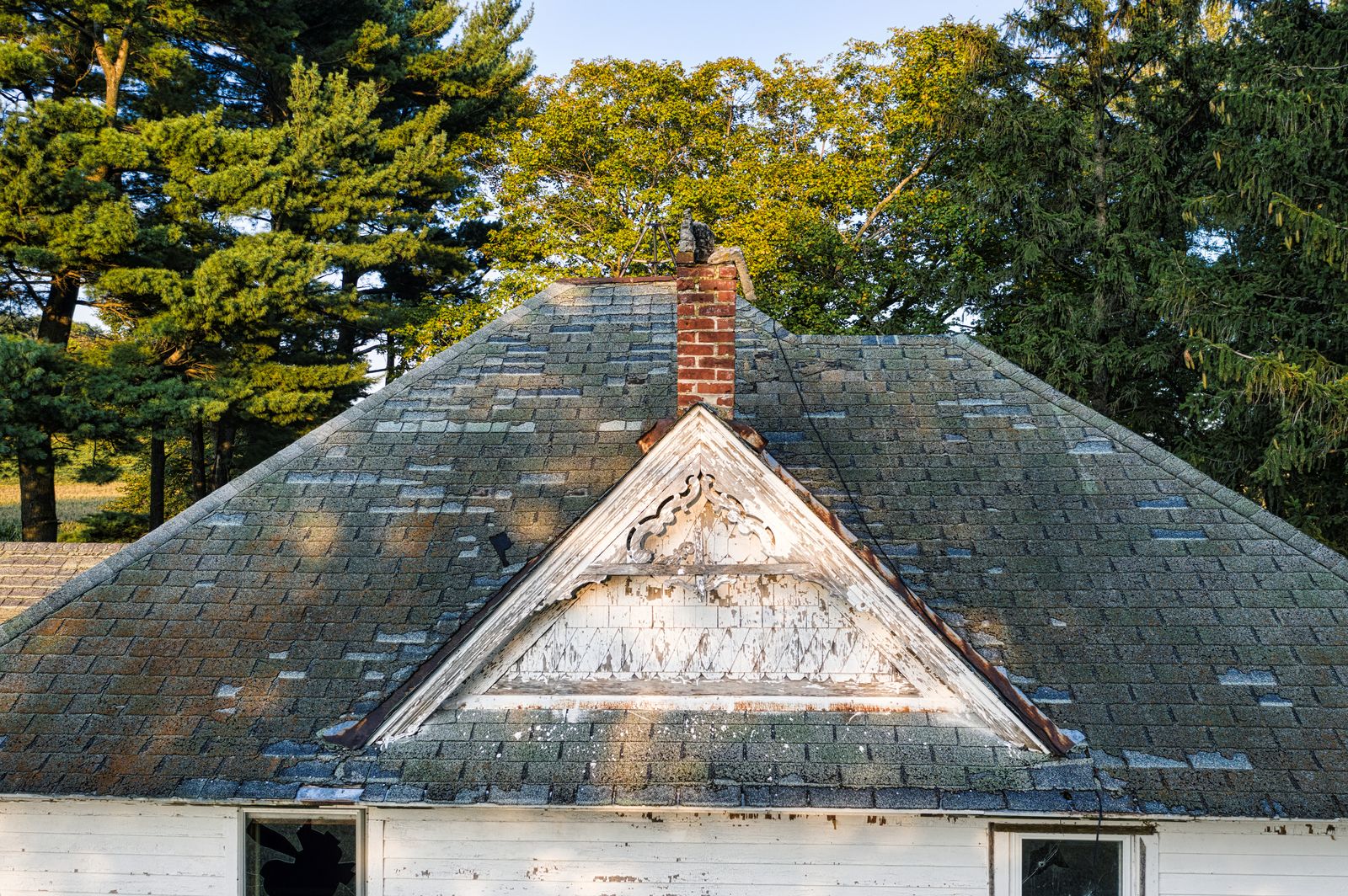
Take a Good Look at the Roof

Winnipeg weather is not exactly gentle on homes.

Between snow, ice, wind, freezing temperatures, spring melt, and plenty of temperature swings, the roof has a lot to deal with.

You may not be able to fully inspect the roof during a showing, but you can still look for obvious signs of trouble.

From the ground, check whether the shingles appear damaged, curled, missing, or unusually worn. Look around the eavestroughs and downspouts as well.

Inside the home, look at ceilings and upper-level walls for signs of water staining or discoloration. Don't automatically assume every stain means an active leak, but don't ignore it either.

Ask the seller or listing agent about the age of the roof and whether any repairs have been completed.

If you're serious about the property, a professional home inspection can provide a much better assessment.

Check the Windows and Doors

Windows are another area where you can learn a lot about how a home has been maintained.

Open and close several windows during your showing. Do they operate smoothly? Do they appear damaged or difficult to use?

Look for visible condensation between panes, damaged frames, cracked glass, or deteriorated seals.

Then take a look at the exterior doors. Do they close properly? Are there noticeable gaps? Is there damage around the frame?

These might seem like minor details, but poorly maintained windows and doors can affect comfort, energy efficiency, and moisture control.

And in a Winnipeg winter, you probably don't want your heating system working overtime because cold air is sneaking in around half the windows.

Pay Attention to the Basement

If you're buying a home in Winnipeg, the basement deserves your attention.

Walk around slowly and look at the walls, floors, ceilings, and exposed mechanical areas.

Keep an eye out for musty smells, visible moisture, water staining, cracks, peeling paint, or signs that something has been repaired recently.

If there are storage areas or rooms that are unusually packed with furniture and boxes, don't be afraid to look carefully. Sellers aren't necessarily trying to hide anything, but clutter can make it harder to see what's happening behind it.

Also look at the sump pump if the home has one. Ask how old it is and whether the homeowner has experienced water issues in the past.

Again, you're not trying to perform your own professional inspection. You're simply gathering clues.

Listen to the Furnace and Heating System

Winnipeg winters make your heating system pretty important.

During a showing, pay attention to the furnace and other heating equipment. Ask about the age of the furnace, when it was last serviced, and whether there are maintenance records available.

If the furnace is running, listen for unusual noises.

You can also ask about the home's heating history. Has the system ever needed major repairs? Has it been serviced regularly?

The same applies to other mechanical systems in the home, including air conditioning, hot water tanks, boilers, or fireplaces.

Knowing the age of these systems doesn't mean you'll automatically need to replace them. It simply gives you a better idea of what you're buying and what expenses might eventually be coming your way.

Look Under the Sinks

Here's a simple one that takes about 30 seconds.

Open the cabinets underneath the kitchen and bathroom sinks.

Look for water stains, swollen cabinetry, corrosion, leaks, or musty smells.

It's one of those areas that can easily be overlooked during a quick showing, but it can tell you a surprising amount about the home's plumbing history.

You can also turn on faucets and check that water flows normally. Pay attention to drainage and look for any obvious leaks.

You don't need to become a plumber before buying a house. You just want to notice anything that deserves a closer look.

Don't Forget the Electrical System

Older Winnipeg homes can have a wide variety of electrical systems, depending on when the property was built and what updates have been completed.

Look at the electrical panel. Is it clearly labelled? Does it appear reasonably maintained?

Check for loose outlets, damaged switches, exposed wiring, or extension cords being used as permanent solutions.

If the home is older, ask whether the electrical system has been updated and whether there are records or documentation available.

Electrical concerns are definitely something you want a qualified professional to evaluate rather than trying to diagnose yourself.

Check the Exterior, Too

The inside of a home might look fantastic while the exterior tells a completely different story.

Walk around the property if possible.

Look at the siding, brick, windows, foundation, deck, fencing, garage, driveway, and grading around the home.

Are there areas where water appears to collect? Is the driveway significantly cracked? Does the deck look stable? Is the garage in reasonable condition?

Pay particular attention to how water moves around the property.

Proper drainage and grading can be especially important in Winnipeg because snow and ice eventually turn into water. If water consistently moves toward the foundation, that's something worth investigating.

Ask About Maintenance Records

One of the easiest ways to learn whether a home has been maintained is to simply ask.

Do they have receipts for furnace servicing?

When was the roof replaced?

When were the windows installed?

Has the plumbing been updated?

Were major renovations completed by professionals?

Have there been insurance claims related to water damage?

The answers can help you build a maintenance timeline.

A homeowner who has kept receipts, warranties, inspection reports, and renovation records has made your job much easier.

That doesn't mean someone without a perfectly organized folder has neglected their home. But documentation can give buyers valuable context.

Look Beyond the Cosmetic Updates

This is a big one.

A renovated kitchen is nice. So are new floors, modern light fixtures, and a fresh bathroom.

But cosmetic improvements don't necessarily tell you whether a home has been well maintained.

Think about the things you don't see in listing photos.

The roof.

The furnace.

The plumbing.

The electrical system.

The windows.

The foundation.

The drainage.

Those aren't necessarily the most exciting features, but they're often much more important to the long-term condition of the property.

A home with an older kitchen but a well-maintained roof, furnace, plumbing, windows, and foundation could be a much better-maintained property than a freshly renovated house where the major systems have been neglected.

Don't Skip the Home Inspection

Even if a home looks incredibly well maintained, don't assume that means everything is perfect.

A home inspection can provide another layer of information and help identify issues that aren't obvious during a showing.

Think of your own observations as the first step, not the final verdict.

The goal isn't to find a home with absolutely nothing wrong with it. That's a pretty unrealistic standard. Every home has something.

The goal is to understand the home's condition, identify potential future expenses, and make a more informed decision before moving forward.

A good real estate agent can also help you know what questions to ask, what information to request, and when it makes sense to bring in the right professional.

A Well Maintained Home Doesn't Have to Be Perfect

This is probably the most important thing to remember.

Buying a home isn't about finding a property that has never had a problem.

Homes need maintenance. Furnaces age. Roofs eventually need replacing. Faucets leak. Decks need staining. Windows don't last forever.

That's normal.

What you want to know is whether the homeowner has generally stayed on top of those responsibilities.

A well maintained home usually shows signs of consistent care. The big systems have been looked after. Problems have been addressed instead of ignored. Repairs have been completed properly. And there is some history behind the work.

That's the kind of information that can help you feel more confident about what you're buying.

Buying a Home in Winnipeg? Look Past the Pretty Stuff.

When you're walking through a potential home, it's easy to get distracted by the kitchen, the fireplace, the backyard, or that one room that looks like it came straight out of a magazine.

Enjoy those things. That's part of the fun.

But take a few extra minutes to look at the less glamorous stuff, too.

Check the basement. Look at the windows. Ask about the roof. Listen to the furnace. Open the cabinets under the sinks. Walk around the exterior. Ask questions.

Because sometimes the best-maintained home isn't the one that looks the newest.

It's the one where the previous owners consistently took care of the things you don't necessarily notice at first glance.

If you're looking at homes in Winnipeg and want help figuring out what to pay attention to during showings, having an experienced real estate professional in your corner can make a big difference.

You can connect with Ty Mitchell at tysellswpg.com to get more guidance on buying a home in Winnipeg, evaluating potential properties, and making a decision that makes sense for your goals and budget.
Read

What Buyers Should Know About Home Insurance Before Closing

You have found the house.

The offer is accepted. The financing is moving forward. You are already thinking about where the couch is going to go and what you are going to do with the spare bedroom.

Then someone asks, “Have you arranged your home insurance yet?”

If you have never bought a home before, that question can feel like one more thing on an already very long to-do list.

But home insurance is an important part of preparing for closing. In many situations, your lender will want proof of insurance before the mortgage can be finalized, so it is something you should start thinking about well before possession day.

The good news is that arranging insurance does not have to be complicated. The key is knowing what information you need, what questions to ask, and why the property itself can affect your coverage and cost.

If you are buying a home in Winnipeg, here is what you should know about home insurance before closing.

Start Shopping for Insurance Early

One of the easiest mistakes buyers can make is waiting until the last minute to arrange home insurance.

You do not necessarily need to have everything finalized before you make an offer, but once your offer is accepted and you are moving toward closing, insurance should move onto your priority list.

Your insurer will need information about the property, and depending on the home, they may have questions or require additional details before providing coverage.

Starting early gives you time to compare options and address any issues that come up.

It also helps prevent a last-minute scramble when you are already dealing with lawyers, lenders, movers, utilities, and everything else that comes with buying a home.

Why Does Your Mortgage Lender Care About Insurance?

Your home is also security for your mortgage.

Because of that, your lender will generally want to know that the property is properly insured before the mortgage funds.

The exact requirements can vary depending on the lender and your circumstances, so it is important to understand what your lender needs and when they need it.

Your insurance provider can provide the necessary documentation once coverage has been arranged.

The important thing for buyers is simply not to assume that insurance is something you can deal with after closing.

Get it sorted ahead of time.

What Does Home Insurance Actually Cover?

This is where things can get a little more complicated.

Home insurance is not simply a blanket promise that “everything in the house is covered.”

Policies can include different types of coverage, limits, exclusions, deductibles, and optional protections.

Generally, home insurance can provide coverage for the home itself, your belongings, personal liability, and certain additional living expenses depending on the policy and circumstances.

However, the exact coverage depends on your specific policy.

That is why reading the details matters.

Do not choose a policy based solely on price. A cheaper policy may not provide the same level of protection as another option.

If you are unsure about what something means, ask your insurance professional to explain it before you agree to the policy.

The Property Itself Can Affect Your Insurance

Not every home costs the same to insure.

The property itself can influence your premium and eligibility.

The age of the home, type of construction, roof, heating system, electrical system, plumbing, location, replacement cost, and previous insurance claims can all be relevant factors.

For example, an older Winnipeg home may have different insurance considerations than a newer property.

This does not mean older homes are automatically difficult or expensive to insure.

It simply means the insurer may want more information about the property's systems and condition.

That is another reason to avoid waiting until the last minute.

Older Homes May Require Extra Questions

Winnipeg has plenty of older homes with character, established neighbourhoods, and features you simply do not get in newer construction.

But older properties can sometimes come with additional insurance considerations.

An insurer may want information about updates to electrical, plumbing, heating, roofing, or other major systems.

If the home has been renovated, ask whether documentation or information about the renovations is available.

This is not about scaring buyers away from older homes. It is about knowing what you are buying and making sure the property can be appropriately insured.

If an insurer raises a concern, address it before closing rather than assuming everything will work itself out later.

What About the Home Inspection?

A home inspection and an insurance assessment are two different things.

A home inspection is designed to provide information about the condition of the property and its major components. An insurer, meanwhile, is looking at the property from an insurance and risk perspective.

The information from a home inspection may still be useful when discussing the property with your insurer, particularly if it identifies older systems or potential concerns.

If your inspection identifies something significant, ask your appropriate professionals whether it could affect insurance coverage or cost.

Again, the goal is not to panic over every item in an inspection report.

It is to understand the bigger picture before you become the homeowner.

Do Not Assume Everything Is Covered

This is probably one of the most important things buyers should understand.

There can be exclusions and limitations in insurance policies.

Certain types of water damage, sewer backup, overland water, earthquakes, service lines, home-based businesses, and other risks may have specific conditions or may require additional coverage, depending on the policy and insurer.

Coverage varies, so do not assume that because something sounds like a typical home insurance claim, it is automatically covered.

Ask questions.

If water damage is a major concern for you, ask specifically what types of water-related losses are covered and whether additional coverage is available.

Understanding your policy before you need it is much better than learning about an exclusion after something happens.

Think About Sewer Backup and Water Coverage

For Winnipeg homeowners, water-related risks deserve particular attention.

Depending on the property and insurance policy, certain water-related coverage may be available as an optional addition or may have specific limitations.

Talk to your insurance professional about the risks that apply to the specific property you are buying.

You can also ask whether the home's location, basement, plumbing, sump pump, or other features affect your coverage options.

Do not simply assume that every policy offers identical protection.

Two homes can have very different insurance needs.

Understand Your Deductible

Your deductible is the amount you are responsible for paying toward a covered claim before the insurer pays the remaining eligible amount, subject to the terms of the policy.

A policy with a lower deductible may have a different premium than one with a higher deductible.

When comparing insurance options, do not look only at the monthly or annual premium.

Consider the deductible as part of the overall cost.

Ask yourself whether you could comfortably cover that amount if you needed to make a claim.

The cheapest policy on paper is not necessarily the best fit if the deductible or coverage limits do not work for your financial situation.

Make Sure Your Coverage Reflects the Home's Replacement Cost

Your home's purchase price and its cost to rebuild are not necessarily the same thing.

This is an important distinction.

The market value of a property includes factors such as land, location, neighbourhood desirability, and market conditions. Rebuilding a home involves different costs, including materials, labour, demolition, debris removal, and other expenses.

Your insurance professional can help determine an appropriate replacement cost for the home based on the insurer's process.

Do not assume that simply insuring the home for the amount you paid for it tells the whole story.

What About Your Personal Belongings?

Home insurance is not only about the physical building.

Your belongings can also be part of your coverage, subject to the policy terms, limits, and exclusions.

Think about furniture, electronics, clothing, appliances, sports equipment, tools, and other possessions.

If you own particularly valuable items such as jewellery, collectibles, artwork, or specialized equipment, ask your insurer whether they require additional coverage or documentation.

It can also be smart to create a home inventory.

Take photos or videos of your belongings and keep receipts or other documentation for valuable items where appropriate.

You hope you never need that information.

But if you do, you will be glad you have it.

What If You Run a Business From Home?

This is an easy detail to overlook.

If you work from home or operate a business from your property, tell your insurance provider.

Do not assume a standard home insurance policy automatically provides the coverage you need for business equipment, inventory, client visits, or business-related liability.

Your insurance needs may be different depending on the nature of the business.

A quick conversation with your insurer before closing can help you understand whether additional coverage is necessary.

Ask About Previous Claims

Depending on the circumstances and the information available to the insurer, the property's claims history can be relevant when arranging coverage.

If you are buying a property, it is worth asking appropriate questions about previous water damage, fires, major insurance claims, or significant repairs.

This can also be useful beyond insurance.

A history of repeated water issues, for example, may point you toward questions about drainage, plumbing, the foundation, or other aspects of the property.

You do not need to assume that a previous claim automatically makes a home a bad purchase.

You simply want to understand what happened, what was repaired, and whether there are any ongoing concerns.

Get Your Insurance Documents Ready Before Closing

As closing approaches, make sure you know what documentation your lender and other professionals require.

Your insurance provider can typically help you obtain the necessary proof of coverage.

Do not leave this until the morning before closing.

By that point, you have enough on your plate.

Ideally, your insurance is arranged, your documentation is available, and everyone who needs proof of coverage has what they need before the closing date arrives.

That way, you can focus on the exciting part.

Getting the keys.

Shop Around, But Compare More Than Price

It is perfectly reasonable to compare insurance providers and quotes.

In fact, you should understand your options.

But make sure you are comparing similar coverage.

A lower premium does not necessarily mean a better deal if the policy has lower limits, higher deductibles, or exclusions that matter to you.

Ask about coverage, deductibles, optional protections, limits, exclusions, and how claims are handled.

If you already have auto insurance or other policies, you may also want to ask whether bundling policies is an option.

Your insurance professional can help you compare the details.

Your Real Estate Agent Is Not Your Insurance Professional

Your real estate agent can help you understand the home-buying process and point out questions worth asking, but insurance-specific advice should come from a qualified insurance professional.

That distinction matters.

Your real estate agent may know that insurance needs to be arranged before closing and can help keep the transaction on track. Your insurance provider is the person to speak with about policy coverage, exclusions, premiums, deductibles, and your specific insurance needs.

Think of it as a team.

Your agent helps you with the real estate transaction. Your lender handles the financing. Your lawyer handles the legal side. Your insurance professional handles your insurance.

Everyone has a different role.

A Little Preparation Can Save a Lot of Stress

Buying a home already comes with a long checklist.

Mortgage approval. Inspections. Lawyers. Utilities. Moving. Address changes. Packing approximately 700 boxes that somehow contain only kitchen items.

Adding home insurance to the list may feel like another chore, but it is an important one.

Start early. Ask questions. Understand your coverage. Make sure your policy fits the property and your circumstances.

Most importantly, do not choose coverage simply because it is the cheapest option.

Your home is a major investment, and the right insurance can help protect both the property and your financial security.

Ready to Buy a Home in Winnipeg?

Home insurance is just one piece of the home-buying puzzle, but understanding these details before closing can make the entire process feel much smoother.

If you are buying your first home, moving to a new property, or simply want a better understanding of what to prepare before possession day, having an experienced Winnipeg real estate professional on your side can help you stay organized and ask the right questions at the right time.

When you are ready to start your next home search, connect with Ty Mitchell. Ty can help guide you through the real estate side of the process, from evaluating a property and writing an offer to preparing for the day you finally get those keys in your hand.


Schedule: Sept. 16, 2026

Blog #18: How to Tell If a Winnipeg Home Has Been Well Maintained

SEO Keywords/Phrases:

  • well maintained home in Winnipeg

  • home maintenance checklist for buyers

  • buying a home in Winnipeg

Meta Title:
How to Tell If a Winnipeg Home Has Been Well Maintained

Meta Description:
Learn how to spot a well maintained home in Winnipeg, from the roof and basement to plumbing, heating, windows, and the little details buyers often miss.

Blog Post Copy:

How to Tell If a Winnipeg Home Has Been Well Maintained

When you walk into a house you might notice the obvious things first. The kitchen looks great. The floors are clean. The walls have a fresh coat of paint. Maybe the bathroom has been updated and the backyard looks like it belongs in a landscaping magazine.

All good signs, right?

Maybe.

But when you're buying a home, especially in Winnipeg, it's worth looking beyond the fresh paint and pretty finishes. A house can look fantastic during a showing and still have a long list of maintenance issues hiding underneath the surface.

A well maintained home doesn't necessarily mean everything is brand new. In fact, some older Winnipeg homes have been cared for incredibly well over the years. What matters is how consistently the major systems, structure, exterior, and everyday components have been looked after.

So how can you tell?

Here are some of the things I recommend buyers pay attention to when trying to figure out whether a Winnipeg home has been properly maintained.

Start With the Overall Condition

Before getting too focused on individual features, take a step back and look at the home as a whole.

Does the property generally feel cared for?

Look at the condition of the walls, ceilings, floors, doors, trim, cabinets, and fixtures. You're not looking for perfection. You're looking for patterns.

A few scuffs on the wall are normal. A loose doorknob isn't exactly a five-alarm emergency either. But if you notice multiple small repairs that have clearly been ignored, it could be worth digging a little deeper.

Pay attention to things that appear unfinished or temporarily repaired. A ceiling stain that has been painted over, several cracked tiles, water-damaged trim, or a collection of DIY fixes could be clues that the homeowner has been putting maintenance on the back burner.

One little issue doesn't automatically mean there's a major problem. Several together might tell a different story.

Take a Good Look at the Roof

Winnipeg weather is not exactly gentle on homes.

Between snow, ice, wind, freezing temperatures, spring melt, and plenty of temperature swings, the roof has a lot to deal with.

You may not be able to fully inspect the roof during a showing, but you can still look for obvious signs of trouble.

From the ground, check whether the shingles appear damaged, curled, missing, or unusually worn. Look around the eavestroughs and downspouts as well.

Inside the home, look at ceilings and upper-level walls for signs of water staining or discoloration. Don't automatically assume every stain means an active leak, but don't ignore it either.

Ask the seller or listing agent about the age of the roof and whether any repairs have been completed.

If you're serious about the property, a professional home inspection can provide a much better assessment.

Check the Windows and Doors

Windows are another area where you can learn a lot about how a home has been maintained.

Open and close several windows during your showing. Do they operate smoothly? Do they appear damaged or difficult to use?

Look for visible condensation between panes, damaged frames, cracked glass, or deteriorated seals.

Then take a look at the exterior doors. Do they close properly? Are there noticeable gaps? Is there damage around the frame?

These might seem like minor details, but poorly maintained windows and doors can affect comfort, energy efficiency, and moisture control.

And in a Winnipeg winter, you probably don't want your heating system working overtime because cold air is sneaking in around half the windows.

Pay Attention to the Basement

If you're buying a home in Winnipeg, the basement deserves your attention.

Walk around slowly and look at the walls, floors, ceilings, and exposed mechanical areas.

Keep an eye out for musty smells, visible moisture, water staining, cracks, peeling paint, or signs that something has been repaired recently.

If there are storage areas or rooms that are unusually packed with furniture and boxes, don't be afraid to look carefully. Sellers aren't necessarily trying to hide anything, but clutter can make it harder to see what's happening behind it.

Also look at the sump pump if the home has one. Ask how old it is and whether the homeowner has experienced water issues in the past.

Again, you're not trying to perform your own professional inspection. You're simply gathering clues.

Listen to the Furnace and Heating System

Winnipeg winters make your heating system pretty important.

During a showing, pay attention to the furnace and other heating equipment. Ask about the age of the furnace, when it was last serviced, and whether there are maintenance records available.

If the furnace is running, listen for unusual noises.

You can also ask about the home's heating history. Has the system ever needed major repairs? Has it been serviced regularly?

The same applies to other mechanical systems in the home, including air conditioning, hot water tanks, boilers, or fireplaces.

Knowing the age of these systems doesn't mean you'll automatically need to replace them. It simply gives you a better idea of what you're buying and what expenses might eventually be coming your way.

Look Under the Sinks

Here's a simple one that takes about 30 seconds.

Open the cabinets underneath the kitchen and bathroom sinks.

Look for water stains, swollen cabinetry, corrosion, leaks, or musty smells.

It's one of those areas that can easily be overlooked during a quick showing, but it can tell you a surprising amount about the home's plumbing history.

You can also turn on faucets and check that water flows normally. Pay attention to drainage and look for any obvious leaks.

You don't need to become a plumber before buying a house. You just want to notice anything that deserves a closer look.

Don't Forget the Electrical System

Older Winnipeg homes can have a wide variety of electrical systems, depending on when the property was built and what updates have been completed.

Look at the electrical panel. Is it clearly labelled? Does it appear reasonably maintained?

Check for loose outlets, damaged switches, exposed wiring, or extension cords being used as permanent solutions.

If the home is older, ask whether the electrical system has been updated and whether there are records or documentation available.

Electrical concerns are definitely something you want a qualified professional to evaluate rather than trying to diagnose yourself.

Check the Exterior, Too

The inside of a home might look fantastic while the exterior tells a completely different story.

Walk around the property if possible.

Look at the siding, brick, windows, foundation, deck, fencing, garage, driveway, and grading around the home.

Are there areas where water appears to collect? Is the driveway significantly cracked? Does the deck look stable? Is the garage in reasonable condition?

Pay particular attention to how water moves around the property.

Proper drainage and grading can be especially important in Winnipeg because snow and ice eventually turn into water. If water consistently moves toward the foundation, that's something worth investigating.

Ask About Maintenance Records

One of the easiest ways to learn whether a home has been maintained is to simply ask.

Do they have receipts for furnace servicing?

When was the roof replaced?

When were the windows installed?

Has the plumbing been updated?

Were major renovations completed by professionals?

Have there been insurance claims related to water damage?

The answers can help you build a maintenance timeline.

A homeowner who has kept receipts, warranties, inspection reports, and renovation records has made your job much easier.

That doesn't mean someone without a perfectly organized folder has neglected their home. But documentation can give buyers valuable context.

Look Beyond the Cosmetic Updates

This is a big one.

A renovated kitchen is nice. So are new floors, modern light fixtures, and a fresh bathroom.

But cosmetic improvements don't necessarily tell you whether a home has been well maintained.

Think about the things you don't see in listing photos.

The roof.

The furnace.

The plumbing.

The electrical system.

The windows.

The foundation.

The drainage.

Those aren't necessarily the most exciting features, but they're often much more important to the long-term condition of the property.

A home with an older kitchen but a well-maintained roof, furnace, plumbing, windows, and foundation could be a much better-maintained property than a freshly renovated house where the major systems have been neglected.

Don't Skip the Home Inspection

Even if a home looks incredibly well maintained, don't assume that means everything is perfect.

A home inspection can provide another layer of information and help identify issues that aren't obvious during a showing.

Think of your own observations as the first step, not the final verdict.

The goal isn't to find a home with absolutely nothing wrong with it. That's a pretty unrealistic standard. Every home has something.

The goal is to understand the home's condition, identify potential future expenses, and make a more informed decision before moving forward.

A good real estate agent can also help you know what questions to ask, what information to request, and when it makes sense to bring in the right professional.

A Well Maintained Home Doesn't Have to Be Perfect

This is probably the most important thing to remember.

Buying a home isn't about finding a property that has never had a problem.

Homes need maintenance. Furnaces age. Roofs eventually need replacing. Faucets leak. Decks need staining. Windows don't last forever.

That's normal.

What you want to know is whether the homeowner has generally stayed on top of those responsibilities.

A well maintained home usually shows signs of consistent care. The big systems have been looked after. Problems have been addressed instead of ignored. Repairs have been completed properly. And there is some history behind the work.

That's the kind of information that can help you feel more confident about what you're buying.

Buying a Home in Winnipeg? Look Past the Pretty Stuff.

When you're walking through a potential home, it's easy to get distracted by the kitchen, the fireplace, the backyard, or that one room that looks like it came straight out of a magazine.

Enjoy those things. That's part of the fun.

But take a few extra minutes to look at the less glamorous stuff, too.

Check the basement. Look at the windows. Ask about the roof. Listen to the furnace. Open the cabinets under the sinks. Walk around the exterior. Ask questions.

Because sometimes the best-maintained home isn't the one that looks the newest.

It's the one where the previous owners consistently took care of the things you don't necessarily notice at first glance.

If you're looking at homes in Winnipeg and want help figuring out what to pay attention to during showings, having an experienced real estate professional in your corner can make a big difference.

You can connect with Ty Mitchell at tysellswpg.com to get more guidance on buying a home in Winnipeg, evaluating potential properties, and making a decision that makes sense for your goals and budget.
Read

How to Budget for Your First Year of Homeownership

Buying your first home is exciting.

You finally have the keys. You open the door, walk through the rooms, and realize, “This is actually mine.”

Then reality sets in.

There is a hydro bill. A heating bill. Property taxes. Home insurance. Maybe a lawn that needs attention. Maybe a furnace that decides it wants some attention too. Suddenly, you realize that owning a home involves a lot more than making your mortgage payment every month.

That does not mean homeownership should be stressful. It simply means it pays to be prepared.

Your first year of homeownership is when you start learning what it really costs to maintain your home, manage household expenses, and deal with those little surprises that come with owning property.

If you are buying your first home in Winnipeg, here is how to build a realistic budget for that first year.

Start With Your Actual Monthly Housing Cost

The first mistake many first-time buyers make is looking only at the mortgage payment.

Your mortgage is obviously a major expense, but it is not your entire housing budget.

You also need to consider property taxes, home insurance, utilities, maintenance, and potentially other costs such as condo fees if you are buying a condominium.

Before you buy, create a realistic monthly estimate of what the home will actually cost you.

For example, instead of thinking, “I can afford a $2,000 mortgage payment,” think about the full monthly picture.

What will your mortgage cost? What will insurance cost? How much should you set aside for utilities and maintenance? Are there property taxes to account for? What other recurring expenses will come with the property?

The goal is to know what you are committing to before you get the keys.

Build a Separate Homeownership Budget

It can be helpful to think of your household budget in two parts.

The first is your regular living budget. That includes groceries, transportation, entertainment, phone bills, subscriptions, debt payments, and everything else you already pay for.

The second is your homeownership budget.

This should cover the costs directly connected to owning your property.

Keeping the categories separate can make it easier to see whether you are financially comfortable with the home.

It also makes it easier to prepare for expenses that do not happen every month.

You might not need to spend money on a major repair in September, for example, but that does not mean you should assume repairs will never happen.

Do Not Forget Property Taxes

Property taxes are one of those expenses that can catch new homeowners off guard.

You know they exist, but when you are focused on saving for a down payment, getting approved for a mortgage, and finding the right home, it is easy to push them into the background.

Before buying, make sure you understand the property's current property tax situation and how the payments fit into your overall budget.

Property taxes are not optional, and they are part of the ongoing cost of owning a home.

If you are comparing multiple properties, take the time to look at their respective tax amounts rather than assuming they will all be similar.

A home that costs slightly less to purchase does not necessarily have lower ongoing costs.

Budget for Utilities

Utilities are another major part of your first-year homeownership budget.

Depending on the property, you may have electricity, natural gas, water, waste services, internet, and other household expenses.

And here is the important part.

Your utility costs can change throughout the year.

Winnipeg winters can obviously have a significant impact on heating expenses, so do not build your budget around what utilities cost during a mild month.

If you are considering a property, ask whether historical utility information is available. This can help give you a better idea of what the home has cost to operate.

The more information you have before buying, the easier it is to create a realistic budget.

Create a Home Maintenance Fund

This is one of the most important habits you can develop as a homeowner.

Set money aside specifically for maintenance.

The roof will eventually need attention. Appliances will eventually stop working. Plumbing issues happen. Heating systems need maintenance. Exterior features need upkeep.

You may go several months without needing a major repair. That is great.

Keep saving anyway.

Think of your maintenance fund as your home's emergency fund. It is there so that an unexpected repair does not immediately become a financial crisis.

You do not need to know exactly what will break or when. You simply need to be prepared for the fact that something eventually will.

Expect Some First-Year Purchases

Even if the house is move-in ready, you will probably spend money on things you did not initially consider.

Maybe you need curtains or blinds. Maybe the previous owner took the shelving. Maybe you need a lawn mower, snow shovel, storage bins, tools, or a new garbage and recycling setup.

Then there are the fun purchases.

A dining table. A couch. Patio furniture. Artwork. Plants. A better coffee maker because, apparently, owning a home means suddenly caring deeply about coffee.

These purchases can add up quickly.

The solution is not to avoid buying anything. It is to prioritize.

Make a list of what you actually need immediately, what can wait, and what is simply something you would like to have.

Your home does not need to be completely furnished on day one.

Be Careful With the “While We're At It” Trap

This one gets a lot of new homeowners.

You move in and think, “Since we're already here, we might as well…”

Then suddenly you are repainting every room, replacing the light fixtures, upgrading the bathroom, changing the flooring, buying new furniture, landscaping the yard, and questioning your life choices.

It is very easy to turn a few small projects into a very large bill.

Unless something needs immediate attention, give yourself time to live in the home before making major cosmetic changes.

After a few months, you may discover that you do not actually need to renovate the room you thought you hated.

You might even realize that moving the furniture solves half the problem.

Prepare for Seasonal Expenses

Your first year as a Winnipeg homeowner will take you through every season, so your budget needs to do the same.

Summer might bring lawn care, gardening, air conditioning, exterior maintenance, and outdoor projects.

Fall may mean preparing the home for colder weather.

Winter brings heating, snow removal, and the realities of living through a Winnipeg winter.

Spring can bring yard cleanup, exterior inspections, drainage concerns, and other maintenance tasks.

Instead of treating these expenses as surprises, build them into your annual budget.

A little planning can make seasonal costs feel much more manageable.

Think About Home Insurance

Home insurance is another recurring cost that belongs in your budget from the beginning.

Your insurance needs will depend on the property and your individual circumstances, so speak with an insurance professional before finalizing your purchase.

It is also worth understanding what your policy covers and what your responsibilities are as the homeowner.

Do not wait until something happens to discover that you misunderstood your coverage.

Your home is likely one of the biggest purchases you will ever make. Protecting it should be part of the financial plan.

Keep Some Money Available for the Unexpected

This is where your emergency fund becomes especially important.

Homeownership comes with expenses you can plan for and expenses you absolutely cannot.

Maybe an appliance breaks shortly after you move in. Maybe a plumbing issue appears. Maybe you discover that something needs to be repaired sooner than expected.

You do not want every unexpected expense to go directly onto a credit card.

Having accessible savings gives you options.

Your emergency fund does not need to be specifically for the house, but when you become a homeowner, it becomes even more important to have money available for unexpected situations.

Do Not Spend Every Dollar After Closing

There is a temptation to put everything you have into the purchase.

You have saved for the down payment. You have budgeted for closing costs. You have finally reached the finish line.

But ideally, buying the home should not leave you with nothing.

Your first year will be much easier if you have some cash reserves after closing.

The exact amount you should keep available will depend on your personal finances, income, debts, household situation, and other factors. A financial professional can help you determine what level of emergency savings makes sense for you.

The important takeaway is simple.

Do not budget so tightly for the purchase that you have no room left for life after the purchase.

Create a “Things We Can Wait On” List

One of the easiest ways to protect your first-year budget is to create a list of projects that can wait.

Maybe the kitchen could use a cosmetic update.

Maybe you want to replace the flooring.

Maybe you want to build a deck.

Maybe the spare bedroom needs a new paint colour.

Write it all down.

Then prioritize.

Some projects may be urgent. Others may be important but not urgent. Some may simply be things you would like to do eventually.

You do not have to do everything in your first year.

In fact, waiting can sometimes help you make better decisions because you have had time to understand how you actually use the home.

Track Your Spending for the First Few Months

Your first year is also an opportunity to learn.

Keep track of what you are actually spending on the home.

After a few months, you will start to see patterns.

Maybe your heating costs are higher than expected. Maybe you are spending more on maintenance than you anticipated. Maybe you are saving more money than expected because you are cooking at home more often.

Use that information to adjust your budget.

A budget is not supposed to be something you create once and never look at again. It should change as you learn more about your actual expenses.

Remember That Homeownership Is a Long-Term Expense

When people calculate whether they can afford a home, they often focus on the purchase price.

But homeownership is a long-term financial commitment.

The mortgage may be your biggest monthly expense, but the overall cost of owning a home includes much more than that.

The good news is that many of these expenses become easier to manage once you know what to expect.

You learn how the home operates. You figure out your utility patterns. You build up your maintenance fund. You learn which repairs you can handle yourself and which ones are better left to a professional.

The first year is often the biggest learning curve.

Give Yourself Some Breathing Room

Your first year as a homeowner does not have to be perfect.

You do not need to have the entire house decorated immediately. You do not need to complete every renovation. You do not need to buy every piece of furniture you have ever wanted.

Give yourself some breathing room.

Focus on keeping the home comfortable, maintaining the important systems, staying on top of your regular expenses, and building your financial cushion.

The rest can come with time.

After all, you are not just buying a house. You are learning how to own one.

Ready to Buy Your First Home in Winnipeg?

Buying your first home is a big step, and knowing what you can afford should go beyond simply asking, “Can I make the mortgage payment?”

A smart home-buying plan considers the full cost of ownership, from property taxes and utilities to maintenance and those unexpected expenses that have a funny way of showing up at exactly the wrong time.

If you are preparing to buy your first home in Winnipeg, having the right real estate professional beside you can help you understand the property itself, the neighborhood, and the costs you should be thinking about before you make an offer.

When you are ready to start your home search, connect with Ty Mitchell. The goal is not just to help you buy a home. It is to help you buy one that fits your life and leaves you feeling financially comfortable after you get the keys.

Read

What to Know Before Buying a Home Near a Busy Winnipeg Road

You find a home you really like. The layout works. The kitchen is great. The backyard has potential. The price fits your budget.

Then you look at the map.

The house is close to a busy Winnipeg road.

Now what?

Buying a home near a major road is not automatically a bad decision. In fact, there can be some real advantages. You may have easier access to transit, shopping, restaurants, major routes, and other parts of the city. Sometimes, a busy-road property may also offer more space or a lower purchase price compared with a similar home on a quieter residential street.

But there are trade-offs.

Traffic noise, parking, pedestrian safety, privacy, and future resale are all worth thinking about before you make an offer. The key is figuring out whether those trade-offs are acceptable for your lifestyle and whether the home still represents good value.

If you are considering buying a home near a busy road in Winnipeg, here are some things worth checking before you fall completely in love with the property.

First, Define What “Busy” Actually Means

Not every road with regular traffic is the same.

A four-lane route with buses and heavy commuter traffic is a very different experience from a residential street that simply gets busy during school drop-off.

Before making a decision, spend some time observing the road.

Visit during the morning rush. Come back around the end of the workday. Check it out in the evening and, if possible, on a weekend.

Pay attention to how much traffic passes the property and how quickly it moves. Listen for buses, trucks, motorcycles, and other sources of noise. Look at how difficult it is to enter and leave the driveway.

You may discover that the road is quieter than expected. Or you may discover that what looked fine during a Saturday afternoon showing feels very different on a Monday morning.

The goal is to experience the location rather than simply look at it on a map.

Traffic Noise Can Become Part of Your Everyday Life

This is probably one of the biggest considerations when buying a home near a busy road.

You might not notice traffic noise much during a 30-minute showing. But living there means hearing the surrounding activity every day.

Think about when you are most sensitive to noise.

Do you work from home? Do you like sleeping with your windows open? Do you enjoy sitting outside in the backyard during summer? Do you have young children who nap during the day?

If so, road noise may matter more to you than it would to someone who spends most of the day away from home.

Also consider the type of traffic.

A steady flow of regular vehicles is one thing. Frequent buses, delivery trucks, emergency vehicles, or motorcycles can create a different sound environment.

There is no universal answer for how much noise is acceptable. It comes down to your personal tolerance and how the location fits your routine.

Test the Noise Inside the House

If you are seriously considering the property, do not just stand outside and listen.

Spend some time inside.

Close the windows and listen from the living room, bedrooms, and other areas where you expect to spend a lot of time.

Then, if weather and circumstances allow, open the windows.

You may find that the home's construction does a good job of reducing outside noise. Or you may discover that traffic is much more noticeable inside than you expected.

Pay attention to where the bedrooms are located, too. A bedroom facing away from the road may provide a quieter experience than one directly facing traffic.

Small details like this can make a meaningful difference.

Think About Your Backyard

One of the most overlooked considerations is outdoor space.

A backyard can look beautiful in listing photos, but if it backs onto a busy road, your experience may be different.

Think about how you plan to use the yard.

Do you picture quiet morning coffees? Family dinners outside? Kids playing? Entertaining friends? Gardening?

If those things are important to you, consider how traffic noise, headlights, and activity may affect the experience.

Privacy is another factor. A busy road means more people passing by, which may make the backyard feel less private than one located on an interior residential street.

Look at fences, landscaping, trees, and the overall orientation of the property. These features may help create separation between the home and the road.

Consider Safety and Accessibility

Traffic volume can also affect how comfortable you feel getting in and out of the property.

Take a close look at the driveway.

Is it easy to turn onto the road? Can you see oncoming traffic clearly? Is there a median or other road design feature that affects access?

If you have children, think about how they will move around the property and neighbourhood. If you have pets, consider how they will be managed around a busy road.

Walking is another consideration.

If you regularly walk to nearby stores, parks, schools, transit stops, or other amenities, look at the sidewalks and crossings. A location can be geographically close to something but still feel inconvenient or uncomfortable to access on foot.

The map tells you the distance. Your actual experience tells you whether that distance works.

Parking Can Be a Bigger Issue Than You Expect

Busy roads can sometimes create parking challenges, especially when street parking is limited or heavily used.

If you have multiple vehicles, frequent visitors, or larger vehicles, look carefully at the property's parking setup.

Does the home have a garage? Is the driveway large enough? Is there convenient visitor parking?

Also consider how parking works during different seasons.

Winnipeg winters can change the parking experience considerably. Snowbanks, snow clearing, and reduced usable street space can all affect how easy it is to park and access your property.

A location that works perfectly in July may feel very different in January.

Winter Conditions Deserve Extra Attention

Speaking of January, this is Winnipeg.

Winter should absolutely be part of your location assessment.

Busy roads may receive frequent snow clearing, which can be an advantage. At the same time, traffic, snowbanks, icy conditions, and reduced visibility can create other considerations around driveways, intersections, sidewalks, and pedestrian crossings.

If you are viewing a home during the warmer months, try to imagine what the location might be like in winter.

Where will snow accumulate? How will you access the driveway? What does the sidewalk situation look like? How far would you need to walk to transit or nearby amenities?

You do not need to predict every winter scenario. Just make sure you are considering the property as a year-round home rather than a summer snapshot.

Look at What Is Across the Road

Do not only focus on the road itself.

Look at what is on the other side.

Is it another residential neighbourhood? A commercial property? A parking lot? A school? A park? A vacant parcel?

The surrounding land uses can affect traffic, noise, lighting, and future development.

This is especially important because the view you see today may not necessarily be the view you have forever.

If something about the surrounding property concerns you, investigate it rather than assuming it will stay exactly as it is.

Research Future Development

A busy road today could become busier in the future.

Before buying, it can be worthwhile to investigate planned developments and transportation projects in the surrounding area.

New commercial development, road improvements, transit changes, or nearby construction can potentially affect traffic patterns and the overall character of the area.

Future development is not automatically a negative.

A new shopping area or improved transportation connection could make a location more convenient. But it is better to know what may be coming than to be surprised later.

For significant questions about municipal planning or proposed developments, consult the appropriate City of Winnipeg resources or professionals who can provide current information.

Think About Resale Value

One question buyers often have is whether buying a home near a busy road will affect resale.

There is no simple yes-or-no answer.

Some buyers will immediately eliminate homes near busy roads from their search. Others may not care much, particularly if the property offers advantages such as a desirable neighbourhood, excellent access to amenities, a larger lot, or a more attractive price.

The important thing is to understand that the location may appeal to a narrower group of buyers than a comparable home on a quiet street.

That does not necessarily mean the property is a poor investment.

It means you should factor the location into your overall assessment of the home's price, condition, features, and long-term appeal.

A Lower Price May Not Be a Bargain

This is an important point.

A home near a busy road may be priced lower than a similar property on a quieter street.

That can be tempting.

But do not assume that a lower purchase price automatically means you are getting a great deal.

Ask why the property is priced where it is. Compare it with similar homes. Consider the location, condition, lot, upgrades, and other factors.

Then ask yourself whether you would still be happy with the property if you were not thinking about the discount.

If the answer is yes, you may have found a home that works for you.

If the only thing making the property attractive is the price, it may be worth taking another look.

Talk to People Who Actually Live Nearby

Sometimes the best source of information is someone who already lives there.

If you have an opportunity to speak with nearby residents, ask what they like about the area and whether there are things they wish they had known before moving in.

You can ask about traffic, noise, parking, winter conditions, and general neighbourhood activity.

Of course, one person's experience is not necessarily universal. But local perspectives can give you another piece of information to consider.

Visit More Than Once Before You Decide

This might be the simplest advice in the entire article.

Go back.

A home near a busy road deserves more than one quick showing if you are seriously considering buying it.

Visit at different times. Stand outside. Sit quietly inside. Walk around the neighbourhood. Try the driveway. Check nearby crossings. Look at parking.

You are trying to understand what it feels like to live there, not simply whether you like the house.

Sometimes the location grows on you.

Sometimes it becomes an immediate dealbreaker.

Both are useful outcomes.

Compare the Home With Similar Properties

If you are unsure about a busy-road property, compare it with similar homes in nearby areas.

Look at properties with comparable sizes, bedrooms, condition, and features.

How much more are homes on quieter streets selling for? What does the price difference look like? Are you getting something meaningful in return for accepting the busier location?

This kind of comparison can help put the trade-off into perspective.

You may decide that the lower price and convenient location make the property worthwhile. Or you may decide that you would rather spend more for a quieter street.

There is no wrong answer if the decision fits your priorities.

Decide What You Can Live With

Every home comes with compromises.

One has a smaller kitchen. Another has an older bathroom. Another has a long commute. Another has a smaller backyard.

A busy road may simply be one of the compromises attached to an otherwise great property.

The important question is whether it is a compromise you can comfortably live with.

Do not assume you will eventually get used to something that already bothers you during the showing. At the same time, do not automatically reject a home simply because it is near traffic if the location provides benefits that genuinely matter to you.

Know your dealbreakers before you buy.

The Right Home Is About More Than the House

When buying a home, it is easy to get focused on the property itself.

But where the home sits can be just as important as what is inside it.

A busy Winnipeg road may bring noise and traffic, but it can also bring convenience, accessibility, and potentially better value. Whether that trade-off works depends entirely on your lifestyle, priorities, and expectations.

Take your time. Visit the property more than once. Pay attention to the details that will affect your everyday life. And make sure you are comfortable with both the home and its surroundings before you make a commitment.

Looking at a Home Near a Busy Winnipeg Road?

If you have found a property you love but are not sure how much the location should influence your decision, it helps to have an experienced Winnipeg real estate professional in your corner.

A second set of eyes can help you compare similar properties, look at the bigger picture, understand the local market, and identify questions you may not have thought to ask.

If you are searching for a home in Winnipeg and want practical guidance throughout the process, connect with Ty Mitchell. The right home is not necessarily the quietest home, the newest home, or the home with the most upgrades. It is the one that makes sense for your life, your priorities, and your budget.

Read

New property listed in Winnipeg

I have listed a new property at 27 Desjardins Drive in Winnipeg. See details here

2J//Winnipeg/S/S Now OTP 9/21 Welcome to 27 Desjardins Drive, an Island Lakes original that is anything but ordinary! This two-storey has been thoughtfully updated top to bottom. Step into the show-stopping open concept kitchen, built for entertaining, and flow right into the awesome sunken living room, a cozy conversation pit with serious character. Upstairs, comfortable bedrooms round things out, while the unfinished basement is a blank canvas bursting with untapped potential, think rec room, home gym, or theatre, you decide! Outside, the yard is truly incredible: room to garden, play, and entertain all summer long. Tucked into family-favourite Island Lakes, close to schools, parks, and the duck pond. Updated, spacious, and full of personality, this one will not last! Please Contact your Favourite Realtor for a Tour. Update list available upon request. (id:2493)

Read

Open House. Open House on Saturday, September 12, 2026 2:00PM - 4:00PM

Please visit our Open House at 99 Monck Avenue in Winnipeg. See details here

Open House on Saturday, September 12, 2026 2:00PM - 4:00PM

2B//Winnipeg/Offers As Received. O/H 9/12 2-4pm. WOW! You see the majestic blue house with stone accents, standing tall among the soaring trees in Norwood Flats, inviting veranda and lush greenery, and you know it s THE ONE! Inside, 99 Monck Ave is just as spectacular, brimming with preserved shining oak; old-world charm but with all the modern touches & upgrades. On the main, fall in love with its cozy foyer and stately dining & living rooms that flow to the big eat-in kitchen with patio door to the 2-tier deck. Upstairs, 3 well-sized bedrooms and office/sunroom await before reaching the fully-reno d loft on the 3rd floor. Outside, welcome to your personal oasis with cozy nooks nestled into your pristine backyard. Enjoy this retreat, complete with hot tub, gazeebo and firepit. Ductless A/C, full bath in bsmt, main and second floor, finished basement and oversized double-heated garage round out your daily living enjoyment. Meticulously maintained, intentionally upgraded and attention to every detail, all you have to do is move in. This home has been extensively renovated by the Owner over the last 27+ years, please reach out for the full list of imporovements and floor plans. Don't miss out, come view asap! (id:2493)

Read

How to Decide Which Home Features Are Actually Worth Paying For

Walking through a home for the first time can be a little dangerous for your budget.

You see the beautiful kitchen and immediately start imagining yourself cooking there. Then you notice the heated floors. The oversized windows. The finished basement. The walk-in pantry. The backyard deck. Suddenly, the home that was comfortably within your budget is starting to feel like it needs every upgrade on the list.

Sound familiar?

When you are buying a home, it is easy to get caught up in features. Some genuinely make your life better and can add meaningful value to a property. Others look impressive but may not be worth paying a premium for, especially if they are not features you will actually use.

The trick is figuring out the difference.

If you are buying a home in Winnipeg, here is how to think about which features are worth prioritizing, which ones deserve a second look, and where it may make sense to save your money.

Start With Your Lifestyle, Not the Listing

Before deciding whether a particular feature is worth the money, ask yourself a simple question.

“Will I actually use this?”

It sounds obvious, but it is surprisingly easy to forget.

Maybe you love the idea of a huge entertaining kitchen, but you rarely cook. Maybe a massive backyard sounds fantastic, but you travel most weekends and do not want to spend your Saturdays maintaining it. Maybe a finished basement would be perfect for your family, but you have no need for another living space.

The best home features for buyers are not necessarily the ones that look the most impressive during a showing. They are the ones that solve problems or improve your everyday life.

Start there.

A Great Layout Can Be Worth More Than Fancy Finishes

One of the most valuable things to look for in a home is something you cannot simply pick up and replace.

The layout.

A home with a practical floor plan can work beautifully for years, even if some of the finishes are dated. On the other hand, an expensive kitchen or beautiful flooring cannot always fix a layout that does not work for your lifestyle.

Think about how the rooms connect.

Is the kitchen positioned where you want it? Is there enough space for your dining table? Does the main living area work for your family? Are the bedrooms located where you would expect them to be? Is there enough storage?

Try to picture your normal routine in the home.

Where will you drop your keys when you walk through the door? Where will groceries go when you come home? Where will the kids leave their backpacks? Where will laundry happen?

These little details can tell you much more about a home's functionality than a list of upgraded finishes.

Storage Is One Feature You Will Probably Appreciate Later

Storage is not necessarily glamorous, but it is one of those things you notice very quickly when you do not have enough of it.

Think closets, pantry space, mudrooms, basement storage, garage storage, and built-in cabinetry.

This can be particularly useful in Winnipeg, where seasonal clothing, boots, winter equipment, sports gear, and outdoor items can take up a surprising amount of space.

A well-designed mudroom, for example, may not sound as exciting as a luxury bathroom. But imagine having a dedicated place for coats, boots, backpacks, and everything else that comes through the door during a Winnipeg winter.

That is a feature you might appreciate every single day.

Energy Efficiency Can Be Worth Paying Attention To

Energy-efficient features can be more than just a nice selling point.

In Winnipeg, where heating is an important consideration during the colder months, things like quality windows, insulation, efficient heating systems, and good overall home construction deserve a closer look.

This does not mean you should automatically pay a huge premium for every energy-efficient upgrade.

Instead, look at the bigger picture.

What condition are the home's major systems in? How old are the windows? What type of heating system does the property use? Are there signs of drafts or inadequate insulation?

Some improvements may provide meaningful comfort and efficiency over time, while others may take much longer to justify their upfront cost.

If energy efficiency is a priority, consider the feature as part of the home's overall condition rather than looking at one upgrade in isolation.

A Finished Basement Can Be Valuable, But Only If You Need It

Finished basements are popular for a reason.

They can provide additional living space, a home office, a playroom, a guest area, a gym, or a place to watch the game without taking over the main floor.

But here is the question buyers should ask.

Do you need the space?

If the answer is yes, a finished basement could be a major benefit. If you are paying significantly more for a finished basement that you barely use, the value becomes less obvious.

Also look beyond whether the basement looks finished.

Pay attention to the quality of the work, the layout, storage, lighting, and overall condition. If applicable, buyers should also ask appropriate questions about permits and renovations.

A finished basement can be a great feature. It just should not automatically become a reason to stretch your budget.

A Double Garage May Be More Important Than You Think

For many Winnipeg buyers, garage space can be a practical feature worth prioritizing.

A garage protects your vehicle from the elements, provides storage, and can give you additional flexibility for tools, sports equipment, bikes, and seasonal items.

But again, consider your actual needs.

If you have two vehicles, a double garage may be significantly more useful than a single garage. If you only have one vehicle and have plenty of storage elsewhere, you may not need to pay a substantial premium for additional garage space.

Location matters here, too.

Think about how easy it is to access the garage, whether there is enough driveway space, and whether the layout works with your vehicles.

Kitchens Matter, But Do Not Overpay for Trends

The kitchen is one of the rooms buyers tend to notice first, and for good reason.

You spend a lot of time there.

However, there is a difference between paying for a functional, quality kitchen and paying a premium simply because the kitchen has the latest design trend.

Look at cabinet quality, storage, counter space, appliances, lighting, and layout.

Ask yourself whether the kitchen works for how you cook and entertain.

A kitchen with a practical layout and good storage may serve you better than a picture-perfect kitchen with finishes you do not particularly care about.

And remember, cosmetic changes can often be made later.

You may be able to change cabinet hardware, light fixtures, paint, backsplash, or other finishes over time without needing to replace the entire kitchen.

Outdoor Space Depends on How You Live

A beautiful backyard can be a fantastic feature.

But it can also become a lot of work.

If you love gardening, entertaining, having people over, or spending summer evenings outside, a great yard may be high on your priority list.

If you would rather spend your weekends doing literally anything other than mowing the lawn, a smaller or lower-maintenance yard might actually be a better fit.

Think about the amount of maintenance involved, too.

A large deck, elaborate landscaping, pool, or extensive garden may look incredible, but these features come with ongoing upkeep and expenses.

Do not just ask whether you like the backyard.

Ask whether you like the lifestyle that comes with maintaining it.

Be Careful With Highly Personalized Features

Some home features are expensive because they are highly customized to the current owner's preferences.

Think specialized hobby rooms, elaborate built-ins, luxury theatre setups, extremely customized kitchens, or unusual renovations.

If you love the feature and know you will use it, that is one thing.

But if you are paying a premium for something that does not fit your lifestyle, think twice.

Highly personalized features may not provide the same value to you as they did to the previous owner.

This is an important distinction when comparing homes.

You are not buying someone else's lifestyle. You are buying a home for your own.

Cosmetic Features Are Usually Easier to Change

One useful rule when comparing homes is to separate cosmetic features from structural or functional ones.

Paint colour? Changeable.

Light fixtures? Usually changeable.

Cabinet hardware? Changeable.

Flooring? Changeable, although it can be a bigger project.

Layout? Much harder.

Location? You are definitely not changing that.

Major systems? Potentially expensive to replace.

This does not mean cosmetic features have no value. A beautifully finished home can save you time, money, and renovation headaches.

But if you are choosing between a home with beautiful finishes in a less practical layout and a home with dated finishes but a fantastic layout, it may be worth considering the second option.

Look at the Cost of Changing the Feature Later

One of the best ways to decide whether a feature is worth paying for is to ask yourself how difficult it would be to add later.

If a home has a feature you really want, find out whether it would be realistic to add after you purchase.

For example, replacing a light fixture is relatively straightforward. Creating additional structural space may be considerably more complicated.

The same principle applies to things like bathrooms, garages, windows, landscaping, and major renovations.

You do not need an exact renovation quote for every home you see, but understanding which improvements are relatively easy and which ones are expensive can help you compare properties more intelligently.

Do Not Forget About the Cost of Ownership

The purchase price is not the only number that matters.

A feature may be attractive but come with ongoing costs.

A large yard requires maintenance. A pool requires upkeep. Older systems may require repairs. Extensive landscaping can require regular care. A large home generally means more space to heat, maintain, and eventually repair.

Before paying extra for a feature, think about both the upfront cost and the long-term cost.

A home that costs slightly more but is efficient and easy to maintain could potentially make more sense than a cheaper home loaded with features that require significant ongoing expenses.

Make a “Must Have” and “Nice to Have” List

Before you start seriously comparing homes, create two lists.

Your first list should include the features you genuinely need.

Maybe that means three bedrooms, a garage, a home office, a specific number of bathrooms, or a particular type of location.

Your second list should include the features you would love to have but could live without.

Maybe that is a large island, finished basement, walk-in pantry, fireplace, or oversized backyard.

This distinction can make the buying process much easier.

When you find a home that checks every box on your “must have” list but misses a few items on your “nice to have” list, you may have actually found a better fit than you realize.

The Most Expensive Feature Is Not Always the Most Valuable

When buying a home, it is easy to assume that more expensive automatically means better.

It does not.

The value of a feature depends on how useful it is to you, how difficult it would be to add later, how much it costs to maintain, and how it fits into the overall property.

A beautiful feature that you rarely use may not be worth stretching your budget for.

Meanwhile, something as simple as good storage, a functional layout, a convenient garage, or energy-efficient construction could make your life easier every single day.

That is where smart buying comes in.

You are not trying to find the house with the longest list of upgrades. You are trying to find the house with the right features for you.

Looking for a Winnipeg Home That Fits Your Priorities?

Finding the right home is not about checking every possible box. It is about figuring out which boxes actually matter.

If you are buying a home in Winnipeg, it helps to have someone who can look beyond the shiny finishes and help you think about the bigger picture. A beautiful kitchen is great, but so is a practical layout. A finished basement is useful, but only if you will use it. A huge backyard is wonderful, but only if you want the maintenance that comes with it.

The goal is to spend your money where it will make the biggest difference to your life.

When you are ready to start comparing homes and figuring out which features are actually worth paying for, connect with Ty Mitchell. With local Winnipeg experience and a practical approach to real estate, Ty can help you look at the whole picture so you can make a decision that feels right for both your lifestyle and your budget.

Read

New property listed in Winnipeg

I have listed a new property at 657 Academy Road in Winnipeg. See details here

1C//Winnipeg/S/S NOW OTP 9/16 Open House Sat 9/12 12-2 Sun 9/13 1-3 PM. Welcome to Old Tuxedo (with River Heights price tag) where timeless character, beautiful surroundings, and an exceptional lifestyle come together. Beautiful curb appeal, this charming home offers the opportunity to enjoy a coveted Tuxedo address. Close prximity to all amenites. This is a prime location. Straight and solid home on a wonderful (50X132) lot. Inside, original hardwood floors and accents, built-ins, and an electric fireplace create a warm, inviting atmosphere. The renovated kitchen flows easily into the main living spaces, while three comfortable bedrooms upstairs include a spacious primary suite with two walk-in closets. The finished basement adds valuable flexibility, with potential for a fourth bedroom and a three-piece bathroom. Just steps to Wellington Crescent, a quick stroll from Assiniboine Park, and the Asper Community Campus, this location puts parks, recreation, and community right at your doorstep. Enjoy peaceful neighbourhood living with some of Winnipeg s best amenities close by. Charming, versatile, and perfectly positioned this is your chance to make Old Tuxedo home. Book your showing today! (id:2493)

Read
The trademarks REALTOR®, REALTORS®, and the REALTOR® logo are controlled by The Canadian Real Estate Association (CREA) and identify real estate professionals who are member’s of CREA. The trademarks MLS®, Multiple Listing Service® and the associated logos are owned by CREA and identify the quality of services provided by real estate professionals who are members of CREA. Used under license.